The Role of Color in Nutrition Choices: How Vibrant Foods Impact Health
The Importance of Color in Nutrition
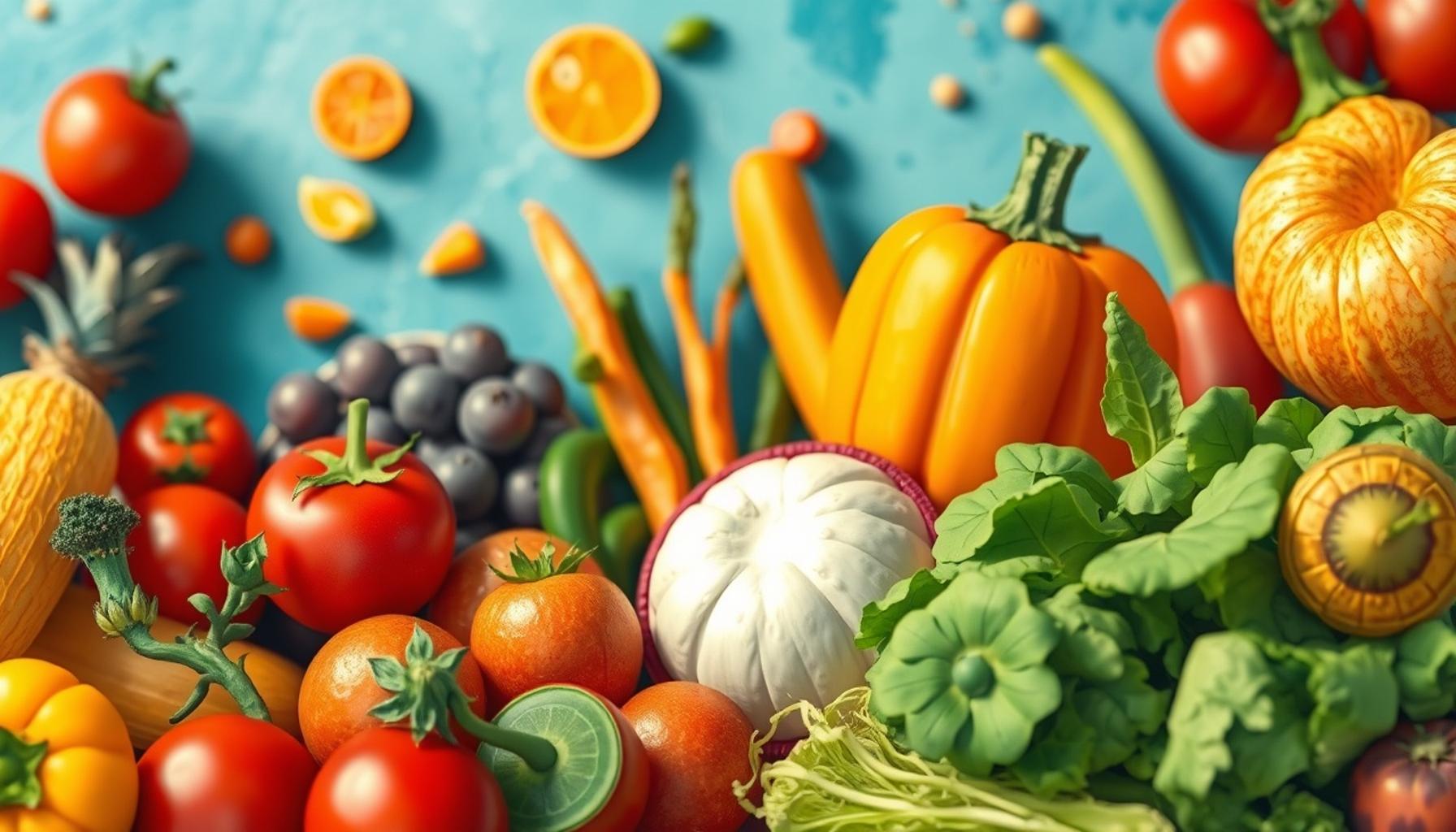
The vibrant colors found in fruits and vegetables are not just visually appealing; they play a crucial role in our nutrition choices. The hues of our food often correlate with their nutritional value, offering a fascinating insight into how color can impact our health. Consuming a diverse range of colorful produce not only stimulates our senses but also ensures we are receiving a wide array of essential nutrients.
- Red: Fruits and vegetables that exhibit red hues, like tomatoes, strawberries, and red bell peppers, are rich in antioxidants. A well-known antioxidant present in these foods is lycopene, which is particularly abundant in cooked tomatoes. Research suggests that lycopene may help reduce the risk of heart disease and certain types of cancer, making red produce a vital part of a balanced diet.
- Green: The diverse range of greens, including spinach, kale, and broccoli, are loaded with chlorophyll, which not only aids in detoxification but also supports a robust immune system. These nutrient-dense foods are packed with vitamins A, C, and K, as well as fiber, which contributes to digestive health. Incorporating green vegetables into your diet can be as simple as adding a handful of spinach to a smoothie or enjoying a salad topped with an array of leafy greens.
- Yellow and Orange: Often synonymous with health, these radiant foods like carrots, sweet potatoes, and citrus fruits are especially high in beta-carotene and vitamin C. Beta-carotene is a precursor to vitamin A, which is essential for healthy skin and vision. Regular consumption of these vibrant foods can enhance skin health and boost overall vitality, helping you face the day with energy.
- Blue and Purple: Foods such as blueberries, blackberries, and eggplants stand out for their rich colors, which stem from natural compounds called anthocyanins. These compounds are renowned for their anti-inflammatory properties and are believed to enhance cognitive function as well. Studies indicate that regular intake of blue and purple foods may improve memory and could even reduce the risk of neurodegenerative diseases.
Understanding the significance of these colors can lead to better health decisions. By prioritizing a colorful diet, individuals can diversify their nutrient intake and enjoy the multifaceted benefits of these natural foods. Not only does eating a rainbow of produce enhance the aesthetic of our meals, but it also contributes significantly to our long-term well-being.
Consider this: the next time you prepare a meal, think about how you can incorporate a spectrum of vibrant foods. Whether it’s creating a colorful salad or adding a variety of vegetables to your stir-fry, these vibrant choices could potentially improve not just the presentation of your meals but also elevate your overall health. Embrace the colors of nutrition; your body will thank you!
The Science Behind Colorful Nutrition
When it comes to nutrition, the adage “you are what you eat” takes on a new dimension with the understanding that “you also are what you see.” The vibrant colors of fruits and vegetables not only make our plates more appetizing but also serve as visual indicators of the beneficial nutrients they contain. Scientific studies have consistently shown that a diet rich in a variety of colorful foods can yield numerous health benefits, fundamentally transforming our approach to nutrition.
The color of a food is derived from its pigments, which are linked to various health-promoting properties. These pigments are where the magic happens, as they contribute to essential antioxidants, vitamins, and minerals. Here’s a closer look at how specific colors relate to nutrients and health benefits:
- Red: Beyond the well-known lycopene found in tomatoes, red fruits and vegetables such as cherries and watermelon also provide vitamin C and flavonoids, which can play a role in reducing inflammation and promoting heart health. Studies indicate that a regular intake of red foods may improve cardiovascular function and enhance longevity.
- Green: Often referred to as the centerpiece of a healthy diet, green foods are abundant in vitamin K, which is crucial for bone health and blood coagulation. Additionally, the fiber found in leafy greens aids in digestion. Epidemiological studies reveal that individuals who consume higher quantities of green vegetables tend to have a lower risk of chronic diseases.
- Yellow and Orange: These delightful foods not only brighten our plates but are jam-packed with vitamin C and antioxidants. Foods like butternut squash and oranges have been linked to enhanced immune function and skin health. Research suggests that incorporating more yellow and orange produce can reduce the likelihood of developing age-related vision issues.
- Blue and Purple: Food items like plums and purple cabbage often contain powerful anthocyanins, known for their ability to combat oxidative stress. Studies show that these compounds may also support memory and cognitive function, making colorful berries not just a treat for your taste buds but a boon for your brain health as well.
- White and Brown: While not necessarily vibrant, this group includes foods like garlic and onions, which contain allicin. Allicin is celebrated for its antibacterial effects and potential in lowering blood pressure. Furthermore, these foods can aid in maintaining a healthy gut microbiome, which is increasingly recognized for its role in overall wellness.
By understanding the nutritional value represented by different colors, consumers can make strategic choices when filling their grocery carts. Research indicates that individuals who consume a rainbow of foods each week often experience enhanced vitality, better energy levels, and improved overall health. With this information in hand, you can turn meal preparation into an opportunity to explore the vibrant world of nutrition.
Next time you venture into the produce section, let the colors guide your selections. Creating meals that are not only healthy but also visually stimulating might just be the key to unlocking an enthusiastic approach towards nutritious eating. Embrace the role of color in your nutrition choices and witness the impact on your health journey.
Extending our exploration of the role of color in nutrition choices, it’s essential to delve into the specific benefits that various vibrant foods offer. The vibrant hues found in fruits and vegetables are not merely aesthetic; they often represent the presence of crucial nutrients and compounds that are vital for our health.
For instance, orange and yellow fruits, such as carrots and oranges, are rich in beta-carotene, which can be converted into vitamin A in the body, promoting good vision and supporting immune function. Similarly, dark leafy greens like spinach and kale are recognized for their high levels of chlorophyll, which is believed to aid in detoxifying the body and promoting healthy digestion.
Moreover, red fruits and vegetables, such as tomatoes and strawberries, contain lycopene and flavonoids, which are linked to heart health and anti-inflammatory properties. These compounds may also play a role in reducing the risk of chronic diseases such as cancer. Adding these colorful foods to your diet can enhance not just the visual appeal of your meals but also their nutritional power.
Additionally, the psychological effects of color should not be underestimated. Research suggests that the perception of color can alter our mood, influencing food choices and potentially impacting appetite. Brightly colored foods can stimulate our senses, making meals more enjoyable and encouraging healthier eating habits. By incorporating a rainbow of colors into our meals, we can foster a deeper connection with our food while simultaneously nourishing our bodies.
As we continue to uncover the links between food color and nutritional value, the significance of colorful eating becomes clearer. Not only does it enhance our plates visually, but it also serves as a pathway to improved health and wellbeing, ultimately leading us to make more informed dietary choices.
Incorporating Colorful Foods into Your Diet
As consumers become increasingly health-conscious, the influence of colorful foods on nutritional choices is gaining traction. The visually engaging nature of these foods establishes a direct link to their nutrient density, making it easier for individuals to prioritize their meals. However, knowing which colors can benefit your health is only the first step; integrating a diverse palette into one’s diet requires intentional preparation and planning.
One effective way to embrace the colorful nutrition concept is by adopting the “rainbow plate” method. This approach entails filling your meal with at least five different colors, ensuring a well-rounded intake of essential vitamins and minerals. Research suggests that meals rich in variety not only supply necessary nutrients but also help prevent monotony in eating habits. Experimenting with new combinations can transform routine meals into culinary adventures. For instance, consider a salad made with red tomatoes, green spinach, orange carrots, purple beets, and yellow bell peppers that not only looks appealing but also delivers a spectrum of benefits.
In addition to strategy, preparing meals in a way that emphasizes the inherent vibrancy of food can have psychological benefits. Engaging with food through creative presentation can elevate the dining experience, prompting individuals to enjoy nutritious meals more fully. A study published in the Journal of Nutrition indicates that participants who enjoyed visually appealing and colorful meals tended to consume more fruits and vegetables overall. This suggests that aesthetics play a pivotal role in promoting healthier eating patterns.
Exploring seasonal produce can further enhance the variety of colors on your plate while also supporting local agriculture and reducing your carbon footprint. Farmers’ markets are an excellent avenue for accessing fresh produce that is at its peak in terms of flavor and nutrients. During spring and summer, vibrant greens like arugula and kale can be coupled with red strawberries and yellow corn, while the fall harvest offers a beautiful assortment of pumpkin, purple eggplant, and various crisp apples.
Technology and social media have also transformed how individuals approach vibrant nutrition. Apps designed for meal planning encourage users to track their food intake and ensure they are embracing a colorful variety. Social platforms filled with recipes and vibrant meal photos can spark inspiration to innovate on traditional dishes. For example, a standard stir-fry can be effortlessly enhanced with a splash of color through the addition of purple cabbage, bright orange bell peppers, and fresh green broccoli, which not only increases the health value of the dish but also makes it more exciting.
Furthermore, the color spectrum in foods often indicates their unique health benefits, suggesting a targeted approach to nutrition. To ensure you’re truly getting the most out of your diet, consider pairing specific colors with their known health advantages. Red foods target heart health, green foods promote detoxification, while yellow and orange foods support immune function. By being proactive in selecting foods based on their colors, one can embrace both the aesthetics and health benefits of vibrant nutrition.
In summary, the journey to healthier eating can become a delightful exploration of color. By incorporating a range of colorful foods into every meal, planning meals with intention, and being open to new experiences, individuals can tap into the profound health-promoting effects of these nutrient-rich foods. Let each color lead you toward better health, one meal at a time.
Understanding the Importance of Color in Nutrition
In conclusion, the role of color in nutrition extends far beyond mere aesthetics; it is a powerful tool that can significantly influence health outcomes. The evidence suggests that consuming a diverse range of colorful foods not only enhances the sensory experience of eating but also contributes to an improved intake of essential vitamins and minerals. By actively engaging with the concept of a vibrant diet, individuals can better prioritize their nutritional needs and promote overall well-being.
The integration of colorful produce into everyday meals fosters a deeper connection between food and health, encouraging consumers to explore new flavors and textures. The rainbow plate methodology provides a practical approach to ensure that meals are not only nutritious but also exciting. With each bite, the array of colors introduces a multitude of health benefits tailored to various bodily functions, from heart health to immune support.
As society moves towards healthier food systems, the influence of social media, technology, and seasonal shopping can aid in amplifying our commitment to vibrant nutrition. Farmers’ markets and meal-planning apps are invaluable resources that can encourage the selection of fresh, colorful options. By continuing to educate ourselves on the benefits of consuming a rainbow of foods, we can embrace a holistic approach to health—one that recognizes the profound impact of what we eat on how we feel.
Ultimately, making intentional choices regarding the colors on our plates is an opportunity to enhance our dietary habits and nourish our bodies effectively. By prioritizing vibrant foods, we can embark on a culinary journey that enriches our lives and enhances our health, one colorful meal at a time.