The Relationship Between Nutrition and Disease Prevention in Dogs and Cats

The Vital Role of Nutrition in Pet Health
Every pet owner desires a long, healthy life for their furry companions. One of the most critical aspects of achieving this is through proper nutrition. Eating the right foods enhances your pet’s quality of life and plays a pivotal role in preventing various diseases and health issues.
Veterinary studies consistently show that a balanced diet can:
- Boost immunity: Nutrient-rich foods help strengthen your pet’s immune system. Vitamins such as E and C, along with essential fatty acids, can enhance immune response, helping pets ward off infections and illnesses.
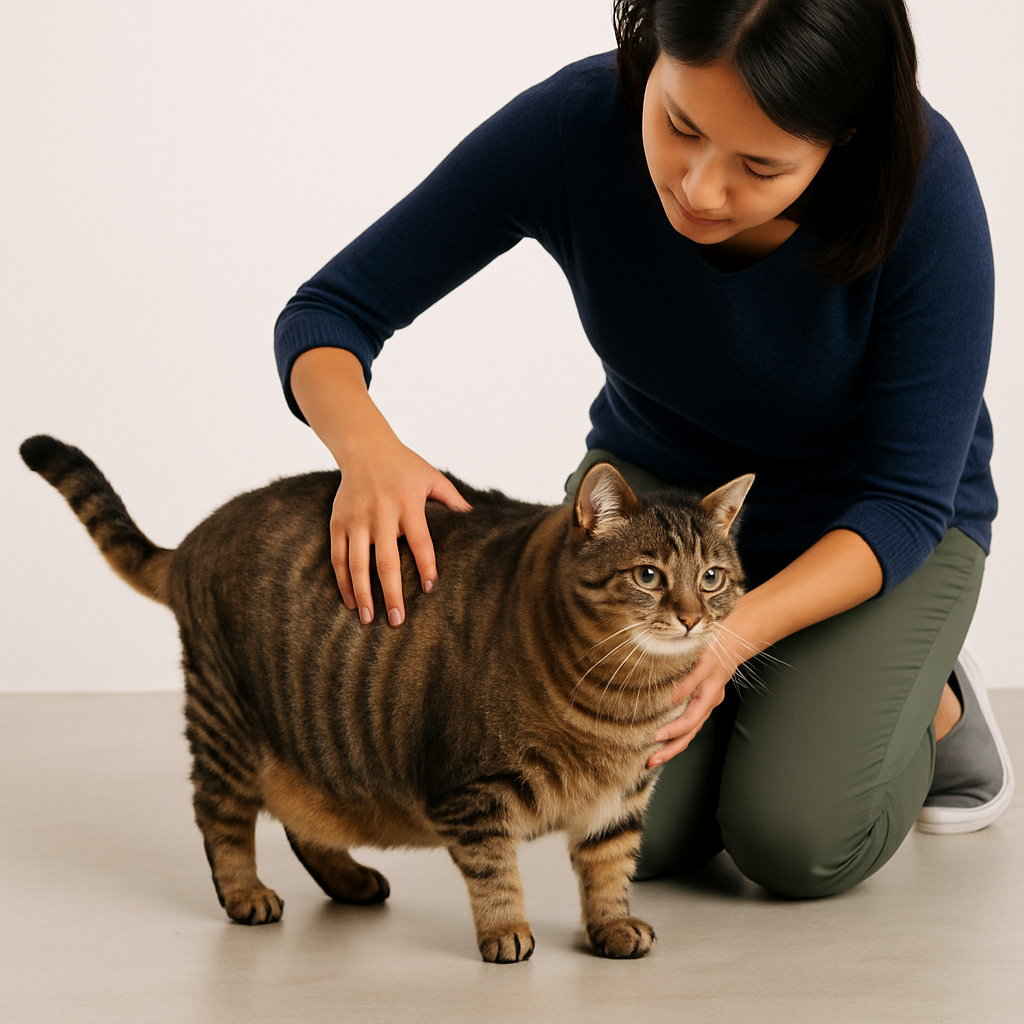
- Promote healthy weight: Maintaining an ideal weight reduces the risk of obesity-related diseases. The Association for Pet Obesity Prevention reports that about 60% of dogs and 56% of cats in the U.S. are overweight or obese, which can lead to diabetes, arthritis, and heart disease.
- Support organ function: Proper nutrition ensures vital organs like the heart and kidneys function optimally. For instance, diets rich in antioxidants can reduce oxidative stress, thereby supporting the health of the liver and kidneys.
Some common health issues that can be mitigated through careful dietary choices include:
- Diabetes: Choosing low-glycemic foods helps regulate blood sugar levels. Foods high in fiber can stabilize glucose levels, which is especially important for pets with diabetes.
- Dental problems: Certain textures in food can aid in oral health. Crunchy kibble can help reduce plaque buildup, while specifically formulated dental diets can support overall dental hygiene.
- Skin allergies: Quality ingredients can alleviate sensitive skin conditions. High-quality protein sources, like salmon or chicken, and reliable grains can often help in reducing allergic reactions.
As pet owners, it’s essential to recognize that every animal is unique. Factors such as breed, age, and activity level influence a pet’s nutritional needs. Tailoring a diet to meet individual nutritional requirements can prevent diseases and promote better health outcomes. For example, senior dogs might require different nutrient balances than puppies to accommodate their changing metabolism and joint health.
Moreover, the impact of nutrition on disease prevention in dogs and cats extends beyond just avoiding health issues. A well-planned diet also contributes to improved energy levels, a shiny coat, and overall vitality. Educating oneself on the nuances of pet nutrition, including understanding ingredient labels and recognizing the best food types, is crucial. This understanding can empower pet owners to make informed choices that foster long, healthy lives for their beloved companions.
In summary, the intricate relationship between a pet’s nutrition and its health is profound. Prioritizing quality ingredients and appropriate dietary choices can transform the lives of pets, offering not just longer years but more vibrant, active ones. As more research unfolds in this fascinating field, the connections between what pets eat and their health outcomes will continue to attract interest and innovation.
Nutritional Foundations for Disease Prevention
In understanding the relationship between nutrition and disease prevention in dogs and cats, it’s important to recognize that the foundation of pet health starts with what goes into their bowls. The foods we choose for our pets significantly influence their susceptibility to a range of health conditions and diseases. Veterinary nutritionists emphasize the impact of specific dietary components on preventing ailments.
One of the foremost concerns linked to nutrition is obesity, which has reached epidemic proportions in pets across the United States. The Kennel Club estimates that up to 60% of our beloved dogs and cats are classified as overweight or obese, leading to serious health implications. Obesity doesn’t merely stem from overfeeding; it highlights the need for appropriate portion control and energy-dense diets tailored to maintain ideal body weight. To address this, pet owners should familiarize themselves with factors that contribute to obesity, including:
- Caloric intake: Understanding the caloric needs based on a pet’s age, weight, and activity level can prevent excessive weight gain.
- Treat frequency: Over-treating pets with high-calorie snacks can quickly lead to weight issues, so moderation is key.
- Inactivity: A sedentary lifestyle, often accompanied by poor nutritional choices, can exacerbate obesity among pets.
Another critical element of nutrition directly related to health is the quality of ingredients. In recent years, pet food labeling has become more intricate, enabling pet owners to discern which products provide the nutrients their pets truly need. A well-rounded diet featuring high-quality protein sources, whole grains, and essential fatty acids not only enhances overall well-being but also bolsters immune systems, allowing pets to combat sickness more effectively. For instance, foods enriched with omega-3 fatty acids from fish can promote healthy skin and a lustrous coat while simultaneously combating inflammation that can lead to chronic diseases.
Moreover, certain nutritional habits contribute to preventing specific health issues. For instance, fiber plays a vital role in maintaining intestinal health, which consequently can impact conditions like diabetes and gastrointestinal disorders. Studies indicate that diets high in fiber content can help regulate blood sugar levels and ensure healthier digestion. This emphasizes the importance of high-fiber foods and how they serve as preventive measures against the development of serious health conditions.
As we traverse the intricate landscape of pet nutrition, the concept of tailored diets becomes increasingly important. Each pet’s individual health needs should be taken into account; age, breed, and existing health conditions are all factors that dictate the most suitable nutritional approach. With the help of veterinary professionals, pet owners can formulate individualized nutrition plans designed to optimize health and minimize disease risks specific to their furry friends.
In essence, the link between nutrition and disease prevention in dogs and cats is profound and multi-faceted. By prioritizing high-quality diets, understanding ingredient benefits, and making informed choices, pet owners lay the groundwork for healthier futures for their canine and feline companions.
The Relationship Between Nutrition and Disease Prevention in Dogs and Cats
Understanding the relationship between nutrition and disease prevention in dogs and cats is essential for pet owners who wish to enhance their furry companions’ health and longevity. Diet plays a pivotal role in shaping the overall well-being of these animals, serving as a primary defense against various health issues.
The primary focus for pet owners should be the incorporation of balanced diets that are rich in essential nutrients. These include proteins, carbohydrates, fats, vitamins, and minerals that work synergistically to promote optimal health. Research indicates that specific nutrients can bolster the immune system, helping pets to ward off infections and illness.
An example of this is the importance of omega-3 fatty acids. These beneficial fats are known for their anti-inflammatory properties, aiding in the prevention of chronic diseases in pets, such as arthritis and heart conditions. Additionally, antioxidants found in fruits and vegetables can help mitigate oxidative stress, further safeguarding against degenerative diseases.
Moreover, the emerging field of veterinary nutrition emphasizes the significance of tailored diets based on the specific needs of individual pets. For instance, older dogs and cats have different dietary requirements compared to their younger counterparts, necessitating a focus on energy-dense and nutrient-rich formulas.
By understanding these dietary intricacies, owners can help prevent obesity—a condition linked to numerous health problems, including diabetes and joint issues. Regular veterinary consultations and nutritional assessments can assist in developing the best dietary plans for each pet’s unique health status and lifestyle.
As we delve deeper into this subject, it’s crucial to acknowledge the role of commercial diets versus home-cooked meals. Both have their advantages and potential shortcomings, and choosing the right option often requires a careful analysis of the pet’s health needs, lifestyle, and preferences. Access to reliable information and guidance when it comes to feeding can empower owners to make informed choices.
| Nutrition Aspect | Importance in Disease Prevention |
|---|---|
| Omega-3 Fatty Acids | Help reduce inflammation, preventing conditions like arthritis and heart disease. |
| Antioxidants | Combat oxidative stress and lower the risk of degenerative diseases. |
Ultimately, evidence continues to support the notion that a well-balanced, nutrient-rich diet not only enhances the quality of life but significantly contributes to the longevity of our pets. As research advances, more guidelines are emerging to further solidify the crucial link between proper nutrition and improved health outcomes.
The Role of Essential Nutrients in Disease Prevention
In addition to understanding the general principles of nutrition, delving into the specifics of essential nutrients is vital for optimizing canine and feline health. These nutrients not only support basic bodily functions, but also play a pivotal role in disease prevention by enhancing immune function and promoting overall vitality. When considering the health of dogs and cats, it’s crucial to focus on the key nutrient groups that contribute to disease prevention.
Proteins are the building blocks of life, and they are particularly important for growing puppies and kittens, as well as for maintaining healthy tissues in adult animals. However, not all proteins are created equal. High-quality proteins, which provide a complete amino acid profile, are vital for boosting the immune system. For instance, proteins sourced from meat and fish contain vital amino acids essential for muscle repair and immune response. Conversely, lower-quality protein sources can lead to nutritional deficiencies and can impair health over time.
Furthermore, essential fatty acids, particularly omega-3 and omega-6 fatty acids, have garnered attention for their profound impact on pet health. Omega-3 fatty acids, found in fish oil, have anti-inflammatory properties that can help prevent or manage conditions like arthritis, cardiovascular diseases, and skin issues. Incorporating these fatty acids into a pet’s diet does not merely address existing problems; it proactively works to ward off potential health concerns, making them a cornerstone of preventive care.
Another critical aspect of nutrition is ensuring that pets receive adequate vitamins and minerals. Micronutrients, such as vitamins A, C, E, and various B vitamins, along with minerals like zinc and selenium, are essential for a robust immune response. For instance, antioxidants found in fresh fruits and vegetables can protect cells from oxidative stress, a contributor to chronic diseases. The inclusion of produce like blueberries or carrots in a pet’s diet can provide these beneficial compounds, acting as a shield against health complications.
The feeding method also plays a significant role in how nutrition is absorbed and utilized by pets. Recent studies have suggested that pets fed with fresh, minimally processed foods show better health outcomes compared to those on heavily processed diets. This has given rise to the raw food movement, promoting the idea that natural, species-appropriate diets can enhance overall health. However, pet owners should be cautious and seek guidance from veterinarians to ensure their pets receive balanced nutrition if they choose to go this route.
Moreover, hydration must not be overlooked. Water is an essential nutrient that impacts almost every aspect of pet health. Dehydration can lead to serious health issues, including kidney disease, urinary tract infections, and even cognitive dysfunction in older pets. Pet owners should ensure their furry friends have constant access to clean, fresh water to support their overall health and prevent complications related to dehydration.
With the increasing awareness of how integral nutrition is to health, it is important for pet owners to stay informed about the latest research on pet diets and ingredient sourcing. Engaging with a qualified veterinarian can provide insights into the most effective dietary strategies, enabling pet guardians to provide the best possible nutrition for their companions and significantly lowering the risk of disease through educated dietary choices.
Conclusion
In summary, nutrition plays a critical role in preventing diseases in dogs and cats, illuminating the profound connection between what our pets consume and their overall health. With an increased understanding of essential nutrients such as proteins, fatty acids, vitamins, and minerals, pet owners can make informed decisions that significantly enhance their pets’ quality of life. A balanced diet not only supports strong immune function and repairs tissues but also works as a proactive measure against various health concerns.
The choice of feeding method—whether opting for raw, fresh, or commercial diets—can also influence how effectively pets absorb these valuable nutrients. As the movement towards natural diets gains momentum, awareness of proper ingredient sourcing becomes crucial. Engaging with a veterinarian allows pet owners to tailor a diet that meets their pet’s unique needs while mitigating health risks associated with poor nutrition.
Moreover, ensuring adequate hydration cannot be overlooked, as it is foundational to every physiological function. As we cultivate a deeper understanding of the relationship between nutrition and disease prevention, the responsibility is on us as pet guardians to cultivate an environment where our furry companions can thrive.
Staying informed about evolving dietary strategies and being proactive in nutrition can create a lasting impact on our pets’ health. By investing time in learning, assessing our pets’ dietary needs, and making conscious choices, we can foster healthier, happier lives for our beloved dogs and cats. The pathway to disease prevention begins with nutrition—let’s embrace it.