The Relationship Between Animal-Assisted Therapy and Improvement in Quality of Life
The Multifaceted Benefits of Animal-Assisted Therapy
Every year, millions of Americans seek ways to enhance their quality of life. Among the innovative solutions that have emerged, animal-assisted therapy (AAT) has gained significant attention for its profound effects on emotional and physical well-being. This therapeutic practice involves trained animals, usually dogs or cats, and certified professionals, who work together to support individuals in various healing processes.
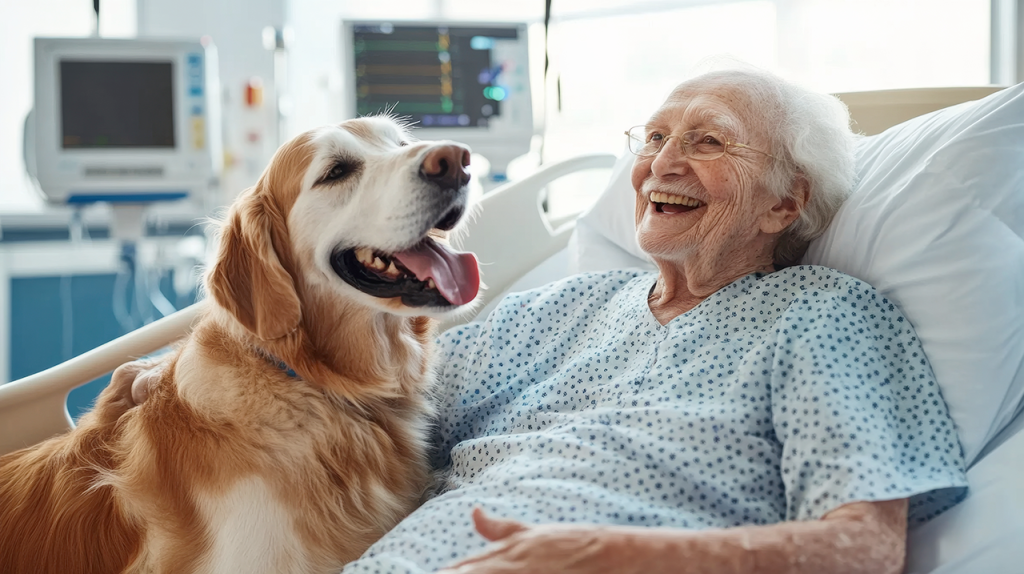
The reach of AAT extends across various settings, providing relief and support to diverse populations. For instance, in hospitals, studies have shown that interaction with therapy animals can lead to significant reductions in patient anxiety prior to surgeries or while undergoing painful treatments. Therapy dogs provide comfort, promoting relaxation and even lowering blood pressure during stressful medical procedures. Similarly, in schools, therapy animals can be especially beneficial for children with special needs, helping them develop emotional regulation and social skills. Programs that incorporate certified therapy pets enable children to gain confidence and learn to communicate more effectively by practicing language skills in a safe environment.
Senior care facilities have also seen transformative changes through AAT. As individuals age, feelings of loneliness and isolation can significantly impact mental health. Bringing in therapy animals has proven to provide companionship, evoking joy and stimulating memories among residents. For many seniors, the presence of a furry friend is not just comforting but can reignite a sense of purpose, leading to improved emotional well-being and social interactions with their peers.
The interactions facilitated by AAT promote healing and foster connections that are critical for emotional stability. The bond between humans and animals can lead to various positive outcomes, such as:
- Decreased feelings of loneliness – Individuals report feeling more connected and less isolated when they engage with therapy pets.
- Enhanced social skills – Engagement with animals can break down barriers, encouraging social interaction among individuals who may struggle in traditional group settings.
- Improved physical activity – Caring for pets demands movement, helping individuals incorporate more exercise into their daily routines, which is particularly beneficial in rehabilitation settings.
As we delve deeper into the relationship between animal-assisted therapy and improvement in quality of life, it’s essential to consider how these therapies function on psychological and physiological levels. Anecdotal evidence supports the notion that being around animals triggers the release of endorphins and oxytocin in humans, hormones linked to happiness and bonding. Research findings from various institutions indicate that participants in AAT programs often experience measurable improvements in their emotional health.
The integration of therapy animals in various rehabilitation programs is not just a trend; it is a growing field backed by solid evidence and numerous personal stories of transformation. As interest continues to swell, more facilities and clinics across the United States are likely to embrace this holistic approach, creating a deeper understanding of how the profound bond between humans and animals can lead to healing and restoration.
The Psychological Impact of Animal-Assisted Therapy
The psychological benefits of animal-assisted therapy (AAT) are particularly striking, shedding light on how interactions with therapy animals can profoundly affect emotional well-being. Research indicates that individuals undergoing AAT frequently demonstrate a marked decrease in symptoms of anxiety, depression, and stress. The mere presence of a therapy animal has been shown to evoke a sense of calm and safety, providing an outlet for emotional expression that many individuals find difficult to achieve through traditional therapy alone.
For example, a study conducted by the University of Missouri revealed that patients dealing with mental health issues experienced a significant drop in cortisol levels—often referred to as the stress hormone—after engaging with therapy dogs. The study emphasized that the comforting presence of an animal can elicit feelings of unconditional love and acceptance, which are critical components for fostering mental health. As therapy animals offer non-judgmental companionship, individuals may find themselves more willing to open up and share their feelings, leading to greater therapeutic progress.
Evidence from Various Demographics
The benefits of AAT are evident across various demographics, from children coping with trauma to veterans grappling with PTSD. Children, for instance, who struggle with social interactions are often able to communicate more freely when accompanied by a therapy animal. The presence of animals can serve as a social catalyst, breaking down barriers and facilitating conversations. In several educational settings, teachers have reported increased participation and engagement among students after introducing therapy animals into their classrooms, revealing a correlation between pet therapy and improved academic performance.
Veterans returning from combat often experience feelings of isolation and difficulty in reconnecting with society. AAT programs tailored for this demographic have been implemented in many veterans’ hospitals. These initiatives have provided a dual benefit: veterans gain skills for managing their mental health while simultaneously experiencing the healing power of companionship. By fostering emotional attachments with therapy animals, veterans often report marked improvements in mood and social connections, ultimately leading to better overall quality of life.
- Emotional expression: Therapy animals encourage individuals to express feelings that they might otherwise suppress, facilitating communication and emotional release.
- Reducing anxiety: Interaction with therapy animals has been linked to lower anxiety levels, allowing patients to face their challenges with a greater sense of calm.
- Building rapport: Animals offer a non-judgmental presence, allowing individuals to feel more comfortable and supported in therapeutic settings.
The burgeoning field of AAT not only highlights the emotional benefits of animal interaction but also underscores the essential role that the human-animal bond plays in the healing process. As the scientific community continues to investigate the specific mechanisms behind these improvements, it is becoming increasingly clear that incorporating animals into therapeutic practices is a promising avenue for enhancing quality of life across multiple populations.
| Therapeutic Benefits | Psychological Enhancements |
|---|---|
| Physical Health Improvement | Reduced Anxiety: Interacting with therapy animals lowers stress and anxiety levels. |
| Increased Mobility: Patients often see improvements in mobility and overall physical engagement through physical interaction. | Enhanced Mood: The presence of animals can elevate mood, leading to a more positive outlook on life. |
The exploration of Animal-Assisted Therapy (AAT) significantly connects to various components that lead to improved quality of life. One of the key therapeutic benefits is the enhancement of physical health. Engaging with therapy animals can foster increased mobility, particularly in individuals recovering from physical ailments. These interactions encourage patients to move more freely, thus promoting physical rehabilitation.In parallel, the psychological enhancements attributed to AAT are equally profound. Numerous studies indicate that connecting with animals significantly decreases feelings of isolation and fosters social interaction. This meaningful interaction is not only heartening but also translates into reduced anxiety for many patients. The presence of an animal can serve as a calming influence, which makes a marked difference for individuals dealing with emotional and psychological struggles.
The Physiological Benefits of Animal-Assisted Therapy
Beyond the psychological advantages, animal-assisted therapy (AAT) also offers significant physiological benefits that contribute to an enhanced quality of life. Scientific research supports the idea that interactions with therapy animals can have tangible effects on physical health, leading to improved overall well-being. For instance, studies have shown that petting or spending time with animals can lower blood pressure and heart rates, triggering a calming response in the human body. This physiological reaction is attributed to the decrease in stress hormones, as well as the release of oxytocin—often referred to as the “bonding hormone”—which fosters feelings of connection and attachment.
A specific study conducted by the American Heart Association revealed that individuals who engaged in regular interactions with pets experienced lower risks of heart disease. This finding is particularly important in a country where heart-related health issues are a leading cause of mortality. The study found that pet ownership and AAT participation corresponded with reduced cholesterol levels, connecting the positive effects of animal companionship directly to physiological health benefits.
Impact on Physical Recovery and Rehabilitation
AAT has also been utilized effectively in various rehabilitation settings, showcasing its multi-faceted nature. Patients recovering from surgery or those battling chronic illnesses often find motivation and encouragement from therapy animals. Studies have demonstrated that incorporating AAT into physical rehabilitation programs can significantly enhance patients’ engagement and responsiveness to treatment. For example, children undergoing physical therapy frequently improve their exercise tolerance and cooperation when therapy dogs are present, which can be pivotal for their recovery.
Moreover, older adults in assisted living facilities have shown enhanced mobility and overall health improvements through similar interventions. With therapy animals’ presence, elderly individuals tend to participate more actively in therapeutic activities and exercise routines, reducing the risk of sedentary lifestyle diseases.
- Increased physical activity: Regular interaction with therapy animals encourages individuals to engage in movement, whether through walking dogs or engaging in play, promoting better physical health.
- Enhanced immune function: Some studies suggest that the positive emotional states fostered by AAT can bolster the immune response, helping individuals fend off illness more effectively.
- Lower pain perception: Many patients report reduced feelings of pain when participating in AAT, partly due to the distraction provided by the animal’s presence and affection, helping to improve pain management outcomes.
The integration of AAT into healthcare practices emphasizes the synergy between emotional and physical healing. As researchers continue to delve deeper into the physiological effects of animal interaction, the correlation between AAT and improved quality of life is becoming increasingly compelling. This growing body of evidence reflects a shift in treatment paradigms, inspiring healthcare professionals to consider the holistic benefits of involving animals in therapeutic care, ultimately leading to transformative impacts on health and well-being across diverse populations.
Conclusion: Bridging Hearts and Health through Animal-Assisted Therapy
The relationship between animal-assisted therapy (AAT) and improved quality of life is increasingly supported by a robust foundation of research and real-world applications. As explored throughout this article, AAT not only bolsters emotional wellness by decreasing stress and anxiety levels but also presents remarkable physiological advantages that enhance physical health. From lowering blood pressure to aiding recovery in rehabilitation settings, therapy animals have proven to be invaluable companions in the healing process.
The benefits of AAT extend beyond individual well-being; they are reflected in communities’ health standards and overall societal resilience. As healthcare professionals embrace a holistic approach to treatment, integrating AAT into therapeutic programs offers new dimensions in care that can lead to profound effects for a variety of populations—from children in physical therapy to seniors in assisted living facilities. The synergy between emotional support and physical recovery signifies a new paradigm in health and wellness that challenges traditional medical practices.
Furthermore, the engagement of therapy animals in healthcare settings holds the promise of enhanced patient satisfaction, providing motivation that transcends conventional treatment methods. The success stories and ongoing research further underline the transformative power of animals in our lives—inviting us to reconsider how we define quality of life.
In conclusion, the evidence is clear: by fostering deeper connections with therapy animals, individuals can experience enriched lives filled with hope, health, and happiness. As we continue to uncover the potential of animal-assisted therapy, society stands to benefit immensely, prompting a call for wider acceptance and implementation of such innovative therapeutic practices.