The Importance of Hydration in the Diet of Pets
The Importance of Hydration for Pets
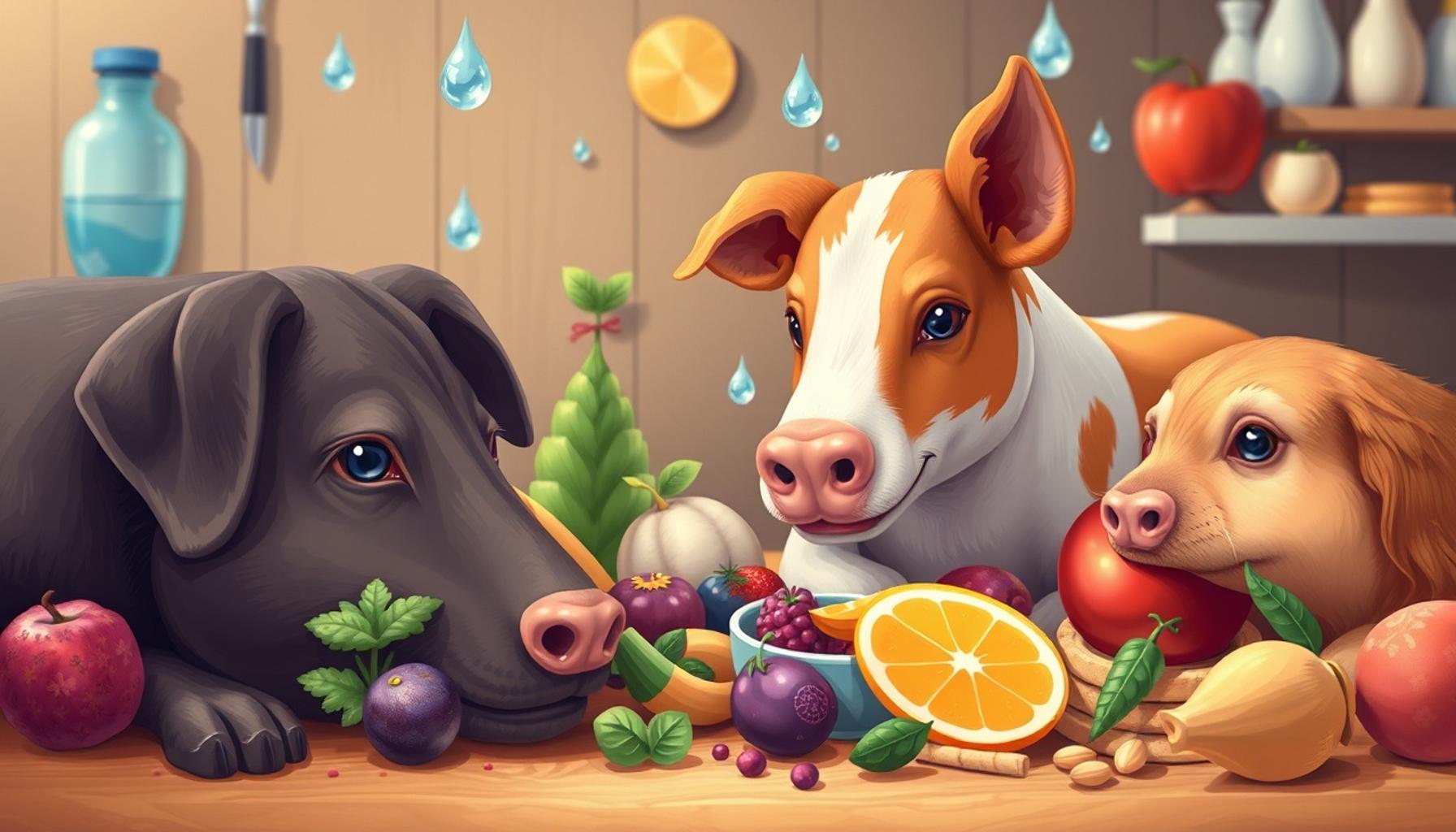
Just like humans, pets rely on adequate hydration to maintain their health and well-being. Water is not simply a thirst quencher; it is a vital component that supports numerous bodily functions. From regulating body temperature to aiding digestion, proper hydration significantly affects various aspects of their lives, including energy levels and overall vitality. Ensuring pets drink enough water can enhance their quality of life profoundly.
Key Benefits of Hydration for Pets
- Regulation of Body Temperature: Pets, particularly dogs and cats, are especially vulnerable to heat-related illnesses such as heatstroke, especially in places with hot climates like Texas or Arizona. Proper hydration helps them maintain a stable body temperature, allowing them to engage comfortably in activities like running or playing fetch at the park. A dehydrated animal is not just uncomfortable; it can become lethargic or, worse, suffer from heat exhaustion.
- Joint Health: Just like humans, pets can experience joint pain and stiffness as they age. Adequate water intake lubricates joints, promoting movement and reducing discomfort. This is crucial for aging pets or those suffering from arthritis. A study by the American Kennel Club highlighted that maintaining optimal hydration can lead to better mobility in senior dogs, allowing them to enjoy their golden years more freely.
- Healthy Digestion: Water plays a pivotal role in digestion. Hydration aids in breaking down food and ensuring nutrients are absorbed efficiently. It also helps prevent constipation and promotes a healthy gut. In fact, veterinarians often recommend increasing a pet’s water intake during periods of gastrointestinal issues to facilitate healing.
Understanding Pets’ Hydration Needs
Despite the critical importance of water, many pets do not drink enough on their own, leading to potential health complications. Factors such as diet, exercise, and even climate can impact an animal’s hydration needs. For instance, dogs eating dry kibble may require more water compared to those on a wet food diet. Likewise, during hot summer months or after vigorous play sessions, pets may need additional hydration.
Encouraging Your Pet to Drink More Water
To keep your beloved pet well-hydrated, it is essential to actively promote water intake. There are several strategies pet owners can employ. First, always provide fresh, clean water in a bowl that is easily accessible. Some pets may prefer running water, so pet fountains could encourage them to drink more. Additionally, consider incorporating moisture-rich foods into their diet, such as fruits and vegetables safe for pets like watermelon and cucumber.
Ultimately, integrating proper hydration practices not only supports your pet’s daily routine but also empowers you as a responsible pet owner. By being proactive about hydration, you can play a significant role in enhancing your furry friend’s health and happiness. So the next time you fill the water bowl, take a moment to appreciate the role you play in their thriving life!
Understanding Pets’ Hydration Needs
Despite the critical importance of water, many pets do not drink enough on their own, leading to potential health complications. Understanding your pet’s hydration needs is essential for maintaining their overall health. Several factors impact how much water your furry friend requires, and as a responsible pet owner, recognizing these elements can significantly enhance your pet’s quality of life.
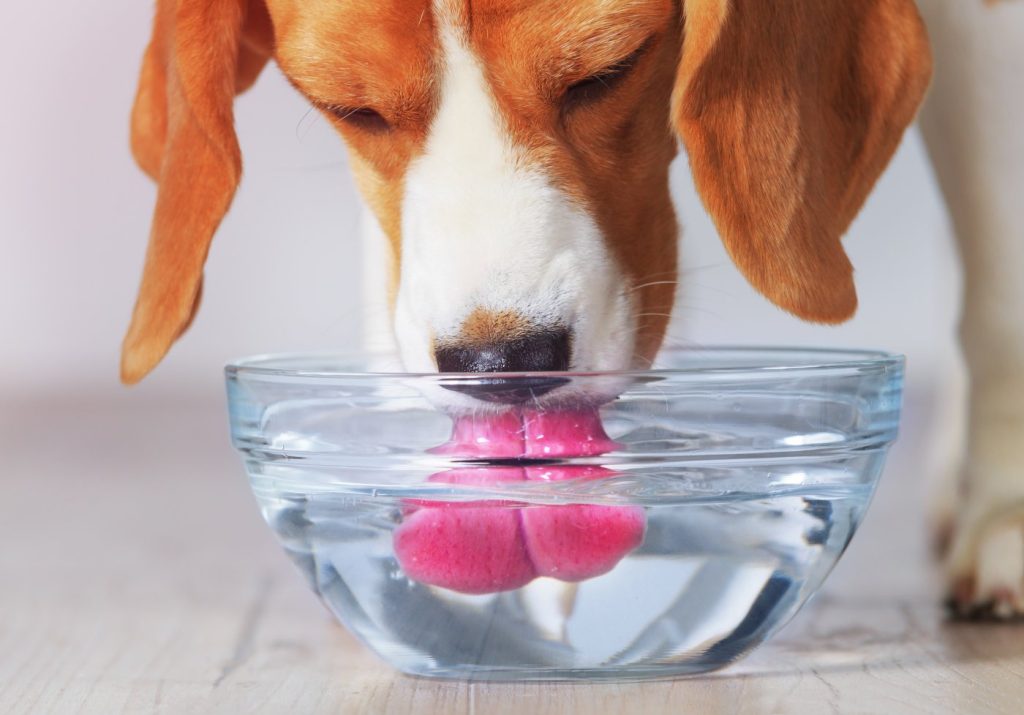
One of the primary determinants of a pet’s hydration needs is their diet. Pets consuming dry kibble, for example, typically require more water compared to those consuming wet food. Dry food contains only about 10% moisture, whereas wet food can be up to 80% moisture. Therefore, the more moisture-rich the food, the less additional water may be necessary. For pets on dry chow, it’s crucial to monitor their water intake to ensure they are sufficiently hydrated.
Another influential factor is your pet’s activity level. Active pets—those who love to run, play tug-of-war, or engage in rigorous exercise—naturally lose more fluids through panting and sweat, requiring increased water consumption to replenish lost fluids. For instance, a high-energy dog that runs around in a hot backyard may need nearly double the water than on a regular day. Monitoring hydration during warmer months or after vigorous activities is essential to prevent dehydration.
The climate also plays a significant role in your pet’s hydration needs. In hotter climates, such as Florida or California, pets may become dehydrated more quickly. Dogs may seek shade and lay low during the hottest parts of the day, leading to reduced activity and lower water intake. It’s crucial for pet owners in warmer regions to keep water easily accessible at all times and encourage regular drinking, even when pets appear less active.
Physical Signs of Dehydration
Recognizing the signs of dehydration is crucial for prompt intervention. Here are some physical signs a pet owner should watch for:
- Dry gums and nose: A healthy pet usually has moist, pink gums; dry or tacky gums may indicate dehydration.
- Sunken eyes: Look for eyes that appear sunken or dull; this can be a telltale sign of fluid loss.
- Loss of skin elasticity: Gently pinch the skin at the back of the neck; if it doesn’t immediately return to its original position, your pet may be dehydrated.
- Excessive panting: If your pet is panting more than usual, especially in a hot environment, it may be struggling with hydration.
It is essential to pay close attention to these warning signs and not dismiss them as normal behavior. If you suspect your pet is suffering from dehydration, it’s vital to consult your veterinarian promptly.
By understanding these needs and signs, you can ensure your pet remains hydrated and healthy, ultimately leading to a happier and more active life. Regularly assessing and promoting your pet’s hydration will make a noticeable difference in their energy levels and overall well-being.
Maintaining proper hydration is essential for the health and well-being of pets. Just like humans, pets require water to ensure their bodies function optimally. Dehydration can lead to serious complications, including kidney issues and urinary tract infections, which are particularly prevalent in certain breeds. Moreover, healthy hydration plays a crucial role in temperature regulation, especially for active animals or those exposed to extreme weather conditions. Therefore, pet owners must prioritize their pets’ water intake.
It is essential to monitor water consumption* among pets, particularly in warmer months. Some pet owners might not realize that certain pet foods, especially dry kibble, have low moisture content, making it more vital to provide additional hydration. Adding wet food to a pet’s diet can enhance moisture intake significantly. Cats, in particular, naturally have a low thirst drive, so incorporating wet food can help avoid renal issues down the line.
Furthermore, pets can benefit from infused water or electrolyte solutions designed for animals, especially after exercise. This can stimulate their interest in drinking more fluids. Observing and recognizing signs of dehydration, such as dry gums or lethargy, is crucial for pet owners and can prompt timely veterinary intervention if necessary.
By understanding the connection between hydration and overall health, caregivers can make informed decisions that enhance their pets’ lives. This knowledge can lead them to explore supplementary options, ensuring their beloved companions stay hydrated and healthy.
| Hydration Benefits | Potential Risks of Dehydration |
|---|---|
| Promotes overall health & vitality | Risk of kidney damage |
| Supports temperature regulation | May lead to urinary tract infections |
Ensuring that pets are adequately hydrated can significantly impact their quality of life, health outcomes, and overall happiness. In light of this, pet owners should continuously educate themselves about innovative methods to encourage their pets to drink water, which is a simple step towards achieving a healthier lifestyle for their furry companions.
Strategies to Ensure Proper Hydration
Ensuring your pet remains hydrated is a multifaceted approach that goes beyond merely providing a water bowl. There are several proactive strategies that can enhance your pet’s hydration levels effectively. Understanding these methods not only helps prevent dehydration but also promotes a healthier diet overall.
First and foremost, always provide fresh, clean water. Pets are more likely to drink if their water is appealing. Change the water daily and thoroughly clean the bowl to remove any grime or bacteria. Consider using a water fountain, as pets are often attracted to running water. Not only does this encourage drinking, but the constant flow keeps the water oxygenated and tasting fresh, which can be particularly enticing for finicky drinkers.
Another innovative approach is to incorporate water-rich foods into your pet’s diet. For dogs, fruits like watermelon and cucumbers can be a delightful treat that offers hydration. For cats, options like boiled chicken, fish, or specialized wet cat foods are excellent choices. Cats, in particular, are notorious for their low water intake, and adding moisture to their diet can greatly assist in keeping them hydrated. Additionally, creating homemade soups or broths can serve as a flavorful and hydrating additive to their meals, encouraging consistent water intake.
It’s equally crucial for pet owners to adopt hydration monitoring techniques. Pet owners should be aware of their pet’s usual drinking patterns. Track how much water is being consumed or look for changes in their drinking habits; significant decreases may indicate an underlying health issue. It’s beneficial to measure the water in their bowls before and after feeding times to ensure they’re drinking enough. If you notice that your pet consistently drinks less than expected, consulting a veterinarian will provide insights into their hydration health.
Temperature control is another critical aspect in maintaining hydration. In Washington, D.C., for example, the summer heat can be intense, indirectly influencing your pet’s hydration needs. During particularly hot days, consider providing shaded areas or a cool environment where your pet can retreat. Cooling mats or vests designed for pets can also help regulate their body temperature, which encourages drinking. Indeed, a comfortable pet is more likely to hydrate.
Finally, educating yourself on dehydration risks associated with age and health conditions is paramount. Senior pets and those suffering from chronic illnesses, such as kidney disease or diabetes, may have increased hydration needs. Regular veterinary check-ups can help evaluate hydration levels and adjust care as necessary. Never underestimate the importance of preventative care; a well-informed pet owner is better equipped to face hydration-related challenges.
With these strategies in place, you can create an environment for your pet that fosters optimal hydration. By blending proper nutrition, careful monitoring, and environmental considerations, pet owners can ensure the continual health and vitality of their furry companions. Hydration is a cornerstone of good health and should not be overlooked in the care of pets.
Conclusion: Elevating Your Pet’s Hydration Awareness
In summary, recognizing the importance of hydration in the diet of pets is not merely a matter of ensuring access to water—it’s a comprehensive commitment to their overall health and longevity. Dehydration can lead to serious health complications, impacting everything from kidney function to energy levels and overall quality of life. By prioritizing hydration, pet owners can help mitigate these risks and give their furry companions the best chance to thrive.
Implementing innovative hydration solutions, such as providing fresh water, incorporating water-rich foods, and monitoring drinking habits, can create an environment where pets are both encouraged and able to stay hydrated. Moreover, understanding the unique hydration needs associated with your pet’s age, breed, and health status is essential for tailored care. Regular veterinary check-ups, especially for senior pets or those with chronic conditions, can further enhance your strategy for maintaining proper hydration.
As pet owners, it’s our responsibility to foster an environment that promotes health and well-being. Taking simple yet effective measures can make a significant difference in your pet’s life. Whether it’s through enriching their diet or being vigilant about their hydration habits, every step counts in ensuring that our pets lead healthy, happy lives. By embracing the critical role of hydration, we can contribute to their vitality and ward off the dangers associated with dehydration. Invest in your pet’s hydration today—because they deserve nothing less.