The Importance of Behavioral Training for Dog Socialization

Introduction
In today’s world, pet ownership has evolved into a profound commitment that goes beyond mere companionship. For dog owners, ensuring that their furry friends are socially adept is crucial for a harmonious relationship and overall well-being. Behavioral training plays a significant role in facilitating this socialization process, impacting not only the dog’s relationship with humans but also with other animals.
As more pet parents recognize the importance of social skills for their dogs, understanding behavioral training becomes increasingly relevant. This type of training lays the foundation for dogs to interact confidently and appropriately in various situations. Here are some key aspects to consider:
- Enhances communication skills between dog and owner
- Reduces anxiety and behavioral issues
- Encourages positive interactions with other pets
- Improves overall quality of life for both dogs and owners
In this article, we will explore the top 5 reasons why behavioral training is essential for dog socialization. Prepare to discover insights that could transform your approach to pet training and ensure a happy, well-adjusted canine companion.
The Importance of Behavioral Training in Dog Socialization
Training and behavioral modification play a vital role in cultivating a well-rounded, socially adept canine companion. Dogs, much like humans, thrive on clear communication, structured environments, and nurturing bonds. In this article, we delve into the top 5 reasons why behavioral training is indispensable for a dog’s socialization. From enhancing communication skills to ensuring lifelong well-being, these insights provide a comprehensive understanding of why training is a cornerstone of a dog’s healthy development.
5. Enhances Communication Skills
Communication acts as the foundation for any effective relationship, be it between humans or between dogs and their human companions. While it might seem that communication is predominantly a human skill, it is equally crucial for dogs. Behavioral training significantly aids dogs in learning to interpret body language and vocal cues. By teaching your dog to respond to a spectrum of commands and signals, you facilitate their understanding of the world around them. This improved comprehension minimizes potential miscommunications between pets and owners, paving the way for more harmonious interactions and a deeper connection.
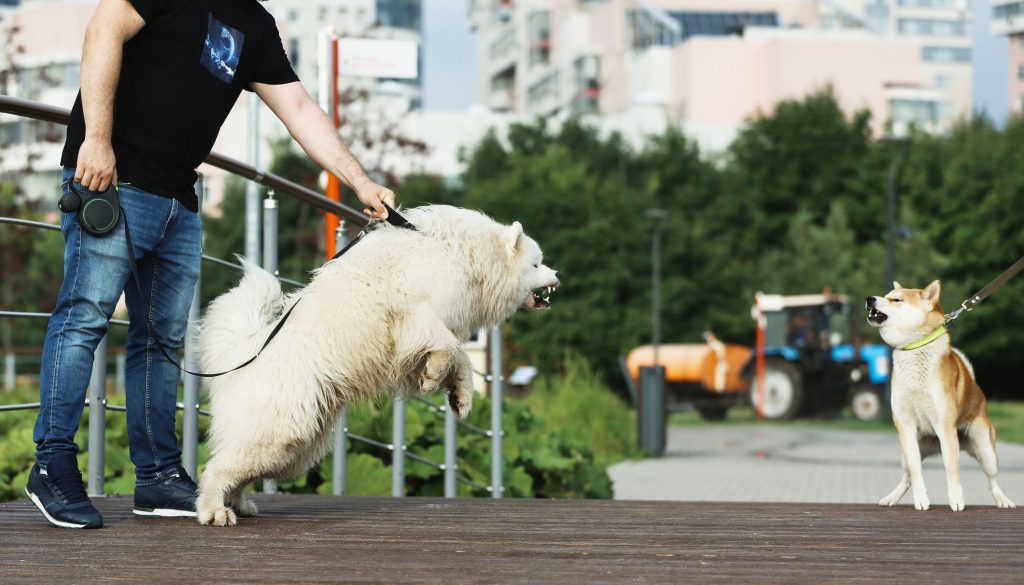
Effective communication is not limited to the basics. Dogs can be trained to grasp a wide array of signals, which empowers them to navigate diverse situations:
- Understanding basic commands such as sit, stay, and come, which are foundational for their safety and etiquette.
- Interpreting non-verbal cues from humans, which can prevent misunderstandings in various interactions.
- Responding to other dogs’ body language, crucial for successful interactions and reducing potential conflicts during socialization.
These skills are not only vital for a dog’s overall development but also play a significant role in their ability to integrate into social settings effortlessly, making it a fundamental aspect for any owner to prioritize in their training regimen.
4. Reduces Behavioral Problems
Dogs that lack adequate socialization and training often display problematic behaviors such as excessive barking, aggression, or anxiety. Behavioral training tackles these issues from an early stage, employing positive reinforcement techniques that encourage desirable behavior rather than punitive measures. The goal is to not only correct unwanted behaviors but also to prevent them from becoming entrenched. A well-trained dog is inherently less likely to develop negative habits, thus averting stressful situations for both pet and owner.
Common challenges encountered by dog owners that can be alleviated through training include:
- Aggression towards strangers or other animals, which can be mitigated through consistent exposure and controlled environments.
- Destructive behaviors, such as chewing furniture, alleviated by providing and training with appropriate chew toys and activities.
- Separation anxiety when left alone, which can be addressed by gradually increasing the time of separation and rewarding calm behavior.
Addressing these issues through methodical training is a significant step in fostering a harmonious living environment, ensuring your dog is a well-adjusted and cherished family member.
3. Builds Confidence
Confidence is indispensable for a dog’s ability to adapt to new environments and scenarios. Behavioral training is crucial in nurturing this confidence. When dogs successfully learn commands and receive positive feedback, they develop a sense of achievement. This newly acquired self-assurance is fundamental for dogs, making them feel more comfortable and secure in different social venues, like parks, homes with visitors, or even bustling pet-friendly stores.
Confidence can be methodically built through:
- Gradual exposure to novel experiences and environments, which help acclimatize dogs without overwhelming them.
- Consistent positive reinforcement after mastering commands or tasks, reinforcing their abilities and boosting self-esteem.
- Structured playtime with other dogs, facilitating natural learning and social interaction in a safe setting.
A confident dog is more likely to engage positively with people and other animals, significantly enriching their social interactions and making their presence more enjoyable and less stressful for those around them.
2. Fosters Stronger Human-Dog Bond
The bond between a dog and its owner is significantly deepened through behavioral training. The time and effort spent navigating challenges together heightens communication, mutual understanding, and trust. As owners engage with their dogs during training, both parties come to appreciate each other’s subtleties, leading to a more intimate companionship and a shared sense of success.
Strengthening this bond can be achieved through:
- Regular training sessions, which reinforce learning and provide opportunities for bonding and teamwork.
- Participation in dog sports or activities, which encourage healthy competition and mutual fulfillment.
- Celebrating shared achievements of training milestones, which instill a sense of pride and motivate continued cooperation.
A robust bond furnishes a sense of security for the dog, which is essential for their social effectiveness and contributes to a more satisfying and enduring relationship between pet and owner.
1. Essential for Lifelong Well-Being
Summing up, the importance of behavioral training in a dog’s socialization journey cannot be overstated, as it forms the bedrock of their emotional and psychological well-being. A well-trained dog is adept at managing various social situations and is likely to enjoy a more fulfilling existence. Training contributes substantially to their mental stimulation, diminishes anxiety, and prevents behavioral issues, all essential components for maintaining a joyous, lasting relationship with their human companions.
Moreover, a well-socialized dog is a joy to be around, enhancing the lives of everyone in their vicinity, from family members to the broader community. The investment of time and effort into ensuring their stability and happiness delivers lifelong rewards, enriching the bond between master and dog, and extending far beyond mere companionship.
This journey of learning, growth, and bonding fortifies the dynamic connection shared between dogs and their human partners and stands as an essential practice that continues to deliver benefits throughout the dog’s life.
| Category | Details |
|---|---|
| Enhanced Communication | Behavioral training fosters clear communication between dogs and their owners, enabling them to understand commands and cues effectively. |
| Social Skills Development | Training plays a critical role in developing socialization skills, allowing dogs to interact appropriately with other animals and humans, reducing anxiety and aggression. |
| Behavioral Consistency | Regular training sessions promote consistency in behavior, helping dogs learn expected responses to various stimuli and situations. |
| Strengthened Bond | Through training, the bond between dogs and their owners is strengthened, built on trust and understanding, making for a more harmonious living environment. |
The importance of behavioral training in a dog’s life cannot be overstated. Not only does it facilitate enhanced communication, but it also shapes social skills crucial for healthy interactions. A well-socialized dog is better equipped to handle diverse environments and meet different beings confidently. Teaching commands during training equips dogs with behavioral consistency, which significantly contributes to their emotional well-being. Furthermore, as owners engage in training exercises, they foster a deeper connection and understanding with their pets, resulting in a positive feedback loop that enhances both parties’ quality of life. Each of these elements interplays to create a more enjoyable and fulfilling relationship between the dog and its owner, leading to more responsible pet ownership. Training initiatives not only improve behavioral traits but also contribute significantly to a dog’s safety and improved public interaction. Thus, understanding the multifaceted benefits of behavioral training is essential for any dog owner that wishes to provide the best for their canine companion.
Frequently Asked Questions on Behavioral Training for Dog Socialization
What is behavioral training and why is it important for my dog’s socialization?
Behavioral training is a method that focuses on modifying a dog’s behavior to ensure they can interact safely and positively with their environment and other animals. This type of training is essential for socialization as it helps dogs to develop confidence and reduce anxiety, making them more comfortable in a variety of social situations. Proper behavioral training helps prevent issues like aggression, fearfulness, and excessive barking, contributing to a dog that is well-adjusted and a pleasure to be around.
At what age should I start socializing my dog?
The ideal time to start socializing a dog is between the ages of three and twelve weeks. This period is often referred to as the “socialization window,” where puppies are most receptive to new experiences and learning. Early socialization is crucial because it lays the foundation for a dog’s future behavior. However, even if a dog misses this critical period, socialization can still be beneficial later in life, but it may require more time and patience.
Can behavioral training help with aggression issues in dogs?
Yes, behavioral training can be highly effective in addressing aggression issues in dogs. Such training focuses on identifying the root cause of the aggression, whether it be fear, a lack of socialization, or dominance issues, and works to modify the dog’s response through positive reinforcement techniques. The goal is to change the dog’s perception and response to triggers that lead to aggression. Consulting with a professional dog trainer or animal behaviorist can provide guidance for more serious cases.
How can I tell if my dog is successfully socialized?
A well-socialized dog typically demonstrates the ability to interact calmly and confidently with people and other animals in various environments. Signs of successful socialization include showing curiosity rather than fear in new situations, responding to commands even in distracting settings, and displaying relaxed body language during interactions. Each dog is unique, so progress can differ based on individual temperament and experiences.
Is professional training necessary for socializing my dog?
While many dog owners are successful in socializing their pets at home with the help of resources and guidance from books and online materials, professional training can offer a more structured approach. A professional trainer can provide personalized strategies tailored to a dog’s specific needs, especially for dogs with behavioral issues. They can also offer insights that may not be readily apparent to a pet owner, making them a valuable resource in the socialization process.
Conclusion: The Role of Behavioral Training in Canine Socialization
In today’s pet-loving society, the integration of dogs into our lives has become more crucial than ever. Through this examination of behavioral training, it’s clear that structured guidance holds undeniable importance in the socialization journey of our canine companions. By acknowledging the significant impact that behavioral training has on a dog’s ability to seamlessly integrate into various social environments, pet owners can make informed decisions to enhance the quality of their pets’ lives.
One of the key takeaways is the necessity of early intervention. Introducing behavioral training during the puppy stage not only capitalizes on critical developmental windows but also establishes a foundation of trust and understanding. This early intervention paves the way for lifelong positive relationships between dogs and their human companions.
Moreover, behavioral training offers a range of benefits that reach beyond simple obedience. It empowers dogs to navigate social circumstances effectively, reducing anxiety and enhancing their adaptability. This training promotes emotional stability, encouraging a harmonious coexistence with both humans and other animals. The resulting well-behaved and confident dogs become integral members of our communities, enriching the collective pet ownership experience.
While the methods and approaches to behavioral training may evolve, the underlying principle remains steadfast — it is an essential component of responsible pet ownership. As the pet industry continues to grow, equipping ourselves with knowledge and resources about behavioral training will improve the overall well-being of our beloved canine companions. For pet owners and enthusiasts alike, this topic invites further exploration and dedication, promising a world where dogs are better understood and integrated into our lives.