The Importance of Animal-Assisted Therapy in Human Mental Health

The Healing Power of Our Furry Companions
Animal-assisted therapy (AAT) has emerged as a transformative approach in mental health treatment, showcasing the significant advantages of incorporating animals into therapeutic settings. With a strong emphasis on emotional healing, AAT has gained widespread recognition for its effectiveness across various demographics, from children struggling with anxiety to elderly individuals dealing with depression.
Key Benefits of Animal-Assisted Therapy:
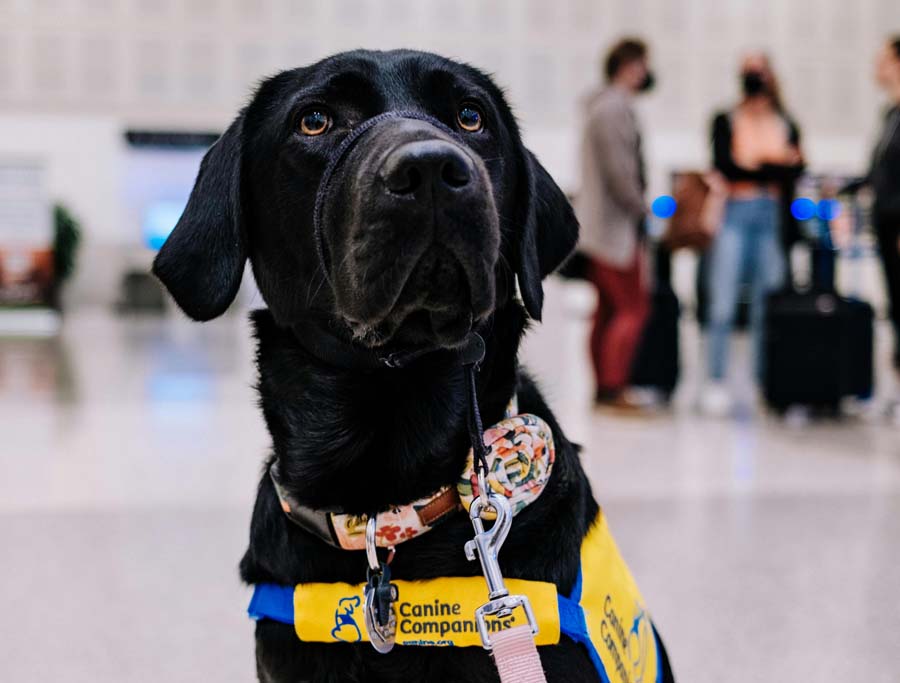
- Reduction in Symptoms of Anxiety and Depression: Numerous studies have found that interacting with therapy animals, such as dogs and cats, can lead to a marked decrease in anxiety and depressive symptoms. For example, a session involving a well-trained therapy dog may provide immediate relief through physical touch and companionship, allowing patients to express their feelings more freely.
- Increased Feelings of Comfort and Safety: Animals provide a non-judgmental presence, which can create a safe space for individuals to open up about their emotions. This is particularly beneficial in school settings, where children may feel more comfortable discussing their struggles when a furry friend is present.
- Enhanced Social Interactions and Communication Skills: For those with autism spectrum disorder or social anxiety, AAT can be a bridge to developing better communication skills. The presence of a therapy animal encourages interactions, promoting social engagement in a low-pressure environment.
- Improvement in Coping Strategies and Emotional Regulation: Engaging with therapy animals can help individuals learn grounding techniques and emotional regulation strategies. For instance, petting an animal can serve as a calming mechanism during high-stress moments.
- Boosted Motivation and Engagement in Therapeutic Activities: The incorporation of animals into therapy often makes sessions more enjoyable, motivating individuals to participate actively. This is especially relevant in rehabilitation scenarios, where patients might struggle to remain engaged in traditional exercises.
In the United States, various AAT programs have been implemented in hospitals, schools, and rehabilitation centers, creating a more relaxed atmosphere essential for healing. Programs like “Pets on Prowl” in hospitals not only aim to uplift the spirits of patients but also serve as a therapeutic mechanism for the healthcare providers involved.
Research continues to underline the positive outcomes of AAT, revealing how interactions with animals significantly enhance traditional therapeutic approaches. The psychology behind these dynamics showcases a unique bond that can pave new pathways for treatment and recovery, offering hope to many seeking to improve their mental wellbeing.
As public awareness of AAT grows, so does its potential in fostering emotional health. With increased acceptance and scientific backing, exploring the transformative power of this therapy may lead to more innovative practices in mental health care. Whether through direct interaction or as part of a structured therapeutic regimen, the companionship of animals holds significant promise for those in need.
DISCOVER MORE: Click here for essential cat training tips
Unraveling the Therapeutic Benefits of Animal Companionship
Animal-assisted therapy (AAT) transcends conventional treatment methodologies by fostering profound emotional connections between humans and animals, yielding a multifaceted approach to mental health care. One of the most significant outcomes of AAT is its ability to facilitate immediate relief from psychological distress, which can be especially beneficial during therapeutic appointments. Research has indicated that the presence of a therapy animal can enhance feelings of warmth and security, allowing patients to relax and engage more fully in the therapeutic process.
In recent years, an increasing body of research has shed light on the specific psychological benefits that arise from interactions with therapy animals. For instance, a study conducted by the University of Missouri found that merely petting a dog can lower levels of the stress hormone cortisol, while simultaneously increasing the release of oxytocin, often referred to as the “love hormone.” This physiological response can create an environment conducive to healing, significantly affecting mental health outcomes.
Key Psychological Benefits of Animal-Assisted Therapy:
- Lowered Blood Pressure: Patients interacting with therapy animals showed reductions in both systolic and diastolic blood pressure. These changes contribute to a sense of calm, further supporting emotional regulation in therapy sessions.
- Increased Motivation to Participate: The presence of a therapy animal often transforms the therapeutic experience, making it more appealing and less intimidating. As a result, patients, particularly children and those in rehabilitation, are more likely to engage actively in their treatment.
- Encouragement of Emotional Expression: For many individuals, particularly those who find conventional therapy challenging, animals can help break down emotional barriers. The love and affection offered by a pet can encourage patients to articulate feelings they might otherwise struggle to express.
- Connection and Companionship: AAT reduces feelings of isolation and loneliness by providing companionship. This is crucial for those suffering from depression, where social withdrawal is common. Therapy animals help bridge the gap in social connections, providing a comforting presence.
- Support for Trauma Recovery: Animal-assisted therapy is particularly effective for individuals who have experienced trauma. The unconditional love and loyalty displayed by animals can help restore trust, making it easier for patients to explore painful memories in a safe space.
As we delve deeper into the impact of AAT on mental health, it’s crucial to recognize that therapy animals are not mere tools but integral components of a therapeutic alliance. Their ability to provide emotional support complements traditional therapeutic practices, augmenting recovery in ways that conventional methods alone often cannot achieve. With further research and expanding programs throughout communities in the United States, the adoption of animal-assisted therapy could truly reshape the mental health landscape, offering a beacon of hope for those in need of emotional healing.
The Positive Impact of Animal-Assisted Therapy on Mental Well-Being
Animal-Assisted Therapy (AAT) harnesses the unique bond between humans and animals, paving the way for enhancing mental health significantly. This form of therapy employs trained animals, often dogs or cats, to assist individuals coping with emotional and psychological challenges. AAT has been recognized for its capacity to alleviate symptoms related to anxiety, depression, and trauma.
| Benefits of AAT | Therapeutic Aspects |
|---|---|
| Emotional Support | Animals provide unconditional love and companionship, enhancing emotional stability. |
| Reduced Anxiety | Interactions with therapy animals can lead to lower levels of cortisol, thus easing stress. |
| Improved Social Skills | Engagement with animals encourages social interaction, enhancing communication and connection with others. |
| Increased Motivation | Therapy sessions involving animals can motivate individuals to participate in activities and therapy. |
A recent study indicated that participants in AAT experienced a notable increase in overall happiness and contentment levels, emphasizing the profound impact such interactions can have on mental wellness. Additionally, therapy animals are often observed to create a calming environment, facilitating a more receptive state for therapeutic practices. As the field of mental health continues to evolve, understanding the significant role of Animal-Assisted Therapy can further the discourse around alternative treatment methods, inviting both professionals and individuals seeking mental health support to explore this enriching approach.
LEARN MORE: Click here for essential tips on choosing pet food
The Role of Animal Interactions in Therapeutic Settings
As we explore the role of animal interactions in therapeutic settings, it becomes evident that the incorporation of animal-assisted therapy (AAT) extends beyond physical benefits. The psychological implications of these interactions are profound, influencing not only the individual in therapy but also their families and communities. A significant aspect of AAT is its capacity to foster interpersonal connections, which can be particularly transformative for individuals struggling with severe mental health issues.
One of the unique advantages of AAT is its ability to create a non-judgmental environment. Therapy animals, due to their natural instincts, do not judge or criticize. This aspect can be a groundbreaking experience for individuals who have faced stigma or negative experiences within traditional therapeutic frameworks. Patients often report feeling more open and less inhibited when interacting with therapy animals, leading to more authentic expressions of emotion during sessions.
Enhancing Communication Skills
In addition to emotional comfort, therapy animals can serve as a bridge for improving communication skills. For children with autism spectrum disorder (ASD), for example, the presence of a therapy dog can enhance verbal and non-verbal communication skills. AAT offers a conversational partner who is patient and accepting, allowing children to practice and develop their communication abilities without fear of criticism. Research published in the Journal of Autism and Developmental Disorders indicates that engaging with therapy animals can lead to increased verbal interactions in children with ASD, demonstrating a tangible impact on their social development.
Therapeutic Activities and Engagement
The versatility of AAT can also be emphasized through its application in various therapeutic activities. Engaging in structured activities with animals—such as caring for, grooming, or training them—promotes executive function skills and enhances attention spans. Therapy dogs can participate in activities designed to challenge patients’ cognitive functioning, encouraging problem-solving and decision-making skills that are crucial in everyday life.
Success Stories from Various Populations
- Veterans and PTSD: Many veterans suffering from post-traumatic stress disorder (PTSD) have turned to AAT as a part of their recovery journey. Programs that match veterans with trained therapy dogs have shown to significantly reduce symptoms of PTSD, leading to improved coping strategies and increased emotional resilience.
- Children with Behavioral Disorders: In educational settings, therapy animals are being utilized to assist children with behavioral disorders. Schools have reported notable improvements in student behavior and academic performance when therapy animals are present, enhancing the overall learning environment.
- Older Adults: For elderly individuals, particularly those facing cognitive decline or loneliness in assisted living facilities, therapy animals provide companionship and stimulate memories through reminiscence therapy. Interaction with animals can evoke joy and reduce signs of anxiety and depression in this vulnerable population.
The potential for AAT to connect diverse communities is also noteworthy, as it promotes a culture of empathy and understanding among different age groups and backgrounds. It exemplifies how animal-assisted therapy can pave the way for innovative mental health interventions while reinforcing the essential truth that healing often occurs not just within the confines of an office but in genuine, compassionate interactions—whether between human and animal, or among fellow humans.
LEARN MORE: Click here to discover the benefits of socialization for your pets
Conclusion
In conclusion, the significance of animal-assisted therapy (AAT) in human mental health cannot be overstated. The array of benefits provided by the companionship and emotional support of therapy animals has transcended traditional treatment paradigms, offering an innovative and effective approach for individuals coping with a myriad of mental health challenges. From enhancing communication skills in children with autism to alleviating the burdens of PTSD in veterans, AAT has demonstrated its healing potential across diverse populations.
Furthermore, the underlying principles of AAT—such as creating a non-judgmental environment and fostering genuine emotional connections—encourage individuals to engage more openly with their feelings and therapeutic processes. These interactions not only promote individual healing but also strengthen familial and communal bonds, paving the way for improved overall societal well-being.
As mental health awareness continues to grow, integrating AAT into standard therapeutic practices presents an opportunity to enhance treatment efficacy and patient satisfaction. It ushers in a shift towards understanding that effective therapy can occur beyond conventional methods—where the power of empathy and connection, facilitated by our furry companions, becomes a cornerstone of the healing journey. Given its success stories and measurable impacts, AAT merits further exploration and incorporation into broader mental health frameworks, inviting an era where healing is defined by compassion, understanding, and partnership.