The Impact of Pet Care and Companionship on the Reduction of Stress and Anxiety in Pet Owners

Exploring the Benefits of Pet Companionship on Mental Health
In our modern society, characterized by rapid technological advancement and an ever-quickening pace of life, many individuals often find themselves overwhelmed by stress and anxiety. Among various solutions proposed by mental health experts, the companionship of pets emerges as a notably effective and accessible antidote to these prevalent challenges. A substantial body of research illuminates the profound link between pet care and enhanced mental well-being, demonstrating why more people are turning to furry friends for support.
- Emotional Support: Pets offer an invaluable source of unconditional love and affection. Their presence can be particularly comforting during difficult times, providing solace when individuals feel lonely or overwhelmed. For example, a simple session of cuddling with a dog or cat can significantly elevate one’s mood, creating a sense of security that aids in managing feelings of distress.
- Routine and Responsibility: Engaging in daily pet care activities, such as feeding, walking, and grooming, instills a sense of routine and responsibility. This structure can greatly enhance one’s mental state by providing daily goals and a sense of purpose, particularly for those who may be struggling with motivation. Studies suggest that the consistency of caring for a pet can improve overall mood and increase feelings of accomplishment.
- Social Interaction: The presence of a pet can act as a social catalyst, encouraging connections with fellow pet owners. Whether through dog parks or community pet-related events, these interactions can foster friendships and lessen feelings of isolation. For instance, attending a local dog training class not only benefits the pet but also provides an opportunity for the owner to meet like-minded individuals.
Evidence supports that time spent with pets can lead to physiological benefits as well. Research indicates that interaction with animals can result in lower cortisol levels—a hormone closely associated with stress—while concurrently boosting serotonin and dopamine levels, both of which are linked to feelings of happiness and well-being. Such benefits position pet ownership as a significant consideration for those exploring natural ways to alleviate anxiety.
- This phenomenon extends beyond the uncomplicated joy of companionship.
- It highlights the therapeutic potential of having a four-legged friend in one’s life.
- Both dogs and cats have been shown to play essential roles in enhancing mental health. For example, therapy dogs are often employed in clinical settings to help individuals cope with emotional challenges.
As pet ownership continues to rise across the United States, understanding the impact of pet care on mental health becomes increasingly crucial. This exploration not only benefits those who welcome pets into their homes but also provides mental health professionals with insights into holistic treatment options that can enhance traditional therapy approaches. By recognizing the profound benefits that pets can bring, society can better appreciate the role of these animals in promoting emotional well-being and fostering healthier, happier communities.
DISCOVER MORE: Click here to learn about the importance of behavioral training for dog socialization
The Therapeutic Effects of Pet Ownership
Research shows that pets can profoundly affect their owners’ emotional well-being. The concept of animal-assisted therapy has gained traction in recent years, reinforcing the idea that pets can provide more than companionship; they can serve as valuable tools for enhancing mental health. A growing number of studies demonstrate that individuals who partake in pet ownership tend to experience lower levels of stress and anxiety, ultimately fostering a greater sense of happiness.
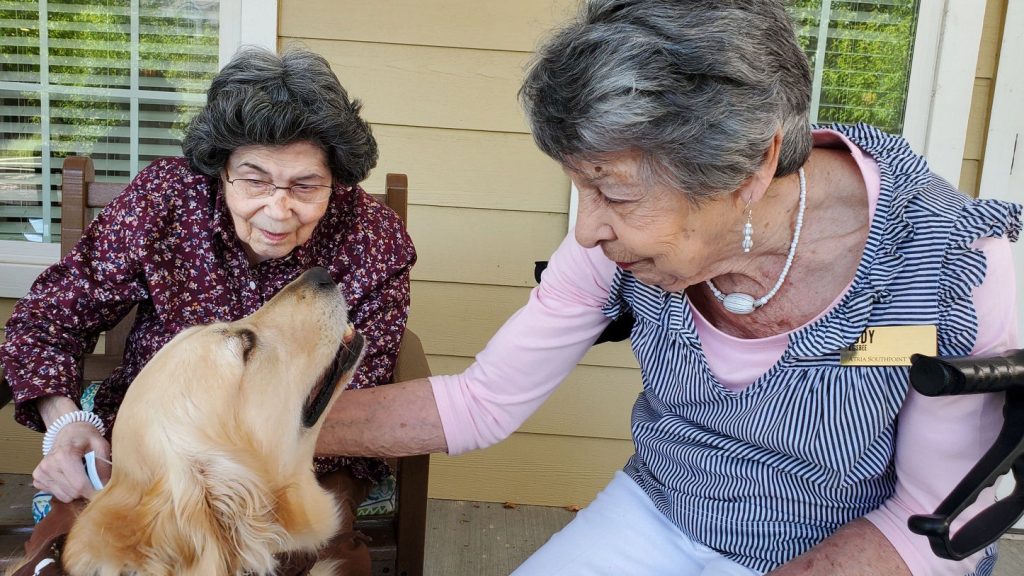
According to the American Psychological Association, pets adeptly provide emotional support to their owners, acting as a buffer against life’s stressors. Physical touch, such as petting a dog or brushing a cat, releases oxytocin in the brain—a hormone often referred to as the “bonding hormone.” This biochemical response not only helps to lower blood pressure and heart rate but also induces feelings of trust and emotional connection.
The Role of Pets in Daily Life
Incorporating pets into daily routines can create a vital framework for emotional continuity. For many, the simple act of caring for an animal fosters a heightened sense of responsibility and accomplishment. Here are several specific ways pet companionship can impact mental health:
- Mindfulness and Presence: Pets encourage their owners to engage in the present moment, diverting attention from worries and anxieties about the past or future. Walking a dog, for instance, provides a natural stimulus for mindfulness as owners focus on the sights and sounds of their surroundings.
- Physical Activity: Pet owners, especially dog owners, are more likely to remain active. The necessity of routine walks not only improves physical health but also promotes mental well-being by releasing endorphins—chemicals that help combat stress and anxiety.
- Unconditional Love and Acceptance: Pets offer an unmatched level of affection regardless of life’s ups and downs. This unconditional love serves as a reminder to pet owners that they are never alone, helping to reduce feelings of isolation.
- Routine and Stability: Routine is essential for reducing anxiety. Pets thrive on schedules and provide their owners with a structure that can lead to stability in their own lives, creating a rhythmic balance that many may find comforting.
The positive impact of pet companionship extends beyond emotional fulfillment. Research suggests that pet owners experience reduced symptoms of stress and anxiety, making it evident that the presence of a furry friend can be beneficial in managing mental health challenges. This synergy between pet care and mental well-being underscores the importance of considering pets in discussions surrounding stress reduction strategies.
As we continue to unravel the intricate relationship between pets and mental health, it becomes increasingly clear that the companionship they provide has far-reaching implications for emotional resilience and overall life satisfaction. In a society where stress and anxiety are rampant, the role of pets in our lives cannot be underestimated.
| Advantage | Description |
|---|---|
| Reduced Blood Pressure | Engaging with pets has been shown to lower blood pressure, promoting cardiovascular health and emotional stability. |
| Increased Physical Activity | Taking pets for walks or playing with them increases physical activity, which is closely linked to improved mood and decreased anxiety levels. |
Integrating pets into daily life not only fosters companionship but also actively contributes to mental well-being. The bond between pet owners and their pets can lead to significant reductions in stress levels, as studies have observed that interacting with animals can stimulate the release of endorphins, the body’s natural mood enhancers. This interaction creates a calming effect, often providing a momentary escape from daily pressures.Pet care routines, such as feeding, grooming, and exercising, instill a sense of responsibility and purpose in pet owners, providing distractions from their worries. Furthermore, the unconditional love and companionship offered by pets can significantly alleviate feelings of loneliness, thereby combating anxiety. Engaging with a pet also leads to social interactions with fellow pet owners, expanding one’s social network, which has been identified as an essential component in reducing stress.In conclusion, as we delve deeper into the relationship between pets and their owners, it becomes evident that the presence of a furry companion significantly impacts emotional wellness, creating a comforting environment that can stave off anxiety and stress.
LEARN MORE: Click here to discover what to expect in the adoption process
The Science Behind Pet-Induced Calmness
Pet ownership transcends mere companionship; it fundamentally alters our psychological landscape. Several studies have delved into the physiological and psychological mechanisms through which pets alleviate stress and anxiety in their owners. Understanding these mechanisms not only enriches our appreciation of pet care but also sheds light on innovative approaches to mental wellness.
One compelling area of research revolves around the biochemical responses triggered by pets. When interacting with animals, pet owners experience a significant reduction in levels of cortisol, a hormone closely associated with stress. A notable study published in the *Journal of Psychosomatic Research* found that individuals who interacted with dogs displayed lower cortisol levels compared to those who did not, suggesting that pet companionship may effectively counteract stress at a biochemical level. This physiological response underscores the benefits of pet ownership as a proactive measure against anxiety.
The Social Benefits of Pet Companionship
A profound but often overlooked aspect of pet ownership is the social connection it fosters. Pets naturally create social interactions, whether through encounters at dog parks or participation in pet-related events. For many pet owners, this sense of community serves as an additional buffer against isolation—a significant contributor to anxiety and depression. Studies indicate that pet owners tend to be more socially engaged, which correlates with improved mental health outcomes.
The bond between pet owners and their pets can also improve interpersonal relationships. Research highlights that pets can facilitate communication and emotional expression between family members, making them a source of comfort during challenging times. Particularly during crises, such as the COVID-19 pandemic, pets became vital support systems, offering unconditional love and consistency for individuals navigating unprecedented life changes. This connection can significantly enhance emotional resilience.
The Therapeutic Potential of Structured Pet Activities
Structured activities involving pets, such as obedience training, agility courses, or therapy dog programs, provide both exercise and mental stimulation for both the pet and the owner. Engaging in these activities allows individuals to shift their focus from their worries to their pet’s progress and needs. The goal-oriented nature of these activities creates a satisfying framework, reinforcing a sense of purpose. For example, veterans with PTSD have reported significant improvements in anxiety and mood after participating in programs that pair them with service dogs, illustrating the potential therapeutic effects of structured pet care.
- Increased Engagement and Motivation: When pet owners commit to training or participating in pet-related activities, they often find increased motivation to engage, which distracts from stress and cultivates a positive mindset.
- Non-Verbal Communication and Bonding: Engaging in structured activities fosters a deeper understanding between pets and their owners. This non-verbal communication enhances the emotional bond, contributing to reduced anxiety.
As understanding of the complexities of stress and anxiety in contemporary society expands, the impact of pet care and companionship on mental health becomes increasingly evident. Empirical data supports the narrative that the presence of pets significantly influences stress reduction and overall emotional health. Whether through biochemical responses, enhanced social engagement, or structured activities, pet ownership emerges as a promising avenue for fostering mental well-being.
LEARN MORE: Click here to keep your pet thriving
Conclusion: Embracing the Healing Power of Pets
In a world where stress and anxiety loom large, the role of pet care and companionship emerges as a beacon of hope and healing. The benefits of pet ownership extend far beyond the traditional notions of companionship, delving deep into the realms of psychological and emotional wellness. As documented by various studies, the presence of pets triggers biochemical responses that actively mitigate stress, while simultaneously enhancing social connectivity and interpersonal relationships among owners.
Moreover, engaging in structured pet activities not only fosters a strong bond between pets and their owners but also cultivates a supportive environment conducive to mental health. Activities such as obedience training and therapy programs concurrently provide much-needed engagement and distraction from daily stressors, highlighting the multifaceted therapeutic potential of animal companionship.
As we reflect on this profound understanding of how pets influence our mental well-being, it is evident that pet ownership can serve as a strategic ally in combating modern anxiety. Potential pet owners and mental health professionals alike are encouraged to embrace the insights of this growing body of research. Investing in the care of a pet could very well be a transformative step toward enhancing emotional resilience and reducing stress among individuals.
Ultimately, the conversation around the impact of pet care on mental health continues to unfold, inviting a deeper exploration into how our four-legged friends can contribute to a more balanced and fulfilling life. For anyone seeking solace in a time of turmoil, a pet may be the perfect companion to usher in peace and joy amidst the chaos.