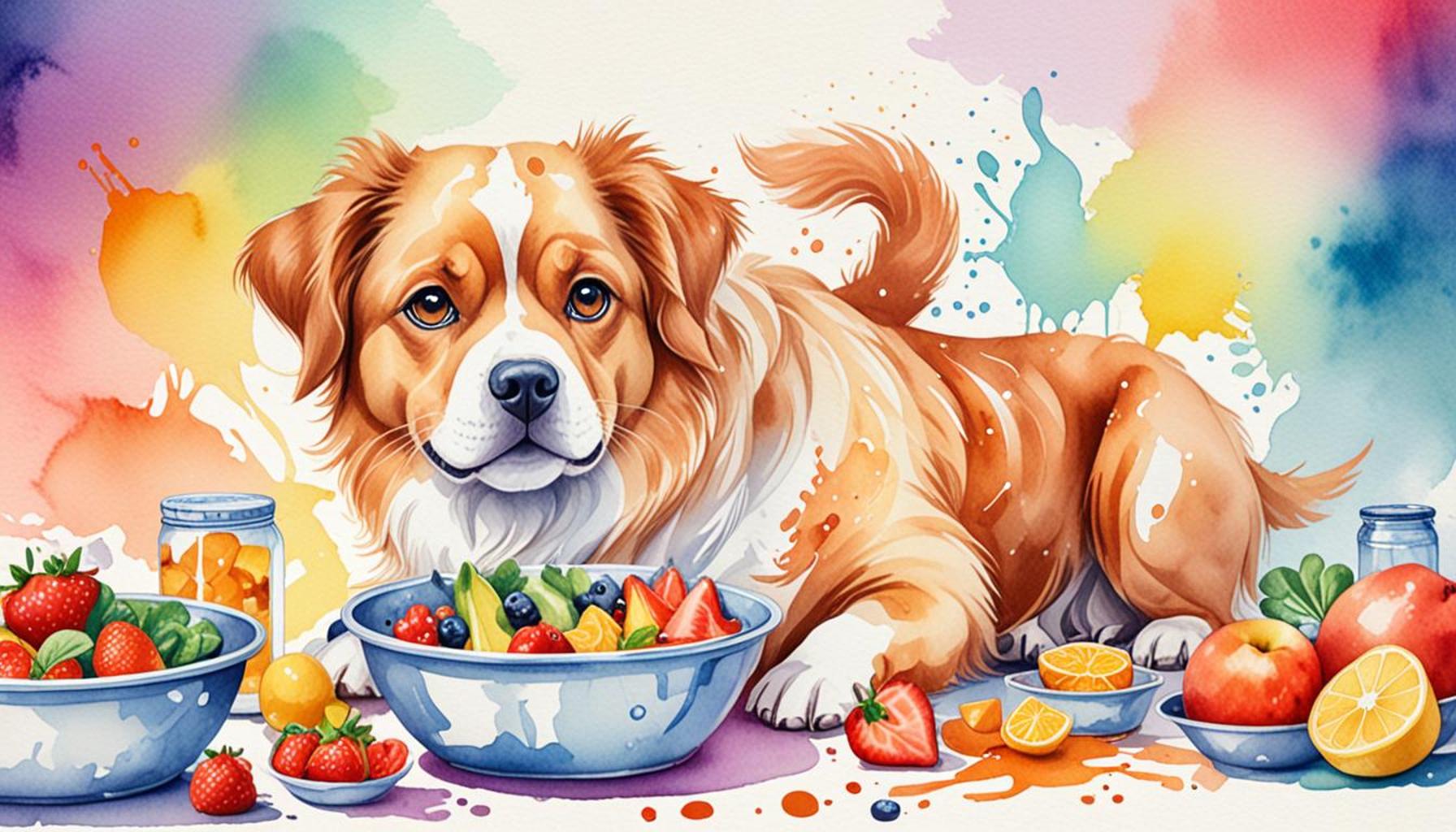
The Impact of Nutrition on the Dental Health of Pets

Dental Health and Its Nutritional Nuances
Proper nutrition plays a crucial role in maintaining not only the overall well-being of pets but also their dental health. Just like humans, pets require a balanced diet that supports strong teeth and healthy gums. Unfortunately, many pet owners overlook the specific dietary needs that can significantly impact their furry companions’ oral hygiene.
Understanding the relationship between nutrition and dental health requires examining several key components that contribute to a pet’s oral health.
Diet Composition
The right balance of nutrients is essential for preventing dental issues. Key nutrients that support dental health include calcium, phosphorus, and vitamin D, which play vital roles in building strong teeth and bones. A diet deficient in these minerals can lead to weakened enamel and increased susceptibility to cavities. For example, pet owners might consider fortified kibble that offers a higher mineral content or incorporate natural sources like lean meats and leafy greens that are rich in these essential nutrients.
Chewing Mechanism
Certain foods can help naturally clean teeth as pets chew. Crunchy kibble or dental chews are specifically designed to reduce plaque and tartar buildup during normal feeding. Products such as raw carrots or specially formulated dental treats can serve a dual purpose: providing nutrition and acting as a toothbrush. Dogs, with their tendency to chew, can naturally benefit from a diet incorporating these abrasive textures, which mechanically scrub their teeth while they enjoy their meal.
Hydration
Adequate water intake ensures saliva production, which is vital for oral health. Saliva helps to wash away food particles and neutralize acids produced by bacteria in the mouth. Pet owners should encourage their furry friends to drink more water by providing fresh, clean water at all times. For instance, some pet owners invest in pet water fountains, which keep water oxygenated and appealing. Wet food can also increase moisture intake and promote hydration, benefiting both the dog’s health and its dental health.

Poor dietary choices may lead to various dental problems such as tartar buildup, gum disease, and ultimately tooth loss. The Centers for Disease Control and Prevention (CDC) has highlighted that nearly 80% of dogs and 70% of cats show signs of dental disease by the age of three, underscoring the necessity of proactive dental care, which begins with proper nutrition. Educating yourself on the best nutrition options for your pet can significantly minimize these risks. With so many pet food options available in the United States, ranging from premium brands to specialized veterinary diets, it can be overwhelming; however, understanding the direct effects of what your pet consumes can pave the way for a brighter, healthier smile.
DIVE DEEPER: Click here to learn all about the adoption process
Essential Nutrients for Optimal Dental Health
Nutrition is foundational to not only overall health but also plays a pivotal role in sustaining dental health for pets. A well-rounded diet that is rich in vital nutrients can greatly aid in preventing common oral issues such as plaque buildup, gum disease, and tooth decay.
Key Nutrients to Consider
When evaluating the impact of diet on a pet’s dental health, certain nutrients should be prioritized:
- Calcium: This mineral is crucial for developing and maintaining strong teeth and bone structure. It helps in the formation of enamel and plays a significant role in preventing tooth decay.
- Phosphorus: Working in harmony with calcium, phosphorus is vital for the proper mineralization of teeth. A balanced ratio of calcium to phosphorus in a pet’s diet facilitates optimal dental health.
- Vitamin D: Often referred to as the “sunshine vitamin,” vitamin D aids in calcium absorption, ensuring that teeth and bones get the nutrients they require for durability.
- Omega-3 Fatty Acids: Found in fish oil and certain plant oils, these fatty acids have anti-inflammatory properties that can help combat gum disease in pets.
- Antioxidants: Vitamins C and E can support the immune system, helping to fight off infections that could affect oral health.
Incorporating foods rich in these essential nutrients can go a long way in protecting pets against dental diseases. High-quality pet foods often contain these ingredients, but pet owners should also consider supplementing with natural food options like lean proteins, leafy greens, and seeds that can enhance a canine or feline diet.
Implementing Nutrition into a Daily Routine
Feeding your pet a balanced diet is not just about providing the right nutrients; it’s also about moderating their food variety and ensuring they’re eating appropriately for their specific breed, age, and health status. Regular consultations with a veterinarian can help tailor a diet plan that aligns with these factors.
For instance, pet owners can look at the texture of pet food, as crunchy kibble can effectively scrape off plaque during the chewing process. This mechanical action plays a significant role in dental health, much like brushing teeth does for humans. Pet owners should aim to provide:
- High-quality dry kibble or dental treats specifically designed for oral care.
- Fresh vegetables like carrots or apples, which can double as dental snacks.
- Wet food options, which can help maintain hydration and provide a softer texture.
Beyond just proper nutrition, a pet’s dental health is also influenced by lifestyle factors, including regular veterinary check-ups, at-home dental care routines, and even the natural behaviors associated with chewing and playing. Understanding and prioritizing these elements can lead to healthier and happier pets, significantly minimizing the risks associated with dental diseases.
Understanding the connection between nutrition and dental health is vital for pet owners aiming to enhance their pets’ overall well-being. Nutrition plays a crucial role in maintaining strong teeth and healthy gums, as what pets consume directly influences their oral health. For example, a balanced diet rich in calcium and phosphorus contributes significantly to strong tooth enamel and prevents periodontal disease. It is essential to recognize that not all pet foods are created equal; some may lack necessary nutrients, leading to dental decay and gum illness.
Additionally, specific ingredients in pet foods can help mechanically clean teeth through chewing. Crunchy kibble and dental treats with a textured surface can reduce plaque build-up, providing an added benefit beyond regular brushing. Professional dental care, combined with proper nutrition, can create a holistic approach to maintaining optimal dental health in pets.
Moreover, pet owners should be aware that sugary or starchy foods can lead to plaque formation and tartar buildup, posing significant risks to oral health. Educating oneself about obesity’s link to dental disease is also essential, as overweight pets may suffer from more pronounced dental issues. Regular veterinary check-ups and consultation can help ensure that their furry companions receive appropriate dietary recommendations tailored to their individual health needs.
| Category | Advantages |
|---|---|
| Nutritional Balance | Promotes strong teeth and prevents oral diseases. |
| Mechanical Cleaning | Helps minimize plaque buildup through chewing. |
Adopting nutritious practices not only enhances dental health but also leads to a happier, healthier pet overall. By prioritizing a well-rounded diet, pet owners can significantly impact their pets’ quality of life.
DISCOVER: Click here to learn how pets can boost your mental well-being
Understanding the Link Between Diet and Oral Diseases
To fully grasp how nutrition impacts a pet’s dental health, it is critical to understand the mechanisms behind oral diseases. Most dental problems stem from a combination of factors, including the formation of plaque, which is a sticky film of bacteria that accumulates on teeth. If left untreated, plaque hardens into tartar, leading to more severe issues such as gingivitis and periodontal disease.
The Role of a Balanced Diet
A well-balanced diet minimizes the risk of these dental issues by limiting the accumulation of plaque and providing essential nutrients that encourage healthy oral tissues. For instance, diets high in simple sugars can contribute to plaque formation, while a diet rich in crunchy foods can mechanically remove plaque as pets chew. Studies suggest that dogs and cats that consume a primarily dry food diet exhibit less plaque buildup than those fed wet food. This observation highlights the value of examining dietary textures and components.
Moreover, research conducted by veterinary dental experts has indicated that pets on specialized dental diets showed significant improvements in oral health compared to those on standard pet foods. The inclusion of unique ingredients, such as polyphosphates, in some commercial dog foods can help inhibit the mineralization of tartar. These additives work by binding to calcium in the mouth, thereby minimizing the potential for calculus formation.
Impact of Treats on Dental Hygiene
Treats play a sizable role in maintaining dental health, provided they are chosen wisely. Pet owners should look for dental chews that are specifically formulated for cleaning teeth. These products often have a texture designed to scrub the teeth as pets chew, similar to how a toothbrush works. Some options even contain enzymes that help break down plaque and freshen breath.
- Raw bones: While they can provide nourishment and dental benefits, it is vital for pet owners to ensure they provide safe bone options, such as those that are raw and large enough to prevent choking.
- Dental gels and water additives: These products can enhance the rinsing process of the mouth and reduce plaque formation, providing an additional layer of dental care.
In addition to treats and food, seeking out vet-recommended dental products can also contribute to better oral hygiene. Regular dental care products can further assist in managing oral bacteria and maintaining healthy gums. These products often come in the form of pastes and rinses specifically designed for pets.
Behavioral Considerations
A pet’s behavior has implications for their dental health as well. The act of chewing is essential for proper dental care, and owners can encourage this instinct by offering safe, appropriate chew toys. Dogs, in particular, are known to enjoy a variety of textures, making it imperative to provide options that differ in hardness and size to promote healthy chewing habits.
In summary, the relationship between nutrition and dental health in pets extends beyond mere dietary choices. It encompasses understanding the functional aspects of food, appropriate dental products, and maintaining healthy chewing behaviors. All these factors together forge a comprehensive strategy for promoting optimal oral health in pets, ensuring they not only live longer but also enjoy a more vibrant life free from the discomfort of dental diseases.
DISCOVER MORE: Click here to find out about balanced nutrition for your pet’s health.
Concluding Thoughts on Nutrition and Pet Dental Health
In conclusion, the intricate connection between nutrition and the dental health of pets cannot be overstated. As demonstrated throughout this article, a well-structured diet plays a pivotal role in preventing oral diseases and promoting overall wellness. The careful selection of pet foods, emphasizing balanced nutrients and appropriate textures, serves to discourage plaque formation while enhancing the health of oral tissues.
Moreover, incorporating dental chews and vet-recommended dental products can significantly bolster your pet’s dental hygiene, providing mechanical cleaning and reducing harmful bacteria. These efforts, coupled with mental stimulation from chewing behaviors, create an environment conducive to maintaining optimal dental health.
It is crucial for pet owners to not only focus on the dietary components of their pets’ meals but also consider the inclusion of specialized dental diets and dental treats tailored to support oral care. Regular veterinary check-ups remain essential; they offer opportunities for professional cleaning and tailored dental advice. By prioritizing nutrition as a foundational element of pet care, owners can contribute to longer, healthier lives for their furry companions, free from the discomfort associated with dental issues.
As you reflect on your pet’s diet, take a proactive approach to their dental health and consider the potential for enhanced quality of life. Investing time in understanding the nutritional needs of your pet leads to informed choices that ultimately pay off in vibrant health and happiness for your beloved four-legged friend.