
The Impact of Low-Carbohydrate Diets on Pet Health

Understanding the Shift in Pet Nutrition
Pet owners across the United States are increasingly exploring the benefits of low-carbohydrate diets for their furry companions. With a growing body of research, many are asking: How do these diets impact pet health?
Low-carbohydrate diets, once celebrated for their benefits in human nutrition, have sparked interest for pets as well. This shift can be attributed to several compelling factors that highlight the potential advantages of reducing carbohydrates in pet food.
- Weight Management: Obesity is a significant issue among pets, with estimates suggesting that over 50% of dogs and cats in the United States are overweight or obese. Low-carbohydrate diets can help combat this epidemic by promoting a healthy weight through reduced calorie intake. Pets fed low-carb diets often experience steady weight loss and improved body condition scores, translating to a longer and healthier life.
- Improved Energy Levels: One of the appealing aspects of a low-carb diet is the potential for more stable energy levels throughout the day. Dogs and cats that consume lower levels of carbohydrates may not experience the sugar spikes and crashes commonly associated with higher carbohydrate diets. This may lead to a more energetic and balanced pet, enabling them to be more playful and engaged.
- Digestive Health: Many owners report that their pets have better digestion after switching to a low-carb diet, primarily due to lower grain content. Grains can sometimes lead to gastrointestinal distress in pets, causing issues such as bloating or flatulence. A focus on proteins and healthier fats may enhance nutrient absorption and lead to firmer stools.
As more studies emerge, the dialogue around pet nutrition intensifies. Understanding the implications of a low-carb approach can empower owners to make informed decisions. However, the journey toward optimizing pet health through diet isn’t without its complexities.
Yet, the benefits are countered by potential challenges, including:
- Nutritional Balance: Ensuring all dietary needs are met can be tricky. It’s vital for pet owners to select foods that provide a complete nutrient profile without excessive carbohydrates. Nutritional imbalances can lead to deficiencies or excesses, impacting a pet’s overall health.
- Individual Needs: Every pet has unique dietary requirements based on their age, breed, and health status. For instance, puppies and kittens might require more carbohydrates for growth compared to adult dogs and cats. Hence, personalized dietary adjustments are critical.
- Veterinary Guidance: Consulting with professionals is crucial when altering your pet’s diet. A veterinarian can help determine if a low-carb diet is appropriate for your pet’s specific health needs and guide you toward suitable food choices.
Exploring the impact of low-carbohydrate diets on pet health reveals a nuanced topic worth examining closely. This article will delve deeper into the potential benefits and risks associated with low-carb diets, offering insights for conscientious pet owners committed to optimizing their companions’ health. By weighing the pros and cons and consulting with experts, pet owners can ensure they are providing the best possible nutrition for their beloved animals.
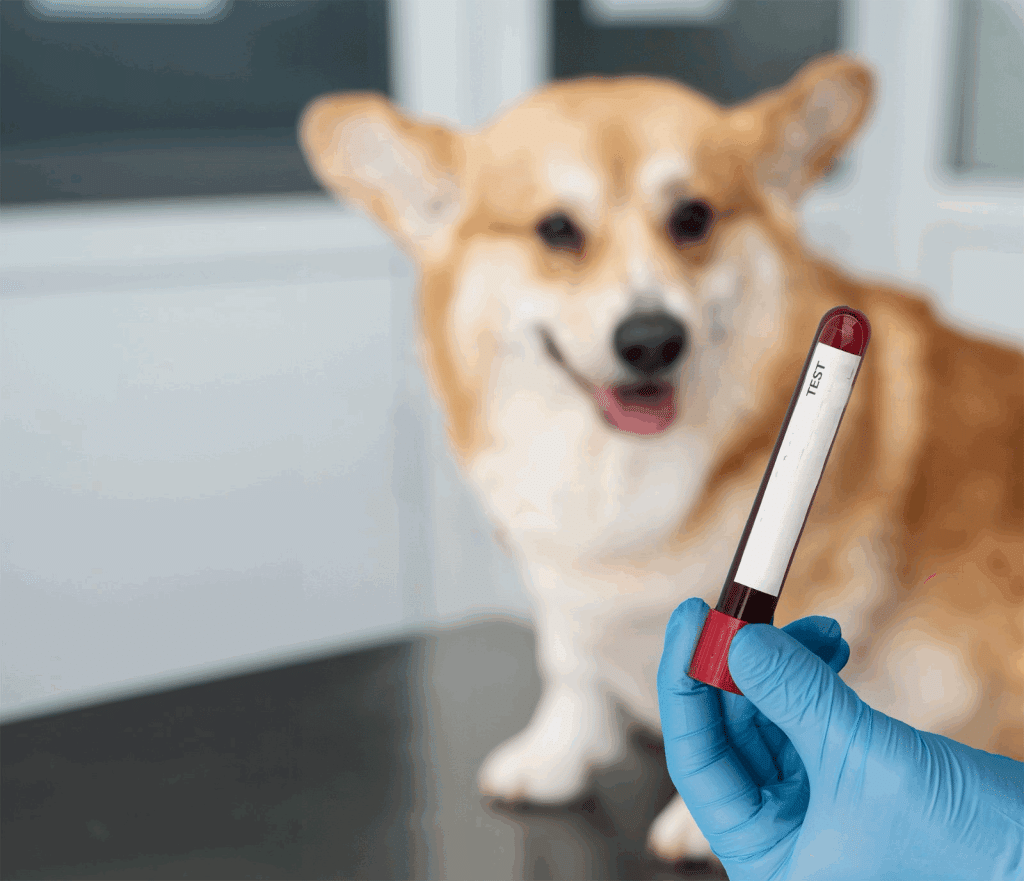
Evaluating the Benefits of Low-Carbohydrate Diets
The transition to a low-carbohydrate diet for pets has become a focal point for many pet owners aiming to enhance their companions’ overall health. Advocates of these diets point to a range of potential benefits that can significantly impact a pet’s well-being. To understand the impact of low-carbohydrate diets on pet health, it is essential to dissect the advantages that these dietary shifts may offer.
- Weight Loss and Maintenance: Excess weight in pets is more than just a cosmetic concern; it is a health risk that can lead to serious conditions such as diabetes, joint problems, and heart disease. Low-carbohydrate diets, high in protein and good fats, can facilitate effective weight loss by keeping pets satiated without overloading them with calories. Studies suggest that pets on these diets often achieve and maintain a healthy weight more efficiently, which can enhance longevity and quality of life.
- Reduced Risk of Diabetes: Just as carbohydrates play a pivotal role in human diabetes management, they can similarly affect diabetic pets. Lowering carbohydrate intake may help stabilize blood glucose levels in affected animals. A study conducted in 2020 noted that dogs with diabetes were better able to manage their insulin levels and avoid dangerous sugar spikes when fed lower carb diets, making this an important dietary consideration.
- Cardiovascular Health Improvement: Heart disease is another major health concern, especially among dog breeds predisposed to such conditions. Many commercial pet foods are laden with fillers and high-carbohydrate content which may contribute to obesity and its complications. Low-carb diets, rich in protein and healthy fats, can help promote heart health by reducing fat accumulation around vital organs and supporting a healthier cholesterol profile.
- Agility and Activity Levels: Many pet owners report that their animals demonstrate increased stamina and vitality after switching to a low-carbohydrate diet. This could be due to the absence of carbohydrate-induced energy fluctuations, allowing for a more steady and sustained energy release. An agile pet is not only happier but is also more likely to engage in regular exercise, further promoting health.
While the benefits are clear, it is crucial for pet owners to recognize that not all low-carbohydrate diets are created equal. The quality of ingredients is paramount; low-carb options containing high-quality protein sources and healthy fats should be prioritized over those that include low-grade fillers. Additionally, during this dietary evolution, owners must monitor their pets closely for any signs of dietary distress or nutritional deficiencies.
By comprehensively evaluating both advantages and specific dietary needs, pet owners can make informed choices that align with their pets’ health goals. It’s essential to consult with a veterinarian, who can assist in tailoring a low-carb diet appropriate for each pet’s individual requirements, ensuring that one of the most vital aspects of pet care—nutrition—is not compromised.
As this exploration unfolds, understanding the impact of low-carbohydrate diets on pet health is not only about recognizing potential benefits but also navigating through concerns and considerations that arise in the realm of pet nutrition. The goal remains clear: providing furry companions with the nutrients they need for a vibrant and healthy life.
The Impact of Low-Carbohydrate Diets on Pet Health
As pet owners become increasingly aware of dietary influences on their furry friends’ health, the role of low-carbohydrate diets has garnered significant attention. These diets are designed to closely mimic the nutritional profiles of ancestral diets, emphasizing protein and healthy fats while drastically reducing carbohydrate intake. One of the primary advantages of such diets is weight management. Studies suggest that low-carb diets can lead to substantial weight loss in pets, which may alleviate obesity-related health issues such as diabetes and joint problems.
Moreover, it’s essential to consider how low-carb diets can enhance energy levels in pets. By shifting the metabolism from relying predominantly on glucose to utilizing fats for energy, pets can experience consistent and stable energy throughout the day, resulting in increased activity levels and improved overall mood.
Another advantage is their potential impact on specific health conditions. For instance, veterinarians have observed promising results in pets with diabetes mellitus. Low-carb diets help regulate blood sugar levels, reducing insulin spikes and providing a more balanced energy release. This contributes to overall endocrine health and can improve the quality of life for affected animals.
With these benefits in mind, the growing interest in understanding the long-term effects of low-carbohydrate diets on pet health has prompted numerous studies and discussions among pet nutritionists and veterinarians alike. Recognizing that proper nutrition is fundamental to enhancing your pet’s well-being can lead to informed choices that promote a healthier, happier companion.
| Advantages | Description |
|---|---|
| Weight Management | Helps reduce obesity-related health issues and promotes a healthier weight. |
| Stable Energy Levels | Supports a steady release of energy, enhancing activity and mood. |
| Improved Blood Sugar Regulation | Aids in managing diabetes through lower insulin spikes. |
Addressing Potential Concerns and Considerations
While the impact of low-carbohydrate diets on pet health presents numerous benefits, it is essential to approach these dietary changes with a cautious eye towards potential concerns. As with any significant alteration in pet nutrition, understanding the implications is vital for safeguarding their overall health.
- Nutritional Balance: One of the primary considerations when shifting to a low-carb diet is ensuring that pets receive a balanced nutritional profile. Low-carbohydrate diets can sometimes lack essential nutrients if not carefully executed. It’s crucial for pet owners to consult with a veterinarian or a pet nutritionist to formulate a diet plan that includes essential vitamins, minerals, and dietary fibers. For example, including sufficient amounts of leafy greens or low-carb vegetables can help provide antioxidants and necessary fiber, promoting digestive health.
- Allergy and Sensitivity Issues: Just as humans can develop sensitivities to specific foods, so can pets. Low-carbohydrate diets often replace carbs with novel protein sources such as duck, rabbit, or fish. While these alternatives can be fantastic protein sources, they may also pose risks for pets with allergies to these ingredients. Pet owners should be vigilant and monitor their pets for any allergic reactions, including gastrointestinal distress or skin irritations, after transitioning to a new diet.
- Digestive Health: The reduction of carbohydrates in a pet’s diet can also impact gut health. Some animals may experience a change in their digestive processes, particularly during the initial transition period. The shift to a low-carb diet can sometimes lead to gastrointestinal upset, including diarrhea or constipation. Gradual introduction of the new diet, along with supplementary probiotics, can help maintain a healthy gut flora and ease this transition.
- Individual Variation: Not every pet will respond the same way to a low-carb diet. Factors such as breed, age, health conditions, and activity level can influence how well a pet adapts to dietary changes. For instance, active breeds may thrive on a higher protein intake, while older pets with certain health concerns may require a more moderated approach. Individualized dietary assessments are essential for determining how low-carb options impact each pet’s unique metabolic requirements.
- Cost Considerations: High-quality low-carbohydrate pet foods may come with a higher price tag compared to traditional options. Pet owners must weigh the benefits against the financial commitment of sustained dietary changes, potentially opting to prepare homemade or raw diets. While these can be tailored to ensure quality ingredients, it’s crucial to research recipes that meet the nutritional standards needed for completeness.
Overall, while low-carbohydrate diets can significantly benefit many pets, informed decision-making is necessary to mitigate potential risks. Engaging with veterinary professionals throughout the dietary transition not only maximizes the benefits of these diets but also helps in addressing any concerns that may arise, fostering a harmonious and healthy dietary experience for pets.
The exploration into the impact of low-carbohydrate diets on pet health shows promise; yet, it is a journey that requires diligence, understanding, and, above all, a commitment to personalized pet care.
Final Thoughts on Low-Carbohydrate Diets and Pet Health
In summary, the impact of low-carbohydrate diets on pet health is a multifaceted issue that warrants careful consideration from pet owners. While the switch to lower carb options may offer advantages such as weight management and improved energy levels, it is critical to navigate this dietary landscape with informed awareness. Understanding each pet’s specific nutritional needs is paramount to ensuring a balanced intake that supports their overall well-being.
As we have discussed, achieving nutritional balance, evaluating potential allergy and sensitivity issues, and carefully monitoring digestive health are essential steps in this dietary transition. Moreover, recognizing the individual variation among pets will help owners tailor their approach, making sure that any low-carb regimen is not only beneficial but also sustainable.
Additionally, incorporating cost considerations is vital for pet owners, as high-quality low-carb pet foods could demand a higher financial investment. Whether choosing commercial options or preparing homemade meals, the emphasis should always remain on providing a diet rich in necessary nutrients.
Ultimately, the journey towards adopting a low-carbohydrate diet for pets is not just about making a dietary choice; it represents a commitment to lifelong health and wellness. Engaging with veterinary professionals and staying vigilant about potential challenges will enhance the experience of this dietary path, translating into happier, healthier pets. Therefore, those considering a low-carb nutritional shift should do so with careful planning, extensive research, and a willingness to adapt, ensuring their furry companions thrive.