
The Impact of Environmental Enrichment on the Mental Health of Pets

Understanding the Importance of Environmental Enrichment
In today’s fast-paced world, our pets often find themselves in environments that can lead to boredom and stress. This is where environmental enrichment plays a crucial role in enhancing their quality of life. When pets lack stimulation, they may develop undesirable behaviors such as excessive barking, chewing, or even signs of depression. Therefore, enriching their environment is not just about fun; it is essential for their overall health and happiness.
Environmental enrichment refers to the process of providing animals with stimulation to promote their natural behaviors. This can have a profound effect on their mental health. For instance, dogs are social creatures that thrive on activities involving their human companions. Incorporating activities like agility training or obedience games can foster a strong bond while keeping them engaged. Cats, on the other hand, may benefit from climbing structures, scratching posts, and even interactive laser toys, which mimic their natural hunting instincts.
Key Benefits of Environmental Enrichment
- Reduces Anxiety: Engaging activities help decrease feelings of fear and anxiety in pets. For example, providing a variety of toys that they can explore or chew on can divert their attention from stressors in their environment.
- Promotes Physical Activity: Options like toys and interactive games encourage movement, which is vital for your pet’s well-being. Regular activities such as fetch or tug-of-war can enhance cardiovascular health and maintain a healthy weight.
- Stimulates Cognitive Skills: Puzzles and problem-solving tasks keep their minds sharp. Toys that require pets to work for their treats can stimulate their mental faculties, which is as important as physical exercise.
By introducing various environmental factors, such as social interaction and sensory experiences, pet owners can significantly mitigate behavioral issues. For example, arranging playdates for dogs or providing a window perch for cats enhances their social experiences and offers mental stimulation from watching the outside world. This leads not only to a decrease in anxiety and stress levels but ultimately to healthier, happier pets.
As you dig deeper into how enrichment materials and activities can transform your pet’s home life, remember that the bond you share is key to their overall happiness. Investing time in interactive play, exploring new walking routes, or even engaging in training sessions can make a profound difference. So, take the time to discover various methods to foster an environment conducive to thriving mental health for our beloved companions.
DISCOVER MORE: Click here to learn about the importance of socialization for your pet’s happiness
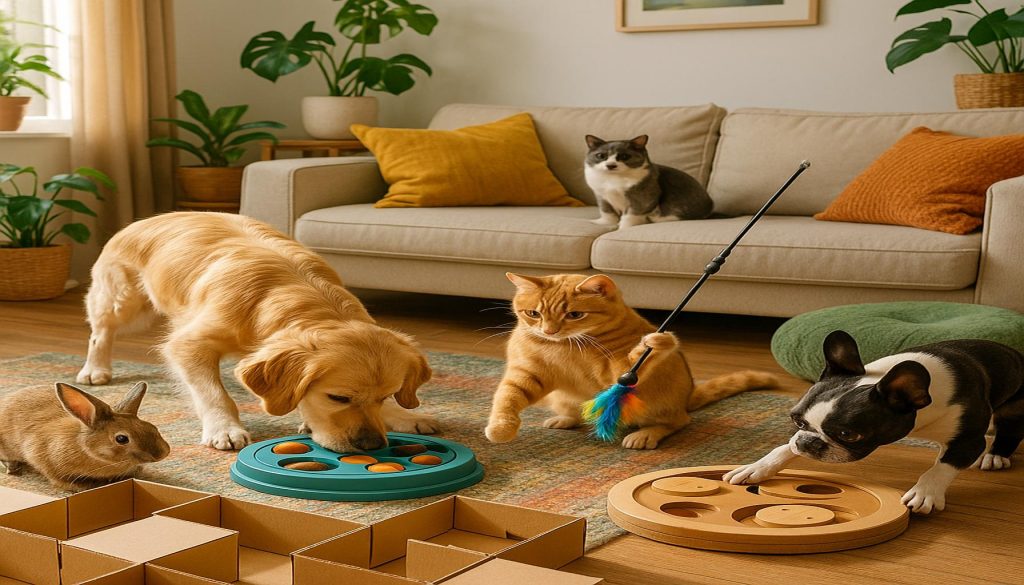
The Connection Between Environmental Enrichment and Mental Well-Being
The benefits of environmental enrichment on the mental health of pets extend far beyond mere entertainment. By fostering an environment that encourages exploration and engagement, pet owners can significantly enhance their companions’ emotional and cognitive health. Pets are inherently curious animals, and when they are unable to express that curiosity, it can lead to a range of behavioral problems and mental health issues.
Research consistently indicates that enriched environments can lead to a marked decrease in anxiety-related behaviors among pets. For example, a study published in the Journal of Veterinary Behavior highlights that dogs in enriched environments exhibited less aggression and stress than those in more sterile settings. This observational data suggests that providing interactive toys, varied textures, and complex scents can enrich a pet’s surroundings and foster a sense of security.
Moreover, understanding the unique needs of different species is key. For dogs, activities that allow for both physical and social stimulation are critical to their mental health. Group training sessions or dog parks offer essential opportunities for dogs to socialize, which can diminish feelings of isolation and contribute to emotional stability. Similarly, cats thrive on opportunities to express their natural hunting instincts. Toys that encourage stalking, pouncing, and climbing can transform a static home into an active playground, benefiting both their mental and physical states.
Different Types of Environmental Enrichment
- Physical Exercise: Activities that require physical movement, from tug-of-war games to fetch, can prevent obesity and improve cardiovascular health while keeping pets engaged.
- Sensory Stimulation: Introducing diverse textures, sounds, and smells can pique curiosity. For instance, scatter feeding—where pets forage for their food—utilizes their natural instincts and keeps them mentally engaged.
- Cognitive Challenges: Puzzle toys or treat-dispensing toys provide mental stimulation that keeps pets’ minds sharp. These activities require pets to think critically and problem-solve, enhancing their cognitive skills.
By implementing such diverse enrichment options, pet owners can create a more fulfilling life for their furry friends. Incorporating simple changes, like rotating toys, introducing new scents around the house, or setting up obstacle courses, can make a lasting difference in their pets’ mental health. In doing so, pet owners are not only promoting a happier, healthier companion but also enhancing the profound bond they share.
Ultimately, the careful consideration of how to engage and enrich an animal’s life is paramount. In a world where many pets may experience confinement or limited interaction, their mental health hinges on our ability to provide varied, stimulating environments tailored to their specific needs. Recognizing the signs of stress and boredom in pets will aid in creating an enriching habitat that supports their well-being and happiness.
| Advantages | Details |
|---|---|
| Enhanced Cognitive Skills | Environmental enrichment stimulates pets’ minds, leading to improved problem-solving skills and increased adaptability to new situations. |
| Reduction in Stress and Anxiety | Engaging environments can lower levels of stress hormones and promote relaxation, which is especially beneficial for pets with a history of anxiety-related behaviors. |
The advantages of environmental enrichment are numerous, providing substantial benefits to the mental health of pets. Studies have shown that enriched environments can lead to notable improvements in both physical and psychological well-being. It encourages pets to engage in natural behaviors, such as scratching, exploring, or playing, which can prevent the onset of behavioral issues often linked to boredom or confinement.Moreover, incorporating diverse stimuli—from interactive toys to social playdates—can foster a greater quality of life for pets. It emphasizes not just meeting basic needs but also promoting emotional stability and contentment. With increasing attention to this subject, it becomes vital for pet owners to consider how they can better structure their pets’ environments to support their overall well-being. This encourages further exploration into the various ways to enrich pets’ lives while addressing their unique psychological needs.
DISCOVER MORE: Click here to learn how pets enhance your well-being
Enhancing Emotional Resilience Through Enrichment
The concept of environmental enrichment extends far beyond providing pets with toys and engaging activities; it embodies a holistic approach to fostering emotional resilience. For many pets, especially those adopted from shelters or rescue organizations, the transition to a new home can be fraught with anxiety and uncertainty. An enriched environment eases these transitions by instilling a sense of safety and stability, fortifying their mental health against potential stressors.
One of the most critical aspects of environmental enrichment is the promotion of routines and predictable schedules. Regular feeding times, exercise routines, and play sessions contribute to a structured environment that not only satisfies pets’ physical needs but also provides a comforting social context. A study in the Journal of Animal Welfare highlighted that animals with established routines exhibited fewer signs of anxiety and destructive behaviors. This stability creates not just a safer space, but one where pets feel secure enough to explore their surroundings.
The Role of Interactive Play
Interactive play is another vital component of environmental enrichment that significantly impacts pets’ mental health. Engaging in playtime not only provides pets with physical exercise but also strengthens social bonds between pets and their owners. Games such as hide and seek, fetch, or even simple tug-of-war can stimulate both mental and physical well-being. According to a report published by the American Pet Products Association, pets that participate in regular interactive play are less likely to demonstrate signs of anxiety and behavioral problems.
Moreover, pets are not isolated individuals; they thrive on social interactions. For example, dogs are pack animals and often require companionship to thrive. A playdate with other dogs or a day at the dog park can mitigate feelings of loneliness and enhance their overall well-being. Similarly, cats benefit from social interactions, whether through play with their human companions or with other feline friends, reinforcing the importance of facilitating these playful encounters.
Implementing Technological Advances in Enrichment
As technology continues to advance, innovative gadgets designed for pet enrichment are entering the market, offering even more opportunities to boost mental health. Interactive pet cameras and treat dispensers provide remote engagement, allowing pet owners to play with and reward their pets even when they are not at home. These devices not only entertain pets but also help alleviate separation anxiety, paving the way for a more content and mentally stimulated pet. A recent survey by the Pet Industry Market Size Report found a growing trend among pet owners investing in technology that promotes enrichment, underscoring a collective understanding of its importance.
Additionally, incorporating activities like scent work—where pets are trained to find treats or toys through scent—utilizes their natural instincts and significantly impacts their mental health. Studies indicate that scent work can lower stress levels in pets and provide an enriching experience that taps into their innate abilities.
Ultimately, pet owners who prioritize environmental enrichment not only enhance the quality of life of their furry friends but also promote a deeper understanding of their emotional and behavioral needs. By recognizing the importance of play, routine, and even technology, they can create an engaging habitat conducive to mental well-being, setting the stage for a fulfilled and emotionally balanced companion.
DIVE DEEPER: Click here to discover inspiring transformations
Conclusion: The Importance of Environmental Enrichment
In conclusion, the impact of environmental enrichment on the mental health of pets cannot be overstated. Through the careful implementation of structured routines, encouraging interactive play, and leveraging technological innovations, pet owners have the ability to transform their companions’ lives significantly. The documented benefits, including reduced anxiety, improved emotional resilience, and enhanced social interactions, illustrate the profound relationship between an enriching environment and the overall well-being of our furry friends.
Studies consistently highlight that pets thriving in stimulating environments are not only healthier but also develop stronger bonds with their human caregivers. Enrichment fosters not just physical engagement but also mental stimulation, ameliorating common behavioral issues that arise from boredom or loneliness. The integration of activities such as scent work caters to pets’ natural instincts, further contributing to a fulfilling life.
Moreover, as technology continues to evolve, pet owners have access to an array of tools that facilitate enrichment, catering to pets’ needs even in their absence. This development reflects a significant cultural shift toward understanding and prioritizing the mental health of pets, leading to happier and emotionally balanced companions.
The imperative for pet owners is clear: prioritizing environmental enrichment is essential for nurturing not just the body of a pet, but their mind as well. By adopting these practices, we ensure that our pets lead enriched, fulfilling lives, ultimately deepening the bond we share with them. As we move forward, let us continue to explore, implement, and advocate for the importance of environmental enrichment in our pets’ lives, paving the way for a future where our beloved companions can thrive both mentally and emotionally.