
The Impact of Environment on Pet Behavior: Training Tips for Different Living Spaces
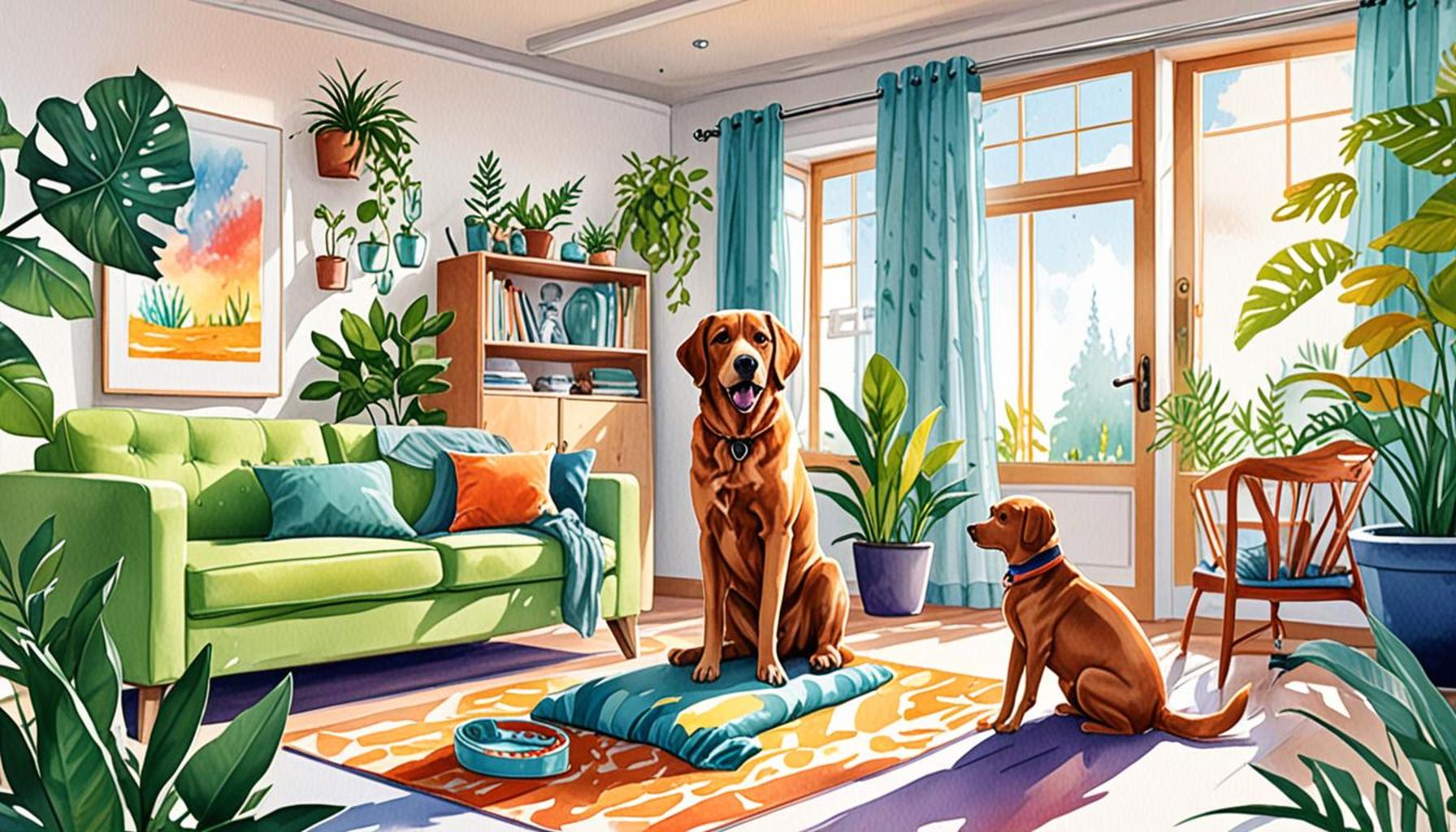
Understanding the Influence of Environment on Pet Behavior
The setting in which pets reside plays a crucial role in molding their behaviors and personalities. This influence can be particularly pronounced in urban areas where space is limited, and the surroundings are bustling with activity. By gaining insight into how different environments affect pet behavior, we can devise tailored training methods that cater to the distinct needs of our furry companions. Ultimately, this understanding not only enhances our pets’ lives but also creates a more harmonious living arrangement for everyone involved.
Key Factors Influencing Pet Behavior
Each living environment presents a unique set of challenges and opportunities, which can significantly impact pet behavior. Here are some key factors to consider:
- Size of the space: For instance, pets in small apartments might struggle with limited room to roam. Dogs, especially larger breeds, may require more structured play and exercise routines, such as frequent walks to compensate for the restricted living space. In contrast, those living in spacious homes can create a more enriching environment by designating play areas and creating a safe outdoor space for pets to explore.
- Noise levels: Homes located in busy urban areas often face constant noise from traffic, construction, or even loud neighbors. Such disturbances can lead to heightened anxiety and stress in pets, resulting in unwanted behaviors like barking, digging, or hiding. Identifying sound-sensitive pets and introducing calming techniques, such as white noise machines or designated quiet areas, can significantly improve their comfort levels.
- Access to outdoor areas: Urban pets frequently experience limited access to greenspaces, which can impact their physical activities and socialization opportunities. For example, a dog that lacks access to a park may not have the chance to engage with other dogs, potentially leading to behavioral issues like excessive excitement or aggression during rare outings. Providing alternative activities, like agility training or structured playdates, can help fulfill their needs.
Adapting training techniques to accommodate these key factors not only leads to better pet behavior but can also contribute to improved experiences for pet owners. For instance, using positive reinforcement strategies in small, distraction-free spaces can make training more effective for pets living in apartments compared to those in larger homes. The right approach fosters healthier interactions and enhances the overall well-being of the pet.
Discovering Tailored Training Tips
In this article, we will explore effective training strategies specifically designed for different living situations, including:
- Apartments: Focus on indoor activities and bonding time to keep pets engaged and cooperative.
- Suburban homes: Utilize yards effectively for training routines and incorporate outdoor play in a structured schedule.
- Countryside living: Employ the freedom of an expansive environment to encourage exploratory behaviors and socialization with other animals.
As we delve into these tailored training tips, remember that understanding and adapting to your pet’s environment is key. By implementing these practical training methods, you can remarkably enhance your furry friend’s well-being and create a more enjoyable living situation for both of you.
LEARN MORE: Click here to discover the benefits of balanced nutrition for your pets
Adapting to Life in an Apartment
Living in an apartment can present unique challenges for pet owners, but with the right understanding and techniques, it can also foster a fulfilling environment for pets. In this compact setting, pets often face limitations on their physical movement, which can lead to restlessness and boredom if not managed properly. To navigate this, it’s essential to implement effective strategies that cater specifically to the demands of apartment living.
Indoor Engagement Techniques
To mitigate the impact of limited space on your pet’s behavior, it is crucial to focus on interactive indoor activities. Here are some innovative ideas:
- Puzzle Toys: These toys stimulate a pet’s mind while providing a rewarding experience. They can keep dogs and cats occupied for hours as they work to extract treats or toys hidden inside.
- Training Sessions: Short and frequent training sessions can maintain your pet’s focus and improve their behavior. Use positive reinforcement techniques such as clicker training or treat rewards to encourage good behavior.
- Obstacle Courses: Create a mini obstacle course using furniture and household items. Teach your pet to navigate through tunnels or jump over objects. This not only provides physical exercise but also mental stimulation.
- Playdates: Schedule playdates with other pet owners in your building or neighborhood. Social interactions with fellow pets can help alleviate boredom and encourage positive behaviors.
These activities not only provide necessary stimulation but also strengthen the bond between you and your pet. For instance, dedicating time to train your dog or play with your cat can reduce behavioral issues and foster a more peaceful coexistence in your living space.
Noise Control Strategies
Another significant challenge in apartment living is noise. With the potential for disturbances from neighbors or city sounds, some pets might become anxious or stressed. Understanding these behavioral reactions is essential for improving your pet’s experience:
- Desensitization: Gradually exposing your pet to the noises they’re sensitive to can help minimize anxiety. Start by playing recorded sounds at a low volume and progressively increasing them as your pet becomes more comfortable.
- Safe Spaces: Designate a quiet area in your apartment where your pet can retreat when feeling overwhelmed. Equip this space with their bed, toys, or a calming blanket to make it inviting.
- Calming Aids: Consider using calming pheromone diffusers or sprays to create a serene atmosphere. These products can help alleviate stress, especially during highly stimulating times.
By incorporating these noise control strategies, you can help create a more tranquil environment for your pet. This, combined with engaging indoor activities, can lead to better behavioral outcomes and an overall happier pet.
Creating the Right Environment in Suburban Homes
In comparison to apartment living, suburban homes often provide more space and access to outdoor areas. However, it is important to recognize that these differences also come with their own set of challenges and behaviors. In the following sections, we will explore how to make the most of your suburban home for pet training and well-being.
The Impact of the Environment on Pet Behavior: Training Tips for Different Living Spaces
As we delve deeper into the impact of environment on pet behavior, it becomes increasingly evident that each living space poses unique challenges and opportunities for training our furry companions. Understanding these environmental factors is crucial for effective pet training, particularly for urban dwellers versus those in rural settings.
Urban Living: Noise and Space Constraints
In urban areas, noise and congestion can be overwhelming for pets, specifically dogs. The constant barrage of sounds—from traffic to construction—can lead to anxiety and stress in pets, affecting their behavior and training outcomes. Owners must employ training techniques that focus on desensitization to sound stimuli. For instance, gradually introducing pets to common urban noises can help them acclimatize to these sounds, making them more comfortable when navigating bustling environments.
Rural Living: Space and Distractions
On the flip side, pets in rural settings often have more space to roam, yet they face their own set of challenges. While the open environment may provide ample opportunities for exercise and exploration, rural pets are also exposed to natural distractions, such as wildlife or moving vehicles. Training methods in these environments should include reinforcing recall commands and focusing on leash training, which helps keep pets safe while ensuring they understand boundaries during their excursions. Utilizing positive reinforcement techniques can aid in building a dog’s confidence in an environment filled with diverse stimuli.
Adjusting Training Methods
Regardless of the living environment, adjusting training methods to fit specific contexts is critical. Things like indoor training may be necessary for apartment dwellers with limited outdoor space, employing methods such as using agility courses or interactive toys to stimulate mental and physical activity indoors. Furthermore, offering low-impact training sessions tailored to the pet’s unique environment can significantly enhance their learning experience.
Thus, integrating these strategies into your pet training routine can yield profound benefits, ensuring your companion remains well-adjusted and happy in various living conditions.
| Category | Impact on Pet Behavior |
|---|---|
| Urban Environments | High noise levels can lead to anxiety, requiring desensitization training. |
| Rural Environments | More space leads to distractions, emphasizing the need for strong recall commands. |
| Indoor Training | Utilizing agility courses can promote physical exercise and engagement within limited space. |
DISCOVER MORE: Click here to learn about the importance of dog socialization
Maximizing Your Suburban Home for Pet Training
Suburban environments can offer your pets a wealth of opportunities for exploration, exercise, and socialization. With more square footage and outdoor space than an apartment, these homes create an ideal backdrop for enhancing your pet’s quality of life. However, it also requires a strategic approach to ensure that pets behave positively and remain safe in their surroundings.
Utilizing Outdoor Spaces
The expansive yards typical in suburban homes present unique advantages for pet behavior. Here are some tips to effectively utilize these outdoor areas:
- Structured Playtime: Designate specific periods for outdoor play to help channel your pet’s energy productively. Activities like fetch, frisbee, or hide-and-seek not only boost physical health but also promote good behavior by reducing hyperactivity in the house.
- Leash Training: Suburban areas often have access to parks and nature paths which can be perfect for introducing leash training. Gradually expose your pet to these environments ensuring they learn to walk calmly without pulling. Use positive reinforcement techniques to encourage good leash manners.
- Socialization with Neighbors: Encourage interactions with other dogs in your neighborhood. Organizing dog meet-ups can cultivate positive social behaviors and reduce anxiety. This is particularly key for puppies who need exposure to different environments and canine companions.
Creating structured outdoor activities ensures pets not only get the necessary exercise but also develop discipline and skills. Maintaining regular outdoor play and training sessions can prevent behavioral problems that arise from boredom or pent-up energy.
Safety Considerations in Suburban Living
With more space comes added responsibilities regarding pet safety and well-being. Unbridled freedom can lead to potential hazards if precautions are not taken. Here are some safety strategies to consider:
- Secure Fencing: Ensure that your yard is adequately fenced to prevent pets from wandering off or encountering dangers such as traffic. Install barriers that are high enough to deter jumping and check for gaps to secure exits.
- Environmental Enrichment: Incorporate sensory experiences into your outdoor space. Planting pet-safe shrubs or flowers can give your pets new scents and sights to explore. Consider creating a digging area with supervised access, allowing dogs to indulge their natural instincts safely.
- Paw Protection: Regular maintenance of your yard will keep it free of harmful chemicals or substances. Be cautious of landscaping treatments which might pose health risks, and choose pet-friendly products to maintain a safe environment.
By fostering safety in every corner of your suburban setting, you can ensure a lasting and enriching experience for your pets. This, combined with ample opportunities for physical exercise, sets up a positive climate for behavior and training.
Urban Settings: Special Considerations for City Living
While suburban homes simplify some aspects of pet ownership, urban environments present their own distinctive challenges and opportunities. In the following segments, we will delve into how to adapt training and environmental strategies to meet the needs of pet owners in bustling cityscapes.
DISCOVER MORE: Click here to find out how pets can enhance your wellness
Conclusion
In understanding the impact of environment on pet behavior, it becomes clear that the training approaches must adapt to the unique challenges and opportunities presented by various living spaces. Whether in the expansive surroundings of suburban homes or the bustling streets of urban settings, the environment plays a pivotal role in shaping a pet’s behavior and overall well-being. Implementing effective training strategies tailored to each setting can significantly enhance a pet’s quality of life.
For suburban dwellers, providing structured outdoor activities and prioritizing safety through secure fencing and environmental enrichment allows for growth in obedience and discipline. Meanwhile, urban pet owners face the task of navigating tight spaces and busy environments. Here, socialization, niche training, and creative use of local parks can make a world of difference in fostering well-adjusted pets capable of thriving amid the hustle and bustle.
The fundamental takeaway for all pet owners is the realization that our pets’ behaviors are intricately linked to their surroundings. By taking the time to analyze and adjust their environment, we can proactively manage their behavior, alleviate potential issues, and nurture a deeper bond. As you explore the enriching world of pet training, remember that adapting to your living space is not just beneficial; it is essential for nurturing happy, well-behaved companions. For more resources and insights, consider diving deeper into the latest trends in pet training and environmental adaptations that can further refine your approach.