
Special Diets for Pets with Food Allergies: What to Know

Understanding Food Allergies in Pets
The world of pet ownership is often filled with joy and companionship, but for some, it may also present challenges such as managing food allergies. These allergies arise when a pet’s immune system mistakenly identifies certain substances in their food as harmful, leading to a range of symptoms. This unpredictable nature often leaves pet owners in search of answers that may help decipher their pet’s symptoms.
Common signs of food allergies include:
- Itchy skin and excessive scratching, which may manifest as red, inflamed patches or sensitive areas on the skin, often resulting in bald spots from over-scratching.
- Stomach upset or digestive issues, indicating that your pet may experience diarrhea, vomiting, or a noticeably upset stomach after eating.
- Ear infections or inflammation, where pets may show signs of discomfort, shake their heads frequently, or develop a foul odor from their ears due to chronic irritation.
When a pet is diagnosed with allergies, reevaluating their diet becomes imperative. In many cases, a special diet tailored to eliminate specific allergens may be necessary to regain their health and comfort. For instance, switching to a limited ingredient diet may isolate the offending food proteins and help alleviate discomfort. This specialized approach not only addresses the immediate symptoms but also supports long-term health through nutrition.
Key Considerations for Creating Special Diets
Creating an effective diet plan for pets with food allergies is a meticulous process that requires thoughtful planning and awareness. Here are some essential factors to keep in mind:
- Consulting a veterinarian for accurate diagnosis and guidance is crucial. They can help determine whether the allergy is true or based on sensitivities, which can influence dietary changes.
- Identifying allergens through elimination diets or allergy tests can help ascertain which ingredients trigger your pet’s reactions. This might involve providing a protein and carbohydrate source that your pet hasn’t had before and gradually excluding common allergens.
- Choosing high-quality ingredients to avoid common allergens like wheat, soy, or chicken is paramount. Instead, consider incorporating novel protein sources such as duck, salmon, or even plant-based proteins, as these may be less likely to provoke a reaction.
Understanding these critical elements enhances not just the management of allergies, but also improves your pet’s overall quality of life. With an array of options available, from grain-free formulations to homemade meals tailored to your pet’s needs, pet owners can feel empowered to embark on this dietary journey. Furthermore, staying informed through resources such as veterinary advice and reputable pet nutrition literature can make a significant difference in your pet’s health outcome. By taking the time to investigate and adapt your approach, you ensure your furry companion enjoys a happier, healthier life.
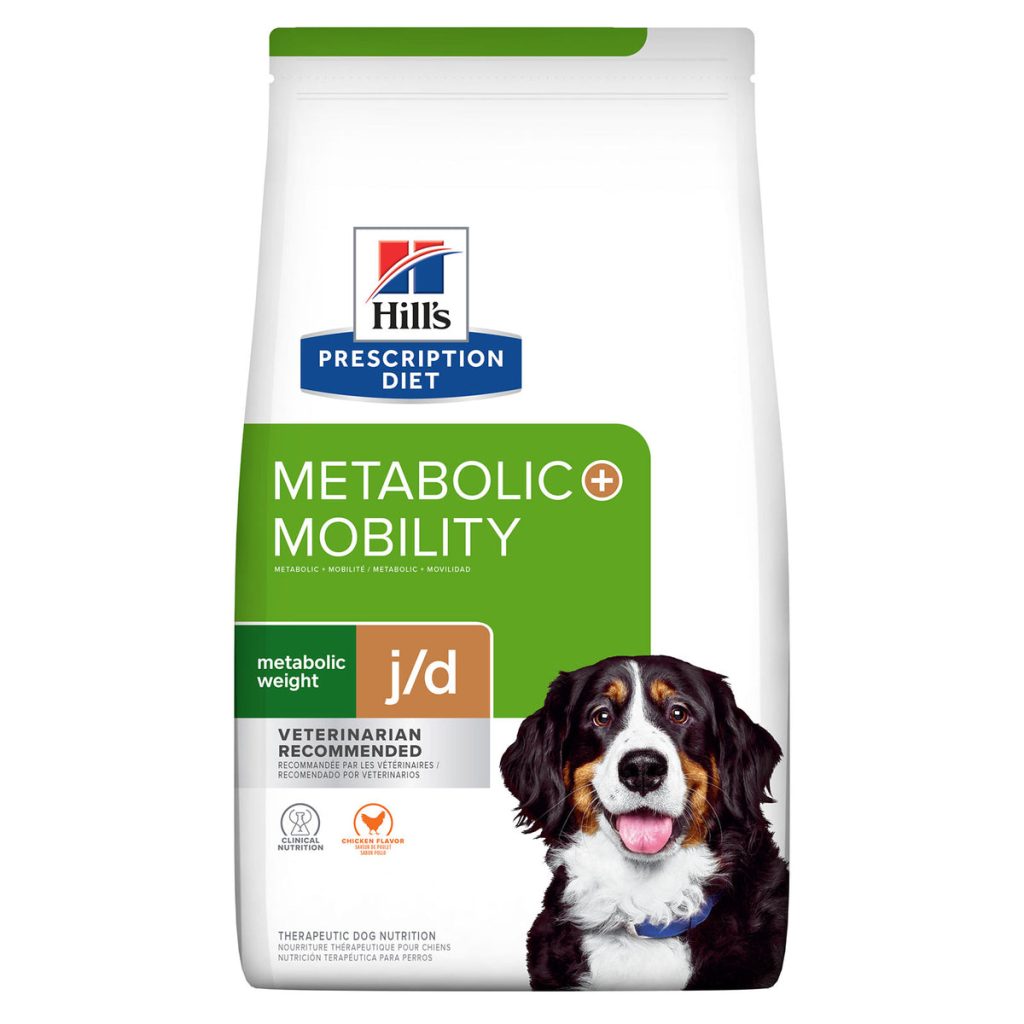
Creating the Right Diet for Your Allergic Pet
When faced with the reality of a pet that has food allergies, the first instinct for many pet owners may involve frustration or confusion. However, understanding how to create a special diet can transform the experience, leading both owner and pet toward a healthier relationship with food. It’s essential to embrace a proactive approach that ensures your furry friend not only avoids allergens but also receives the adequate nutrition necessary for their well-being.
One of the most vital steps in crafting a special diet is thorough research into proper nutrition. Pets require a balanced diet that includes proteins, carbohydrates, fats, vitamins, and minerals. However, with food allergies, the challenge lies in avoiding ingredients that trigger adverse reactions while still providing essential nutrients. Consider these key components when developing a diet plan:
- Protein Sources: Selecting high-quality, novel protein sources that your pet has not previously consumed can help prevent allergy flare-ups. Options may include kangaroo, venison, or fish such as salmon or whitefish, which are known for being less likely to provoke allergic reactions.
- Carbohydrates: Grain-free diets are increasingly popular and can alleviate symptoms in pets sensitive to grains. Consider sweet potatoes, peas, or quinoa as alternative carbohydrate sources that offer nutritional value without introducing common allergens.
- Hydration: Ensuring your pet has access to fresh, clean water is paramount, especially when transitioning to a new diet. Proper hydration supports digestion and helps maintain overall health.
Implementing a balanced diet plan often requires a trial-and-error approach, particularly when it comes to eliminating allergens. Many veterinarians recommend an elimination diet, which allows a pet owner to gradually introduce new foods to monitor for adverse reactions. This process can take several weeks, but it is a crucial step in accurately identifying troubling ingredients.
Another important aspect of dietary management is the adherence to strict feeding guidelines. This encompasses not only the food your pet consumes but also treats and supplementary products. Many store-bought treats are packed with additives that can contain hidden allergens. As an alternative, consider making homemade treats using safe ingredients, allowing you to maintain tight control over your pet’s diet.
Finally, it is essential to remain vigilant and adapt as necessary. Food intolerances can develop over time, prompting the need for diet adjustments that ensure ongoing health. Keeping a food diary that records your pet’s diet—along with behavior and health changes—can provide valuable insights, ultimately guiding you to make informed dietary choices.
By focusing on these critical elements, pet owners can craft specialized diets that cater to their furry friend’s individual needs. The effort put into these adjustments not only improves the management of allergies but may also enhance your pet’s overall quality of life.
Special Diets for Pets with Food Allergies: What to Know
As a pet owner, understanding the necessity of special diets for pets with food allergies is crucial. Food allergies can lead to various health issues, including skin irritations, digestive problems, and even behavioral changes. It’s essential to identify any allergens that may be affecting your pet’s health and to tailor their diet accordingly.
Identifying Food Allergies
Many pets develop allergies to common ingredients such as beef, chicken, dairy, eggs, or grains. Symptoms can vary widely, manifesting as itchy skin, gastrointestinal upset, or chronic ear infections. Keeping a detailed food journal can aid in tracking your pet’s reactions and pinpointing potential allergens.
Benefits of Special Diets
Implementing a specially formulated diet can significantly enhance your pet’s quality of life. These diets typically include limited ingredient options or hydrolyzed protein formulas. Limited ingredient diets contain fewer components, making it easier to identify and eliminate allergens, while hydrolyzed formulas break down proteins to a level that minimizes allergic reactions.
Moreover, utilizing diets that contain novel protein sources, such as kangaroo or rabbit, can provide an alternative for pets with multiple allergies. Transitioning to a special diet, while monitored under the guidance of a veterinarian, not only alleviates adverse reactions but also supports overall health, promoting vibrant energy and a happier lifestyle.
| Diet Type | Key Features |
|---|---|
| Limited Ingredient | Simplified ingredient list to easily identify allergens. |
| Hydrolyzed Protein | Proteins broken into smaller pieces that are less likely to trigger allergies. |
Choosing the right diet can be a game changer for pets struggling with food allergies. If you are considering switching your pet’s food, it’s best to consult with a veterinarian who specializes in pet nutrition. Their expertise can help navigate the complexities of food allergies and lead to optimal health outcomes for your pet.
Understanding Food Labels and Ingredients
As you embark on the journey of creating a special diet for your pet with food allergies, one of the most crucial elements to master is understanding food labels and ingredient lists. It’s easy to overlook the fine print on packaging, but this knowledge can empower you to make informed decisions that safeguard your pet’s health. Food labels can be misleading, with ambiguous terminology and marketing gimmicks sometimes obscuring the truth about what’s inside the bag.
When scrutinizing pet food labels, look for the Association of American Feed Control Officials (AAFCO) statement. This ensures that the food meets minimum nutritional requirements. However, it is important to delve deeper than just an AAFCO statement. Pay close attention to the ingredient list, focusing on the first five ingredients, which typically represent the bulk of the content. As a guideline, avoid foods with common allergens such as chicken, beef, corn, soy, and wheat, especially if your pet has a known sensitivity to these ingredients.
Ingredients can also be marketed with different names. For instance, “by-products” are often a source of hidden allergens and should generally be avoided. Additionally, look out for words that indicate the presence of additives, such as “natural flavors” or “animal digest,” which can sometimes mask harmful substances. Armed with this knowledge, pet owners can better navigate the aisles of pet food stores, steering clear of potentially harmful products.
Exploring Commercial vs. Homemade Diets
One significant decision pet owners face is whether to choose a commercial diet or create a homemade diet for their allergic pet. Each option has its advantages and challenges, with important considerations regarding nutritional balance, convenience, and cost.
- Commercial Diets: Many pet food manufacturers now offer specialized formulas tailored specifically for pets with food allergies. These diets often incorporate novel protein sources and limited ingredient formulations that cater to sensitive pets. However, while commercial diets are convenient, they may not always be tailored to your pet’s individual needs or preferences. Carefully select reputable brands that conduct rigorous testing for allergens and keep transparency in ingredient sourcing.
- Homemade Diets: Preparing homemade meals allows for complete control over dietary ingredients, which can be beneficial for identifying and eliminating allergens. However, formulating a balanced homemade diet requires substantial research and possibly the guidance of a veterinarian or pet nutritionist to ensure it meets all nutritional requirements. Owners who opt for this route should include a variety of protein sources, vegetables, and necessary supplements to create a well-rounded meal plan.
Regardless of the path chosen, consulting with a veterinarian is paramount. They can provide recommendations tailored to your pet’s specific condition, help design a balanced diet, and guide you through the process of transitioning to a new diet.
Regular Monitoring and Consultation
As you implement a special diet for your pet, regular monitoring becomes a cornerstone of success. This involves observing changes in behavior, coat quality, energy levels, and gastrointestinal health following dietary changes. Schedule follow-up consultations with your veterinarian to assess nutritional adequacy and adjust the diet as necessary. These check-ins are essential to address any emerging issues promptly and ensure that your pet continues on a path to wellness.
Keeping informed about new findings in pet nutrition and recent studies on food allergies can also be advantageous. The world of pet diets is rapidly evolving, with innovations constantly emerging that may benefit your furry friend. Following reputable pet nutrition blogs, joining forums, or subscribing to newsletters can provide ongoing insights.
Embracing the challenge of managing food allergies through diet can ultimately cultivate a healthier, happier pet—and a pet owner equipped with the knowledge to make choices that promote their companion’s well-being.
Final Thoughts on Special Diets for Pets with Food Allergies
In conclusion, navigating the world of special diets for pets with food allergies is a crucial endeavor that requires attention, knowledge, and vigilance. By understanding the intricacies of food labels and ingredients, pet owners can make informed choices that enhance their beloved companions’ health. Whether opting for a commercial diet or a homemade diet, the key lies in selecting tailored options that meet your pet’s specific needs while avoiding common allergens that may trigger adverse reactions.
Moreover, it’s essential to prioritize regular monitoring and consult with veterinarians throughout this dietary journey. These professionals not only bring expertise to the table but help ensure that your pet remains nutritionally balanced as they adapt to a new diet. Keeping a keen eye on your pet’s response to these dietary changes can significantly inform the dietary path forward and reinforce the bond of trust and care between pets and their owners.
As the field of pet nutrition continues to evolve, staying updated on new research and recommendations is invaluable. By embracing a proactive approach towards managing food allergies, you empower your furry friend to lead a healthier and more fulfilling life. Remember, every small step counts, and your dedication to understanding and addressing your pet’s dietary needs will pave the way for their well-being. Explore resources, connect with other pet owners, and never hesitate to seek professional advice—because a happy pet translates to a happy home.