
Special Diets for Cats: How to Meet the Nutritional Needs of Cats with Allergies
Understanding the Nutritional Needs of Cats with Allergies
Allergies can profoundly affect the health and overall well-being of cats, often leading to distressing symptoms that impact their quality of life. For many pet owners, the quest for the right special diets for cats becomes a priority as they navigate through the myriad of dietary options available. Understanding how allergy-related dietary restrictions can improve your cat’s health is essential for maintaining their happiness.
Food allergies in felines may present in several ways, and recognizing these symptoms is critical. Common manifestations include:
- Skin irritations and itching: Cats may develop rashes, redness, or persistent scratching, which can lead to secondary infections.
- Gastrointestinal issues: Symptoms such as vomiting, diarrhea, or constipation can indicate an allergic reaction to certain food ingredients.
- Weight loss or poor coat condition: Allergies may hinder nutrient absorption, resulting in unhealthy weight loss and a dull, brittle coat.
Choosing the most suitable diet for your allergic cat can indeed feel overwhelming; however, there are key factors to consider that can simplify the decision-making process:
- Ingredient Transparency: Select cat foods that provide clear labeling of all ingredients. This transparency helps you better identify and eliminate potential allergens.
- Novel Proteins: Ingredients like duck, venison, or kangaroo are often less allergenic compared to common proteins like chicken or beef, making them excellent choices for sensitive cats.
- Hypoallergenic Formulas: These specially designed diets are formulated to reduce allergens, helping to minimize allergic reactions while providing balanced nutrition.
Furthermore, understanding your cat’s specific nutritional needs is critical for their health. It can be beneficial to maintain regular consultations with your veterinarian, who can help tailor a dietary plan based on your cat’s symptoms and overall health status. For instance, if your cat is diagnosed with a specific food allergy through elimination tests, your veterinarian might recommend a strictly monitored diet containing limited ingredients.
Moreover, keeping a detailed food diary can also assist in tracking your cat’s reactions and identifying patterns. This information is invaluable when discussing dietary options with your vet, ensuring that your furry companion receives a balanced, nutritious diet, crafted specifically to cater to their individual health issues. By staying informed and proactive about your cat’s dietary needs, you can greatly enhance their well-being, promote a healthier lifestyle, and ensure they lead a happy, active life.
Identifying Common Allergens in Cat Diets
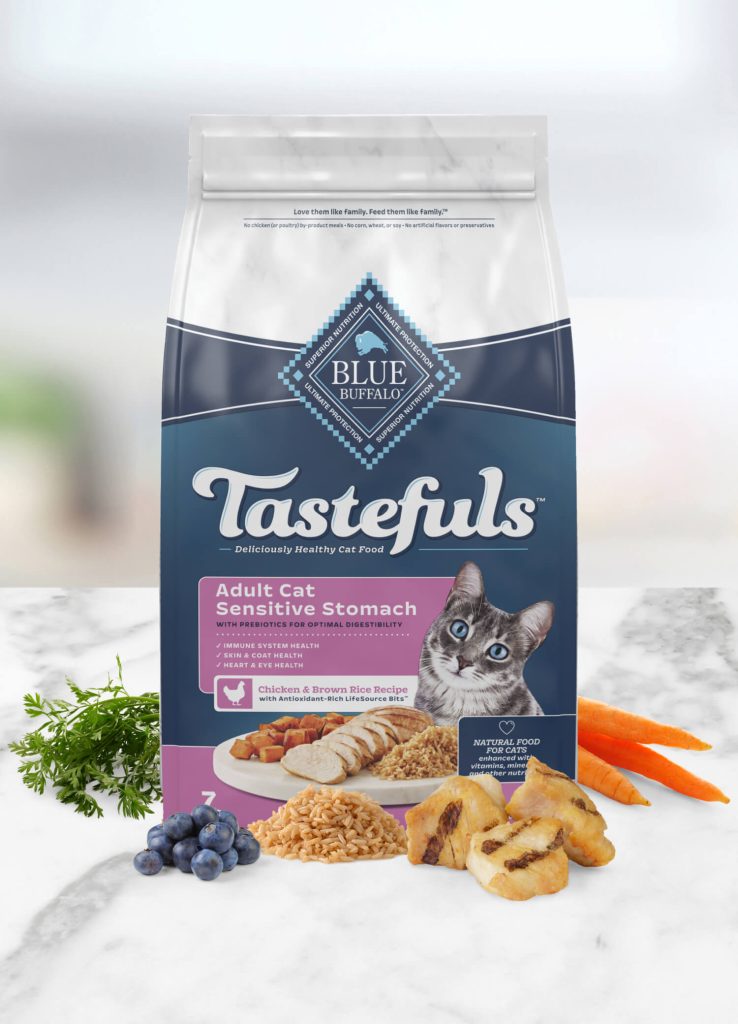
Understanding the precise components of your cat’s diet is crucial when addressing food allergies. Food allergens vary widely and can be found in many common ingredients used in cat food. In the United States, several primary food items are frequently implicated in allergic reactions among cats. These include:
- Protein sources: Chicken, beef, and fish are among the top suspects in food allergies. Many commercial cat foods contain these proteins as their main ingredient, making it easy for sensitive cats to develop intolerances.
- Grains: Ingredients such as wheat, corn, and soy can also trigger allergic responses, especially in cats that do not digest grains well.
- Dairy products: Surprisingly, many cats are lactose intolerant, leading to gastrointestinal discomfort and other allergic reactions when dairy is included in their diet.
When selecting special diets for cats, it’s essential to be vigilant about ingredient sourcing. Many commercial cat foods boast quality ingredients, yet lack transparency in their production methods. Always choose diets that prioritize whole, high-quality ingredients and minimal fillers. The importance of investigatory diligence cannot be overstated; learning about potential allergens can significantly streamline the process of finding the right food.
Implementing a Limited Ingredient Diet
One effective approach for managing your cat’s allergies is to adopt a limited ingredient diet (LID). LIDs typically contain fewer components, limiting exposure to potential allergens while still providing balanced nutrition. These diets can help create clearer patterns of food reactions, making it easier for both you and your veterinarian to identify specific allergens. Here are some key elements of implementing a limited ingredient diet:
- Start with a single protein source: Choose a protein that your cat has not been exposed to before, such as rabbit or fish, to reduce the risk of an allergic reaction.
- Incorporate vegetables cautiously: While vegetables can be great sources of nutrients, introducing new ingredients one at a time is essential to monitor your cat’s reaction.
- Monitor their response: Keep a close eye on any changes in your cat’s behavior, coat condition, and overall health, as these observations will be important for your veterinary consultations.
Additionally, understanding the duration of an elimination trial is crucial. It typically spans at least eight to twelve weeks, during which only the selected diet is fed, without any treats or extras. This period allows any gastrointestinal irritation to resolve and gives clear insights into the impact of the new food on your cat’s health.
The road to nutritional well-being for an allergic cat may initially seem daunting; however, each step taken toward understanding their unique needs can lead to a notably improved quality of life. By being informed, proactive, and patient, you can establish a tailored dietary plan that enhances your cat’s health and keeps allergies at bay.
| Diet Type | Key Features |
|---|---|
| Limited Ingredient Diets | Minimizes allergens by using a small number of protein and carbohydrate sources. |
| Hypoallergenic Diets | Formulated to reduce allergic reactions, often using hydrolyzed proteins. |
| Grain-Free Diets | Excludes common grains to prevent allergies related to grain proteins. |
| Raw Diets | Emphasizes raw meats, which some believe can reduce allergy symptoms. |
When considering special diets for cats with allergies, it’s crucial to select options that align with your pet’s specific needs. The above categories present viable approaches that many pet owners have found beneficial. Limited ingredient diets focus on reducing the number of potential allergens, which is particularly helpful for cats with food sensitivities. On the other hand, hypoallergenic diets are scientifically formulated to minimize allergic responses, often employing hydrolyzed proteins that are easier for the cat to digest.Grain-free diets are another option that has gained popularity, allowing cats to avoid common allergens found in grains while still receiving a balanced nutrition profile. Furthermore, some pet owners advocate for raw diets, claiming that uncooked meats might alleviate allergy symptoms, although this approach requires careful handling to avoid nutritional deficiencies.By examining these dietary options, you’ll be better equipped to choose the right one for your feline companion, ensuring they remain healthy and happy while managing their allergies.
Exploring Prescription Diets for Adult Cats
In the realm of managing food allergies in cats, prescription diets have emerged as a popular and practical solution. Veterinary food companies have developed specialized formulas designed to alleviate allergic reactions while providing complete nutrition for cats with specific needs. These diets can make a significant difference for cats suffering from food allergies, as they are carefully crafted to reduce the risk of exposure to common allergens.
Prescription diets typically fall into two categories: hydrolyzed protein diets and novel protein diets. Hydrolyzed protein diets break down proteins into smaller components that are less likely to provoke an allergic response, allowing even highly sensitive cats to consume them without issue. Conversely, novel protein diets utilize proteins that are less commonly found in traditional cat foods, such as venison or duck, which may not have been previously encountered by the pet and thus lower the risk of an allergic reaction.
- Hydrolyzed Protein Diets: These diets use enzymatically altered proteins, meaning they are modified so that the cat’s immune system does not recognize them as allergens. Popular brands, such as Hill’s Prescription Diet and Royal Canin, offer hydrolyzed formulas that can be easily accessed through veterinary clinics or specialty pet food stores.
- Novel Protein Diets: These diets are beneficial for cats who have developed allergies to common proteins like chicken or beef. By introducing proteins such as kangaroo or salmon, these diets can provide new nutritional options that are less likely to trigger an immune response. Examples include brands specifically targeting allergy management, such as Natural Balance or Purina Pro Plan.
It’s important to note that prescription diets should be administered under the guidance of a veterinarian, who can help determine the best approach based on your cat’s specific health needs. Furthermore, not every cat will respond uniformly to these diets; ongoing monitoring and adjustments may be necessary. Be prepared for follow-up appointments to reevaluate your cat’s health as they transition to a prescription diet.
Complementing Diet with Nutritional Supplements
In addition to prescription diets, incorporating nutritional supplements can further enhance your cat’s overall health and well-being, especially when navigating allergies. Certain supplements can provide crucial support in reducing inflammation, promoting a healthy coat, and bolstering the immune system. Here are a few notable supplements to consider:
- Omega-3 Fatty Acids: Often derived from fish oil, omega-3 fatty acids are known to have anti-inflammatory properties. They can help alleviate skin irritations that may occur due to allergies and can promote a shiny coat.
- Probiotics: A balanced gut microbiome is essential for overall health, particularly in allergic cats. Probiotics assist in maintaining digestive health and can aid in reducing gastrointestinal issues caused by food intolerances.
- Antioxidants: Supplements like vitamin E and selenium can support the immune system and combat oxidative stress, further contributing to your cat’s resilience against the effects of allergies.
Always consult your veterinarian before adding any supplements to your cat’s diet. In some cases, over-supplementation can cause issues rather than solve them. Moreover, pairing the right diet with appropriate supplements can pave the way for your feline companion to enjoy a healthier, more comfortable life.
By delving into the realm of prescription diets and nutritional supplements, cat owners can take proactive steps to manage their pets’ allergies effectively. As research continues to evolve in the field of veterinary nutrition, staying informed about the best dietary practices can significantly improve the quality of life for cats facing food allergies.
Conclusion
In conclusion, addressing the nutritional needs of cats with allergies is a crucial aspect of their overall health and well-being. Special diets, including prescription diets and nutritional supplements, are tailored solutions that can significantly improve the quality of life for allergic felines. Owners have the responsibility to discern the best options for their pets by collaborating with veterinary professionals who can guide them through the complexities of food allergies.
Through the use of hydrolyzed protein diets and novel protein diets, cat parents can minimize potential allergens while providing their pets with the essential nutrients they need to thrive. Additionally, integrating omega-3 fatty acids, probiotics, and antioxidants as supportive measures can create a holistic approach to managing allergies, enhancing skin health, and promoting digestive wellness.
As you navigate the landscape of special diets for cats, actively staying informed about the latest research and dietary advancements can empower you to make the best choices for your furry companions. Remember, no single solution fits all; each cat is unique and may require a personalized strategy. By prioritizing your cat’s dietary needs and being proactive about their health, you can ensure they lead a happier, healthier life free from the discomfort of allergies.
Consider this journey not just a task, but an opportunity to foster a deeper bond with your feline friend while helping them achieve optimal health through well-informed dietary choices.