
Preventive Care: Vaccination and Deworming in Pets
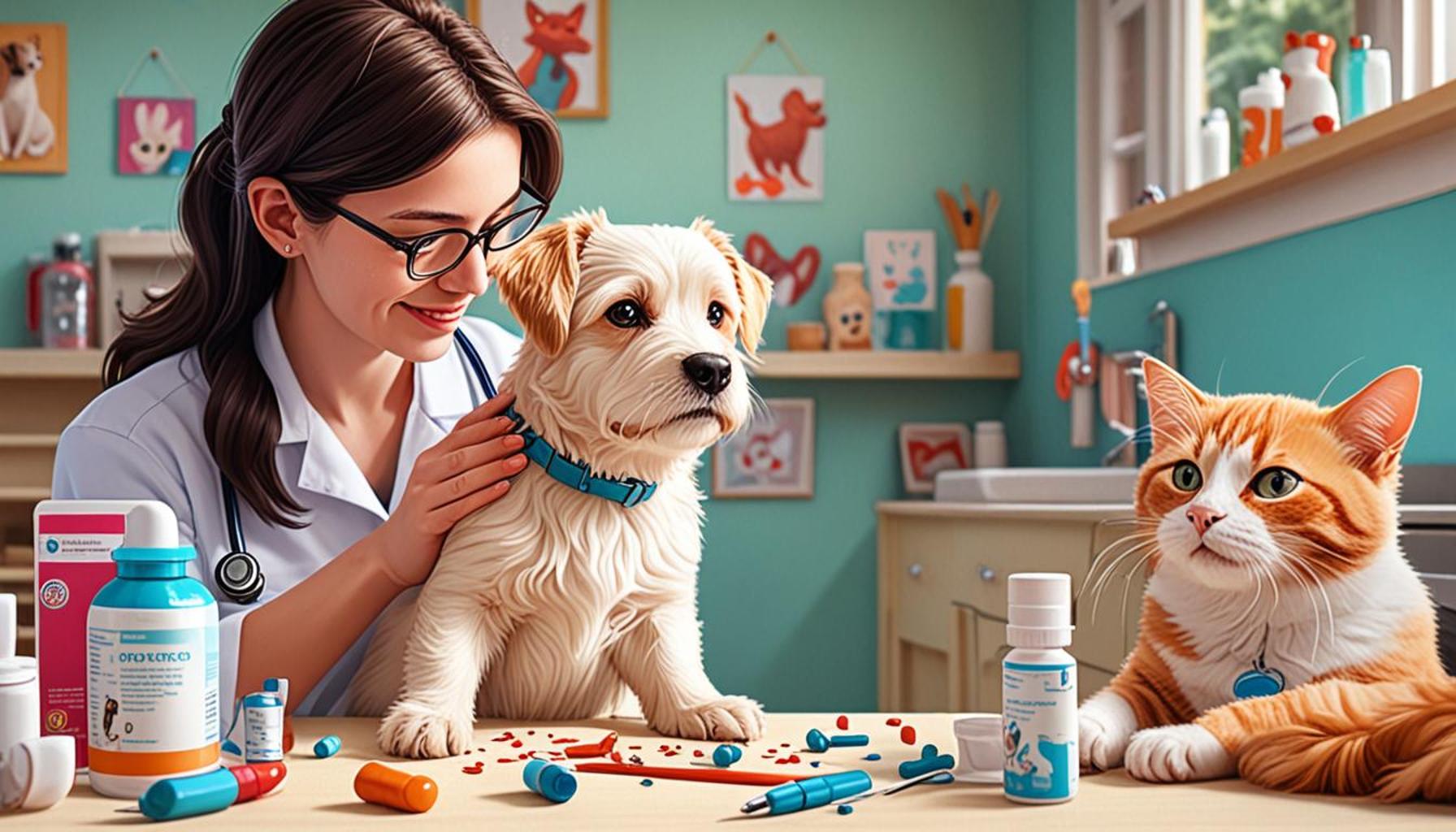
The Pillars of Pet Health: A Focus on Preventive Care
Preventive care for pets, often overlooked, is a crucial element in ensuring the long-term health and happiness of our animal companions. By embracing preventive measures, pet owners can proactively combat diseases and health issues before they manifest, significantly improving their pets’ quality of life.
One of the cornerstones of preventive care is the administration of vaccinations. Vaccines train the immune system to recognize and fight off specific pathogens, effectively providing pets with protection against serious and potentially fatal diseases. For instance, rabies, known for being nearly always fatal once symptoms appear, can be entirely prevented through timely vaccination. Similarly, vaccinations against parvovirus and distemper can save dogs from debilitating illness and long-term health consequences.
The Importance of Deworming
Deworming is another vital facet of preventive care that should not be underestimated. Internal parasites are not only uncomfortable for pets but can also lead to severe health issues if left untreated. Conditions like malnutrition, anemia, and gastrointestinal complications can arise from parasites such as roundworms, tapeworms, and hookworms. Regular deworming treatments help eliminate these threats, allowing pets to live healthier, happier lives.
- Vaccinations effectively thwart diseases like rabies and parvovirus.
- Deworming eliminates dangerous parasites such as roundworms and hookworms.
- Both contribute significantly to a pet’s longevity and overall health.
In the United States, veterinary practices recommend adherences to established vaccination schedules and deworming protocols. These schedules may vary based on factors such as a pet’s age, breed, and lifestyle. For instance, puppies and kittens typically require a series of vaccinations every few weeks during their early months. Adult pets also benefit from booster shots, ensuring their immunity remains strong throughout their lives.
Furthermore, engaging in regular veterinary check-ups allows pet owners to stay informed about the latest recommendations and advancements in preventive care. For example, recent studies have highlighted potential benefits associated with vaccinating against emerging diseases, reinforcing the importance of consultations with veterinarians.
By committing to preventive care practices, pet owners not only safeguard their furry friends’ well-being but also contribute to broader public health initiatives. Many pet diseases can be zoonotic, meaning they can be transmitted from animals to humans. Thus, maintaining a healthy pet population directly impacts community health.
The journey into the world of preventive care doesn’t end here. As we move forward, we will explore specific vaccine types, various deworming products, and the best practices to ensure holistic wellness for pets, empowering pet parents to make informed decisions that benefit their beloved companions.
DISCOVER MORE: Click here to learn about the benefits!
Understanding Vaccinations: Protecting Our Pets from Harmful Diseases
The world of pet vaccinations is continually evolving, providing pet owners with the tools necessary to keep their furry companions healthy. Vaccinations are integral to preventive care, stimulating the immune system to effectively recognize harmful pathogens before they can cause disease. In the United States, various vaccines are routinely recommended depending on a pet’s age, species, and lifestyle. For instance, core vaccines for dogs often include those against distemper, parvovirus, and adenovirus, while cats typically receive vaccines for feline panleukopenia, calicivirus, and rhinotracheitis.
Beyond core vaccines, pet owners should also consider non-core vaccines, which may be advisable based on specific risk factors. For example, if there is a likelihood of exposure to Lyme disease, a vaccine can provide an additional layer of protection for dogs. Engaging with a veterinarian to assess factors such as geographic location, daily lifestyle, and potential exposures can help determine the most suitable vaccination plan for each pet.
- Core vaccines are essential for every pet.
- Non-core vaccines address specific risks based on lifestyle and environment.
- Consulting a veterinarian is crucial to developing an effective vaccination schedule.
Moreover, the timing of vaccinations can greatly affect their efficacy. Young puppies and kittens benefit from receiving their initial vaccinations at around six to eight weeks of age, followed by booster shots every three to four weeks until they reach about 16 weeks. This vaccination schedule is essential in providing the best chance against potent diseases in their formative weeks. Adult pets also require periodic booster vaccines to maintain immunity, ensuring ongoing protection against infectious conditions.
The Cycle of Deworming: Safeguarding Against Internal Threats
While vaccinations primarily guard against infectious diseases, deworming is a critical preventive approach targeting internal parasites that can hinder a pet’s health. Common internal parasites such as roundworms, hookworms, and tapeworms can cause significant issues, including weight loss, nutritional deficiencies, and damage to the intestines. Not only do these parasites affect pets directly, but they can also impact human health, especially among children and immunocompromised individuals.
In many cases, puppies are born with parasites acquired from their mother, making early deworming vital. Most veterinarians recommend a deworming schedule that begins at two weeks of age, with follow-up treatments administered every two to three weeks until the puppies are about 12 weeks old. Adult dogs should also undergo routine deworming based on their risk factors and preventive protocols outlined by veterinary professionals.
- Deworming eliminates internal parasites to prevent health complications.
- Puppies often require initial deworming treatments shortly after birth.
- Regular deworming for adults ensures ongoing protection against infestations.
Taking a proactive approach toward vaccination and deworming is paramount for the overall wellness of pets. By prioritizing these preventive measures, pet owners not only enhance their pets’ health but also create a more secure environment for their families and communities.
| Advantage | Importance |
|---|---|
| Comprehensive Disease Prevention | Vaccination protects pets against deadly diseases such as rabies, parvovirus, and distemper, significantly reducing the risk of illness. |
| Enhanced Longevity | Routine vaccinations and deworming can extend a pet’s lifespan by preventing serious health problems associated with infectious agents and parasites. |
Preventive care, specifically through vaccination and deworming, plays a pivotal role in maintaining pet health. By investing in these preventive measures, pet owners not only safeguard their pets from potential diseases but also contribute to a holistic approach to pet wellness. Regular vaccinations can prevent outbreaks of contagious diseases within communities, creating a healthier environment for both pets and humans. Furthermore, deworming is crucial as it eliminates internal parasites that deprive pets of nutrients and can lead to other serious health issues. Pet owners are encouraged to consult with veterinarians to establish a tailored vaccination and deworming schedule that fits each pet’s specific needs and lifestyle. Engaging in preventive care provides peace of mind and supports a happier, healthier life for pets, prompting further exploration into comprehensive pet health management.
DISCOVER MORE: Click here to learn about the positive impact of pets on mental health
Recognizing the Importance of Regular Veterinary Check-Ups
In addition to vaccinations and deworming, a comprehensive preventive care strategy involves regular veterinary check-ups. These routine visits are essential for monitoring a pet’s overall health, assessing vaccination needs, and conducting preventive screenings. Vets often perform physical examinations to identify potential health issues early on, reducing the likelihood of serious ailments down the line. Moreover, these check-ups provide an opportunity to discuss any behavior changes or concerns pet owners may have.
During these visits, veterinarians may recommend diagnostic tests such as blood work, urinalysis, and fecal examinations to identify hidden issues. For instance, blood tests can detect early signs of liver or kidney disease, while fecal examinations help identify any lingering parasite infestations that deworming may not have addressed. By establishing a baseline of a pet’s health through screenings, owners gain invaluable insights that guide their pets’ health care decisions.
- Regular check-ups enable early detection of potential health problems.
- Diagnostic tests provide critical information supporting preventive care.
- These visits foster a relationship between pet owners and veterinarians, ensuring knowledgeable health choices.
The Role of Nutrition in Preventive Care
While vaccinations and deworming are crucial, proper nutrition also plays an integral role in preventive care. A balanced diet ensures that pets receive the essential vitamins and nutrients to support a robust immune system, enhancing their natural defenses against disease. Pet owners should consult their veterinarians about the appropriate diet for their specific breed, age, and health conditions. Various factors, including obesity and food allergies, can significantly impact a pet’s well-being and susceptibility to disease.
Moreover, there is an increasing recognition of the benefits of feeding pets high-quality, minimally processed diets. Many pet owners now opt for grain-free or specialized diets tailored to address specific health issues. Research indicates that diets rich in omega fatty acids, antioxidants, and probiotics can not only enhance immune function but also positively affect skin health, digestion, and overall vitality.
- Nutrition is essential for supporting a strong immune system.
- Consulting a veterinarian helps pet owners make informed dietary choices.
- High-quality diets can prevent obesity and related health challenges.
Staying Informed: The Value of Educating Pet Owners
The landscape of preventive care in veterinary medicine continues to change, making education essential for pet owners. Understanding the latest developments and recommendations in vaccinations, deworming protocols, and nutrition allows pet owners to take charge of their pets’ health. Many veterinary clinics offer informational workshops and resources, covering topics like parasite control, vaccination updates, and weight management.
Additionally, online platforms provide resources where pet owners can stay informed about the latest research and recommendations. Engaging with pet-owner communities on social media or through pet-related forums can also be beneficial, as individuals share insights, concerns, and experiences regarding their own pets’ health. Such support networks can empower pet owners to advocate for their pets’ preventive care, ensuring they receive the best protection against preventable diseases and health issues.
- Educating pet owners is critical in implementing effective preventive care.
- Workshops and online resources can provide valuable information and support.
- Community engagement enhances awareness and encourages proactive health management.
DISCOVER MORE: Click here to learn about the benefits of exercising with pets
Conclusion: Embracing Preventive Care for Optimal Pet Health
In conclusion, implementing a robust preventive care strategy that encompasses vaccination and deworming is vital for ensuring the long-term health and well-being of pets. By safeguarding against infectious diseases and parasitic infestations, pet owners can significantly enhance their furry companions’ quality of life. However, the journey toward optimal pet health does not end with these interventions. Regular veterinary check-ups play a crucial role in holistic preventive care, allowing for early detection of potential health issues and fostering a partnership between pet owners and veterinarians.
Nutrition is another cornerstone of preventive care, as a balanced and high-quality diet supports a strong immune system. By making informed choices based on their pets’ specific needs, owners can prevent the onset of obesity-related conditions and enhance overall vitality. Furthermore, education remains essential; staying informed about advances in veterinary medicine empowers pet owners to make knowledgeable decisions and advocate for their pets’ health.
Ultimately, adopting a proactive approach to preventive care, including vaccination, deworming, routine vet visits, and nutrition, is a testament to a pet owner’s love and dedication. By prioritizing these aspects, we can ensure that our pets lead healthy, happy lives, filled with joyful moments and fewer health-related concerns. Together, let us embrace a future of informed pet care, ensuring lasting health and happiness for our beloved companions.