Positive Reinforcement Techniques for Cat Training
Understanding the Fundamentals of Feline Training
When it comes to training your cat, many owners may feel overwhelmed by the task at hand. However, with the right approach and techniques, this process can not only be attainable but also enjoyable for both you and your feline companion. One of the most effective methods to consider is employing positive reinforcement techniques. This approach fosters a strong bond built on trust, while simultaneously encouraging behaviors that you want to see more frequently.
At its core, positive reinforcement revolves around acknowledging and rewarding good behavior immediately after it occurs. This helps to cement that behavior in your cat’s memory. Here are some foundational aspects to consider for this technique to be successful:
- Timing: It is essential to reward your cat right after the desired behavior happens. For instance, if your cat uses the litter box instead of the floor, offer a treat or gentle praise instantly to associate the behavior with the positive reinforcement.
- Rewards: Discover what type of reward your cat responds to best. This may range from tasty treats to loving pets or even a few minutes with their favorite toy. For example, some cats may go wild for tuna flakes, while others prefer interactive playtime with feather wands.
- Consistency: Just like children, cats thrive in an environment where they understand the rules. By applying the same guidelines and rewards consistently, you minimize any potential confusion, leading to a smoother training experience.
Gaining insight into your cat’s psychology can also prove advantageous. Cats are remarkably intelligent and have unique motivators that may inspire them to perform desired tasks. This might mean trying out different types of rewards to determine what resonates most with your cat’s personality. For instance, some cats may respond well to verbal affirmations, while others might be more motivated by tangible rewards like treats.
The benefits of implementing positive reinforcement techniques in cat training can be extensive:
- Establishes a stronger bond between you and your cat, enhancing mutual affection and trust.
- Mitigates behavioral issues such as scratching or litter box reluctance, thereby resulting in a calmer household.
- Promotes overall happiness for your pet, leading to a more well-adjusted feline.
By adapting your training to be more in tune with your cat’s individual behavior and adapting positive reinforcement methods, you can drastically improve the lines of communication and understanding between you and your furry companion. This investment in time and patience ultimately leads to a fulfilling and harmonious relationship. Are you ready to delve deeper into the captivating world of feline training?
Creating a Rewarding Environment for Your Cat
To effectively utilize positive reinforcement techniques for cat training, it’s crucial to create an engaging and rewarding environment tailored to your cat’s preferences and personality. This foundation can significantly elevate the quality of training you provide, ensuring it is both effective and enjoyable. Here are some strategies to optimize your training sessions:
- Short Training Sessions: Cats have a limited attention span, so keeping training sessions short, ideally between five to ten minutes, can help maintain your cat’s enthusiasm. Frequent, brief interactions can establish a routine that aligns with their natural behaviors.
- Choose the Right Location: Opt for quiet and distraction-free settings during training. A familiar space, free from loud noises or other pets, allows your cat to focus on the task at hand, making it easier for them to learn and respond positively.
- Be Patient and Observant: Each cat has a unique personality and learning curve. Patience is essential in allowing your feline friend to adjust to the training process. Observing their body language will also provide insights into their comfort level and engagement.
Understanding how to effectively implement rewards is also a key component of positive reinforcement. It goes beyond simply offering treats. Here are some reward tactics that can enhance your cat’s training experience:
- Variety of Treats: Utilize an assortment of treats, from the tastiest variations to healthy options, to keep your cat intrigued. This strategy prevents them from growing bored and encourages active participation. You might find that your cat has particular favorites, so experimentation is key.
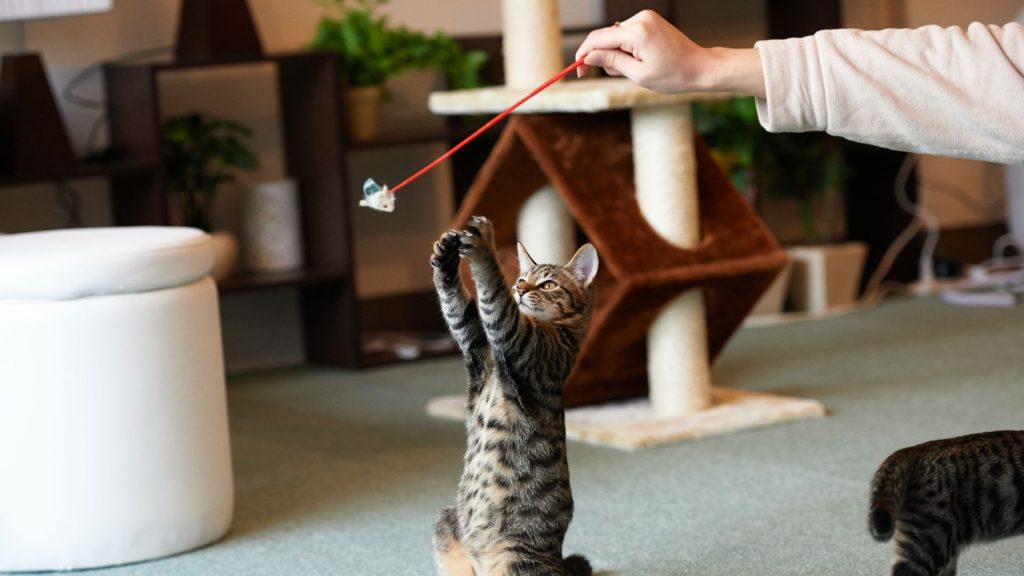
- Playtime Rewards: Consider rewarding your cat with playtime—this can be an exciting way to reinforce behaviors. If your cat responds positively to certain toys, incorporate them into training sessions as rewards, thereby combining learning and play.
- Verbal Praise: Cats thrive on your voice. Enthusiastically communicating your approval through praise when they succeed can bolster their confidence and strengthen their bond with you. A simple “Good job!” coupled with a gentle pet can work wonders.
Moreover, understanding what motivates your cat is vital in leveraging positive reinforcement techniques for cat training. By tapping into their instinctual behaviors—such as their natural hunting instincts or affinity for exploration—you can frame your training approach in ways that resonate with them. For example, using food puzzles or engaging them in interactive challenges can merge training with their innate curiosity, spurring interest and excitement.
The successful implementation of these techniques not only enhances the learning experience for your cat but also creates a fulfilling dynamic between both of you. As you discover what engages your feline companion, you will find that training transforms into a collaborative and enjoyable journey, unveiling new layers of understanding and companionship.
| Technique | Description |
|---|---|
| Treat Rewards | Utilizing favorite treats to reinforce desirable behaviors encourages cats to repeat them. |
| Clicker Training | A sound signaling success allows for immediate feedback, enhancing the learning experience. |
| Playtime as a Reward | Engaging with toys reinforces desired actions while building a bond between you and your cat. |
| Positive Verbal Praise | Using happy tones and phrases creates a supportive environment for learning. |
Positive reinforcement techniques for cat training focus on rewarding good behavior rather than punishing bad behavior, fostering a more trusting relationship between you and your feline companion. Implementing these methods not only enhances obedience but also significantly reduces stress for the cat. Moreover, understanding the individual preferences of your cat—whether it’s treats, play, or affection—can tailor the training process effectively. This customized approach encourages the cat to engage more enthusiastically, leading to quicker learning outcomes.Incorporating these methods into your daily routine can lead to a well-adjusted cat who exhibits good behavior and thrives in a positive environment. As you explore various techniques, you’ll find that training can also be a fun and rewarding experience for both you and your cat.
Understanding Your Cat’s Body Language
A fundamental aspect of successful positive reinforcement techniques for cat training is the ability to read and interpret your cat’s body language. Unlike dogs, whose responses to training are generally more overt, cats exhibit subtle cues that can inform you about their feelings and readiness to learn. Getting a grasp on these signals will enhance your training sessions and create a more productive learning atmosphere.
- Relaxed Posture: When your cat is comfortable, they will display a relaxed body posture, with their ears pointed slightly forward and their tail held up high. This indicates their readiness to engage with you and learn. Aim to train during these moments of feline contentment.
- Alert Behavior: If your cat is curious about their surroundings and actively exploring, this can also be an ideal moment to introduce training challenges. Elevate their motivation by incorporating new toys or novel treats to capture their interest.
- Aggression or Fear Signals: Tail twitching, flattened ears, or hissing are signs that your cat is stressed or fearful. If you observe these behaviors, it’s best to pause the training session and ensure your cat feels safe and secure before trying again. Pushing them in such moments may foster negative associations with training.
Moreover, it is essential to adapt your training techniques based on your cat’s individual temperament and preferences. Not all cats respond to training equally; some may thrive on physical rewards, while others may react better to social interaction. Consider tailoring these techniques:
Incorporating Clicker Training
Clicker training is an exceptionally popular method among cat owners that utilizes a distinct sound to mark desired behaviors accurately. The technique is based on the principles of operant conditioning and works excellently when combined with treats.
- Consistency in Timing: The click sound should immediately follow the desired behavior to create a direct association. For example, if your cat sits on command, clicking and rewarding them right after will reinforce the behavior.
- Extending Learning Opportunities: Once your cat has mastered basic commands like “sit” or “high five,” you can develop their skills further by introducing more complex tricks. Using the clicker, you can break down these new skills into manageable steps, rewarding progress along the way.
Engaging in Interactive Play as a Learning Tool
Utilizing your cat’s natural play instincts is another way to seamlessly incorporate positive reinforcement techniques into their training. Cats are playful creatures, and this characteristic can be transformed into an effective training tool.
- Status-Driven Play: Use a wand toy to encourage your cat to jump and chase, engaging them right after they successfully follow a command or perform a desired behavior. This not only rewards them but also channels their energy positively.
- Create Training Games: Design games that involve problem-solving, such as hide-and-seek with treats or toys. These activities stimulate mental engagement and reinforce training through rewarding outcomes.
By understanding your cat’s body language, integrating techniques like clicker training, and making training sessions feel like engaging play, you increase the likelihood of successful and compliant interactions. The journey of training becomes less about correcting behaviors and more about fostering a joyful exploration of skills, ultimately developing a strong bond built on trust and enjoyment. All these approaches provide a comprehensive roadmap for cat owners seeking to enhance their training experience through positive reinforcement.
Conclusion
In summary, mastering positive reinforcement techniques for cat training unlocks a world of opportunities for both you and your feline friend. By learning to interpret your cat’s body language, you create an effective training environment that builds trust and fosters a deeper connection. The key lies in understanding when your cat is ready to learn and adapting your approach to suit their unique personality.
Implementing methods such as clicker training provides a structured way to reinforce positive behaviors while enhancing the learning experience. This method, when combined with immediate rewards, creates lasting associations that encourage your cat to repeat desired behaviors willingly. Equally important is the role of interactive play, which turns training sessions into enjoyable experiences for both you and your cat. Engaging games and status-driven play can motivate your cat to learn while channeling their energy effectively.
As you embark on your training journey, keep in mind that patience and consistency are paramount. Each cat is different; what works for one may not resonate with another. The beauty of positive reinforcement lies in its flexibility, allowing you to experiment and discover what your cat finds most rewarding. Ultimately, the goal is to cultivate an enriching relationship built on mutual respect and joy. Delve deeper into the world of cat training and explore various resources to supplement your journey, ensuring that the bond between you and your pet grows stronger with each passing day.