Obedience Training: Building Effective Communication with Your Pet
Understanding the Core of Obedience Training
Building a solid bond with your pet goes beyond affection; it’s about communication. Obedience training serves as a bridge between owner and pet, fostering understanding and trust. This essential process transforms your beloved animal into a responsive companion, facilitating smoother interactions and a more harmonious household.
Why is Obedience Training Important?
- Enhances Communication: Establishing clear signals and commands is pivotal for effective interaction. For instance, using consistent vocal commands such as “sit” or “stay” paired with hand signals can help your pet associate specific actions with your desires.
- Ensures Safety: Teaching your pet crucial commands, such as “come” or “leave it,” can prevent accidents. Imagine a situation where your dog is about to run into traffic; a well-timed “come” command could save its life.
- Strengthens the Bond: A well-trained pet is often a happier and more confident animal. The training sessions not only provide mental stimulation but also create shared experiences between you and your pet, deepening your relationship.
In a world where distractions lurk around every corner, ensuring your pet listens can make all the difference. From the sound of a honking car to the allure of a passing squirrel, obedience training teaches your pet to focus on you, enabling important commands to take precedence over distractions. While the process of training is often perceived as correcting unwanted behavior, it is fundamentally about creating a dialogue with your pet that leads to mutual respect and understanding.
What to Expect from Training
While obedience training can seem overwhelming at times, breaking it down into manageable steps can yield rewarding results. Expect to learn techniques such as:
- Utilize positive reinforcement effectively: Reward-based training not only encourages good behavior but also makes learning enjoyable. Treats, praise, and play can be powerful motivators. For example, giving your dog a treat immediately after it sits when commanded establishes a clear connection between the command and the reward.
- Recognize your pet’s learning signals: Every pet learns differently. By paying attention to your dog or cat’s body language, such as tail wagging or ear positioning, you can adjust your training methods to better align with their unique learning styles.
- Gradually introduce advanced commands: Once your pet masters basic commands, opportunities for more challenging tasks arise. For instance, teaching tricks like “roll over” or “play dead” can not only enhance obedience but also provide your pet with physical and mental exercise.
Join us as we dive into effective strategies to enhance communication with your furry friend. Together, we will uncover methods that make training enjoyable for both of you, ensuring that the journey toward a well-behaved pet is as fulfilling as the destination.
Essential Techniques for Effective Obedience Training
Embarking on the journey of obedience training requires not just commitment, but also an understanding of effective techniques that create lasting change in your pet’s behavior. This process is not merely about teaching tricks; it’s about establishing a mutual language between you and your companion. Here’s a closer look at some key techniques that will pave the way for effective communication.
Positive Reinforcement: The Cornerstone of Training
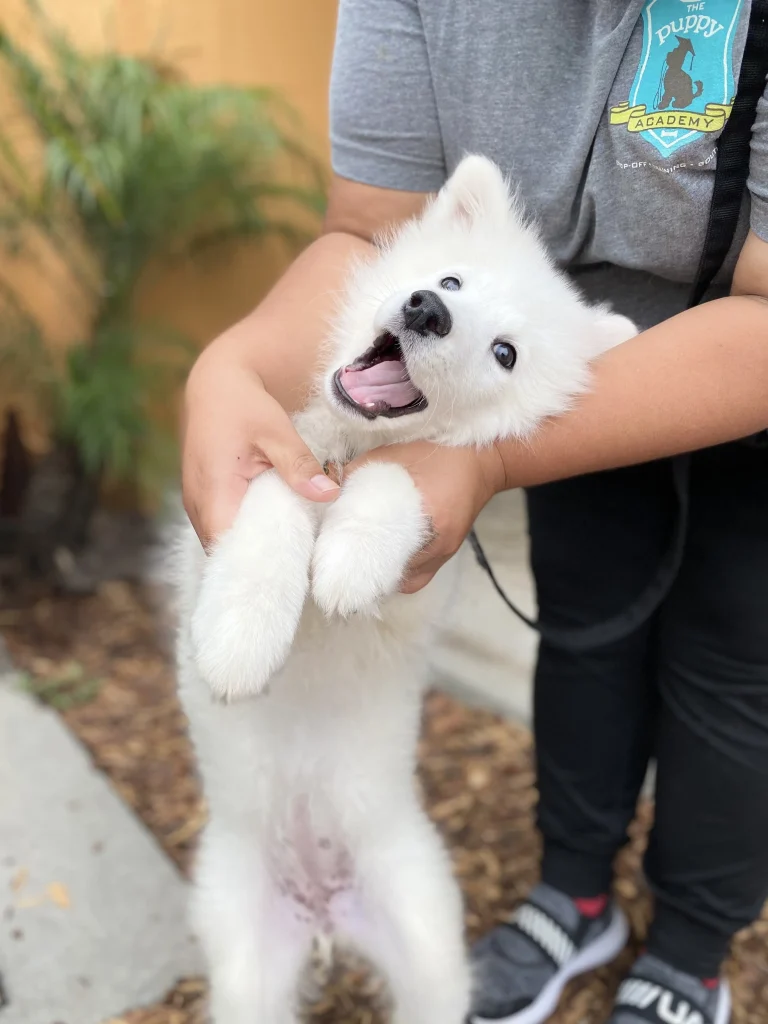
One of the most effective methods in obedience training is positive reinforcement. This approach relies on rewarding desirable behaviors rather than punishing unwanted ones. By employing techniques such as:
- Immediate Rewards: Give treats, verbal praise, or toys immediately after your pet performs the desired action. This timing helps solidify the connection between the command and the action.
- Consistent Commands: Use the same verbal commands paired with specific gestures consistently. This consistency aids in clear communication, helping your pet to better understand what you expect from them.
- Varying Rewards: While some pets may respond well to treats, others might find praise or play more motivating. Experiment with different types of reinforcement to discover what resonates with your pet.
By emphasizing positive behaviors, your pet learns to associate good actions with favorable outcomes, reinforcing a positive environment that facilitates ongoing communication.
Understanding Your Pet’s Behavior
An equally critical aspect of obedience training is being attuned to your pet’s behavior and learning signals. Animals, much like humans, have unique personalities and learning styles. For example, a shy dog may need more encouragement than an outgoing one. Observing behaviors such as:
- Body Language: Pay attention to your pet’s tail position, ear orientation, and facial expressions. These signals can indicate comfort or anxiety, helping you tailor your training approach.
- Attention Span: Adjust the length and intensity of training sessions based on your pet’s focus level. Short, engaging sessions may work best for pets that exhibit signs of disinterest or fatigue.
- Response Patterns: Track and recognize what motivates your pet. Identifying moments of excitement or reluctance can help you adapt your training to maximize success.
By fostering an understanding of your pet’s behavior, you leverage their natural tendencies to build a more effective communication channel, promoting harmony in your household.
Setting Realistic Goals for Training Success
As you navigate through the obedience training landscape, setting realistic goals is vital. Begin with simple commands and gradually increase the complexity of tasks as your pet becomes more adept. For instance, starting with basics like “sit” and “stay” lays the groundwork for more advanced skills. Keep in mind that patience and perseverance are key. Celebrate small victories and stay committed to the process to enhance your bond through effective communication.
| Advantage | Description |
|---|---|
| Improved Bonding | Obedience training fosters a deeper trust and harmony between you and your pet, ultimately leading to a happier relationship. |
| Better Behavior | Effective communication through training diminishes undesirable behaviors, allowing for a more peaceful and enjoyable home environment. |
Obedience training is not merely about teaching commands but is an integral tool for establishing a language that you and your pet can understand. Various techniques, such as positive reinforcement and clicker training, play a pivotal role in achieving effective communication. Pet owners often find that consistent training helps address behavioral problems, boosting confidence in their furry companions. Moreover, the psychological benefits of obedience training extend beyond basic disciplines; it creates a sense of security in pets, making them feel more at home within their environment. This can lead to a reduction in anxiety-driven behaviors, promoting both mental well-being for the pet and peace of mind for the owner. The commitment to training can also pave the way for exciting activities, such as competitive obedience or agility trials. Exploring these methods further, readers may discover how obedience training cultivates a foundation for lifelong learning and adaptability in their pets, ensuring they thrive in new situations and social interactions.
Enhancing the Training Experience Through Play and Engagement
Another key aspect of successful obedience training is integrating elements of play and engagement into your sessions. Training should not feel like a chore for either you or your pet; instead, it should be an enjoyable experience that strengthens your bond. Incorporating fun can help facilitate learning and kickstart communication. Here are some innovative ways to blend playtime with training:
Incorporating Interactive Games
Utilizing games during training can create an atmosphere of excitement and establish effective communication. Games like “hide and seek” or “fetch” can reinforce commands while keeping your pet actively involved. For instance:
- Hide and Seek: Ask your pet to stay while you hide. Call them to find you, rewarding them for following the command and reaching you. This not only promotes command adherence but also strengthens their recall abilities.
- Fetch with Commands: During a game of fetch, incorporate commands like “drop it” when they return. This establishes a connection between play and obedience, making the learning process more dynamic and enjoyable.
Interactive games of this sort train dogs in a way that encourages excitement and fosters communication, supporting a stronger bond between you and your pet.
Utilizing Clicker Training
Another effective technique in obedience training is clicker training. This method utilizes a sound—a distinct click—as a marker that indicates a correct behavior. The clicker paired with positive reinforcement offers clarity to your commands. Here’s how to get started with clicker training:
- Choose the Right Clicker: Select a clicker that produces a clear, distinct sound. Ensure that you can easily reach it during training sessions.
- Pair the Click with Rewards: Initially, click when your pet performs the desired behavior and follow it up with a treat. This creates an association between the click sound and positive reinforcement.
- Gradual Command Introduction: Once your pet begins to understand the connection, introduce verbal commands accompanied by the click sound to build communication further.
Clicker training not only promotes a deeper understanding of commands but also engages your pet in a fun, rewarding manner, enhancing their overall learning experience.
Consistency in Training Environments
The environment in which training takes place also dramatically impacts your pet’s learning. Ensure that you maintain consistency in training environments by practicing commands in various locations. For example:
- Home Training: Start training at home where distractions are minimal, allowing for focused learning.
- Outdoor Adventures: Gradually introduce commands in parks or open areas filled with new smells and distractions. This will help your pet learn to respond to commands regardless of the environment, enhancing their reliability.
- Varying Group Sizes: Train alone initially, then with friends or family to help your pet adapt to different people while also learning the importance of commands amidst various distractions.
By varying training environments, you reinforce your pet’s ability to listen and respond, no matter where they are, establishing robust and effective communication pathways.
Monitoring Progress and Adjusting Techniques
Finally, monitoring your pet’s progress throughout the obedience training journey is crucial. Take notes on what works and what does not, and be prepared to adjust your techniques as needed. For instance:
- Behavior Journals: Keep a training journal to document successful techniques and challenges faced. Reviewing this information can reveal trends in learning and areas that need reinforcement.
- Feedback from Observers: Involving another pet owner or trainer can provide fresh perspectives on your approach. They might spot habits or techniques that you may have overlooked.
- Being Adaptive: Don’t hesitate to tweak your methodology if you notice that your pet responds better to a different type of reward or command style. Tailoring your training to fit their evolving needs can lead to significant breakthroughs.
This continuous evaluation ensures that you remain in tune with your pet’s learning process, enhancing your ability to communicate effectively and joyfully.
Conclusion
In the realm of obedience training, the journey transcends mere command and response; it evolves into a profound dialogue between you and your pet. By enhancing training experiences with elements of play, incorporating innovative techniques such as clicker training, and maintaining consistency across various environments, you nurture a communication style that solidifies your bond. Remember, training is not a one-size-fits-all process; it requires adaptability and a keen awareness of your pet’s unique learning style.
Moreover, documenting your progress not only helps in recognizing achievements but also enables you to make informed adjustments to your methods. Effective communication hinges on understanding and responding to your pet’s needs, reinforcing their learning while creating a joyful atmosphere throughout the process. These practices empower your pet to thrive, ensuring they become well-mannered companions who understand and respect the commands you establish together.
As you embark on this rewarding journey, consider the holistic aspects of training and engagement. From interactive games to building trust through positive reinforcement, the possibilities are endless. As you invest time and effort into obedience training, you unlock new dimensions in your relationship with your pet, fostering mutual respect and deeper understanding. So, take the first step today—your pet is waiting to learn, play, and communicate with you in ways that you have yet to explore.