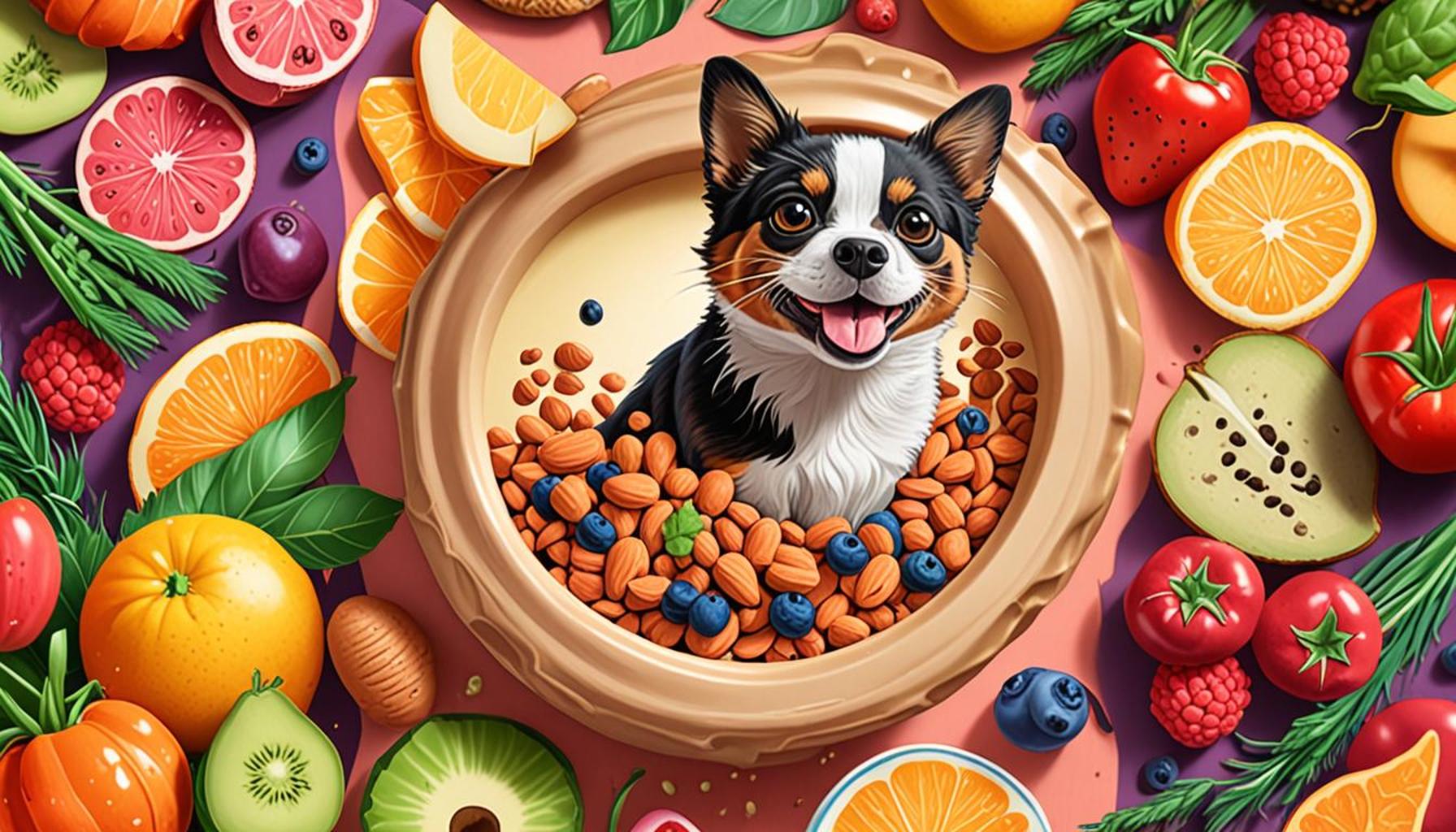
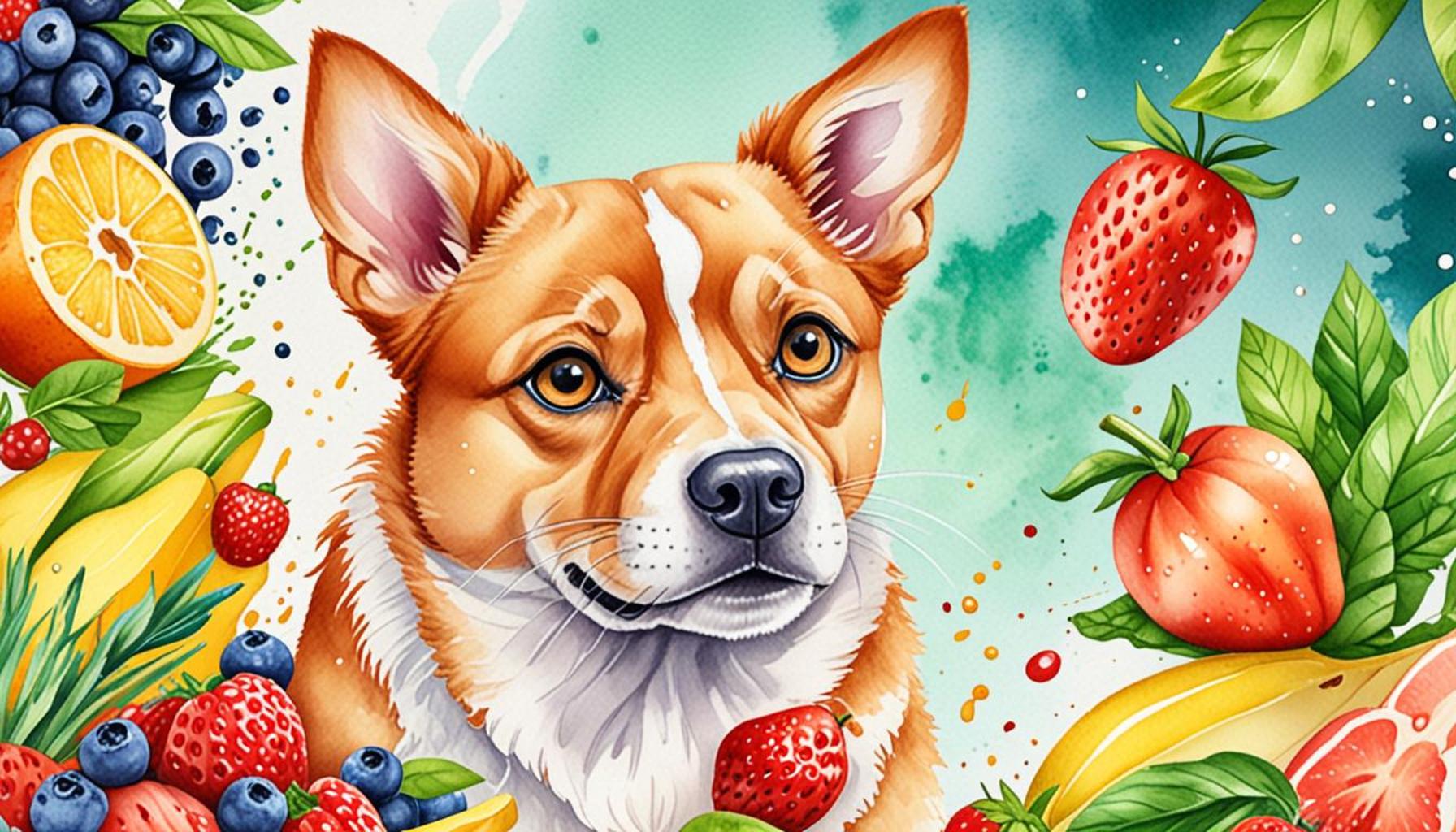
Nutrition and Mental Health: How Food Affects the Emotional Well-Being of Animals

Unraveling the Connection Between Food and Feelings
The relationship between nutrition and emotional well-being transcends human beings, extending to the animal kingdom as well. Pets and other animals exhibit profound changes in behavior and emotional states that can often be traced back to their diets. This connection is one that every pet owner and animal caregiver should take seriously, as it can dramatically impact the quality of life for the animals in their care.
For instance, dietary impacts are crucial to consider when assessing an animal’s mood. Research has indicated that specific nutrients, such as omega-3 fatty acids, play a significant role in brain health. These fatty acids, commonly found in fish oil and flaxseed, have been shown to reduce symptoms of anxiety and depression, not just in humans but also in dogs and other pets. A study conducted at the University of Veterinary Medicine in Vienna found that dogs supplemented with omega-3s displayed less behavioral issues, reinforcing the idea that what they eat plays a direct role in their mood.
Changes in diet can also lead to behavioral changes. For example, a sudden switch from a balanced diet to one high in fillers and low-quality ingredients may result in increased aggression, lethargy, or anxiety in pets. A dog’s energy levels are often tied to their diet; a high-protein diet can lead to improved stamina and a more jovial demeanor, while a carbohydrate-heavy diet may leave them feeling sluggish and irritable. Observant pet owners might notice that their usually playful dog becomes withdrawn following a change in their food, highlighting the direct correlation between dietary composition and day-to-day mood.
Each animal species has its own unique set of species-specific needs that can greatly influence their mental health. For example, while dogs can thrive on a mix of animal proteins and healthy grains, cats are obligate carnivores requiring a diet rich in animal-based proteins. When these dietary needs aren’t met, the consequences can be severe, leading to stress, anxiety, and distress behavior in animals. Cats fed a diet missing essential taurine, an amino acid critical for heart and eye health, may exhibit changes in behavior, including aggression and anxiety, resulting from the physiological stresses on their body.
As we delve deeper into the exploration of nutrition as a pivotal factor in mental health, we unlock a new understanding critical for enhancing the quality of life for animals. This knowledge invites pet owners to reflect on their feeding practices and encourages them to be more mindful about their pets’ dietary choices. Ultimately, providing a well-balanced diet rich in essential nutrients can contribute significantly to an animal’s emotional stability, reinforcing the idea that the right food could indeed be the remedy to many behavioral woes.
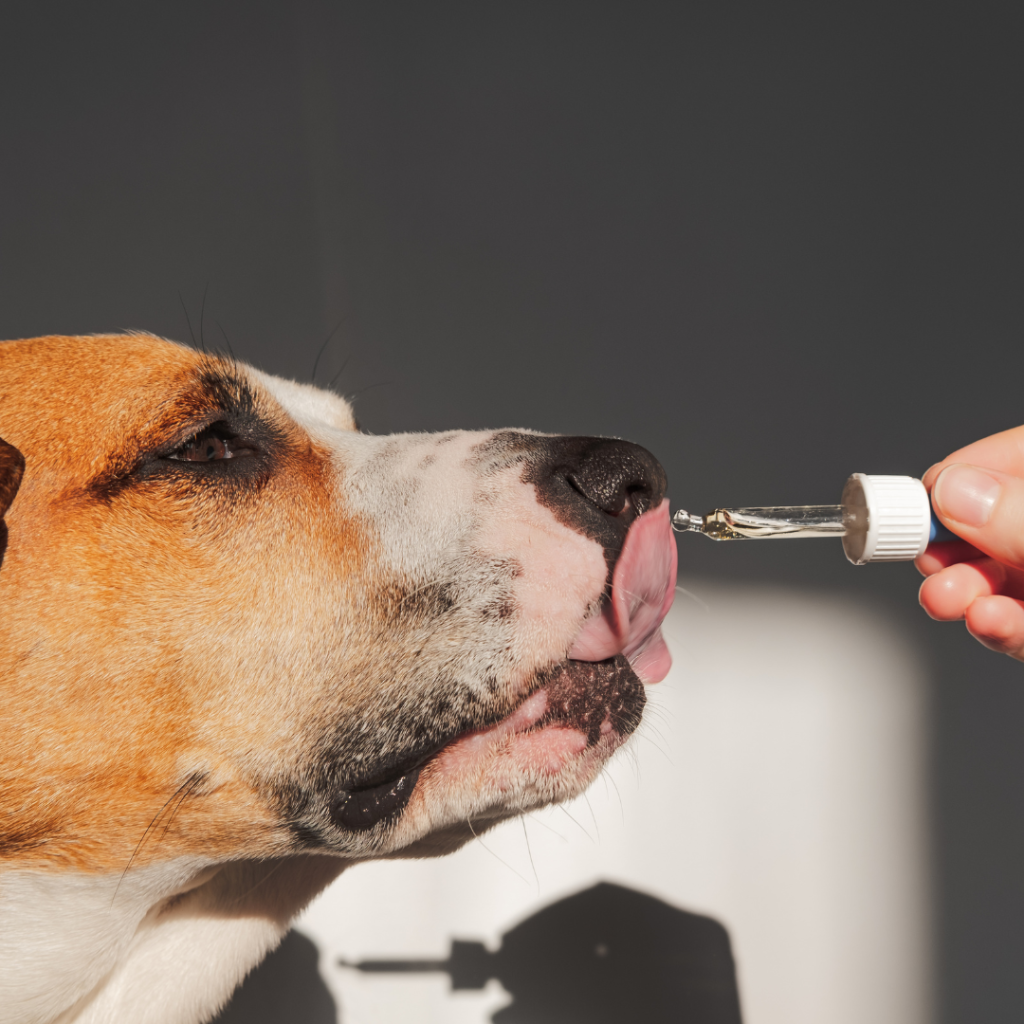
DISCOVER MORE: Click here to enhance your cat’s behavior
The Role of Nutrients in Emotional Stability
Understanding the specific nutrients that contribute to improved emotional states in animals can provide a roadmap for fostering their mental health. Just as humans may thrive on certain dietary components, animals benefit from a balanced intake of essential vitamins and minerals. For instance, B vitamins are essential for brain function and mood regulation. Deficiencies in these vitamins, especially B6, B12, and folic acid, have been linked to increased anxiety and irritability in pets. Ensuring that an animal’s diet includes adequate sources of B vitamins—such as leafy greens, whole grains, and animal proteins—can help alleviate symptoms of emotional distress.
Another critical nutrient is tryptophan, an amino acid that serves as a precursor to serotonin, the “feel-good” neurotransmitter. Pets that receive diets rich in tryptophan, commonly found in turkey, chicken, and certain dairy products, may experience increased calmness and reduced anxiety levels. This principle sheds light on why some animal diets that include these elements can lead to changes in behavior, enhancing overall emotional well-being.
In addition to specific nutrients, the balance of macronutrients plays its own crucial role in an animal’s emotional health. A well-composed diet that equally balances proteins, carbohydrates, and fats can lead to stable energy levels and better mood regulation. For example, a diet that is overly high in carbohydrates may cause fluctuations in energy, leaving animals feeling lethargic or hyperactive, which can manifest as behavioral issues. Conversely, a diet rich in quality protein sources can stabilize energy and enhance both physical and mental acuity, effectively uplifting an animal’s emotional state.
Key Components of a Nutritious Animal Diet
So, what should be included in a nutrient-rich diet tailored to support the mental health of animals? Here’s a list of key considerations:
- High-Quality Protein: Includes meat, fish, eggs, and legumes that aid in muscle development and energy.
- Healthy Fats: Sources like fish oil and flaxseed provide omega-3 fatty acids necessary for brain health.
- Fruits and Vegetables: Rich in antioxidants and fiber, they promote digestive health and help reduce anxiety-inducing oxidative stress.
- Whole Grains: Brown rice and oats can offer stable energy levels, preventing mood swings associated with high-sugar diets.
- Essential Vitamins and Minerals: A balanced mix of these micronutrients, particularly B vitamins and magnesium, can help maintain emotional equilibrium.
Through this lens, the diet of an animal becomes more than just a source of sustenance; it acts as a foundation upon which emotional and mental health can be built. As pet owners and caregivers become more aware of the direct link between nutrition and mental health, they are encouraged to reevaluate their pets’ diets. By optimizing nutrition, we can take proactive steps towards ensuring the overall happiness and emotional stability of the animals we cherish.
| Category | Details |
|---|---|
| Balanced Diet Impact | A balanced diet promotes overall health, influencing emotional stability and behavior. |
| Nutritional Deficiencies | Lack of essential nutrients can lead to anxiety, depression, and increased stress in animals. |
In examining the relationship between nutrition and mental health, it’s essential to recognize that a balanced diet acts as a crucial support system for an animal’s emotional well-being. For instance, incorporating essential fatty acids, like omega-3, can significantly affect brain function and mood regulation. Studies indicate that animals fed diets rich in these healthy fats exhibit reduced anxiety and improved cognitive function, showcasing the power of nutrition not just as sustenance but as a determinant of mental health.Conversely, one must consider the impact of nutritional deficiencies. Vitamin B12 and zinc deficiencies, for example, have been linked to symptoms of depression and behavioral issues in various animal species. This highlights the necessity for pet owners and caretakers to ensure that the animals under their care receive a spectrum of nutrients necessary for their mental and emotional well-being. The profound connection between food and feelings cannot be overlooked; in understanding the dietary needs of animals, we pave the way for improved emotional stability and behavior.
DIVE DEEPER: Click here to discover more about balanced nutrition
Behavioral Impacts of Diet on Animals
The correlation between nutrition and emotional health extends beyond physiological changes; it can significantly influence behavioral patterns in animals as well. Research suggests that animals consuming nutrient-deficient diets demonstrate more signs of aggression, anxiety, and behavioral abnormalities. This observation opens a crucial dialogue about how improper diet can exacerbate behavioral issues, leading to long-term challenges for pets and their owners alike.
An example often illustrated is seen within the realm of cats and dogs. Pets that consume processed foods high in refined sugars and fillers can experience fluctuations in their energy levels, which may lead to increased hyperactivity or depressive symptoms. For instance, dogs fed a diet focused more on convenience than nutrition may manifest signs of disruptive behavior, like constant barking or destructive chewing, which can often be attributed to their unregulated energy levels. This chaotic pattern underscores the need for whole-food ingredients that provide the necessary nutrients to maintain stable moods.
Moreover, the role of omega-3 fatty acids cannot be overstated. These essential fats have been extensively studied for their potential to support cognitive function and emotional stability. Fatty fish like salmon, sardines, and mackerel are rich sources of omega-3s and have been shown to reduce aggression and anxiety in both pets and wildlife populations. Studies indicate that animals with higher omega-3 levels tend to exhibit calmer behaviors, likely due to the anti-inflammatory properties of these fats that contribute to overall brain health.
Understanding the Role of Gut Health
Another intriguing area of research revealing the connection between nutrition and emotional health is the burgeoning field of gut health. The gut-brain axis—a complex communication network linking the gut and the brain—highlights how gut health can influence mental well-being in animals. A healthy gut microbiome, cultivated by a diet rich in prebiotics and probiotics from foods like yogurt or fermented vegetables, can positively impact mood and behavior. Recommendations for supporting gut health include incorporating fibrous fruits, vegetables, and grains that nurture beneficial gut bacteria, subsequently aiding in emotional regulation.
It is also crucial to recognize the role of environmental factors in relation to dietary choices. Stressors in an animal’s living environment can be mitigated through a supportive dietary regime. For example, the introduction of calming herbal supplements, such as chamomile or valerian root, in conjunction with a nutrient-dense diet can create a holistic approach to managing anxiety and stress. Additionally, pet food companies are now formulating blends specifically targeting anxiety and stress relief, demonstrating that the industry is starting to embrace this vital connection.
Innovative research has begun linking specific nutrient deficiencies to dysregulated hormones that influence emotional states. A study published in recent years highlighted how low magnesium levels correlate with higher instances of anxiety in dogs. With this information in hand, pet owners are encouraged to assess if their furry friends are getting the right balance. Foods rich in magnesium, such as spinach, pumpkin seeds, and black beans, can be particularly helpful in supporting mental health and establishing a calmer demeanor.
As we continue to unravel the intricate relationships between nutrition and mental health in animals, it becomes increasingly clear that what we choose to feed our pets can have profound implications for their emotional well-being. By fostering healthy dietary habits, we can significantly improve not only their physical health but also their happiness and behavioral stability, creating a more harmonious relationship between pets and their families.
DON’T MISS: Click here to learn how pets can boost your mental health
Final Thoughts on Nutrition and Mental Health in Animals
As we delve deeper into the intricate connections between nutrition and mental health, it becomes increasingly evident that what we feed our pets plays a crucial role in shaping their emotional and behavioral well-being. A judicious selection of nutrient-rich foods can not only enhance physical health but also promote positive behavioral patterns, supporting the idea that a healthy diet is fundamental to an animal’s happiness. Ingredients such as omega-3 fatty acids, vitamins, and minerals serve vital functions, impacting everything from cognitive function to stress management. The emphasis on whole foods and the integration of gut-friendly ingredients demonstrates a significant stride toward improving animals’ lives.
Moreover, recognizing the interplay between an animal’s diet and environmental factors can empower pet owners to create a holistic approach to their care. As the pet industry adapts, innovations in dietary formulations that target emotional stability are becoming readily available, presenting a unique opportunity for enhancing our furry companions’ well-being. Pet owners should be encouraged to consult with veterinarians about optimal dietary choices and consider how these impacts can lead to lasting effects on their pets’ emotions and behaviors.
In conclusion, the journey toward understanding the ramifications of nutrition on animals’ mental health is ongoing. By prioritizing a balanced and nourishing diet and fostering a nurturing environment, we equip our pets with the tools they need to thrive emotionally and psychologically. Our choices have the power to cultivate a fulfilling and harmonious relationship with our beloved animals, aligning their dietary needs with their emotional health for a happier life together.