Natural vs. Commercial Foods: What is Better for Your Pet?
What to Feed Your Furry Friend?
Choosing the right food for your pet can be overwhelming, given the abundance of options available today. Pet owners often face a critical question: Natural or Commercial foods? Each choice comes with its own set of benefits and concerns that can leave you pondering what’s truly best for your furry companion.
The Appeal of Natural Foods
Many pet owners are drawn to natural foods for several compelling reasons. One of the most significant advantages is ingredient transparency. Natural foods often utilize recognizable, wholesome ingredients, making it easier for owners to identify exactly what their pets are consuming. This can foster a higher level of trust in the product. For instance, brands like Blue Buffalo and NOW Fresh are known for their commitment to using real meats, whole grains, and fresh fruits and vegetables without fillers or by-products.
Additionally, natural foods tend to contain fewer additives. They are less likely to be laden with artificial preservatives, colors, or flavors, which can lead to potential allergies or adverse reactions in sensitive pets. This is particularly vital as many pets today suffer from various allergies that can be exacerbated by certain chemicals found in commercial food.
Furthermore, the health benefits associated with natural diets can be impressive. Many pet owners report improvements in their pets’ digestion, energy levels, and even coat health after switching to a natural diet. Ingredients such as omega fatty acids found in fish oil and probiotics are often included in these foods, contributing to a healthier gut and glowing fur.
The Convenience of Commercial Foods
On the other hand, commercial pet foods have their unique advantages that cannot be overlooked. One of the most appealing factors is accessibility. Available in most supermarkets and pet stores, these options provide easy and convenient choices for busy pet parents who may not have the time to prepare fresh meals. Major brands like Purina and Pedigree have a wide range of products that cater to various dietary requirements and life stages.
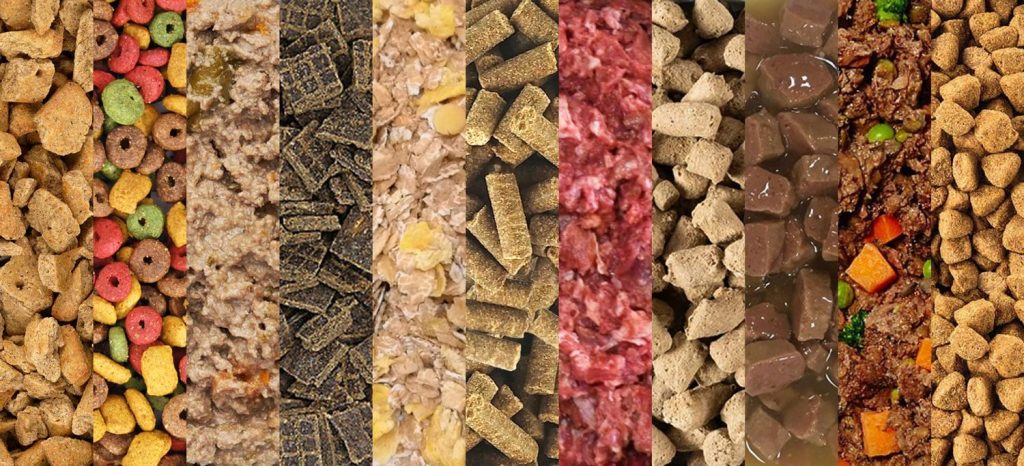
Another advantage is formulation consistency. Many established brands ensure balanced nutrition tailored to specific pet needs, including age, size, and health conditions. For example, veterinary-prescribed diets are often available commercially, ensuring that pets with specific health issues receive the nutrients they need.
Moreover, while some pet owners may wish to provide the best for their companions, affordability is a critical factor for many. Commercial foods often come at a lower price point, making them budget-friendly. With options ranging from value brands to premium selections, pet owners can make choices that align with their financial situation while still aiming for quality.
Both choices raise important questions about ingredients, sourcing, and the impact on your pet’s health. Understanding the nuances of each option will help you make an informed decision that suits both your pet’s needs and your lifestyle. Dive deeper into the specifics of formulations, read ingredient lists, and consult with veterinarians to ensure you are providing a diet that supports your furry friend’s health and happiness. The right choice is just a little research away!
LEARN MORE: Click here for essential cat care tips
Navigating the Food Choices for Pets
When weighing the benefits of natural versus commercial foods, it’s essential to explore the key differences in ingredients, nutritional value, and long-term health effects on your pet. Both types of food offer distinct advantages that merit consideration depending on your pet’s individual needs and your lifestyle as an owner.
Ingredient Quality: The Heart of the Matter
One of the defining characteristics of natural foods is their emphasis on whole ingredients. Often produced with a commitment to a wholesome diet, natural pet foods tend to steer clear of artificial enhancers. For example, many brands prioritize using human-grade ingredients, which signals higher quality and more stringent health regulations during production. This focus on whole food composition supports better digestion and overall health.
In contrast, commercial pet foods can vary widely in quality. While some renowned brands maintain high standards, others may include by-products and fillers that offer minimal nutritional value. Pet owners need to look for the following indicators when selecting commercial diets:
- Meat Source: Look for products that specify identifiable meat sources (like chicken or beef) rather than generic terms.
- Grain Quality: Whole grains are preferable to inexpensive fillers like corn or wheat.
- Preservatives: Select brands that utilize natural preservatives over artificial ones, which might pose health concerns.
Nutritional Balance: Meeting Special Needs
The nutritional balance of pet food is crucial. Natural pet foods often aim to recreate a diet similar to what your pet would eat in the wild. As a result, these foods are frequently higher in protein content and lower in carbohydrates, aligning with a more carnivorous diet for dogs and cats alike. This can be especially beneficial for pets with specific dietary needs, such as those with allergies or sensitivities.
On the other hand, commercial foods are meticulously formulated to meet the AAFCO (Association of American Feed Control Officials) standards for complete and balanced nutrition. This ensures they contain the necessary vitamins and minerals tailored to your pet’s life stage, whether they are a growing puppy or a senior cat. Furthermore, veterinary-prescribed diets, commonly available in commercial forms, cater specifically to pets with health issues, offering targeted solutions that may not be possible with natural diets alone.
Supporting Dietary Choices with Research
As you consider which path to pursue for your pet’s diet, it’s vital to conduct thorough research. Read labels carefully, seek recommendations from veterinarians, and watch for any changes in your pet’s health and behavior in response to dietary shifts. Remember, what serves your pet best today may evolve as they age or their health needs change.
Ultimately, you are an advocate for your pet’s well-being, and the choice of natural versus commercial foods is just the beginning of the journey toward providing a balanced, healthy diet. Exploring what resonates with your pet can lead to a rewarding relationship and enhanced quality of life.
| Natural Foods | Commercial Foods |
|---|---|
| Whole Ingredients | Convenience |
| Natural foods often contain whole, unprocessed ingredients, allowing pet owners to know exactly what their pets are consuming. | Commercial foods are readily available, easy to store, and provide a balanced mix of nutrients designed for convenience. |
| Health Benefits | Research and Development |
| Natural diets are linked to improved digestion, shiny coats, and overall vitality. | Commercial foods benefit from extensive research and nutritional science which can create products that meet specific dietary needs. |
In exploring the ongoing debate between natural and commercial foods for pets, it is essential to consider the unique elements that each category brings to the table. Natural foods offer the advantage of whole ingredients, allowing pet parents to comprehend what their furry friends consume. Additionally, the health benefits associated with natural diets show promise in areas such as digestion and vitality. Conversely, commercial foods shine when it comes to convenience. They are available in a variety of formulations supported by research and development, aimed at ensuring that pets receive all necessary nutrients in a practical manner. Balancing these factors can lead to informed decisions in providing the best nutrition for your pets.
DISCOVER MORE: Click here to learn about the significance of balanced nutrition for your pet’s health
Understanding the Impact on Health and Longevity
The debate regarding natural versus commercial foods extends beyond ingredients and nutritional balance; it also delves into the overall health and longevity of pets. A pivotal aspect to consider is how different diets can influence your pet’s long-term well-being. Studies have shown varying impacts, and pet owners need to be aware of what these diets can potentially mean for their furry companions.
Health Risks of Low-Quality Ingredients
One of the prominent concerns with certain commercial pet foods is the potential for low-quality ingredients contributing to health issues. Research indicates that some pets fed low-tier commercial diets are at risk for conditions like obesity, diabetes, and digestive problems. Animal nutritionists frequently point out that fillers and by-products offer minimal bioavailability, meaning that key nutrients may not be effectively absorbed by pets, ultimately compromising their health.
Conversely, many natural pet foods have been associated with improved metabolic function and weight management. This improvement often stems from higher protein content and the absence of artificial fillers. Furthermore, pets that thrive on natural diets may exhibit enhanced energy levels and better coat health, suggesting a more holistic impact on their overall quality of life.
Ingredient Transparency and Allergen Awareness
Transparency in ingredient sourcing is another crucial differentiator between natural and commercial foods. Natural pet food brands often provide clear information about their ingredients and sourcing practices, helping owners identify food sensitivities and allergies. For example, some pets may be allergic to common commercial food ingredients, such as chicken or grains, without the owner being aware of the specific cause.
With natural foods, owners can opt for limited-ingredient diets tailored to their pets’ needs. This approach can reduce instances of allergic reactions or gastrointestinal distress and offers a straightforward way to monitor and adjust dietary elements based on your pet’s specific allergic responses.
The Cost Factor: Balancing Quality and Affordability
Cost is an undeniable consideration in the pet food debate. While some natural pet foods may have a higher price tag, pet owners should weigh this against the potential cost of veterinary bills incurred due to health issues caused by lower-quality commercial diets. Investing in quality pet food can yield long-term savings by reducing the likelihood of illness.
However, it is essential to recognize that not all commercial foods are low in quality. Many brands offer premium options that use quality ingredients while still being relatively affordable. Pet owners should strive to find products that align with their budgets yet still provide the best possible nutrition for their pets.
The Role of Veterinary Guidance
Another vital resource in this dietary exploration is your veterinarian. They can offer personalized recommendations based on your pet’s specific needs, lifestyle, and health status. Whether leaning toward natural or commercial foods, veterinary guidance can help you navigate the best options for your pet, ensuring their dietary choices align with their health goals.
As the landscape of pet nutrition continues to evolve with ongoing research and innovation, understanding both natural and commercial options enables pet owners to make informed decisions ultimately enhancing their pets’ health and happiness.
LEARN MORE: Click here to discover what to expect during the adoption process
Final Thoughts on Natural vs. Commercial Pet Foods
In the ongoing debate of natural vs. commercial foods, it is clear that the choice is multifaceted, shaped by various factors including health implications, ingredient quality, allergen concerns, and cost. As pet owners, it is essential to assess not only the nutritional value of what we feed our furry companions but also how it impacts their overall well-being.
Natural pet foods often shine in providing higher quality, digestible ingredients, which can lead to improved health outcomes such as better weight management, enhanced energy levels, and clarity about potential allergens. In contrast, while some commercial foods can be made with high-quality ingredients, others may rely on fillers that may not support optimal health. This disparity leads to an equally valid concern regarding transparency in the ingredients used in mass-produced pet food.
Cost and accessibility also cannot be overlooked. While natural options may sometimes come at a premium, the long-term savings associated with improved health and minimized veterinary expenses can justify the investment. Ultimately, what stands out is the importance of individual considerations; no one diet will suit every pet. Each animal has unique needs and preferences, making it critical for owners to thoroughly examine product labels, conduct research, and most importantly, consult with veterinarians. These professionals can guide you toward making an informed decision that aligns with your pet’s specific dietary needs.
As you navigate the myriad options available, remember that the ultimate goal is to enhance your pet’s life—sometimes, this journey leads you to discover exciting new foods that tantalize their taste buds while nourishing their bodies. So, whether leaning towards natural or opting for high-quality commercial foods, taking the time to understand and choose wisely is essential for the happiness and longevity of your beloved pet.