Natural Foods vs. Commercial Feed: What is Best for Your Pet?
Choosing the right diet for your beloved pet can feel overwhelming. With a myriad of options available, pet owners are often caught between natural foods and commercial feed. Each choice presents unique benefits and challenges that can significantly impact your pet’s health. Understanding the nuances of these diets can help pet owners make better choices tailored to their furry companions.
Natural Foods
Natural pet foods typically consist of whole ingredients that more closely resemble the diets of wild animals. This can include raw meats, fish, fruits, and vegetables. The focus is on maximizing nutrition while minimizing artificial additives. Key features of natural foods include:
- Fresh ingredients: These products usually lack artificial preservatives, dyes, and fillers, making them a purer option for your pet’s diet. For example, instead of corn and soy, which are often used as fillers in cheaper pet foods, natural diets prioritize meats and wholesome grains like brown rice or quinoa.
- High-quality protein sources: Lean meats, such as chicken, turkey, or fish, provide essential amino acids that are critical for maintaining energy and supporting muscle function. Some pet owners also turn to vegetarian or vegan options that include lentils and chickpeas to ensure protein intake while respecting dietary preferences.
- Nutrient density: Natural foods are often rich in vitamins, minerals, and omega fatty acids, contributing to a shiny coat and overall well-being. For instance, a diet high in omega-3 fatty acids can help reduce inflammation and promote healthy skin.
Commercial Feed
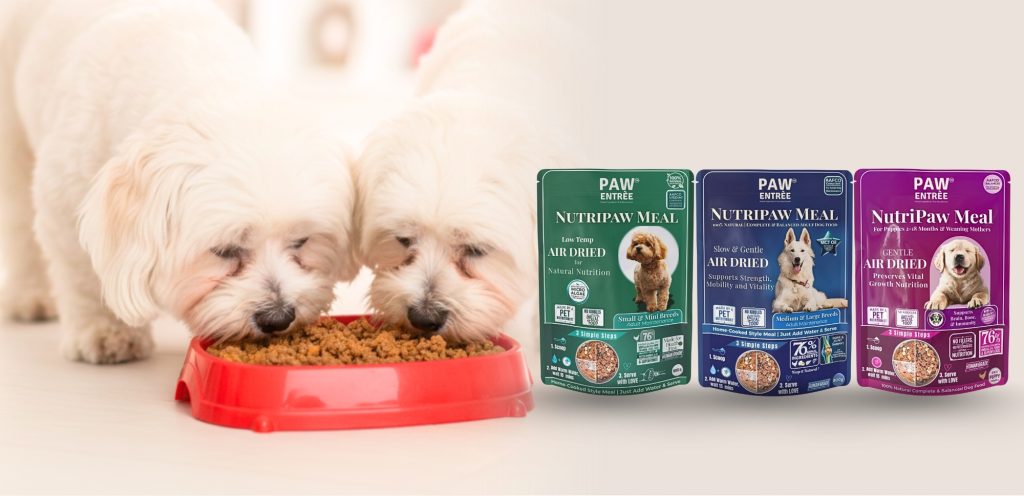
On the other hand, commercial pet food is conveniently packaged and expertly formulated to meet specific dietary requirements laid out by pet food standards. This can be particularly appealing for busy pet owners or those with multiple pets. Notable characteristics of commercial feed include:
- Cost-effective: Typically, commercial pet food options are more budget-friendly than natural foods, making them accessible for families looking to feed multiple pets without overspending.
- Extended shelf life: Many commercial feeds include preservatives that ensure the food remains fresh longer, reducing waste and providing convenience for pet owners who may not purchase food frequently.
- Convenience: Available in a variety of flavors, textures, and types—from grain-free to breed-specific formulations—commercial feeds cater to diverse pet preferences and needs.
Overall, understanding the pros and cons of these dietary options is essential. By considering your pet’s age, activity level, and any existing health concerns, consumers can make informed decisions. For instance, senior pets may benefit from a diet low in calories but high in fiber, while an active puppy may thrive on a protein-rich diet. As the discussion continues, pet owners will discover which option is ultimately best for their furry companions.
It is also crucial for pet owners to consult with veterinarians or animal nutritionists when making significant dietary changes. These professionals can provide tailored advice and ensure that your pet receives all the necessary nutrients to thrive.
The Benefits of Natural Foods
Many pet owners are increasingly leaning towards natural foods for their pets, driven by a desire for a cleaner, more wholesome diet. The appeal lies not just in the ingredients but also in a holistic approach to pet health that mimics a more ancestral way of eating. This trend is gaining traction in the United States, where an increasing number of pet stores are offering organic and holistic options. Here are some important benefits to consider:
- Minimally Processed Options: Natural foods undergo fewer processing techniques than commercial feeds, retaining more of the nutritional value that can be lost during manufacturing. This is critical as many vitamins and minerals are sensitive to heat and processing methods. The presence of fresh ingredients like vegetables and fruits contributes to a robust nutrient profile.
- Customization: One of the most significant advantages of a natural diet is the ability to customize it for your pet’s specific needs. Whether your pet suffers from allergies, weight issues, or specific health conditions, natural foods can be adjusted to create a tailored meal plan. This level of personalization is often hard to find in mass-produced commercial foods.
- Improved Digestibility: A diet rich in natural ingredients can lead to better digestion for many pets. Ingredients like sweet potatoes and pumpkin are packed with fiber, which aids in maintaining healthy gut function. Improved digestion can lead to less bloating and more manageable waste, making clean-up easier for pet parents.
However, it’s essential to approach the idea of natural food with a balanced mindset. While the benefits are compelling, some pet owners may find preparing these meals time-consuming and sometimes costly. Additionally, ensuring that a natural diet meets all the required nutritional standards can be challenging without proper knowledge or guidance. This is where consulting with a veterinarian becomes vital to establish a complete and balanced meal plan for your pet.
The Evolving Landscape of Commercial Feed
In contrast, commercial feed remains a significant player in the pet food industry due to its availability and the technical expertise that goes into formulating these diets. Most commercial pet foods are designed to provide a complete nutrition profile that meets the requirements set by the Association of American Feed Control Officials (AAFCO). Here are some characteristics of commercial pet food that make it an attractive option:
- Scientific Formulation: Many commercial foods are created with input from veterinarians and animal nutritionists, ensuring that your pet’s dietary health is paramount. They often contain a precise mix of nutrients needed for optimal health, making them a reliable choice for pet owners.
- Wide Variety: The commercial pet food market is immense, offering everything from grain-free options to specialty diets suited for individual health concerns like weight management, sensitive stomachs, or skin issues. This range allows pet owners to cater to their pets’ tastes and specific needs easily.
- Convenient Availability: Available in supermarkets, pet stores, and online retailers, commercial feeds are a convenient choice for pet owners. They come ready to serve, relieving pet owners of the preparation stress associated with natural diets.
The choice between natural foods and commercial feed ultimately hinges on personal priorities regarding quality, convenience, and budget. Both diets offer unique advantages—one prioritizing natural ingredients, while the other is grounded in scientific formulation. As pet owners evaluate their options, understanding these key aspects can help illuminate the best path for their four-legged family members.
Understanding the Differences in Pet Nutrition
When it comes to choosing the right diet for your beloved pet, the decision often boils down to two main options: natural foods and commercial feed. Each option provides unique advantages and potential drawbacks that can significantly impact your pet’s health and well-being. Let’s delve deeper into this subject to help you make an informed choice.Natural Foods typically encompass whole foods, including raw meats, vegetables, and grains that mimic what pets might consume in the wild. Advocates of a natural diet suggest that it offers enhanced nutritional value, with less processing and fewer additives. These foods are often rich in vitamins, minerals, and essential fatty acids, promoting better overall health and immune function. Additionally, they may cater to specific dietary needs such as allergies or sensitivities, offering a customized approach to pet nutrition.On the other hand, commercial feed encompasses a wide range of packaged kibble and wet foods, often produced to meet the nutritional guidelines established by governing bodies. These products are convenient, easily accessible, and designed to provide a balanced diet in one package. Many pet owners appreciate the research-backed formulations in commercial feeds, often enriched with vitamins and fortified to ensure their pets receive a comprehensive array of nutrients. Yet, it’s essential to consider factors such as ingredient quality and source when choosing commercial feed, as formulations can vary drastically between brands. The presence of fillers, preservatives, and low-quality meat sources can lead to concerns regarding your pet’s long-term health.
Advantages of Each Approach
To further elucidate the comparative benefits of these two dietary options, the following table highlights key aspects of natural foods and commercial feed:
| Natural Foods | Commercial Feed |
|---|---|
| Whole, unprocessed ingredients | Convenience and accessibility |
| Tailored nutrition for sensitive pets | Formulated to meet nutritional guidelines |
| Potential for higher quality | Variety and flavors |
By weighing the benefits of both natural foods and commercial feed, pet owners can make a more informed decision, aligning their choice with their pet’s habits, health concerns, and overall lifestyle. Exploring the unique aspects of each option continues to shape the conversation around optimal pet nutrition.
Understanding the Drawbacks of Each Option
While both natural foods and commercial feed have their merits, they each come with certain drawbacks that potential pet owners should consider before making a decision regarding their pet’s diet.
Challenges of Natural Foods
As enticing as a diet made up of natural ingredients may sound, there are several challenges associated with it. Many pet owners who pursue a natural diet might face obstacles such as:
- Time and Effort: Preparing meals using fresh, whole ingredients can be significantly more time-consuming compared to simply scooping out kibble. The need for meal planning, shopping for fresh produce, and cooking can be daunting for busy pet owners.
- Cost Factors: Natural foods can be more expensive than commercial pet food alternatives. The cost of premium cuts of meat, organic vegetables, and specialty items can add up quickly, potentially making it an impractical choice for some households.
- Nutritional Completeness: Crafting a balanced meal that meets all dietary needs requires extensive knowledge of animal nutrition. Pet owners may inadvertently create diets that lack crucial vitamins and minerals, leading to long-term health issues. Professional guidance is often recommended, which can incur additional costs.
Limitations of Commercial Feed
On the flip side, commercial pet food also has its set of limitations, which are worth exploring. While they offer convenience, certain concerns have surfaced:
- Quality Variability: Not all commercial pet foods are created equal. Some brands cut costs by using low-quality ingredients, artificial additives, or fillers. This has become a significant concern in recent years, leading to some instances of recalls due to contaminated or improperly formulated products.
- Lack of Personalization: While commercial feeds come in various formulas targeting different health issues, they may still lack the customized approach that a natural diet offers. Every pet has unique needs based on their age, health, and breed, and it can be tricky to find a one-size-fits-all solution.
- Potential Allergens: Commercial pet foods often contain grains or by-products that may trigger allergies in certain pets. Despite the advancements in formulating for specific sensitivities, some pets might still react negatively to common ingredients found in commercial options.
Conducting Your Own Research
With much conflicting information on natural foods vs. commercial feed, conducting thorough research is essential. Reading ingredient labels, understanding the nutritional specifics of different diets, and consulting with a veterinarian can provide invaluable insights. Consider joining pet owner forums or local community discussions to hear others’ experiences and recommendations.
Ultimately, pet owners should weigh the pros and cons and determine the best fit based on their pet’s specific needs, lifestyle, and budget. As you delve deeper into the nutritional world, remember that informed choices pave the way for healthier and happier lives for our beloved companions.
Concluding Insights on Pet Nutrition Choices
In the ongoing *Natural Foods vs. Commercial Feed* debate, there is no one-size-fits-all answer for pet owners striving to provide the best nutrition for their furry friends. Both dietary options possess significant benefits and drawbacks, each catering to different lifestyles, preferences, and financial circumstances. Natural foods resonate with pet owners who prioritize whole ingredients and have the time and resources to prepare balanced meals. On the other hand, commercial feed offers unparalleled convenience, variety, and accessibility, making it a pragmatic choice for many.
In light of the potential pitfalls of both options, informed decision-making becomes crucial. It is essential for pet parents to research the nutritional values, ingredient sourcing, and safety record of the chosen products. Consulting with a veterinarian not only enhances understanding of a pet’s specific dietary needs but also helps navigate the maze of options available today. Engaging in conversations with fellow pet owners can provide insights and comfort, transforming the journey into a collective pursuit of better animal health.
Ultimately, the best diet for your pet hinges on careful consideration of their unique health needs, your lifestyle habits, and your budget constraints. Remember, *empowered pet ownership* isn’t solely about the food in the bowl; it’s a commitment to fostering a fulfilling and healthy life for your beloved companions. As you embark on this journey, remain open to adapting dietary choices as your pet ages or as new food innovations emerge, ensuring they receive the best possible care throughout their lives.