Integration of Adopted Animals into Homes with Children: Tips and Recommendations for a Smooth Transition
Welcoming a Furry Family Member
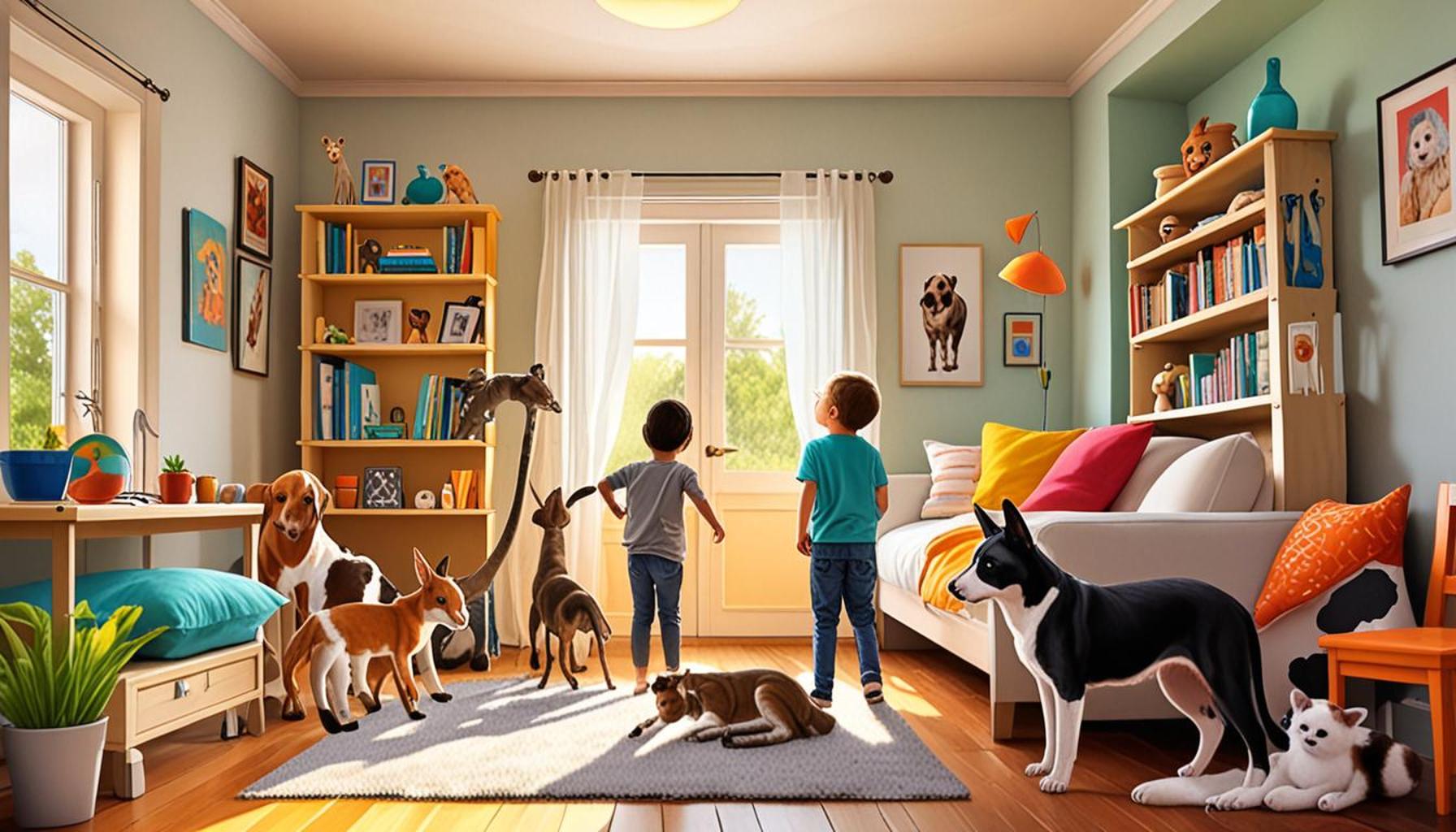
Bringing an adopted animal into a home with children can be an exhilarating experience. However, it’s essential to ensure that this transition is as smooth as possible for both the pet and the kids. Understanding the dynamics of integrating a new pet can make a significant difference in this exciting journey.
Why It Matters
The right approach to introducing a new animal can foster mutual respect and affection among family members. Establishing a relationship with a pet provides numerous emotional and psychological benefits.
- Emotional Growth: Children who care for pets often demonstrate increased empathy as they learn to recognize and respond to the feelings of others. For instance, pets can express joy, fear, or discomfort, and understanding these states helps children develop a compassionate viewpoint.
- Bonding Opportunities: Shared experiences between pets and children—such as playtime, walks, or training—can create stronger family ties. Engaging in activities together fosters a sense of teamwork and partnership, strengthening relationships and creating memories.
- Companionship: Pets offer comfort and affection. A furry friend can provide a sense of security for children, lessening feelings of loneliness or anxiety. The unconditional love from a pet can be incredibly reassuring, particularly during a tumultuous time in a child’s life.
Preparation is Key
Setting the stage before the new arrival is crucial for a seamless adjustment. Thoughtful planning ahead of time can alleviate stress for both the family and the pet.
- Educate Children: Teach kids about animal behavior, care routines, and the responsibilities that come with pet ownership. For example, explaining the importance of gentle handling and recognizing a pet’s body language can pave the way for a healthier relationship.
- Create a Safe Space: Designate a comfortable area for the pet—such as a quiet corner with their bed, toys, and food—where they can retreat whenever they need some downtime. This helps the pet feel secure in their new environment and allows children to understand the importance of respecting the pet’s boundaries.
- Gather Supplies: Before the new pet arrives, ensure your home is fully equipped with essential items like food, toys, a litter box or leash, and cozy bedding. By having everything in place, you create an inviting atmosphere that eases the transition process.
With thoughtful preparation and a few strategic tips, integrating an adopted animal into your home can lead to a rewarding experience for everyone involved. Taking these essential steps can ensure a successful transition—and ultimately, a happy and harmonious household. As you embark on this journey of companionship and love, remember that patience and understanding are key in nurturing both the pet’s and the children’s adjustment. With proper support, the bond developed will be invaluable, creating cherished memories that last a lifetime.
DON’T MISS: Click here to learn more about puppy socialization</p

Understanding Your New Pet’s Needs
Integrating an adopted animal into a home with children requires a careful understanding of the pet’s needs and behavior. Each animal carries its own history, personality, and quirks, which significantly contribute to their adjustment process. By becoming attuned to these aspects, families can create a nurturing environment that supports both the pet and the children during this transitional phase.
Establishing Trust and Comfort
Animals, especially those that have been adopted, may come with their own set of insecurities and fears. It’s crucial to prioritize establishing a strong bond of trust. Here are some practical strategies to help pets feel more secure in their new environment:
- Patience is Paramount: Allow the pet to acclimate at their own pace. Rushing interactions, especially in the initial days, can lead to stress and anxiety for the animal. Take time to observe their behavior and let them approach family members when they feel ready.
- Consistent Routines: Animals thrive on consistency. Establishing a daily routine for feeding, walks, and playtime helps the pet understand expectations, making them feel more secure. Involving children in these routines encourages responsibility while fostering a connection.
- Positive Reinforcement: Utilize treats, praise, and affection to reward desired behaviors. For instance, rewarding calm behavior or when the pet approaches a child can strengthen the bond and promote positive interactions.
Supervision and Safety
Ensuring the safety of both children and pets is paramount during the integration process. Children are often curious and may not fully understand the boundaries needed for healthy interactions with animals. Here are tips to prioritize safety:
- Direct Supervision: When the pet and children are interacting, always supervise these encounters. This ensures that both parties feel safe and reduces the risk of unintentional harm during play.
- Teach Boundaries: Educate children on how to approach and handle the pet. Show them the importance of approaching slowly, speaking softly, and respecting the animal’s space. Instilling these guidelines will empower children to build a respectful bond.
- Quiet Zones: Create specific areas in the home where pets can retreat when they need quiet time. These zones should be off-limits to children, allowing the furry family member a safe haven to recharge away from the hustle and bustle.
Creating a successful integration experience hinges on open communication, patience, and a well-defined understanding of both the pet’s and children’s needs. By laying a strong foundation filled with trust, security, and safety, your family will pave the way for harmonious coexistence and deepen their connections with their newest furry friend.
Understanding the Needs of Both Children and Pets
Integrating adopted animals into homes with children can be a heartwarming experience. However, it requires a comprehensive understanding of both children’s and pets’ needs. To ensure successful integration, it is important to consider the emotional and physical needs of both parties. Children may experience a myriad of emotions from excitement to anxiety when welcoming a new pet, while adopted animals may feel overwhelmed in their new environment.
Creating a Safe Space
Before introducing a new pet, creating a designated safe space for the animal within the home is crucial. This area should be a calm and comfortable zone with access to food, toys, and their bedding. Equally, establishing boundaries for children to help them understand how to gently interact with their new furry friend ensures that both parties feel secure.
Supervised Interactions
Always supervise the initial interactions between children and adopted animals. This allows parents to guide their children’s behavior and the pet’s comfort level. Teaching children how to approach pets slowly and respectfully is key in fostering a positive relationship. Emphasizing gentle touches and avoiding sudden movements can help reduce stress for both the pet and the child.
Patience is Key
Adopting a pet is a big transition for any family member. It is essential to recognize that patience is critical during this adjustment phase. Animals may take time to acclimate to their new surroundings, and children will need to understand that building a bond can take days or even weeks. Providing both with encouragement and positive reinforcement during this period can lead to a flourishing relationship.
Educational Opportunities
Integrating pets into homes with children also presents excellent opportunities for education. Teaching children about responsible pet ownership fosters respect and empathy towards animals. When children participate in feeding, grooming, and caring for their new furry friend, they learn valuable life skills. Incorporating fun educational resources, such as books and videos, can deepen their understanding and enhance their experience with their new pet.
| Category | Advantages |
|---|---|
| Emotional Support | Pets provide unconditional love and companionship, helping children build emotional resilience. |
| Social Skills Development | Caring for a pet teaches children communication, empathy, and teamwork. |
The journey of integrating adopted animals into homes with children is filled with opportunities for shared growth and understanding. By prioritizing patience, safety, and education, families can forge deep and lasting bonds.
DISCOVER MORE: Click here for expert tips on choosing the right food
Building Lasting Relationships
Establishing a meaningful relationship between adopted animals and children requires intentional efforts from the entire family. Fostering positive interactions not only enhances the bond between the pet and the kids but also helps develop important life skills among children, such as empathy and responsibility. Here are some strategies to cultivate these vital relationships:
Involving Children in Care Activities
Engaging children in the daily care of the pet can significantly enhance their sense of connection. By assigning age-appropriate tasks, families can encourage a sense of ownership and responsibility. Consider the following approaches:
- Feeding and Grooming: Involve children in feeding routines or grooming sessions. Children can take turns filling the water bowl or helping with brushing. Supervising these tasks gives parents an opportunity to teach children about proper treatment and care, fostering a better understanding of their pet’s needs.
- Training and Tricks: Basic training sessions can be fun for both the pet and the children. Teaching commands such as “sit,” “stay,” or even simple tricks can strengthen communication and trust. Utilize positive reinforcement techniques, and make sure to celebrate the small victories to keep the experience enjoyable.
- Exercise Together: Encourage family walks or playtimes in the yard. Activities such as walking the dog or playing fetch not only provide necessary exercise for the pet but also create shared experiences, reinforcing the bond between animal and child.
Educating Children about Animal Behavior
Understanding animal behavior can significantly reduce the risk of misunderstandings that may lead to stress for both the pet and the children. Teaching children about how animals communicate can enhance their interactions:
- Recognizing Signs of Stress: Educate kids on the signs that indicate a pet is feeling overwhelmed, such as backing away, hiding, or showing a tucked tail. This awareness allows children to know when to give the animal space.
- Understanding Play Styles: Not all pets engage in play the same way. Help children understand the most appropriate ways to interact based on the pet’s personality. For example, some dogs enjoy vigorous play while others may prefer gentler activities.
- Discussing the Importance of Respect: Teach children that pets have feelings and deserve kindness. Reinforcing that quick movements or loud noises may startle or scare the pet can foster an environment of mutual respect.
Promoting Emotional Support
For many families, pets serve as emotional support systems. Recognizing the unique role that adopted animals can play in children’s emotional well-being is essential:
- Encouraging Expressive Connections: Allow children to express their feelings towards the pet through activities like drawing or writing stories about their experiences. Such activities can empower children to articulate their thoughts and feelings while fostering an emotional bond with their new companion.
- Creating a Safe Emotional Outlet: Pets can provide comfort in moments of frustration or sadness. Encourage children to talk to their pets as they would a friend. This not only helps them cope with their emotions but also strengthens their bond and enhances the pet’s role as a confidant.
Integrating an adopted animal into a home with children demands a multifaceted approach that encompasses trust-building, education, and shared responsibilities. Through these efforts, families can create a harmonious living environment where both pets and children thrive together, resulting in remarkable relationships that enrich each other’s lives.
DIVE DEEPER: Click here to learn more
Conclusion
Successfully integrating an adopted animal into a home with children is a rewarding yet challenging journey that requires thoughtful preparation and ongoing effort. As outlined in this article, the keys to a smooth transition lie in fostering meaningful connections, educating children about animal behavior, and promoting shared responsibilities. Each of these elements not only benefits the adopted pet by easing their adjustment but also enhances the children’s emotional and social development.
By actively involving children in care routines, such as feeding, grooming, and training, families instill a sense of ownership and empathy, crucial qualities that extend far beyond their relationship with the pet. Furthermore, educating children about animal body language and stress signals cultivates awareness, helping prevent potential misunderstandings and ensuring safe interactions. Encouraging kids to express their emotions towards their pets provides a solid emotional outlet, highlighting the profound impact that animals can have on their overall well-being.
The integration process is not merely about adopting a new family member; it’s an opportunity for families to learn and grow together. To delve deeper into this enriching experience, consider exploring community resources such as local shelters, training classes, or family workshops. The bonds formed during this transition can lead to lifelong connections, benefiting both children and their beloved companions. As you embark on this exciting adventure of animal adoption, remember that a little patience, understanding, and love can make all the difference in creating a harmonious home where both pets and children flourish together.