
How to Prepare Your Home for a New Pet: Practical Resources and Safety Tips
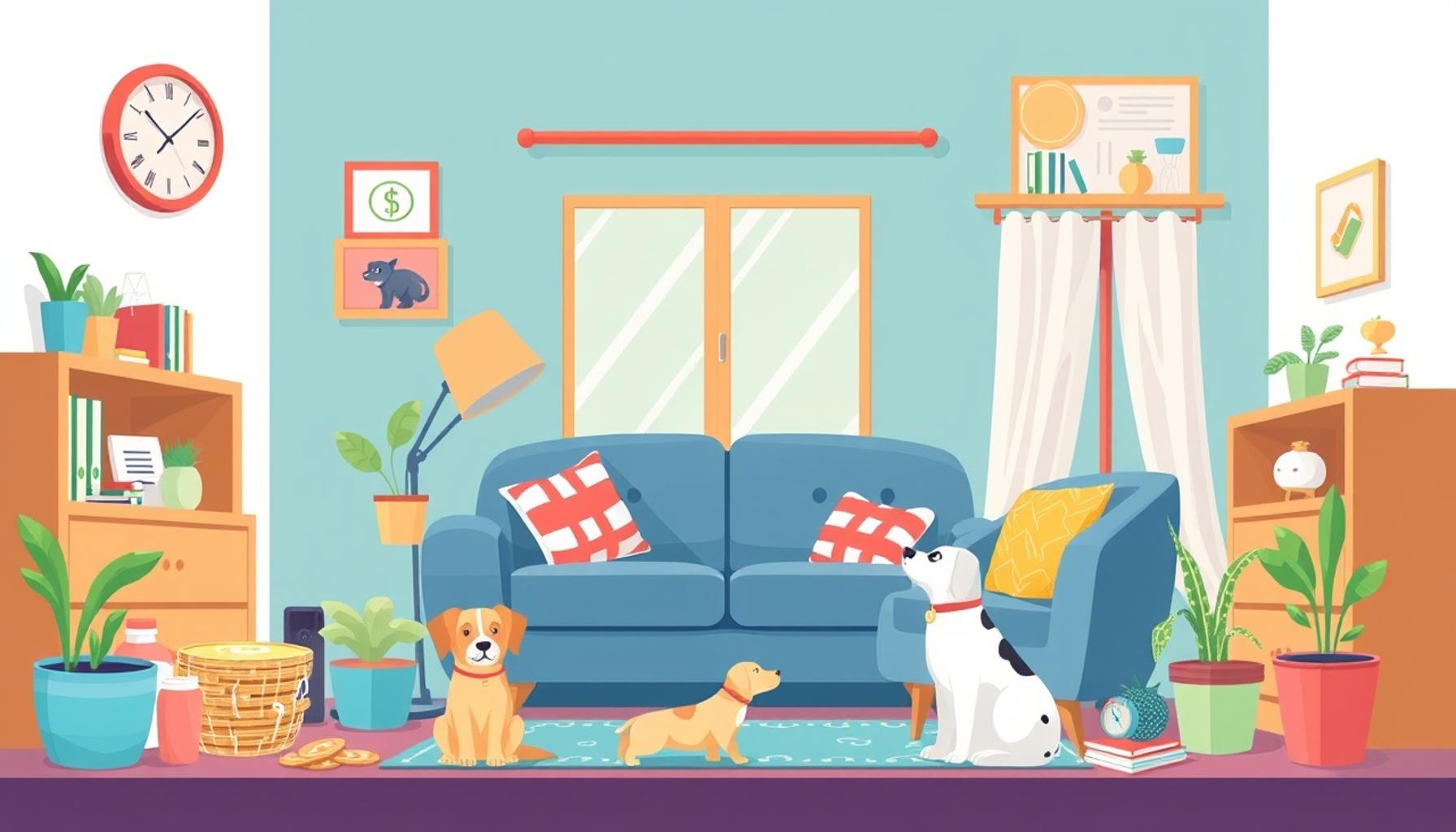
Welcoming a New Furry Friend
Bringing a new pet into your home is an exciting adventure, filled with endless love and joy. However, it’s essential to ensure your living space is safe and conducive for your new companion. This preparation not only creates a welcoming environment but also ensures that your pet feels at home from day one.
Essential Steps to Consider
When preparing your home for a new pet, several crucial aspects need your attention:
- Pet-proofing: Begin by removing any potential hazards that could pose a risk to your new furry friend. This can include toxic plants such as lilies or poinsettias, small objects like loose change or buttons that can be accidentally swallowed, and electrical cords that can be chewed on. Furniture can also be rearranged to eliminate climbing hazards and to create more open spaces conducive to play.
- Creating a safe space: Designate a comfortable area in your home where your pet can retreat to feel secure. This includes providing a cozy bed, food, and water bowls, as well as a few toys. Dogs, for example, may appreciate a quiet corner away from foot traffic, while cats often enjoy elevated spaces where they can observe their surroundings. This designated area will help your pet acclimate and will serve as their safe haven.
- Stocking up on supplies: Before your new pet arrives, it’s crucial to gather all necessary supplies. Depending on the type of pet, this can include food suited to their age and breed, litter for cats, grooming tools for maintaining a clean coat, as well as plenty of engaging toys to foster play and interaction. Selecting high-quality products can greatly impact your pet’s health and happiness.
In addition to these steps, educating yourself about the specific needs and behaviors of your new pet is vital. For instance, if you’re adopting a playful puppy, understanding basics like crate training and housebreaking will be crucial. Similarly, knowing the natural instincts of a kitten or how to care for an exotic pet like a reptile can significantly ease the transition for both you and your furry friend.
Resourceful Tips for New Pet Owners
There are countless resources available to help you in this journey, ensuring that you are well-prepared for the responsibilities ahead. Some valuable options include:
- Veterinary advice: Scheduling a check-up with a veterinarian shortly after your new pet arrives is key. They can provide necessary vaccinations, health tips, and guidance tailored to your pet’s species and breed. This visit also allows you to ask questions about nutrition, behavior, and preventative care.
- Local pet groups: Joining community forums or social media groups can be incredibly beneficial. You can connect with fellow pet owners who can share experiences, offer advice, and provide support. Many areas also have local meet-ups for pets that can help facilitate socialization.
- Online articles and guides: The internet is flooded with resources ranging from pet care to training techniques. Websites and blogs dedicated to specific types of pets offer an abundance of information that can help new pet owners navigate common challenges—from harness training a dog to the intricacies of maintaining a fish tank.
As you prepare for your new companion, keep in mind that the goal is to provide a nurturing environment that prioritizes safety and comfort. Taking the time to adequately prepare will lay the foundation for a lasting bond with your new pet, enabling both of you to enjoy many delightful moments together as your relationship grows.
Setting the Stage for a Smooth Transition
Once you’ve decided to welcome a new pet into your home, the next step is to set the stage for a seamless transition. This not only involves practical measures to prioritize their safety but also ensures that their initial experience in your home is as comfortable as possible. A well-prepared environment can alleviate stress for both you and your pet, allowing your relationship to ignite positively.
Pet-proofing Your Living Space
Pet-proofing is a cornerstone of creating a safe environment. Begin your preparations by conducting a thorough walkthrough of your home, identifying potential hazards. Here are some tips to achieve an optimal living space:
- Secure Toxic Items: Many household items can be hazardous to pets. Keep cleaning supplies, medications, and garden products stored out of reach. You might also want to research common plants that are toxic to pets, such as azaleas or sago palms, and replace them with pet-friendly varieties.
- Childproofing Tactics: Sometimes, using childproof safety latches on cabinets can be effective to keep curious pets from getting into hazardous areas. It is also wise to anchor furniture to the wall to prevent it from tipping in case your new pet decides to climb or jump.
- Loose Cords and Wires: Ensure that electrical cords are either concealed or secured. Pets, especially puppies and kittens, are known for their curiosity, and chewing on cords can result in dangerous shocks.
- Cleaning Supplies: Pet owners often overlook household products while pet-proofing. Store items like air fresheners, laundry detergents, and certain essential oils out of reach, as they can be harmful to pets. Always read labels to confirm safety for your specific pet species.
Establishing a Comfort Zone
To help your new pet acclimate, setting up a designated comfort zone in your home is essential. This safe space should be tailored to the specific needs of your pet and can significantly affect their well-being:
- Cozy Bed: Provide a warm, soft bed or blanket in a low-traffic area where your pet can relax without disturbances. A designated sleeping area promotes a sense of security.
- Food and Water Stations: Ensure that food and water stations are easily accessible but situated away from high-traffic spots in your home. Choose sturdy and easy-to-clean bowls to accommodate spills.
- Interactive Toys: Set up a few toys that stimulate both mental and physical activity. This distraction can prevent boredom and unwanted behavioral issues.
Every pet is unique and may respond differently to their new environment. Taking the time to create a tailored space will not only facilitate a smoother transition but will also foster a sense of belonging in your new companion.
Moreover, understanding your chosen pet’s specific needs—from the type of exercise they require to their socialization levels—will establish a foundation for a successful and enriching experience in your home.
Creating a Safe Environment
When you decide to welcome a new pet into your home, the first step is to ensure that your living space is safe and welcoming. Begin by identifying any potential hazards. This includes chemicals, small objects that could be swallowed, and exposed electrical cords. Secure loose items and store harmful substances out of reach. It’s also essential to designate a specific area for your new pet, which can be an escape-proof space where they can feel comfortable and safe. Consider providing a cozy bed, food and water bowls, and some toys to help them acclimate to their new surroundings.
Gathering Essential Supplies
Preparing for a new pet requires assembling the right supplies. Prioritize pet safety by investing in a quality leash, collars with identification tags, and sturdy pet gates. Additionally, ensure that you have the appropriate type of food, based on your pet’s age and breed, along with a feeding schedule to maintain their health.Don’t forget to stock up on grooming tools specific to your pet’s needs, such as brushes or nail clippers. Investing in a proper pet carrier is also prudent for trips or emergencies, ensuring your pet travels in safety and comfort.
Pet-Proofing Your Home
Pet-proofing is a vital step that involves adjusting your home environment. Secure heavy furniture to prevent tipping, and ensure that windows and balconies are safeguarded against curious paws. Use child-proof locks on cabinets that contain potentially dangerous objects, such as cleaning supplies or medications.Additionally, keep all wires and cords out of reach to prevent chewing, which can lead to electric shocks. By thoughtfully planning your space and eliminating risks, you create a secure haven that allows your new pet to thrive.
Utilizing Resources and Support
Beyond physical preparations, don’t hesitate to seek advice from experts and fellow pet owners. Numerous resources, both online and in-person, offer valuable insights on care, training, and nutrition. Local veterinarians often provide consultations on preparing your home, offering tailored advice for your specific pet type.Consider joining online communities or local pet clubs where you can share experiences and learn from others. Gathering information from diverse sources can help ease the transition for both you and your new furry family member.
Creating a Predictable Routine
Establishing a predictable routine is vital for your new pet’s adjustment. Animals thrive on structure; it can help reduce anxiety and enhance their comfort in an unfamiliar setting. Creating a consistent schedule for feeding, walking, and playtime reinforces positive behaviors, provides security, and fosters trust between you and your pet.
Feeding and Nutrition
When you bring a new pet home, selecting the right food plays a significant role in their health and happiness. Consult your veterinarian to choose a diet that meets the specific needs of your pet’s age, size, and breed. Here are some tips to consider when forming a feeding routine:
- Portion Control: Avoid overfeeding by measuring out appropriate portions based on your pet’s nutritional guidelines. Obesity can lead to serious health problems, so maintaining an ideal weight is crucial.
- Regular Feeding Schedule: Establish consistent meal times each day. Most pets thrive with a routine, which also aids in potty training and digestion.
- High-Quality Ingredients: Research and choose foods that list high-quality protein as the first ingredient. Consider avoiding fillers and artificial preservatives to promote long-term health.
Routine Exercise and Engagement
Exercise is imperative for your pet’s physical and mental well-being. Depending on your pet’s species and breed, the amount of exercise required can vary significantly. Here’s how to integrate essential activity into your pet’s daily life:
- Daily Walks: For dogs, regular walks not only provide physical exercise but also expose them to various smells and environments, essential for stimulation. Stick to a schedule, such as morning and evening walks, to help your dog understand when to expect outings.
- Interactive Play: Cats and dogs alike benefit from engaging play sessions. Investing in a variety of toys, such as balls, feather wands, or puzzle feeders, will keep your pet mentally stimulated and physically active.
- Socialization Opportunities: Arrange for playdates with other pets, or consider enrolling your dog in group training sessions. Early socialization can ease behavioral issues and help your pet develop confidence.
Understanding Behavioral Signals
Your pet’s behavior will provide cues about their comfort level in the new environment. It’s essential to recognize these signals to support their adjustment:
- Body Language: Pay attention to your pet’s body language. A tucked tail or flattened ears usually indicates fear or discomfort, while an excited wagging tail denotes happiness. Understanding these signals can guide your interaction.
- Vocalizations: Cats may meow or growl when stressed, while dogs may bark or whine. Responses like these can indicate anxiety, boredom, or a desire for attention. If your pet vocalizes frequently, assess their needs and try to address them.
- Safe Retreats: Provide spaces where your pet can withdraw when feeling overwhelmed. This retreat allows them to decompress without feeling threatened, contributing to their overall acclimatization.
Being attuned to your pet’s needs and behavior allows you to address their concerns proactively, ensuring a smoother transition into your home. As you build a solid routine, you promote stability, nurture trust, and ultimately deepen the bond between you and your furry friend.
Final Thoughts on Welcoming a New Pet
Bringing a new pet into your home is an exciting journey filled with joy, companionship, and responsibility. As outlined in this guide, preparing your home effectively is crucial in providing a safe and nurturing environment for your furry friend. Establishing a well-structured routine, ensuring proper nutrition, and incorporating regular exercise are essential components that contribute to your pet’s overall well-being.
Moreover, being observant of your pet’s behavioral cues allows you to cater to their emotional needs during this transitional phase. Understanding body language and vocalizations will not only enrich your relationship but also facilitate a smoother adaptation process. Consider creating designated safe spaces where your new pet can retreat when feeling overwhelmed. This simple step can significantly enhance their comfort level in your home.
To maximize the success of your pet integration, don’t hesitate to utilize resources like local pet training classes, behavioral workshops, or online forums to share experiences and gather insights. It’s important to remember that this is not merely about accommodating a new addition but nurturing a long-lasting bond that emerges through trust and companionship.
As you embark on this fulfilling adventure, keep in mind that every pet is unique and may require a personalized approach. By following these practical resources and safety tips, you can ensure that your home becomes a haven where your new pet thrives, learns, and above all, becomes a beloved member of your family.