How Technology Influences Sleep Quality and Tips for Digital Detox
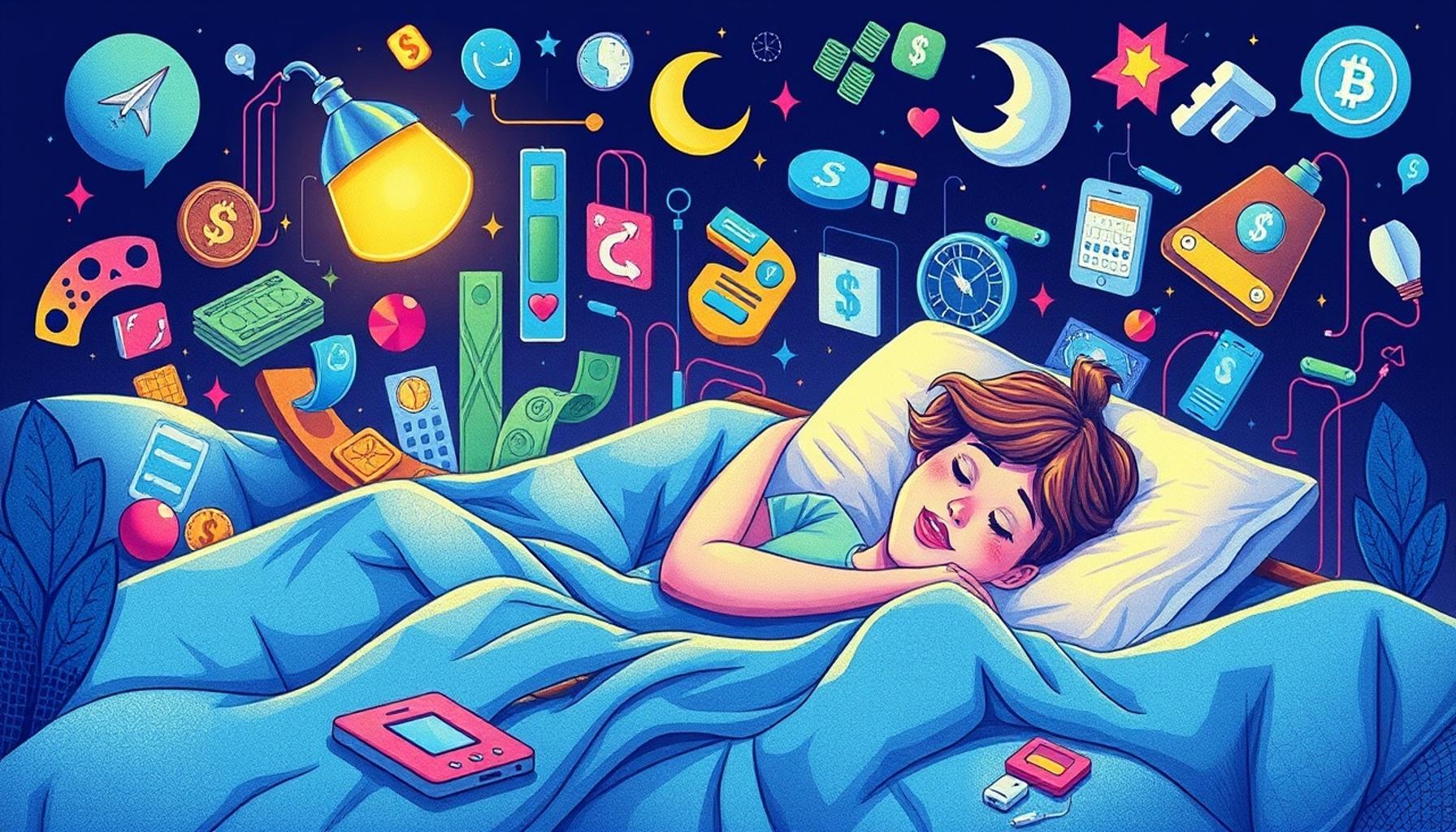
Understanding the Impact of Technology on Sleep
In today’s fast-paced world, technology has become an integral part of our daily lives. But while it brings numerous conveniences, it also has a profound effect on our sleep quality. An alarming trend shows that around 70 million Americans struggle with sleep disorders, many linked to excessive technology use. Research indicates that inadequate sleep can contribute to a host of health issues, including obesity, diabetes, and cardiovascular disease. Therefore, understanding how technology affects our rest is more critical than ever.
The connection between technology and sleep can be summarized in a few key points:
- Blue Light Exposure: Screens emit blue light that interferes with melatonin production, delaying sleep onset. A study by Harvard Health found that exposure to blue light in the evening can disrupt circadian rhythms, making it difficult to fall asleep. As a result, many individuals unknowingly sabotage their sleep by scrolling through social media or watching TV right before bed.
- Increased Stimulation: Engaging content, such as videos and social media, keeps our brains alert and makes winding down more challenging. The dopamine released while interacting with stimulating content can create a cycle of dependency that fuels late-night usage, further compounding sleep issues.
- Remote Work: The rise of remote jobs often blurs the lines between work and personal life, reducing consistent sleep schedules. With the convenience of working from home, many people find themselves working longer hours, leading to irregular sleep patterns that are often less restorative.
As people become more aware of these factors, the concept of a digital detox is gaining traction. Many are seeking ways to disconnect from their devices and reclaim their sleep as part of their overall well-being. This trend has sparked interest in workshops and online courses focused on not just promoting better sleep, but also healthier technology use.
Strategies for achieving this detox can include:
- Setting screen time limits: Many smartphones now come equipped with built-in features to track and limit daily screen time, encouraging users to log off after a certain hour.
- Establishing tech-free zones in the home: Designating bedrooms as screen-free sanctuaries can be beneficial. For example, many experts recommend leaving devices in another room to help signal the brain that it’s time to unwind.
- Opting for relaxation techniques before bedtime instead of screen time: Activities such as reading a physical book, practicing yoga, or engaging in meditation can foster a calming environment conducive to sleep.
Exploring these issues further can illuminate how we can balance technology use with healthier sleep habits. Understanding the impact of technology allows us to make informed choices for our well-being. Embracing this knowledge not only enhances our sleep quality but can also improve several aspects of our daily lives, encouraging us to be more productive and engaged in our day-to-day interactions.
The Science Behind Sleep Disruption
The relationship between technology usage and sleep quality has been extensively studied, and the results are concerning. High usage of devices—especially in the evening—can intrude on the natural sleep cycle. Research from the American Academy of Sleep Medicine indicates that exposure to screens before bedtime can lead to significantly longer time taken to fall asleep, reducing overall sleep duration and quality.
To understand how technology affects sleep, we must examine several contributing factors:
- Cognitive Load: When we engage with digital devices, our brains remain active. The constant processing of information, from social media feeds to news articles, can elevate stress levels and prolong mental stimulation. This heightened alertness can interfere with the body’s natural winding-down process, impeding sleep quality.
- Notifications and Alerts: For many, the incessant ping of notifications can be detrimental to a peaceful night’s rest. The anticipation of a new message or alert activates the brain’s reward center, making it difficult to ignore these disturbances even when we want to sleep, leading to fragmented sleep and inefficiency.
- Altered Sleep Patterns: The ubiquitous nature of mobile devices can lead to irregular sleep schedules. Frequent engagement with screens can keep individuals up late, disrupting the circadian rhythm, which can affect not just sleep, but mood, energy levels, and overall health.
As the understanding of these patterns grows, many have started to seek out the benefits of a digital detox. This approach is not merely a trend; it’s a necessity for many looking to improve their health and sleep. Engaging in periods of reduced screen time has been shown to result in better sleep, leading to improved focus and productivity the following day.
Some practical strategies for implementing a successful digital detox include:
- Creating a “Tech Curfew”: Establishing a designated time to disconnect from screens, ideally at least an hour before bedtime, can help signal to your body that it’s time to wind down and prepare for rest.
- Implementing Mindful Tech Usage: Before reaching for the phone, consider engaging in offline activities. Journaling, drawing, or simply reflecting can be healthier alternatives that promote relaxation without the stimulating effects of digital content.
- Utilizing Screen Filters: For those who must use devices in the evening, consider employing software or applications that reduce blue light exposure or adjust your screen’s brightness, making it less disruptive to your sleep.
By taking these proactive measures, individuals can mitigate the adverse effects of technology on sleep. Understanding the science behind sleep disruption and actively seeking alternatives lays the foundation for healthier sleep habits. Ultimately, reclaiming sleep is not just about avoiding screens—it’s about fostering an environment that values and enhances our overall well-being.
How Technology Influences Sleep Quality
Today’s digital landscape profoundly impacts our sleep quality, often leading to disrupted sleep patterns. With the advent of smartphones, tablets, and computers, individuals find themselves constantly connected, blurring the lines between day and night. Blue light emitted from screens interferes with the production of melatonin, the hormone that regulates sleep. Research indicates that using electronic devices before bedtime can delay sleep onset, making it crucial for individuals to be aware of their nighttime habits.
Engaging with social media, binge-watching shows, or even working late can keep the brain alert and stimulated. Consequently, this stimulation can lead to difficulties in falling asleep or even maintaining continuous sleep throughout the night. Moreover, it is essential to recognize that such habits not only affect sleep duration but also compromise the quality of rest, resulting in daytime fatigue and diminished cognitive function.
Digital Detox: Reclaiming Sleep
To combat these challenges, a digital detox can be a game-changing approach. Dedicating specific time blocks to disconnect from technology can vastly improve sleep quality. Techniques such as establishing a “tech-free” zone in the bedroom or setting aside devices an hour before sleep can help create a more restful environment. Furthermore, engaging in relaxing activities such as reading a physical book, practicing mindfulness, or indulging in light stretching can all contribute to winding down.
Additionally, maintaining a consistent sleep schedule can further enhance sleep health, allowing the body to settle into a rhythm that promotes restorative sleep. Integrating rituals that promote relaxation before bed can be beneficial, and many individuals find that journaling or meditating in the evening aids in clearing the mind of daily stressors.
| Category | Key Features and Benefits |
|---|---|
| Sleep Disruption | Increased screen time delays melatonin production, impacting sleep onset. |
| Digital Detox | Encouraging tech-free zones promotes relaxation and improves sleep quality. |
Implementing these strategies can be transformative, allowing individuals to reclaim their restful nights and revitalized mornings. Understanding the delicate interplay between technology and sleep is essential, and embracing a digital detox could be the key to unlocking improved overall well-being.
Connecting Sleep Quality to Mental and Physical Health
The implications of technology on sleep extend beyond merely feeling tired. Poor sleep quality has cascading effects on both mental and physical health. Multiple studies suggest a strong correlation between inadequate sleep and various health issues, including obesity, diabetes, cardiovascular diseases, and even mental health disorders such as anxiety and depression. The Centers for Disease Control and Prevention (CDC) has indicated that adults who do not get enough sleep are at increased risk for chronic conditions.
One cannot overlook that quality sleep plays a critical role in cognitive functions, including memory retention and problem-solving. Disruption caused by technology not only affects how quickly one can fall asleep but also the rapidly diminishing duration of the deep sleep phase, which is essential for cognitive rejuvenation. A study published in the Journal of Clinical Sleep Medicine revealed that individuals who engage with their screens right before bed experience poorer cognitive performance the following day.
Furthermore, technology fosters a sense of constant connectivity, which can lead to heightened stress levels. As emails, work messages, and social media notifications invade our downtime, our minds often remain in a state of hyperarousal. The American Psychological Association has noted that this “always-on” culture can elevate cortisol levels—often referred to as the stress hormone—disrupting sleep by keeping individuals on edge.
The Role of Content Management
Interestingly, not all technology is detrimental. The content we consume also affects our sleep quality. Engaging with distressing news or negative social media interactions can create an emotional toll that hinders sleep. According to a survey by the Pew Research Center, 64% of adults report that news content impacts their mood, which then can have a knock-on effect on their sleep patterns. Choosing enriching, uplifting, or relaxing content can mitigate this effect. Podcasts, audiobooks, or guided meditation apps may offer a soothing alternative, promoting a sense of calm before sleep.
Environment and Tech
The physical environment in which one sleeps also influences quality. Many people overlook the impact of technology in their sleep environments, such as the presence of lights from chargers, monitors, or smart home devices. Studies have shown that light exposure, particularly blue light emitted from screens, can suppress melatonin production, the hormone responsible for sleep regulation. This suppression leads not only to trouble falling asleep but also increases wakefulness during the night. Creating a sleep sanctuary by removing tech distractions—including smart devices and using blackout curtains—can significantly enhance the quality of sleep.
Additionally, smart home technology designed to automate and optimize the sleep environment can be beneficial when used correctly. Devices that adjust ambient lighting or temperature might enhance sleep when aligned with the body’s circadian rhythms. However, it is essential to navigate this technological landscape carefully; the goal is to transform these tools into allies for better sleep rather than additional sources of stimulation.
As society evolves with the integration of more technology in daily life, understanding its interplay with sleep quality becomes increasingly vital. By examining how digital engagement affects both mental and physical health, individuals can make informed choices. Take steps to curate your digital habits, environment, and content to foster not only better sleep but also overall mental and physical well-being.
Conclusion: Embracing a Balanced Digital Lifestyle for Enhanced Sleep
In our hyper-connected world, the influence of technology on sleep quality has become increasingly evident. As explored, excessive screen time and constant notifications can disrupt sleep cycles, elevate stress levels, and contribute to a range of health issues including obesity and mental health disorders. Understanding the various ways technology impacts our rest is essential for fostering better sleep hygiene and overall well-being.
Incorporating tips for a digital detox can significantly improve sleep quality. Simple actions such as setting aside screens an hour before bed, curating uplifting content, and transforming your sleeping environment into a tranquil sanctuary can lead to noteworthy changes. For instance, engaging with calming podcasts or meditation apps can replace the distressing news often consumed before sleep, facilitating a more positive mindset.
Additionally, leveraging smart technology carefully—like using devices designed to optimize your sleep environment—can make a difference when balanced with intentional limits on screen exposure. Remember, technology doesn’t solely have to be a disruptor; it can also serve as an ally when used correctly.
As we navigate this digital era, it becomes imperative to strike a harmonious balance between our online lives and the restorative sleep our bodies crave. By prioritizing sleep as a cornerstone of health and implementing mindful digital habits, we pave the way for a better tomorrow—where technology enhances, rather than hinders, our well-being.