
How Interaction with Pets Can Increase Owners’ Immunity and Overall Health

The Profound Impact of Pets on Health and Well-Being
Pets are not merely animals that reside in our homes; they are vital companions that enrich our lives in numerous ways. An ever-growing body of research highlights the substantial influence pets have on our health. From physiological improvements to psychological benefits, pets provide unique contributions to our overall well-being. Here are some pivotal aspects illuminated by science:
- Stress Reduction: Engaging with pets, such as stroking a dog or cuddling a cat, triggers the release of hormones like oxytocin, known as the “love hormone.” This response helps lower cortisol levels, reducing the stress that can lead to chronic health issues. For example, in a study conducted by the American Heart Association, pet owners reported significantly lower levels of stress and anxiety compared to non-pet owners.
- Physical Activity: Dogs especially encourage a more active lifestyle. Regular walks and playtime promote cardiovascular health and improve muscle tone. According to the Centers for Disease Control and Prevention (CDC), dog owners can walk an average of 30 minutes more each week than non-owners. This consistent level of activity not only benefits physical health but also bolsters mental resilience.
- Social Interaction: Owning a pet can serve as a catalyst for social connection. Dog parks and pet-friendly events provide opportunities for owners to meet and bond over their shared love for animals. Additionally, studies show that pet owners are less likely to experience feelings of loneliness, fostering a community spirit that enhances emotional well-being.
These health benefits are backed by scientific evidence, revealing that pet owners often exhibit lower blood pressure, cholesterol levels, and even improved immune function. Interestingly, children raised alongside pets, like dogs or cats, frequently develop stronger immune systems. This phenomenon suggests that early exposure to animals may shield them from common allergies and illnesses, promoting a healthier lifestyle as they grow up.
As we delve further into the intricate relationship between pet ownership and well-being, we uncover fascinating insights into how these bonds operate on a biological and emotional level. This understanding can empower pet lovers to advocate for the inclusion of pets in their daily routines, enriching both their lives and the lives of their companions. The shared joys and benefits create a remarkable synergy, illustrating that caring for a pet can significantly enhance our health, happiness, and quality of life.
LEARN MORE: Click here for essential insights
The Immune-Boosting Benefits of Pet Interaction
Interacting with pets does not only soothe the soul but also fortifies our immune system. A growing body of evidence indicates that the presence of pets, particularly dogs and cats, can positively influence immune function. This relationship stems from several physiological and psychological mechanisms initiated through routine interactions with our furry companions.
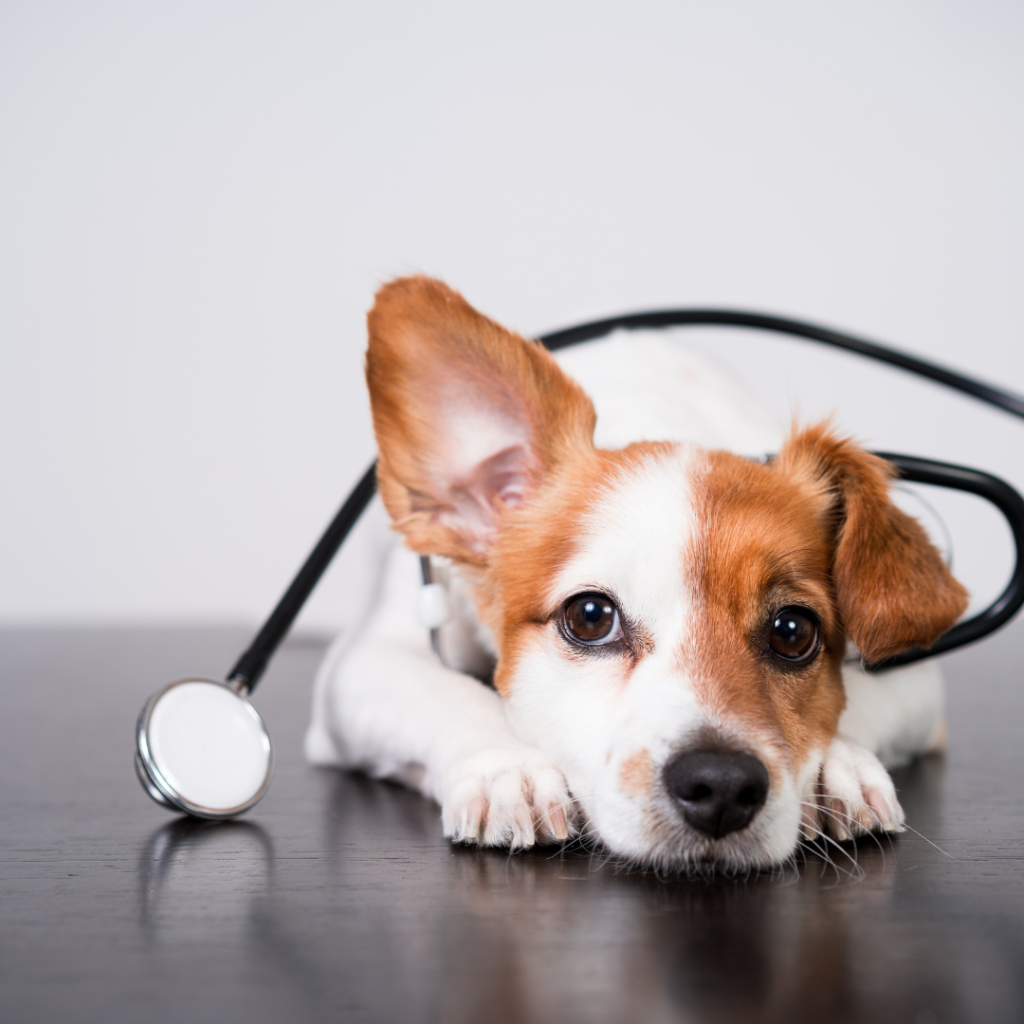
So, how exactly does pet ownership translate into improved immunity? A significant factor is the way pets expose their owners to various microbes. Early encounters with pets can lead to decreased rates of allergies and respiratory conditions in children. The hygiene hypothesis suggests that exposure to the diverse microbial environments provided by animals helps to develop a stronger immune system without overreacting to benign allergens.
- Exposure to Allergens: Owners who grow up with pets have been shown to develop a tolerance to certain allergens. This reduces the likelihood of allergies and asthma in children. A study by the Journal of Allergy and Clinical Immunology revealed that children raised in homes with dogs or cats had lower rates of both skin and respiratory allergies.
- Enhanced Immune Response: Research indicates that pet ownership can lead to a more robust immune response. The emotional bond shared between an owner and their pet may stimulate the production of antibodies, which are crucial for fighting off infections. This bond also correlates with higher levels of immunoglobulin A (IgA), an antibody that plays a critical role in protecting mucous membranes.
- Microbial Diversity: Pets can alter and enrich the microbial communities found in their owners’ homes. These microbes, along with those shared during play and care tasks, serve to bolster the diversity of our skin and gut microbiota. Greater microbial diversity is linked to improved immune function and overall health.
In addition to these physiological advantages, the emotional uplift derived from pets plays a vital role in health maintenance. Interactions with animals have been shown to lead to lower levels of anxiety and depression, which are known to compromise the immune system. The simple act of stroking a pet can lead to a drop in cortisol levels and an increase in serotonin and dopamine—hormones that elevate mood and enhance feelings of well-being.
An examination by Human-Animal Interaction Bulletin reported that pet owners exhibit fewer instances of chronic illness. This finding supports the notion that companionship may underpin improved health outcomes. Furthermore, pet owners are often more attuned to their health needs due to increased motivation to maintain their own wellness, not just for themselves, but also for their beloved animals.
Overall, the symbiotic relationship between pets and their owners reveals critical insights into how we can utilize the power of companionship for a healthier lifestyle. Understanding these diverse benefits reinforces the significance of pet ownership—not only as a source of joy but also as a catalyst for enhancing our immunity and overall health.
| Category | Description |
|---|---|
| Emotional Support | Pets provide unconditional love and emotional support, reducing feelings of loneliness and anxiety. |
| Physical Activity | Owning a pet necessitates increased physical activity through walking, playing, and caring for them, enhancing the immune system. |
| Stress Reduction | Interacting with pets has been shown to lower cortisol levels in humans, leading to better immune function. |
| Companionship | The companionship provided by pets helps boost overall mental health, leading to improved well-being. |
Research has continually highlighted how pet ownership contributes to overall health and well-being. For instance, pets can significantly reduce blood pressure and heart rates, making individuals feel more relaxed and calm. This reduction in stress is crucial, as prolonged stress can weaken the immune system and lead to various health problems. Moreover, studies suggest that pet owners often have lower rates of depression and are more likely to engage in social activities, further boosting their health outcomes.Additionally, the innate bond between humans and animals fosters a sense of responsibility and routine, which can contribute to better physical health. Walking a dog not only promotes cardiovascular fitness but also encourages outdoor activity, exposing owners to sunlight, which is beneficial for vitamin D synthesis. Exploring how these interactions further enhance immunity is a fascinating area of study that deserves more attention.
LEARN MORE: Click here to find out what to expect in the animal adoption process
The Psychological Benefits and Their Impact on Health
Beyond the biological advantages, the psychological benefits of pet ownership play a pivotal role in enhancing overall health and immune function. The relationship between mental well-being and physical health is well-documented, and pets serve as a unique source of emotional support. The act of caring for an animal not only fulfills a fundamental need for companionship but also introduces a structured routine that promotes physical activity and mental engagement.
For many pet owners, particularly those living alone or experiencing social isolation, pets can alleviate feelings of loneliness. A study published in the Journal of Psychological Science found that pet owners often report having fewer episodes of depression compared to non-pet owners. These findings suggest that domestic animals play a critical role in countering mental health challenges, thereby indirectly supporting a healthier immune system.
- Stress Reduction: Numerous studies have shown that interacting with pets can lead to significant reductions in stress levels. The simple act of petting a dog or cat has been shown to reduce heart rates and lower blood pressure, calming the nervous system. In doing so, pet owners experience diminished cortisol levels—a key factor in stress responses that can weaken immunity.
- Increased Physical Activity: Pets, especially dogs, require regular exercise. This need encourages pet owners to engage in physical activities such as walking, running, or playing fetch. According to a report from the Centers for Disease Control and Prevention (CDC), regular physical activity helps improve overall health, mitigate chronic diseases, and strengthen the immune system. Essentially, pets promote active lifestyles that contribute to disease prevention.
- Social Connections: Engaging with pets can foster social interactions. Dog parks, pet training classes, and social media groups for pet owners provide opportunities for socialization, reducing feelings of isolation. Research from the U.S. National Institutes of Health indicates that strong social networks are directly linked to improved health outcomes—including better immune responses.
Moreover, pets can serve as excellent conversation starters and are often a bridge to forming friendships. Having a common interest in pets can lead to meaningful relationships that provide emotional support, significantly impacting quality of life and mental health.
Moreover, the therapeutic use of pets—known as animal-assisted therapy—has gained traction in health care settings. Evidence suggests that animal-assisted therapy can help reduce symptoms of PTSD, anxiety, and depression, thereby enhancing patients’ overall health status. Programs integrating therapy animals in hospitals and nursing homes have demonstrated remarkable improvements in patients’ mental health and recovery speed.
The psychological satisfaction derived from interacting with a pet can also manifest physically. A study conducted by the American Heart Association revealed that pet owners often have lower cholesterol and blood triglycerides. These factors are crucial in maintaining heart health, linking emotional well-being with improved physical health outcomes.
In essence, the bond between humans and animals is a two-way street: while our pets depend on us for care, they also provide us with essential emotional and physical support. This nurturing relationship creates a positive feedback loop that may ultimately lead to enhanced immunity and sustained well-being.
DISCOVER MORE: Click here to learn how adoption changes lives
Conclusion
In conclusion, the profound impact of pet interaction on overall health and immunity cannot be overstated. As we have explored, the relationship between humans and their pets offers a unique combination of physical, emotional, and psychological benefits that contribute significantly to a healthier lifestyle. The regular engagement with pets promotes physical activity through walks and playtime, while simultaneously reducing stress and encouraging emotional support. Such dynamics lead to lowered cortisol levels, lower blood pressure, and improved heart health, which are essential components of a robust immune system.
Importantly, the social connections formed through pet ownership create a sense of community and belonging, combating feelings of loneliness and isolation that can negatively affect mental health. Furthermore, the scientific evidence—ranging from studies published in the Journal of Psychological Science to findings from the American Heart Association—illustrates that pet owners often enjoy superior overall health outcomes compared to non-pet owners.
As we consider the diverse benefits that pets bring into our lives, it becomes clear that these companions are more than just animals; they are valued partners in our journey toward enhanced health and well-being. For those seeking to strengthen their immune systems and foster a healthier lifestyle, the simple answer may lie in the wagging tail or gentle purr of a beloved pet. Thus, integrating pets into daily life is not just a rewarding experience; it is a potentially transformative approach to enhancing our well-being and longevity.