How Adoption Fairs Are Connecting Animals and Families: A New Approach
The Transformative Power of Adoption Fairs
Adoption fairs have emerged as a revolutionary way for families to connect with their future pets. These lively gatherings, often held in community spaces like parks or local arenas, create an engaging atmosphere where love and companionship can flourish. The adage “adopt, don’t shop” resonates deeply in these events, highlighting the importance of rescuing animals in need rather than purchasing them from breeders or pet stores.
At a typical adoption fair, numerous shelters and rescue organizations come together, each showcasing a diverse array of animals. This communal approach not only increases visibility for the pets, who might otherwise remain unseen in the overwhelming shelter system, but also creates a tapestry of opportunities for adoption. For instance, a family that may not have been considering a specific breed or size of dog might find themselves drawn to an exuberant mutt or a gentle older cat. This spontaneity is often key to forming lasting bonds between pets and their future owners.
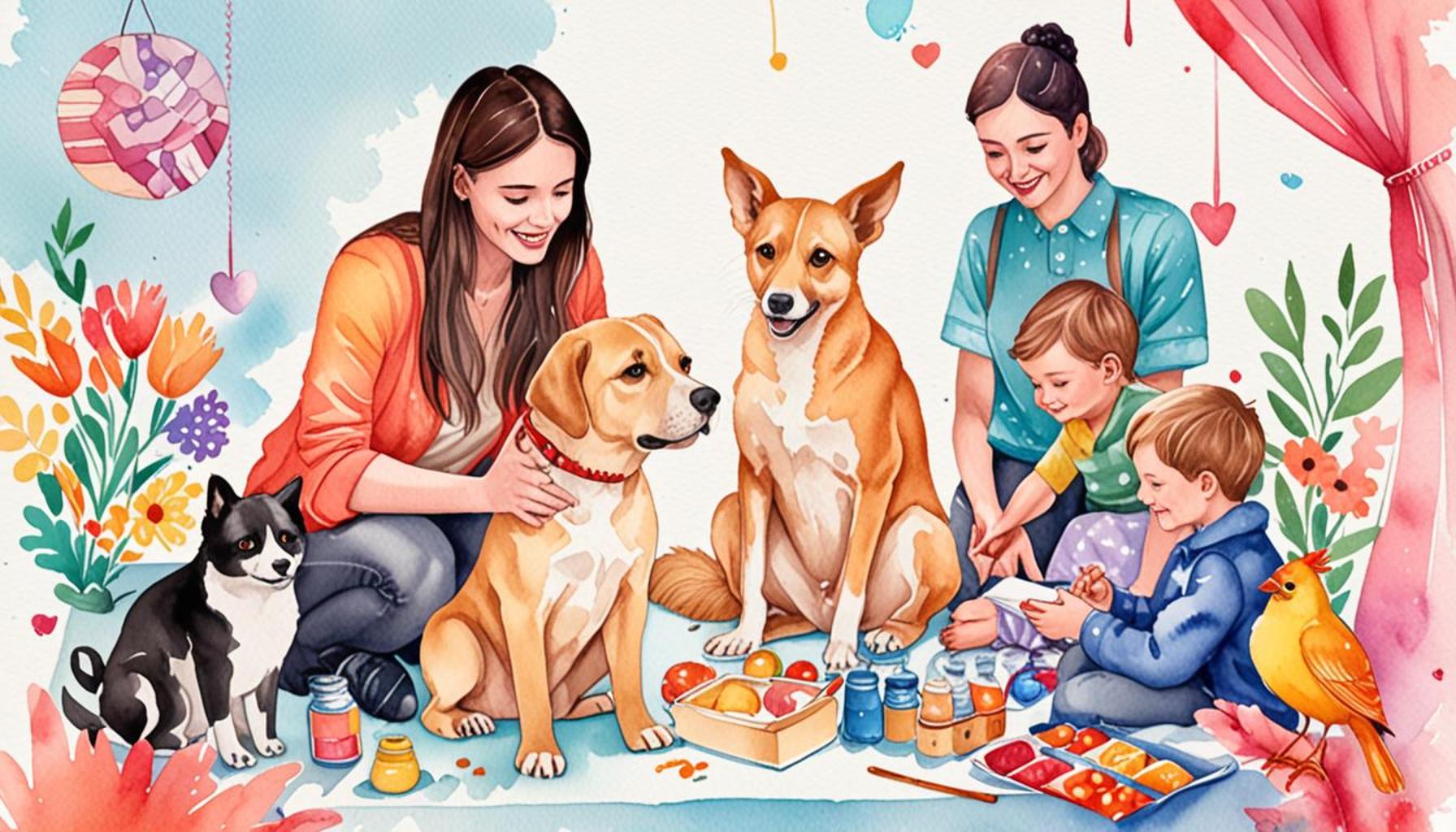
The environment at these fairs is meticulously designed to encourage family interaction. Often featuring tents filled with colorful decorations, toys, and various amenities, these events allow families to engage with animals in a low-pressure setting. For example, children can run around and play with puppies, giving parents a chance to observe how their kids interact with the animals. This interaction is crucial because it fosters the kind of emotional connections that form the foundation of lasting pet-owner relationships.
Moreover, adoption fairs provide educational opportunities that extend beyond simple adoption. Attendees have access to workshops and presentations led by animal care experts, covering essential topics such as responsible pet ownership, basic training techniques, and health care needs. This knowledge empowers new pet owners to start their journey with confidence, ensuring that they are well-prepared to provide the best possible home for their new companions.
The need for events like these is underscored by sobering statistics: approximately 3.2 million animals enter U.S. shelters each year, highlighting the urgent need for effective adoption methods. As adoption fairs gain traction, they are also raising community awareness about animal welfare issues, encouraging residents to participate actively in the larger conversation surrounding pet adoption.
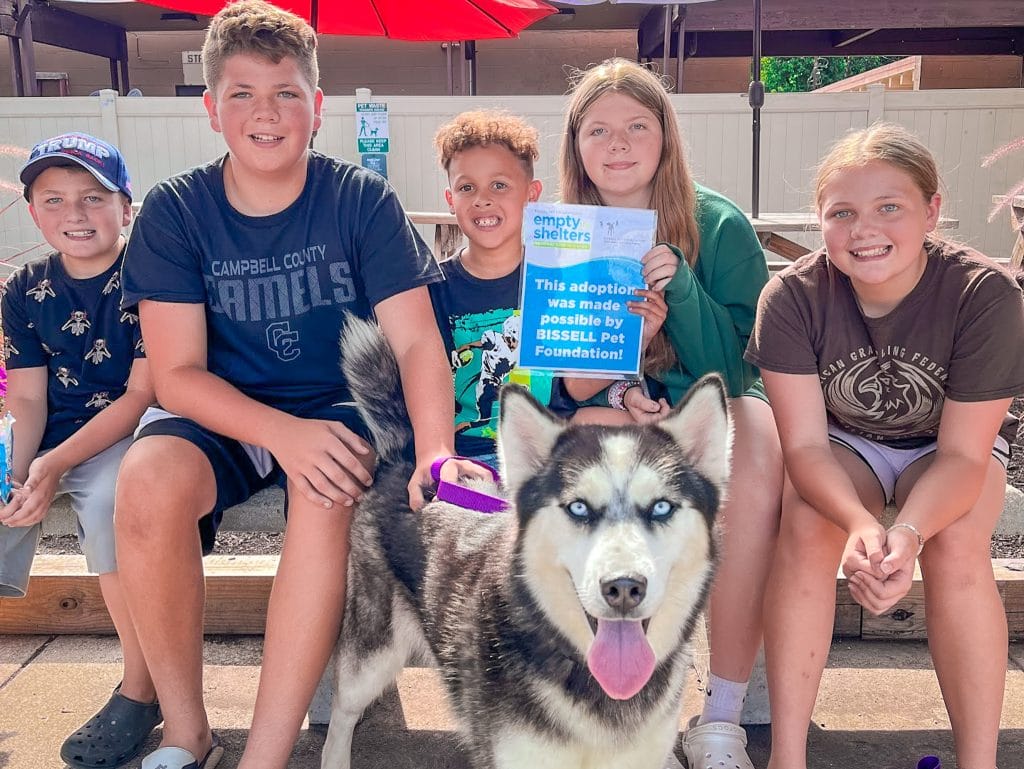
As communities across the nation embrace this innovative approach, the potential for these adoption fairs to revolutionize pet adoption is immense. By promoting loving matches between pets and people, these events not only save lives but also enrich the community fabric. Join us in exploring the inspiring stories behind these heartwarming connections, discovering how a simple fair can change lives for both animals and their humans.
DISCOVER MORE: Click here for the benefits of pets on health and wellness
Creating Lasting Connections Through Interactive Experiences
One of the most significant aspects of adoption fairs is their ability to create a space where interactivity and engagement are front and center. Rather than the sterile atmosphere often found in traditional animal shelters, adoption fairs encourage potential pet owners to take an active role in the process of finding the right companion. This interactive approach allows families to interact with animals in a way that builds trust and familiarity.
During these events, families are often encouraged to participate in various activities that promote positive interactions with the furry candidates. Common highlights include:
- Play Areas: Designated zones allow children and adults alike to engage with pets in a playful manner. This hands-on experience helps to gauge compatibility between the family and the animal.
- Meet-and-Greet Sessions: Scheduled sessions allow families to spend quality time with specific animals they are interested in. This focused time helps foster deeper connections that are vital before making the commitment of adoption.
- Training Demonstrations: Many fairs host professional trainers who provide live demonstrations on how to work with pets. Observing the animals’ reactions during training can be telling and often aids families in assessing which type of pet is the best fit for them.
Furthermore, adoption fairs often feature emotional storytelling as a powerful tool for fostering connections. Many rescue organizations showcase not just the animals up for adoption but also share poignant stories of their backgrounds and journeys. Understanding the circumstances of an animal’s rescue can create a sense of empathy and urgency, motivating families to consider adoption more seriously. For example, a dog who has overcome adversity may resonate with a family looking to bond over resilience and hope.
Psychologists and animal behaviorists have noted that the moment a potential owner connects emotionally with a pet can be the tipping point in the adoption process. When families come face-to-face with animals that may have faced hardship or abandonment, they often feel a profound desire to help them find a loving home. This emotional engagement is central to the success of adoption fairs as it shifts the perspective from viewing adoption as a transaction to recognizing it as a transformative experience for both the pet and the family.
Moreover, the convenience and community-centered nature of these fairs eliminate many barriers that might discourage potential adopters. Features such as onsite assistance for paperwork, processing of adoption fees, and often the provision of starter supplies for pets (like food, toys, and paperwork) streamline the process and transform adoption from a daunting task into an accessible opportunity. This new approach not only broadens the pool of potential adopters but also reinforces the idea that every pet deserves a chance at a forever home.
As the popularity of adoption fairs continues to rise, they stand out as a beacon of hope in the fight against animal homelessness. By cultivating connections in engaging environments, these events provide a glimpse into the future where every animal can find their perfect human match.
| Advantage | Details |
|---|---|
| Enhanced Visibility | Adoption fairs provide a platform for rescued animals to gain exposure, increasing their chances of finding a loving home. |
| Community Engagement | These events foster community connection by bringing families together to learn about pet adoption and responsible ownership. |
Adoption fairs have emerged as a transformative approach to connect animals and families. By enhancing visibility, these events allow shelter animals to experience the warmth of a public setting, which can significantly increase their chances of adoption. Potential pet owners can interact with animals in a casual environment, leading to stronger emotional connections.Moreover, adoption fairs are about more than just adoption; they foster community engagement that can last long after the event is over. Families can gather to learn about responsible pet ownership, interact with various animal organizations, and make informed decisions about adopting a new furry friend. This creates a ripple effect, encouraging others to consider adoption and contribute to a supportive community. Engaging with local shelters and volunteers enhances this sense of togetherness, turning what can be a daunting process into a celebration of life and love. Through these new approaches, adoption fairs are redefining how we connect with animals in need, creating lasting relationships for years to come.
DISCOVER MORE: Click here to learn about the role of behavioral training in dog socialization
Building Community and Strengthening Connections
In addition to facilitating individual relationships between pets and families, adoption fairs are playing a crucial role in fostering a sense of community. These events bring together not just prospective pet owners but also local businesses, animal advocates, and community members, creating a vibrant atmosphere of shared purpose. With booths set up by veterinarians, pet food suppliers, and even pet trainers, adopters have access to a wealth of resources that can help them care for their new family member effectively.
Events often stretch beyond typical adoption activities; they include educational workshops and panels aimed at informing families about responsible pet ownership. Workshops may cover essential topics such as pet nutrition, grooming basics, and training strategies, which enrich the experience for families and empower them as new pet owners. By equipping families with knowledge, adoption fairs not only enhance the likelihood of successful adoptions but also foster a culture of responsible pet ownership in the community.
Moreover, the partnership between shelters and local businesses adds a vital dimension to the adoption process. For instance, many fairs feature sponsorship from pet-related businesses that might offer discounts or vouchers for future purchases. Such incentives not only reduce the initial costs of adopting a pet but also build a lasting bond that encourages families to invest in their pets’ well-being over time.
Promoting Long-term Commitment through Networking
Another compelling advantage of these fairs is the opportunity for networking among pet owners. Many events cultivate a sense of belonging by creating a space where families can meet other pet owners, share experiences, and even form informal support groups. Research shows that having a community of fellow pet owners can drastically improve the adoption experience, as these networks can provide practical assistance, emotional support, and encouragement during challenging phases of pet ownership.
For example, some fairs have begun to organize follow-up meet-ups, where families can return with their pets for socialization and is a chance for adopters to share stories of their journeys with their animals. This fosters ongoing connections, encourages happy endings for adopted pets, and reinforces the commitment families made when bringing home their new companions.
In addition to enhancing community ties, these networking opportunities also stimulate conversations around animal welfare issues. By engaging in dialogues about the importance of spaying and neutering, responsible breeding practices, and the dire need for adopting from shelters, attendees become more informed advocates for change within their communities. This aligns perfectly with the overarching goal of adoption fairs: to create an environment of compassion that promotes lifelong commitments rather than impulsive decisions.
As adoption fairs evolve, they continue to challenge the conventional perceptions surrounding shelters and rescue organizations. They are transforming not just the path to pet adoption but the broader narrative of animal rescue in society. By forging connections on multiple levels—between pets and families, within communities, and through shared advocacy—these events cultivate a culture of compassion and responsibility, ensuring that every pet can find a loving home.
DISCOVER MORE: Click here to learn about the importance of dog socialization
Final Thoughts: A Transformative Connection
The innovative approach taken by adoption fairs is redefining the landscape of pet adoption and animal welfare across the United States. By creating a unique environment where potential pet owners can engage with animals, community resources, and each other, these events not only enhance the adoption experience but also foster a greater sense of responsibility among pet owners. The emphasis on education, community building, and long-term support transforms a simple adoption into a well-rounded initiative that aligns families with their new four-legged companions in a meaningful way.
As communities come together at these fairs, they contribute to a larger conversation about animal welfare, responsible ownership, and the importance of supporting local shelters and rescue organizations. By emphasizing networking opportunities and ongoing support, adoption fairs cultivate a culture that encourages families to remain committed to their pets long after the initial adoption day. This paradigm shift promotes lifelong relationships between pets and their owners, ensuring that every adopted animal has the opportunity to thrive in a nurturing environment.
As we look to the future, it is clear that adoption fairs are not just a temporary solution for pet overpopulation; they are a vital step towards creating a compassionate society that values the well-being of all animals. To further the impact of these events, communities are encouraged to participate actively, promote discussions about pet welfare, and support local shelters to ensure that every animal finds the permanent home it deserves. The ripple effects of this approach extend beyond individual families and pets—they strengthen our communities and create a wave of awareness that resonates well into the future.