
Healthy Eating for Pets: How a Balanced Diet Contributes to Animal Health and Well-Being
Understanding the Importance of Pet Nutrition
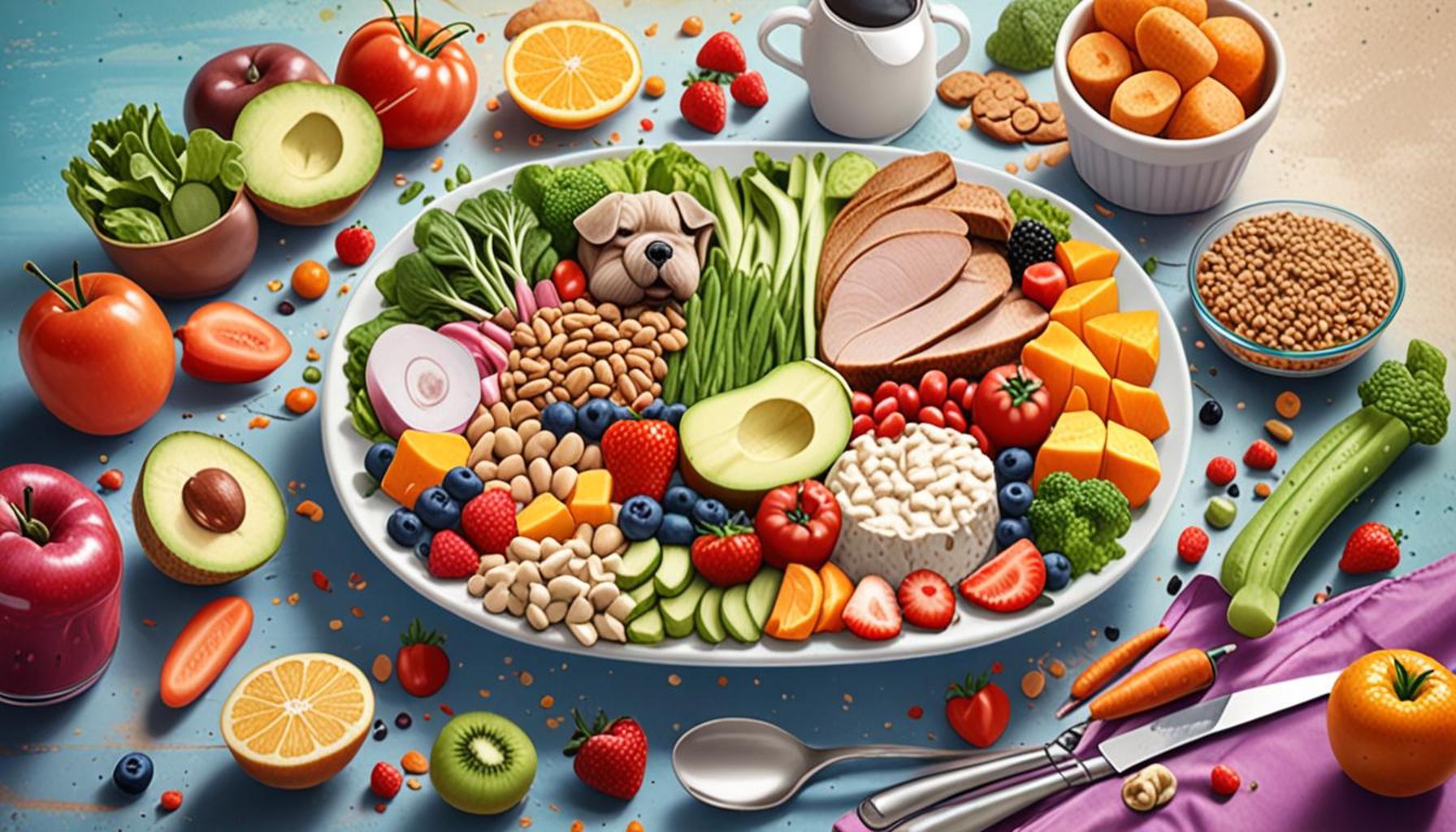
Just like humans, pets require a balanced diet to thrive and maintain optimal health. Adequate nutrition fuels their energy levels, supports their immune systems, and enhances their overall quality of life. The choices we make for our furry companions today can significantly influence their well-being for years to come. Ensuring that pets receive the proper nutrients is not merely a question of preference; it is essential for their long-term health and vitality.
Key Components of a Healthy Pet Diet
- Proteins: Essential for growth and repair. Proteins serve as the building blocks of a pet’s body, supporting muscle development and tissue repair. Sources such as chicken, fish, and lamb are high-quality protein options that keep pets energized and robust.
- Fats: Important for energy and skin health. Healthy fats, such as omega-3 and omega-6 fatty acids found in fish oil, promote shiny coats, healthy skin, and overall cell function. They also support brain health and reduce the risk of certain diseases.
- Carbohydrates: Provide energy and aid digestion. Whole grains, vegetables, and fruits serve as excellent sources of carbohydrates. They not only supply energy but also provide fibers that contribute to a healthy digestive system, ensuring pets remain active and healthy.
- Vitamins and Minerals: Crucial for various bodily functions. Essential vitamins (like A, D, E, and B vitamins) and minerals (such as calcium and phosphorus) play critical roles in maintaining healthy bones, skin integrity, and a robust immune system.
Providing pets with the right balance of nutrients can prevent a range of health issues like obesity, diabetes, and heart disease. For example, a pet that is fed a diet high in carbohydrates but low in protein may experience weight gain and muscle atrophy. A well-structured meal plan not only involves selecting high-quality commercial pet foods but may also include fresh fruits and vegetables safe for pets, such as blueberries, carrots, and pumpkin, which can enhance the nutritional profile of their diet. It’s important to understand the specific dietary needs of your pet’s breed, age, and activity level. Senior dogs, for instance, may require a different balance of nutrients compared to puppies in their growth phase.
Exploring Healthy Eating Options
As pet owners, exploring healthy eating options becomes a responsibility that can lead to happier and healthier lives for our companions. Regularly consulting with a veterinarian can also aid in tailoring a diet that suits individual pets. This might include recommendations for specific food brands or even personalized meal plans. Additionally, being aware of any food allergies, like grain allergies in some dogs or lactose intolerance in cats, is crucial in choosing the right nutrition.
This journey of understanding pet nutrition can reveal a wealth of information that every pet owner should know. The ever-growing market for pet foods also indicates a trend toward more natural and organic options, reflecting pet owners’ increasing awareness of dietary quality. Involving pets in the meal planning process, such as preparing homemade meals under veterinary guidance, can not only be more nutritious but also an enjoyable endeavor for both pets and their owners. By investing time and effort into our pets’ nutrition, we set the foundation for their health and happiness in the years to come.
LEARN MORE: Click here for insights on pet nutrition

Essential Nutritional Guidelines for Your Furry Friends
A balanced diet for pets is not just about counting calories; it encompasses understanding and meeting their specific nutritional needs. When crafting a diet that supports the health and vitality of pets, it is crucial to consider the age, breed, and activity level of your furry companions. Just like humans, pets have their unique requirements to maintain energy, develop strong muscles, and support their overall well-being. Pet owners should prioritize these essential nutritional guidelines to foster optimal health.
Recognizing Individual Dietary Needs
Every pet is unique, and their dietary needs can differ significantly based on several factors. Some key aspects to keep in mind include:
- Age: Puppies and kittens require higher protein levels for growth, while senior pets may benefit from easier-to-digest foods and fewer calories to combat inactivity.
- Breed: Large breed dogs are prone to certain health issues like hip dysplasia and require diets that support joint health, while smaller breeds may have different caloric needs.
- Activity Level: Active dogs or working breeds need a diet rich in energy-boosting nutrients to sustain their high energy demands, while more sedentary pets may require a caloric restriction to prevent obesity.
For instance, an active Labrador Retriever may need a different balance of carbohydrates and fats than a couch-loving Pomeranian. Acknowledging these differences will help pet owners make informed decisions when selecting food options, ensuring each pet receives the nutrients they need to thrive.
The Role of Quality Ingredients
In the quest for a healthy eating routine, the quality of ingredients found in pet food plays a significant role. Pet owners should look beyond flashy packaging and marketing claims and delve into the ingredient list. High-quality commercial pet foods often list meat as the first ingredient, indicating a strong protein source. Here are some vital factors to consider:
- Whole Food Sources: Foods that feature whole meats, grains, and vegetables provide better nutrition than those containing by-products and fillers.
- Natural Preservatives: Seek out options with natural preservatives, which lend a safer alternative to conventional chemical preservatives.
- Species-Specific Formulas: Certain diets are tailored for various types of pets; choosing the right formula for your pet’s species contributes significantly to their health.
Moreover, some pets may require a grain-free diet or special formulas to address health issues like allergies or sensitive stomachs. By paying close attention to ingredient quality while accommodating your pet’s specific needs, you serve as a proactive guardian of their health and happiness.
The importance of a healthy eating plan for pets cannot be overstated, as it can lead to a longer, more fulfilling life. Research shows that pets receiving balanced diets often have higher energy levels, improved immune responses, and lower incidences of chronic diseases. As pet owners, we wield a powerful responsibility: the choices we make about our pets’ diets can profoundly influence their quality of life and longevity. Therefore, investing time in understanding the essentials of their nutrition is pivotal in paving the way toward their lifelong health and well-being.
| Advantage | Description |
|---|---|
| Improved Energy Levels | A balanced diet enhances metabolic functions and ensures pets have the energy required for daily activities, contributing to an active lifestyle. |
| Stronger Immune System | Nutrient-rich foods equip pets with the necessary vitamins and minerals that boost their immune system, protecting them from diseases and infections. |
| Healthier Skin and Coat | Essential fatty acids from quality protein sources promote skin health and result in a shiny, lustrous coat, indicating overall wellness. |
| Weight Management | Balanced nutrition aids in maintaining a healthy weight, which is crucial for reducing risks associated with obesity and related health issues. |
A well-structured table like the one above provides a clear overview of how a well-planned diet can significantly enhance animal health and well-being. Each advantage directly correlates with the principles of healthy eating and its impact on pets, encouraging readers to delve deeper into crafting a nutrition plan for their furry companions. Understanding these benefits can lead to informed decisions regarding dietary choices, thus enriching the lives of pets and their owners alike.
DISCOVER MORE: Click here to learn about the importance of behavioral training
Understanding the Impact of Nutrition on Pet Behavior
While the physical benefits of a balanced diet are widely acknowledged, it is equally essential to recognize the profound impact that nutrition can have on a pet’s behavior and temperament. Poor dietary choices can lead to a variety of behavioral issues, ranging from hyperactivity to anxiety and aggression. Observing how the right combination of nutrients affects a pet’s mood and demeanor can help pet owners make informed decisions that promote not just physical, but also emotional well-being.
Linking Nutrition with Behavioral Health
Research indicates that certain dietary components may play a role in the mental health of pets:
- Omega-3 Fatty Acids: Found in fish oils, these essential fatty acids are known for their anti-inflammatory properties and are believed to support cognitive function and reduce anxiety in dogs and cats.
- High-Quality Proteins: Proteins serve as building blocks for neurotransmitters, which affect mood and behavior. A meat-rich diet ensures that pets receive adequate amino acids that can stabilize their mood and energy levels.
- Complex Carbohydrates: Foods rich in whole grains and legumes can help regulate blood sugar levels, promoting steady energy and reducing the likelihood of mood swings.
Pets that receive well-balanced diets often exhibit fewer behavioral problems compared to those consuming low-quality foods. Pet owners may find that tweaking their furry friends’ diets can lead to a noticeable improvement in behavior, thus enhancing the overall harmony in their households.
Addressing Special Dietary Considerations
In the quest for the ideal diet, pet owners must also consider any special dietary needs their pets may have. Pets suffering from allergies, intolerances, or specific health conditions require tailored nutrition to ensure their well-being. The options available today give every pet owner the opportunity to find something suitable:
- Allergies: For pets with food sensitivities, grain-free or limited-ingredient diets often help alleviate symptoms and improve overall health.
- Weight Management: Obesity is a growing concern among pets in the United States. Specialized weight management formulas are available, designed to assist pets in maintaining a healthy weight while still providing essential nutrients.
- Senior Pet Nutrition: As pets age, their dietary needs shift. Formulas specifically designed for senior pets can support joint health, cognitive function, and digestive stability.
Moreover, consulting a veterinarian when considering changes to a pet’s diet can provide valuable guidance tailored to individual health needs, helping to navigate the plethora of options available on the market.
The Benefits of Homemade Pet Meals
Some pet owners are turning to homemade meals as a way to ensure their pets receive the freshest ingredients. However, creating a balanced homemade diet requires research and understanding of nutritional needs. A successful homemade recipe should include:
- Proteins: Chicken, turkey, beef, or fish to provide essential amino acids.
- Vegetables: Offer vitamins and minerals, with options such as carrots, peas, and spinach being nutritious and safe.
- Healthy Fats: Incorporating ingredients such as fish oil or flaxseeds can enhance coat health and cognitive function.
When opting for homemade meals, it’s imperative to ensure the diet is complete and balanced, which may demand guidance from veterinarians or pet nutritionists to avoid deficiencies or imbalances.
Overall, recognizing the multifaceted impacts of a balanced diet encourages pet owners to explore diverse feeding strategies—whether selecting from high-quality commercial options, addressing behavioral concerns through specific nutrients, or trying homemade recipes to personalize their pets’ nutrition. Making these informed decisions not only enhances physical health but also contributes significantly to a pet’s overall quality of life.
DISCOVER: Click here to learn about the life-changing impact of animal adoption
Conclusion
In summary, the significance of healthy eating for pets cannot be overstated. A balanced diet directly influences both the physical health and emotional well-being of our beloved companions. By providing essential nutrients that promote robust physical health, enhance behavioral stability, and address special dietary needs, pet owners can make informed decisions that bolster their pets’ quality of life.
The journey toward optimal pet nutrition involves understanding the individual requirements of each pet and being aware of how dietary components, such as high-quality proteins, omega-3 fatty acids, and complex carbohydrates, affect their daily behavior and mood. Moreover, the shift towards tailored commercial diets or homemade meals can cater to specific health conditions and dietary sensitivities, exemplifying the growing awareness among pet owners.
As we continue to delve deeper into the importance of animal health, it becomes clear that a thoughtful approach to nutrition is essential. This includes consulting with veterinarians or nutritionists to ensure that meals are well-balanced and address the unique needs of each pet. With adequate knowledge and resources, pet owners can confidently create a nourishing environment that not only sustains life but enriches it.
In light of these considerations, embracing a proactive approach to pet nutrition is not just a choice; it is a commitment to enhancing the overall well-being of our four-legged friends. As the relationship between nutrition and health is increasingly highlighted, it is an opportune moment for all pet owners to invest in healthy eating practices that foster happier, healthier pets.