Emerging Trends in Natural and Organic Pet Food 2023 Guide
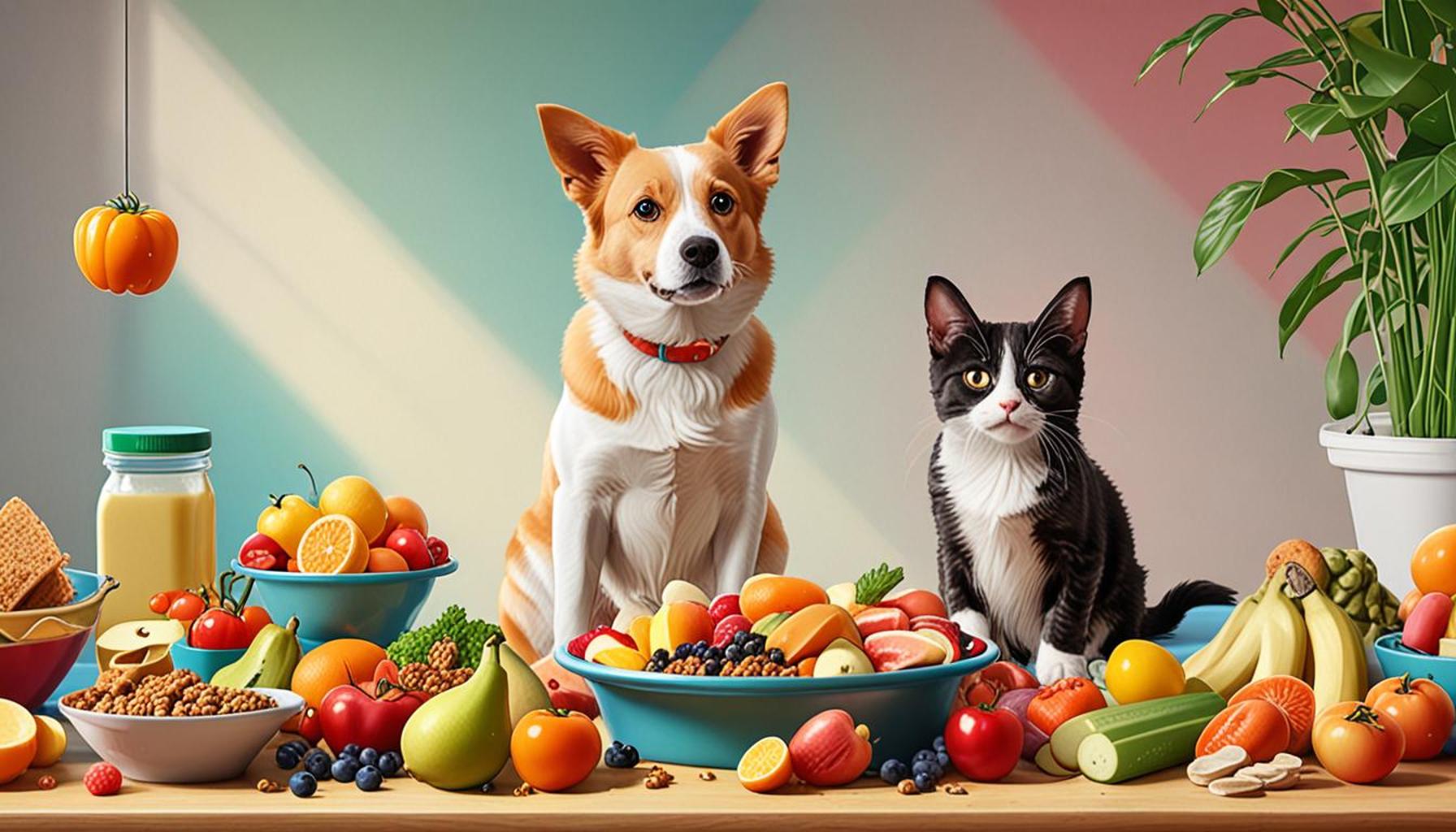
As pet ownership continues to evolve, so does the demand for high-quality nutrition options. In recent years, a significant shift has been observed toward natural and organic pet foods, fueled by pet owners’ growing awareness of the impact of diet on their pets’ health. This trend reflects not only a love for animals but also an increasing desire for transparency and sustainability in pet care.
With a market that is more innovative than ever, it is essential for pet owners to stay informed about what’s on the horizon. The benefits of transitioning to natural and organic foods include:
- Improved health: Natural ingredients can lead to better digestion and higher energy levels.
- Allergy management: Organic foods often have fewer additives and fillers, helping to reduce allergic reactions.
- Sustainability: Many brands prioritize environmentally-friendly sourcing and production practices.
In this article, we will delve into the Top 5 emerging trends in natural and organic pet food for 2023, showcasing how these innovations can enhance the well-being of your furry companions. Prepare to discover exciting new options that could redefine your pet’s diet and overall health.
Top 5 Emerging Trends in Natural and Organic Pet Food
The evolution of the pet food industry signifies a paradigm shift in how pet owners perceive diet and nourishment for their furry companions. As guardians of their pet’s health, they are now placing more emphasis on ingredients, nutrition, and the broader environmental impact of their choices. Noteworthy among these shifts is the surging popularity of natural and organic pet food. This article investigates the top five emerging trends in this dynamic sector and explores their potential impact on the future of pet nutrition.
5. Human-Grade Ingredients
Human-grade ingredients are at the forefront of pet food trends, representing a conscious move towards higher quality and transparency. Pet owners are increasingly interested in offering their pets food made with the same components found in their own meals, aspiring to share health benefits across species boundaries. This trend isn’t merely about quality but also about fostering trust and transparency. Many brands have seized this opportunity to highlight clean labels and ingredient sourcing, aiming to build stronger relationships with consumers. However, scrutiny remains essential, as the term “human-grade” lacks regulatory standardization, potentially leading to discrepancies between competing products.

Pet owners interested in ensuring high standards are encouraged to research brands for certifications and endorsements from reputable pet food oversight organizations. By spotlighting practices like maintaining suitable production facilities and using specific processing standards necessary for human food, brands can enhance trust and differentiate themselves in the market.
Real-World Examples
- Companies like The Honest Kitchen actively market their use of human-grade ingredients, emphasizing their compliance with FDA standards for human food manufacturing.
- Petplate offers pet meals prepared in USDA kitchens, strengthening their credibility in providing high-quality ingredients similar to human cuisine.
4. Limited Ingredient Diets
The advent of limited ingredient diets stems from an increasing awareness of pet allergies and dietary sensitivities. As pets, like humans, can develop food allergies or intolerances, pet owners are keen to simplify diets by selecting foods with fewer components. These specialized diets often utilize one protein source and one carbohydrate source, significantly lowering the risk of allergic reactions.
This streamlined approach serves both practical and health-centric purposes. Reducing potential allergens not only fosters better health outcomes but also allows pet owners to accurately pinpoint offending ingredients when adverse reactions occur, hence enhancing the spectrum of dietary management options for sensitive pets.
Industry Innovations
- Brands like Natural Balance have pioneered limited-ingredient formulations, offering premium options for dogs with food sensitivities.
- Merrick offers a grain-free line that reduces the inclusion of typical allergens, aligning with this minimalist yet effective nutritional practice.
3. Sustainable and Ethical Sourcing
The move towards sustainable and ethical sourcing in pet food production mirrors broader global environmental trends. As conscientious consumers, pet owners are demanding sustainable ingredients that consider the welfare of the planet and its resources. This trend incorporates practices like the use of sustainably sourced fish, humanely raised livestock, and produce from local farms.
Pet food companies responding to this demand often provide information about their supply chain, emphasizing sustainability metrics like carbon footprint reduction, renewable energy use, or waste minimization, enhancing the credibility of their ecological claims.
Consumer Expectations
- Open Farm promotes transparency by offering detailed sourcing maps and regularly updating sustainability reports, meeting modern consumers’ ethical expectations.
- Orijen provides assurances of free-range farming practices and wild-caught fish, positioning itself strongly within the ethical sourcing market.
2. Customized Nutrition
Customized nutrition is a pioneering trend that draws heavily from technological innovations, offering bespoke diets tailored to the specific needs of individual pets. Factors such as breed, age, weight, activity level, and unique health requirements are considered to formulate personalized meals.
This approach is gaining traction through direct-to-consumer platforms that leverage data analytics and algorithmic planning to cater to tailored pet diets. Advocates of customized nutrition argue that it leads to improved pet well-being and longevity, while simultaneously enhancing the quality of care that pet owners can provide.
Technological Advances in Personalization
- Services like NomNomNow offer custom meal plans created using data from health profiles, effectively addressing lifelong nutritional management.
- The Farmer’s Dog employs AI tools to design and deliver fresh, individualized pet meals, optimizing both convenience and health benefits.
1. The Rise of Superfoods
Prominent among trends is the rise of superfoods in pet diets. Superfoods, sought for their exceptional nutritional profiles and beneficial properties, are increasingly incorporated into pet diets to promote overall health and prevent illness. Ingredients such as chia seeds, blueberries, turmeric, and kale are celebrated not only for their antioxidant capacities but also for offering a rich source of vitamins, minerals, and essential fatty acids.
Their inclusion in pet diets reflects the humanization of pet food trends, which are underscored by a burgeoning emphasis on wellness and disease prevention rather than treatment. This focus on holistic nutrition amplifies the potential of pet food to contribute positively to overall vitality and well-being.
The Health Connection
- Blue Buffalo’s Wilderness line uses superfoods like sweet potatoes and blueberries, catering to a robust approach to pet health.
- Nulo focuses on probiotic-enriched recipes with superfood elements to ensure digestive and immune system support.
The continuous evolution of the natural and organic pet food market marks a revolution in pet care, seamlessly blending consumer values with industry innovation. As these trends continue to reshape the landscape, pet owners are increasingly equipped with choices that prioritize health, sustainability, and personalization, guaranteeing a better quality of life for their cherished companions.
| Category | Key Features |
|---|---|
| Natural Ingredients | Increasing demand for foods made with whole, unprocessed ingredients that ensure the health and well-being of pets. |
| Sustainability Practices | Focus on eco-friendly sourcing and production methods that reduce the environmental impact of pet food choices. |
| Functional Foods | Increased availability of products specially designed to enhance health benefits, such as probiotics, omega-3 fatty acids, which promote digestion and overall wellness. |
| Transparency in Labeling | A strong push for clear and honest labeling practices that allow consumers to understand the ingredients and nutritional value of pet foods. |
The trend toward natural ingredients in pet food reflects a broader movement among pet owners who prioritize the health of their furry companions. Many are now opting for products that boast whole, unprocessed ingredients, which are believed to be more nutritious and beneficial for pets. This shift not only ensures better health outcomes but also caters to the growing awareness around pet nutrition.In parallel, the emphasis on sustainability practices is also noteworthy. Consumers are increasingly seeking pet foods that come from eco-friendly sources. This trend is tied to a greater collective consciousness regarding environmental preservation, making it imperative for brands to adopt sustainable production methods. The philosophy revolves around producing food that benefits pets while also prioritizing the well-being of the planet.Another interesting development in this landscape is the rise of functional foods. These are specific pet food formulations designed not merely for sustenance but to offer enhanced health benefits. Items rich in probiotics, omega-3 fatty acids, and other nutrients are becoming commonplace, as they contribute to improved digestion and overall vitality. Such products signal a crucial intersection of health and nutrition tailored specifically for pets, reflecting owners’ desires to improve their pets’ quality of life.Moreover, transparency in labeling is a growing demand among pet owners. A well-informed consumer base is seeking to understand precisely what ingredients are included in the food they provide to their pets. This push for clarity and honesty places pressure on manufacturers to disclose potential allergens and nutritional information in a manner that is accessible. Brands that meet this demand not only build trust but also establish a more loyal customer base committed to making informed choices for their pets. As these trends continue to evolve, the pet food industry is bound to experience significant transformations that cater to the preferences and values of pet owners interested in natural and organic offerings.
Frequently Asked Questions about Emerging Trends in Natural and Organic Pet Foods
What are the key benefits of feeding pets natural and organic foods?
Opting for natural and organic pet foods can offer several benefits. These products often contain fewer artificial ingredients, reducing the risk of allergic reactions and digestive issues in pets. Additionally, organic foods are typically free from pesticides and hormones, providing a more nutritious and safer option for your pets. Some studies suggest that pets on organic diets may experience improved energy levels and healthier coats.
Are natural and organic pet foods the same?
While both natural and organic labels promote healthier options, they are not identical. Natural pet foods are generally free from artificial flavors, colors, and preservatives but are not necessarily organic. In contrast, organic pet foods must meet stringent agricultural processes, ensuring the use of organic ingredients that are free from synthetic pesticides and fertilizers. It’s crucial to read labels carefully to understand what you’re purchasing.
How can I ensure the natural and organic pet food I buy is high quality?
To ensure high quality, look for certifications and seals from reputable organizations on the packaging. For organic foods, certifications like the USDA Organic seal can be significant indicators. For both natural and organic foods, checking the ingredient list for whole, recognizable items rather than by-products or vague terms is essential. Additionally, researching brands and reviews can provide insight into product quality and manufacturing ethics.
Are these premium pet foods affordable for an average pet owner?
Organic and natural pet foods might come with a higher price tag due to the quality of their ingredients and production processes. However, many pet owners find the long-term health benefits justify the cost. Some report fewer visits to the vet due to reduced health issues, which can balance out initial expenses. It’s also worth considering the portion control guidelines, as higher quality foods can be more nutrient-dense, and therefore, may require smaller serving sizes.
What trends can we expect in the future for natural and organic pet foods?
The future of natural and organic pet foods points to increased transparency with ingredient sourcing and production ethics. Innovations such as plant-based and alternative protein sources are gaining traction, aimed at reducing environmental impact. We can also expect advancements in personalized nutrition tailored to individual pet needs, backed by science and research, contributing to the pets’ overall well-being and longevity.
Conclusion: The Growing Trend of Natural and Organic Pet Food
The landscape of pet nutrition is evolving rapidly, with an increasing focus on natural and organic options. This trend reflects a broader movement among pet owners who are ever more health-conscious and increasingly concerned about the long-term well-being of their furry companions. The key takeaways from these emerging trends highlight the significant shifts in consumer preferences and the positive impact on pet health.
Firstly, there is a marked rise in the demand for high-quality ingredients that mirror human-grade standards. Pet owners are scrutinizing labels more closely, seeking transparency and clarity regarding the sources and benefits of pet food ingredients. Secondly, the emphasis on sustainability and ethical production processes is driving the market, as consumers show increased preference for brands that commit to environmentally friendly practices.
Additionally, the advent of specialized diets tailored for specific health concerns and life stages is gaining traction. This trend underscores the burgeoning innovation within the industry, offering targeted nutrition that caters to the diverse needs of pets. Furthermore, the incorporation of functional ingredients—such as probiotics, antioxidants, and superfoods—is becoming prevalent, promising to boost pets’ immune systems, digestion, and overall vitality.
In conclusion, the shift toward natural and organic pet foods is not just a fleeting trend but a growing revolution in how we view our pets’ diets and health. This paradigm change not only promotes the physical and emotional well-being of pets but also aligns with broader movements for sustainability and ethical consumption. As pet owners continue to prioritize their pets’ nutrition, it is imperative for industry stakeholders to stay informed and adapt to these trends, ensuring that our four-legged friends receive the care and quality they deserve.