
Demystifying the Animal Adoption Process: What to Expect and How to Prepare

The Animal Adoption Process Unveiled
The journey to welcoming a furry friend into your home is not only filled with excitement but also requires thoughtfulness and preparation. While the prospect of adopting a pet is thrilling, many potential adopters find themselves uncertain about the nuances of the animal adoption process. Though it may seem overwhelming at first glance, understanding the key steps can significantly ease your path towards adoption.
Familiarizing Yourself with Organizations
Before diving into the adoption journey, it’s vital to research local shelters and rescue groups. These organizations vary widely in their operations, services, and types of animals available for adoption. For example, while the ASPCA and the Humane Society are well-known national organizations, countless smaller, community-based rescues focus on specific breeds or types of animals. Learning about their missions, adoption fees, and available resources can help you choose the right fit for your circumstances.
Navigating Application Requirements
Once you have identified potential organizations, familiarize yourself with their application requirements. Many shelters require prospective adopters to complete a detailed application that may cover your living arrangements, experience with pets, and preferred type of animal. Some organizations may also require personal references or proof of your ability to care for an animal. Tailoring your application to demonstrate your commitment and capability can enhance your chances of a successful adoption.
Home Evaluation Insights
A crucial part of the process is the home evaluation, where representatives from the shelter assess your living environment to confirm it is suitable for a pet. This may include checking for hazards, such as toxic plants or unsecured items that a pet might chew on. Be prepared to showcase how you plan to provide a safe space for your new companion, whether it’s introducing them to their dedicated area, pet-proofing your home, or ensuring the presence of enrichment activities—like toys or scratching posts.
Preparing Emotionally and Logistically
As you prepare for adoption, it’s important to consider both emotional and logistical factors. First and foremost is choosing the right pet. Think about your lifestyle, activity level, and home environment. If you lead an active lifestyle, a high-energy dog may be the perfect companion, whereas a more laid-back cat might suit a quieter household. Visiting shelters and interacting with different animals can help you determine who connects best with you.
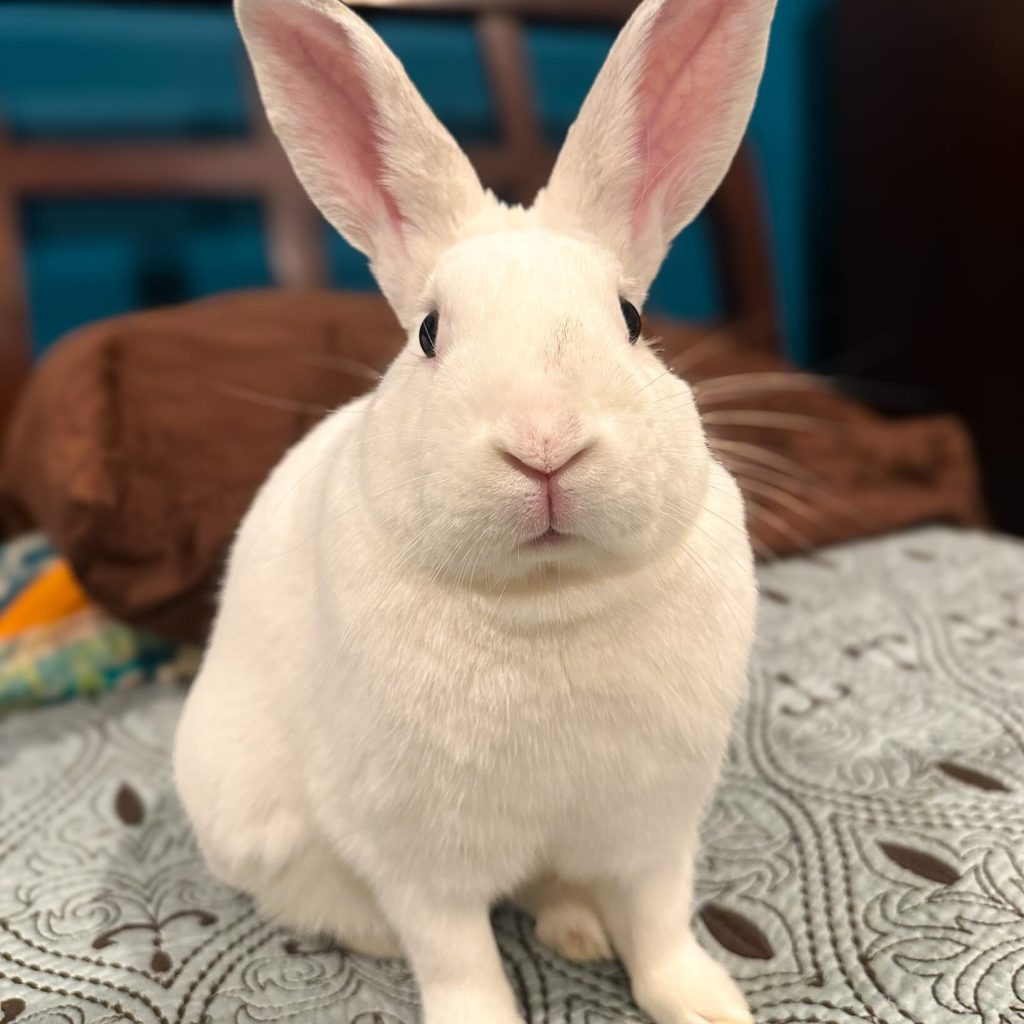
Beyond finding the right match, ensure you have the necessary supplies and setup ready before bringing your new pet home. Essential items include food and water bowls, appropriate food, a comfortable bed, and toys. Additionally, consider the transition period—your new pet will need patience and a safe space to acclimate to their new environment.
Finally, be prepared for the financial implications of pet ownership. Understanding financial considerations is crucial; regular expenses such as food, grooming, and veterinary visits can add up quickly. Researching local vets and potential costs for vaccinations, spaying or neutering, and emergency care will empower you in making informed choices.
As we delve deeper into each of these elements, our goal is to equip you with the knowledge and confidence to embark on a fulfilling journey of animal adoption. Not only will this enrich your life, but it will also provide a deserving animal with a loving home.
DISCOVER MORE: Click here to learn about the latest trends in natural and organic pet food
Understanding the Animal Adoption Landscape
Embarking on the journey of animal adoption can often feel like navigating a complex maze. However, by grasping the intricacies of the process, potential adopters can make informed decisions and foster a smooth transition for both themselves and their future pets. An essential step towards successful adoption lies in familiarizing yourself with the various types of organizations involved in animal rescue and adoption.
Types of Adoption Organizations
When considering adopting a pet, it is crucial to explore the different types of animal shelters and rescue groups available to you. Here’s a breakdown of what you might encounter:
- Municipal Shelters: Typically funded by local governments, these shelters often have a high influx of pets, including strays and abandoned animals. They strive to find homes for these animals, but may have limited resources.
- Private Non-Profit Shelters: Often operated by dedicated individuals and volunteers, these shelters may focus on specific breeds or types of animals. They usually provide a more personalized approach to adoption.
- Breed-Specific Rescues: These organizations concentrate on rescuing and rehoming specific breeds, such as Golden Retrievers or Pit Bulls, allowing individuals to adopt pets that align with their preferences.
- Foster Networks: Some groups do not have a physical shelter but instead utilize foster homes, providing pets with a temporary safe space until they find permanent homes.
Each organization has its own approach to animal adoption, and understanding these differences can greatly enhance your experience. Take the time to visit their websites or contact them directly to gather information about adoption fees, services, and available resources.
Completing the Adoption Application
After selecting a few organizations that resonate with you, the next vital step involves completing the adoption application. This key document is more than just a formality; it serves as a reflection of your commitment and capability to provide a loving home. Expect to answer questions regarding:
- Your living arrangements and how they accommodate a pet.
- Your previous experience with pets and understanding of their needs.
- Your lifestyle and activity level, including how much time you can dedicate to pet care.
Some organizations may also require you to provide personal references or proof of financial stability to ensure you can meet the long-term needs of a pet. By presenting a thoughtful application, you can help demonstrate your readiness for the responsibilities that come with pet ownership.
The Home Visit Procedure
A home evaluation is often a standard procedure in the adoption process, where shelter representatives will assess your living environment. This evaluation aims to ensure the safety and well-being of the pet you are hoping to adopt. Be prepared for them to look for:
- Potential hazards like exposed electrical wires or toxic plants.
- Secure fencing or appropriate containment for dogs if you have a yard.
- A designated space for the pet, complete with comfort and enrichment.
By anticipating the home evaluation, you can take proactive steps to create a welcoming and safe environment for your future furry family member. Being well-prepared not only speeds up the adoption process but also sets the stage for a positive relationship between you and your new pet.
In the upcoming sections, we will delve deeper into emotional readiness, financial considerations, and the importance of post-adoption support, ensuring that you are fully equipped for a rewarding experience in animal adoption.
When diving into the animal adoption process, it’s essential to understand the fundamental steps and specific preparations that can lead to a successful experience for both the adopter and the adopted pet. First, potential adopters should research local shelters and rescue groups. Many organizations provide detailed information about the animals in their care, including their personalities, health statuses, and behavioral needs. This initial step allows adopters to identify a pet that aligns with their lifestyle.Once you’ve pinpointed a suitable animal, preparing your home is crucial. This can include creating a designated space for the new pet, acquiring necessary supplies like food, water bowls, toys, and bedding. Furthermore, ensuring your home is safe and secure is vital. This may involve removing hazardous items or blocking off areas that might pose risks to a curious pet.Another critical aspect of preparation is understanding the financial commitment involved in pet ownership. Routine veterinary care, along with potential emergency expenses, should be factored into your budget. Understanding these facets fosters responsible adoption and ensures both animal and owner thrive in their new relationship.To address any lingering concerns about the adoption process, many shelters offer pre-adoption counseling, which can be incredibly beneficial. These services guide prospective pet parents through the necessary considerations to ensure they are ready for such a commitment, enhancing the chances for a harmonious adoption experience.Overall, embarking on the journey of adopting an animal involves thoughtful planning and education. By becoming informed, preparing adequately, and utilizing available resources, adopters can create a positive transition for their new furry companion.
DIVE DEEPER: Click here to discover the benefits
Emotional and Financial Readiness for Adoption
While understanding the procedural aspects of the animal adoption process is crucial, it is equally important to assess your emotional and financial readiness. Adding a new pet to your family is a significant commitment that goes beyond filling out forms and attending home visits. Consider the following factors to ensure a fulfilling adoption experience.
Evaluating Your Emotional Preparedness
Adoption can be an emotional journey, both for you and the animal you choose to bring into your life. Thus, emotional readiness is of paramount importance. Ask yourself these reflective questions:
- How do I handle change? Integrating a new pet into your home can be disruptive at first, as pets often take time to adjust to their new environment.
- Am I ready for a commitment? Unlike temporary placements, adopting a pet is a long-term responsibility. Most pets can live for 10 to 15 years or longer.
- How will I cope with potential challenges? Pets may have behavioral issues arising from their past experiences. Preparing yourself mentally to handle these situations will be crucial.
Fostering an open mindset can create an enriching experience for both you and your adopted animal. Share your feelings and concerns with family members or friends who have gone through the adoption process to gather insights and encouragement.
Understanding the Financial Implications
Being financially prepared is another important aspect of animal adoption. Many people often underestimate the ongoing costs associated with pet ownership. Here are some notable expenses you should consider:
- Veterinary Care: Routine examinations, vaccinations, and unexpected health issues can add up quickly. It’s prudent to budget for an annual vet visit, and also have funds set aside for emergencies.
- Food and Supplies: As your pet grows, so do its needs. Consider not only the cost of food but also the expenses for toys, leashes, and bedding.
- Training Classes: Many shelters encourage, or even require, obedience training for adopted pets. These classes can help facilitate a smoother transition into your home.
Additionally, consider exploring pet insurance options to help safeguard against high medical costs. Organizations like the ASPCA and Petfinder provide valuable information on the various plans available, helping you make an informed financial decision.
The Importance of Post-Adoption Support
The adoption journey does not end once you’ve brought your new pet home. In fact, many shelters and rescue groups offer post-adoption support, recognizing that integrating a new animal can be challenging. This support may include:
- Follow-Up Calls: Many organizations will check in with you to see how the adjustment is going, offering advice and assistance if needed.
- Access to Resources: Shelters often provide resources for behavioral training, health care, and other aspects of pet care, helping to ensure a successful partnership.
- Community Activities: Join local adoption events or groups that foster community among adoptive pet owners, creating a support network that can enhance your pet parenting journey.
By recognizing the emotional and financial investments required for adoption, and utilizing the available support channels, you can set yourself up for a fulfilling experience while demystifying the overall animal adoption process. The road ahead may have its challenges, but the rewards of pet ownership often far outweigh the hurdles.
DON’T MISS: Click here to learn more about dog socialization
Final Thoughts on the Animal Adoption Journey
In summary, demystifying the animal adoption process involves understanding the foundational elements that make for a successful journey—emotional preparedness, financial planning, and the importance of post-adoption support. The responsibility of pet ownership is a long-term commitment that requires thoughtful consideration and readiness on multiple fronts. By asking yourself critical questions about your emotional capacity to handle change and the financial implications of pet care, you can pave the way for a smooth transition into pet parenthood.
Moreover, leveraging the resources and support available from local shelters and rescue organizations can enhance your experience significantly. These institutions often provide invaluable guidance post-adoption, allowing you to establish a loving and stable environment for your new furry family member.
As you embark on this rewarding adventure, keep in mind the profound joy and companionship a pet can bring, nurturing a bond that enriches both your life and the life of your new friend. Being well-prepared ensures that you not only bring home a pet but create a lasting partnership filled with love, understanding, and mutual growth. Explore various shelters, connect with fellow pet owners, and immerse yourself in the wealth of information available—your journey into the world of animal adoption is just beginning.