Complete Guide to Animal Adoption Organizations: How to Choose the Best One for You

Finding Your Perfect Companion
Adopting a pet is a rewarding experience, yet finding the right animal adoption organization can feel overwhelming. With numerous options available, each with its distinct mission and approach, it’s crucial to navigate the varying landscapes of animal welfare and choose one that aligns with your values and needs. By understanding the unique features of different organizations, you can ensure that your journey to pet adoption is a smooth and fulfilling one.
What to Consider When Choosing an Organization
- Reputation: One of the most important factors in finding a trustworthy organization is its reputation. Proactively seeking out reviews and testimonials from prior adopters can give you insight into their experiences. Websites like Adopt-a-Pet and Petfinder often have user-generated reviews that can highlight both the positive and negative aspects of various organizations.
- Transparency: A reputable organization should be open about its procedures and fee structures. Inquire about how they determine adoption fees, as well as what those fees support. Adoption fees typically help cover costs associated with vaccinations, spaying or neutering, and any initial medical needs. Transparency can also extend to how the organization operates and how they select animals for adoption.
- Services Offered: Understanding what additional services an organization provides can greatly impact your adoption experience. Some shelters and rescue groups offer training classes for new pet owners, behavioral assessments of the animals, and ongoing support post-adoption, such as health check-ups and pet care advice. Knowing what services are available can help you make a well-rounded decision.
It’s important to recognize that different organizations cater to various needs. For instance, while some may focus exclusively on certain breeds, such as Golden Retrievers, others dedicate their efforts to rescuing animals from high-kill shelters. By taking the time to comprehend these distinctions, you can find an organization that resonates with your personal beliefs about animal welfare and adoption.
Local Resources
The United States is home to diverse animal shelters, rescue groups, and non-profits, each equipped with a variety of resources to assist you in your quest for a furry friend. For example, the ASPCA operates both at a national level and through local branches, providing comprehensive resources and connections for pet adoption, while smaller community shelters often offer a more personalized approach, tailoring services to meet individual community needs.
Moreover, many states have organizations dedicated to specific issues, such as breed rescues or organizations focused on senior animals. Initiatives like “Clear the Shelters” aim to reduce overcrowding in shelters, presenting an excellent opportunity to adopt during specific events. By starting your journey to pet adoption informed and equipped with knowledge, you will not only find the right organization but also the perfect companion to join your family.
Understanding Different Types of Animal Adoption Organizations
When beginning your journey to pet adoption, it’s essential to familiarize yourself with the various types of animal adoption organizations available. The landscape of animal welfare is filled with diverse groups, each with unique philosophies, operational structures, and target demographics. Understanding these distinctions can profoundly influence your decision, making it important to explore the types of organizations out there.
Shelters vs. Rescue Groups
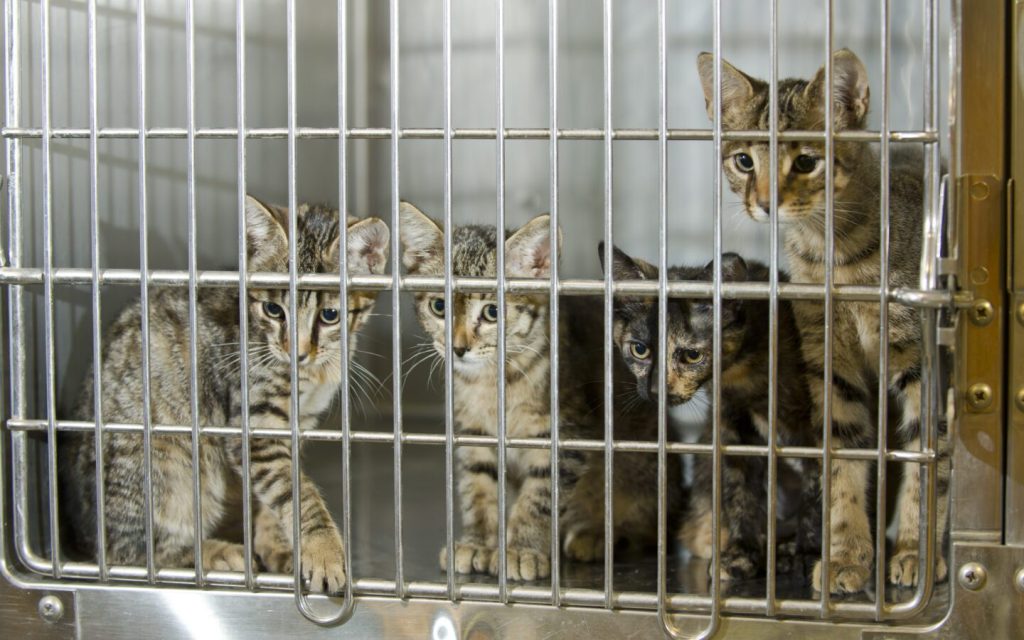
One of the primary distinctions in animal adoption organizations is between shelters and rescue groups. While both aim to find loving homes for animals in need, their methods can be quite different.
- Shelters: These facilities often operate at a municipal or county level, housing a variety of animals that have been abandoned or surrendered. Shelters may face high intake numbers, especially in urban areas, which can lead to overcrowding. Many shelters are affiliated with government agencies and strive to promote general animal welfare through adoption, public education, and outreach programs.
- Rescue Groups: Rescue organizations are typically nonprofit entities that focus on rescuing specific breeds or types of animals, such as cats or dogs. These groups often operate independently from the government and rely heavily on foster homes to care for animals until they can be adopted. They may also work closely with shelters, pulling animals at risk of euthanasia.
Being aware of these distinctions is vital, as it helps you determine whether you prefer the structured environment of a shelter or the individualized focus of a rescue group.
Niche Organizations
Beyond shelters and rescue groups, there exists a range of niche organizations that cater to specific needs within the animal welfare community. These organizations may focus on particular breeds, age groups, or situations:
- Breed-Specific Rescues: If you’re passionate about specific breeds, there are countless organizations dedicated to facilitating the adoption of particular types of dogs or cats. For instance, Greyhound or Pit Bull rescues focus on finding homes for these breeds, often promoting education surrounding breed misconceptions.
- Senior Animal Rescues: Recognizing that older animals often face greater challenges in adoption, some organizations focus solely on senior pets, providing them with care and ensuring they find loving homes.
- Special Needs Rescues: These organizations specialize in rescuing animals with physical or behavioral challenges, working to provide these pets with the care and attention they need to thrive.
Investigating the mission and purpose of these niche organizations may reveal opportunities that align with your values and companion preferences. Choosing the right organization ensures that your pet adoption experience is meaningful and fulfilling, setting the stage for a successful lifelong companionship.
| Category | Advantages |
|---|---|
| Adoption Process Transparency | Organizations often provide clear guidelines on the adoption steps, ensuring potential pet owners know what to expect. |
| Post-Adoption Support | Many rescues offer continued support through resources and advice, facilitating a smoother transition for both the animal and the new owner. |
| Community Engagement | Animal adoption organizations often promote community events, fostering connections among pet lovers. |
| Diversity of Animals | They frequently house a wide range of animals, from puppies to seniors, making it easier to find a perfect match. |
In this segment, we delve into the aspects that enhance the animal adoption experience, focusing on transparency, support, and community, which are vital for prospective pet owners. The adoption process transparency allows individuals to make informed decisions when choosing their new furry friend. Many organizations prioritize post-adoption support, ensuring new pet parents have access to resources and guidance, increasing the success of the adoption. Furthermore, community engagement is a key element of these organizations, as they host events that encourage nurturing a pet-loving community. This not only promotes awareness about pet adoption but also provides networking opportunities for owners. Lastly, the diversity of animals available at these organizations means there is likely a perfect companion for every potential adopter, ensuring that many animals find loving homes. This variety is one of the most appealing aspects of animal adoption organizations. Together, these factors build a robust framework for anyone considering adoption to explore.
Evaluating the Mission and Practices of Animal Adoption Organizations
Choosing the right animal adoption organization goes beyond simply understanding the different types; it involves delving into the mission and practices of each organization. Not every organization will resonate with your goals or ethical beliefs, so conducting thorough research is crucial for ensuring a mutually beneficial match.
Mission and Philosophy
The first element to consider when evaluating an animal organization is their mission statement and overarching philosophy towards animal welfare. Each organization typically has a unique set of guiding principles that influences their approach to rescue and adoption. Some may prioritize urgent rescues and rehabilitation for animals in distress, while others might focus on education and community outreach.
For example, organizations driven by a “no-kill” philosophy advocate for adopting animals until every last one finds a home, while others may operate under more practical guidelines influenced by community capacity. Understanding these missions allows you to align your personal values with a cause that reflects your commitment to animal welfare.
Adoption Policies and Processes
An equally critical aspect of evaluating an organization is its adoption policies and processes. Some organizations may have stringent adoption guidelines that include home checks, multiple interviews, and follow-up visits. These measures ensure that pets are placed in safe and loving homes, which can be a positive thing for the animal but may feel overwhelming for prospective adopters.
On the other hand, some organizations might adopt out animals more quickly to alleviate shelter overcrowding, which can be a double-edged sword. While this practice saves lives, it may not rigorously vet homes, potentially leading to future difficulties for the pet and family. Understanding the balance between these policies can help you navigate your adoption experience more effectively.
Community Engagement and Resources
Another key factor in selecting an animal adoption organization is how well they connect with their local community. Organizations that engage in public education, social media outreach, and community events often contribute positively to animal welfare as a whole. A vibrant community presence indicates a commitment not just to animal rescue, but also to responsible pet ownership and education.
Additionally, many organizations offer resources such as training classes, behavior workshops, or wellness programs for adopted pets. These offerings can enhance your experience as a pet parent, providing you the tools you need to create a harmonious relationship with your new furry friend.
Transparency and Accountability
Lastly, a reputable organization should demonstrate transparency and accountability. Look for organizations that openly present their financial information, adoption statistics, and success stories. Many successful organizations will include annual reports or third-party evaluations demonstrating their effectiveness in saving animals and facilitating adoptions. Engaging with a transparent organization not only provides peace of mind but also fosters a sense of trust and community.
In preparing to adopt a pet, being discerning about the mission, policies, community involvement, and transparency of adoption organizations will lead you to the right fit. Taking the time to research and engage with these factors ensures your home becomes a loving sanctuary for your future pet, helping create a lasting bond built on mutual care and understanding.
Conclusion
In navigating the journey of pet adoption, understanding animal adoption organizations and their unique missions is pivotal. Each organization presents a distinct approach to animal welfare that reflects its values, and it is essential to ensure these align with your own beliefs and expectations. By thoroughly evaluating mission statements, adoption processes, community involvement, and transparency, you can make an informed choice that resonates with your ideals.
As you delve into this world, consider asking questions and seeking out organizations with a proven track record of both saving lives and supporting their community. Engaging with organizations that emphasize education and pet wellness can enrich your experience as a pet owner and equip you with valuable tools to foster a healthy relationship with your new companion.
Finally, remember that adoption is not just an act of kindness but also a commitment that requires understanding and preparation. The right organization will not only facilitate a successful adoption but will also stand by you as you embark on this fulfilling journey of pet ownership. Armed with this complete guide, you’re now equipped to find an animal adoption organization that aligns with your lifestyle and values, ultimately leading to a harmonious connection with your future furry friend. Take the leap and embrace the love that awaits through adoption—it may just change both your life and the life of an animal in need.