Menu

Creating a Safe and Stimulating Environment for Indoor Pets

Creating a safe and stimulating environment for indoor pets enhances their well-being and reduces anxiety. Focus on safety measures, enrichment activities, and comfort zones. Tailoring spaces to individual pet needs fosters a deeper bond, ensuring happier, healthier indoor companions while promoting their mental and physical health.

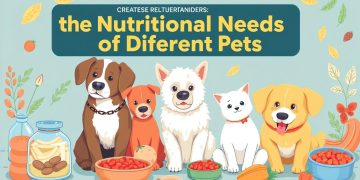
Understanding the Nutritional Needs of Different Pets

Understanding the nutritional needs of different pets is essential for promoting their health and happiness. Each pet requires a tailored diet based on species and life stage, influencing their overall well-being. Providing proper nutrition helps prevent health issues and enhances the bond between pets and their owners.

Preventive Care: How to Keep Your Pets Healthy

Preventive care is essential for maintaining your pet's health, enhancing their quality of life. Key components include regular veterinary check-ups, vaccinations, dental hygiene, proper nutrition, and parasite prevention. By prioritizing these strategies and fostering a safe environment, pet owners can promote longevity and well-being for their furry companions.

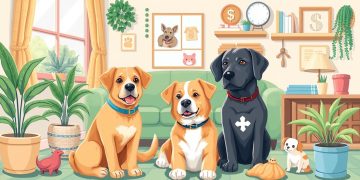
Proper Nutrition: How to Choose the Ideal Food for Your Pet

Understanding your pet's unique nutritional needs is crucial for their health and well-being. Consider factors like species, age, activity level, and any health conditions when choosing food. Prioritize high-quality ingredients and consult a veterinarian to ensure a balanced diet that enhances your pet's quality of life.

Mental Activation: Toys and Activities that Stimulate Pets’ Brains

Mental stimulation is essential for pets’ health and happiness, preventing boredom and destructive behavior while improving cognitive function. Engaging toys and activities, such as interactive puzzles, fetch games, and training sessions, enhance pets’ brain activity. Incorporating varied activities fosters stronger bonds and supports pets’ mental well-being.

The Importance of Socialization for the Well-Being of Pets

Socialization is crucial for pets, enhancing their emotional well-being, reducing anxiety, and improving behavior. Engaging with various people and environments fosters confidence, strengthens bonds with owners, and supports mental and physical health. Prioritizing social interactions enriches pets’ lives, promoting happiness and stability in their overall development.

Strategies for Environmental Enrichment at Home for Pets

Every pet deserves a stimulating and vibrant home environment. This article explores effective strategies for environmental enrichment at home, including physical activities, sensory stimulation, interactive feeding, and social interaction. Enhancing your pet's surroundings promotes their mental and physical well-being, leading to a happier and healthier companion.

The Importance of Socialization for the Well-Being of Pets

Socialization is essential for pets' well-being, influencing their physical and mental health. Engaging in diverse interactions helps prevent behavioral issues, enhances quality of life, and fosters strong bonds with owners. Prioritizing socialization not only leads to happier pets but also enriches communities through responsible pet ownership.

Necessary Adaptations for Caring for Elderly Animals at Home

Caring for elderly animals at home requires essential adaptations to enhance their comfort and well-being. By addressing age-related challenges through tailored nutrition, regular veterinary care, and creating a safe environment, pet owners can significantly improve the quality of life for their senior companions during their golden years.

Preventive Care: Essential Vaccines and Tests for Companion Animals

Proactive health care for companion animals emphasizes the importance of essential vaccines and routine tests. Regular check-ups, vaccinations, and health screenings prevent severe diseases and ensure early detection of health issues. By prioritizing preventive care, pet owners can enhance their furry friends’ longevity and overall well-being.