
Cat Training: Effective Techniques for Ideal Behavior
The Importance of Understanding Cat Behavior
Fostering a harmonious relationship with your cat requires a keen understanding of their behavior and needs. The perception of cat training as a daunting task often prevents pet owners from realizing its immense benefits. However, implementing effective techniques can significantly enhance the way you interact with your feline companion, ultimately transforming them into a well-mannered pet.
Improving Behavior Through Training
One of the primary aims of cat training is to improve behavior and address common issues. For instance, many cats resort to scratching furniture as a natural instinct to maintain their claws, stretch their muscles, and mark their territory. Training techniques such as providing scratching posts or using double-sided tape on furniture can effectively redirect this behavior. Additionally, excessive meowing, especially at night, can be positively managed by creating a structured environment and establishing a consistent feeding routine, making it clear when mealtime occurs.
Enhancing the Bond Between You and Your Cat
Training sessions can serve as valuable bonding experiences. Utilizing positive reinforcement methods, such as treats or praise, encourages desirable behaviors and strengthens the emotional connection between you and your cat. For example, rewarding your cat with a favorite treat every time they use their litter box properly not only reinforces good behavior but also allows for a more trusting relationship to develop. This element of training is especially significant in the American context, where pets are often treated as integral family members, deserving of both patience and understanding.
Boosting Mental Stimulation
A common misconception is that cats are independent creatures who require little interaction. On the contrary, engaging your cat in training exercises provides critical mental stimulation that keeps them active and mentally sharp. Tricks such as “high five,” “roll over,” or even agility training can offer an excellent outlet for their intelligence and curiosity. The use of puzzle toys can also stimulate their problem-solving abilities, thus transforming playtime into a beneficial training session.
In a survey conducted by the American Pet Products Association, it was revealed that approximately 67% of U.S. households own at least one pet cat. With this statistic highlighting the significant presence of felines in American homes, the onus falls on pet owners to learn effective training methods. By adopting training strategies that encompass positive reinforcement, addressing litter box issues, and teaching basic tricks, individuals can greatly enhance their cats’ quality of life as well as their own.
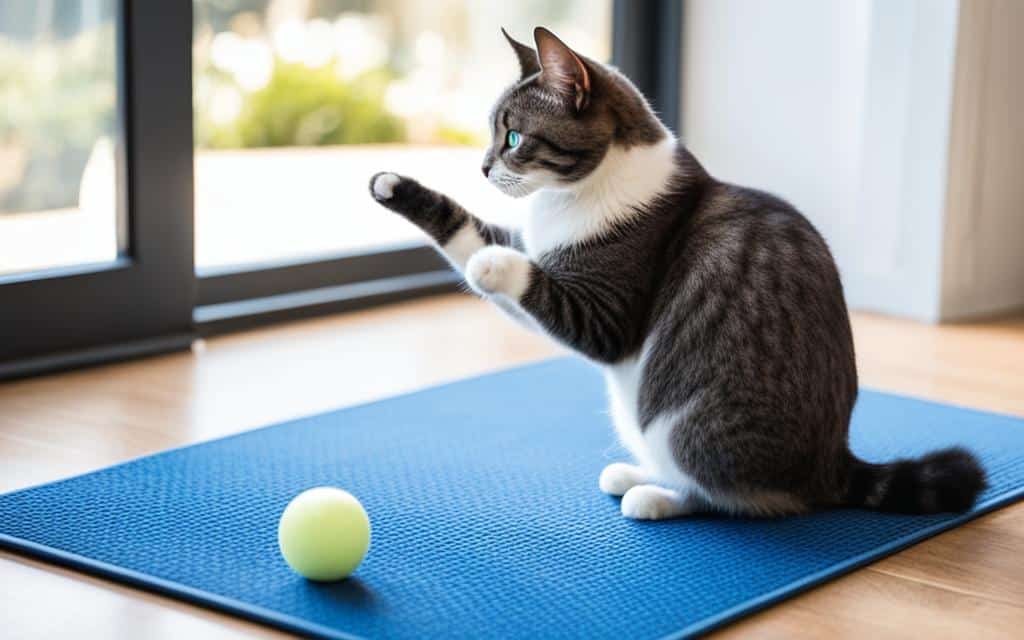
Venturing into the world of cat training not only leads to better behavior and a happier cat but also fosters a deeper understanding of their needs and motivations. Embracing these techniques can result in a more fulfilling and harmonious home, ultimately paving the way for an enriching companionship that both you and your feline friend will cherish for years to come.
DISCOVER MORE: Click here to learn about the benefits of positive reinforcement
Understanding and Addressing Common Feline Challenges
Successful cat training begins with recognizing the unique challenges cats present. As creatures of instinct, they exhibit behaviors that can be puzzling to their human companions. By learning to address these behavioral challenges through appropriate training techniques, you can guide your cat towards an ideal demeanor while fostering a greater understanding of their natural tendencies.
Common Behavioral Issues
Many cat owners face similar behavioral problems. Identifying these issues is the first step towards effective solutions. Here are some of the most common behaviors that can often lead to frustration:
- Scratching furniture: Cats scratch to maintain their claws and express territoriality.
- Inappropriate elimination: Issues like peeing outside the litter box can signal stress or health problems.
- Fearful or aggressive behavior: These behaviors can stem from a lack of socialization or negative experiences.
- Over-grooming or hair loss: Often a response to stress or boredom, this behavior can lead to health concerns.
- Excessive meowing: Your cat may be signaling boredom, hunger, or a desire for attention.
Techniques for Effective Training
Now that we’ve outlined the common challenges, let’s delve into some effective techniques to improve your cat’s behavior. Implementing these strategies can help in transforming your feline into a well-adjusted companion:
1. Positive Reinforcement: This technique is not just about rewards; it’s crucial to associate desired behaviors with positive outcomes. For instance, reward your cat with treats or verbal praise immediately after they scratch the scratching post instead of the couch. This method boosts their motivation to repeat the good behavior.
2. Environmental Modifications: Making simple changes in your home can alleviate many behavioral issues. For example, if your cat tends to scratch furniture, strategically placing scratching posts near their favorite spots can divert their attention and energy. Implementing barrier methods, such as using double-sided tape on surfaces, can also deter unwanted scratching.
3. Consistent Routine: Cats thrive on predictability. Establishing a daily routine that includes regular feeding times, play sessions, and quiet time can help reduce stress. Designing a schedule not only fosters security but also reinforces positive behaviors.
4. Interactive Playtime: Engaging your cat in interactive play is not only beneficial for their physical health but also their mental well-being. Use toys that mimic prey movements to initiate instinctual hunting behaviors, allowing your cat to feel fulfilled and entertained.
5. Training as Bonding: Remember, training can serve as an avenue for bonding. Utilize short training sessions to deepen your connection through play and rewards. This approach can help your cat feel more secure in their environment.
By addressing these common issues with effective techniques, cat owners can help their pets develop ideal behaviors while creating a more enjoyable and enriching home environment. Understanding the unique needs of your feline friend doesn’t just benefit them; it also enhances the overall quality of life for you both.
| Advantage | Description |
|---|---|
| Enhanced Communication | Improving understanding between you and your cat leads to a stronger bond and reduces frustration. |
| Behavior Modification | Effective techniques help correct undesirable behaviors such as scratching furniture or excessive meowing. |
| Mental Stimulation | Training sessions provide mental challenges, keeping your cat engaged and avoiding boredom. |
| Safety Awareness | Teaching boundaries ensures that cats understand safe and unsafe areas or actions in their environment. |
Exploring these advantages reveals the profound impact that appropriate cat training can have, not only on the behavior but also on the overall happiness of your feline companion. Each of these techniques requires patience and consistency, leading to ideal behavior that benefits both pet and owner. For further insights, consider diving deeper into specific training methods outlined in comprehensive resources dedicated to feline education.
DISCOVER MORE: Click here to learn about the importance of socialization in puppy training
Enriching Your Cat’s Environment for Optimal Behavior
Another crucial aspect of cat training involves enriching your feline’s environment. Cats are naturally curious creatures, and providing them with stimulating surroundings can prevent behavioral issues that often arise from boredom or lack of mental engagement. Here are several methods to enhance your home environment to promote ideal kitty behavior:
Create a Multi-Dimensional Space
Static living spaces can lead to a lack of interest from your cat, so consider creating a multi-dimensional space that allows for exploration and play. To achieve this:
- Vertical Perches: Cats love to observe their surroundings from high vantage points. Install shelves, cat trees, or window perches that allow your cat to climb and survey their kingdom.
- Hiding Spots: Incorporate various safe hiding spots around the house, such as boxes, igloos, or tunnels. These areas provide comfort and encourage natural stalking and pouncing behavior.
These changes turn your home into an interactive playground, reducing the chances of your cat resorting to unwanted behaviors, such as scratching or excessive vocalization due to boredom.
Utilize Puzzle Feeders
Using puzzle feeders is an excellent method to introduce mental challenges into your cat’s daily routine. Instead of simply placing food in a bowl, these feeders require your cat to work for their meal. This not only stimulates their minds but also mimics natural hunting behavior. Research suggests that engaging cats in this way can significantly reduce stress and anxiety levels, as they are mentally occupied and less likely to exhibit destructive behaviors.
Regular Socialization Practices
Socialization is key to fostering positive behaviors. Encourage interactions between your cat and other pets or people from a young age. Expose them to new experiences gradually to prevent fearful behavior down the line. Consider the following tips:
- Safe Introductions: If introducing a new pet, allow them to sniff each other through a barrier before face-to-face interactions.
- Frequent Pet Visits: Encourage friends and family to visit your home, which can enrich your cat’s social skills. Each new person your cat encounters offers an opportunity for exposure and learning.
Keep in mind that the socialization of your cat should be a gradual process, as overwhelming them with too many new experiences at once can create anxiety rather than alleviate it.
Continuous Learning and Adaptation
Cat training doesn’t end after initial successes; it’s an ongoing process. As cats age, their behaviors may change due to health or environmental changes. Regular check-ups with your veterinarian can help identify any health-related issues that could affect behavior, such as pain or discomfort that might cause a normally friendly cat to act out. Observing your cat’s behavior and adapting your training techniques accordingly is crucial. Using a journal to note behavioral changes can provide valuable insights and help tailor your training strategies for better outcomes.
By providing an enriched environment, encouraging socialization, and fostering continuous learning, you can guide your cat towards ideal behavior while enhancing their quality of life. With the right approach, your home can become a harmonious sanctuary for both you and your feline friend, void of unwanted disruptions.
DISCOVER MORE: Click here to enhance your pet’s environment
Conclusion: Nurturing Harmony Through Effective Cat Training
In conclusion, achieving ideal behavior in cats requires a multi-faceted approach that harmonizes training techniques with an enriched environment. By understanding your cat’s natural instincts and behaviors, you can tailor strategies that foster positive interactions and reduce common issues. As explored in this article, creating a multi-dimensional space, utilizing puzzle feeders, and prioritizing socialization are all essential components that contribute to your cat’s overall well-being and behavior.
Moreover, the journey of cat training is not a one-time effort but an evolving process that should adapt to your cat’s changing needs as they age. Regular monitoring of both their physical and emotional health will help in identifying any emerging behavioral challenges. Keeping a detailed observation log can offer insights, making it easier to refine your training methods over time.
It’s crucial to remember that patience, consistency, and empathy are your greatest allies in this endeavor. As you embark on the journey of cat training, view your home not just as a living space but as a nurturing sanctuary that allows your feline companion to thrive both mentally and physically. By investing the time and effort into effective training practices, you can cultivate an enriching environment that results in a happy, well-adjusted cat, enriching both your lives in the process.
Continue to explore innovative training resources and communities available online that share valuable insights and experiences. Engaging more deeply into the world of cat training will not only enhance your relationship with your pet but also enrich your overall experience as a loving cat owner.