Care for Senior Animals: How to Extend the Quality of Life of Our Companions
Understanding the Needs of Senior Animals
As our beloved pets transition into their golden years, their needs evolve significantly. It becomes essential for pet owners to not only recognize but also adapt to these changes to ensure a fulfilling and comfortable life for their senior companions. Proper care can dramatically enhance their quality of life, helping them remain happy and engaged.
What Senior Animals Need
Senior pets often grapple with various health issues that demand special attention and care. Here are some key areas to focus on that are vital for their well-being:
- Nutrition: Switching to a diet specifically formulated for aging pets is crucial. These diets typically contain fewer calories and are enriched with antioxidants, omega fatty acids, and other nutrients that aid in managing weight and health issues, such as joint pain and cognitive decline. For example, brands like Hill’s Science Diet and Royal Canin offer specialized formulas designed for senior dogs and cats, assisting in maintaining optimal health as they age.
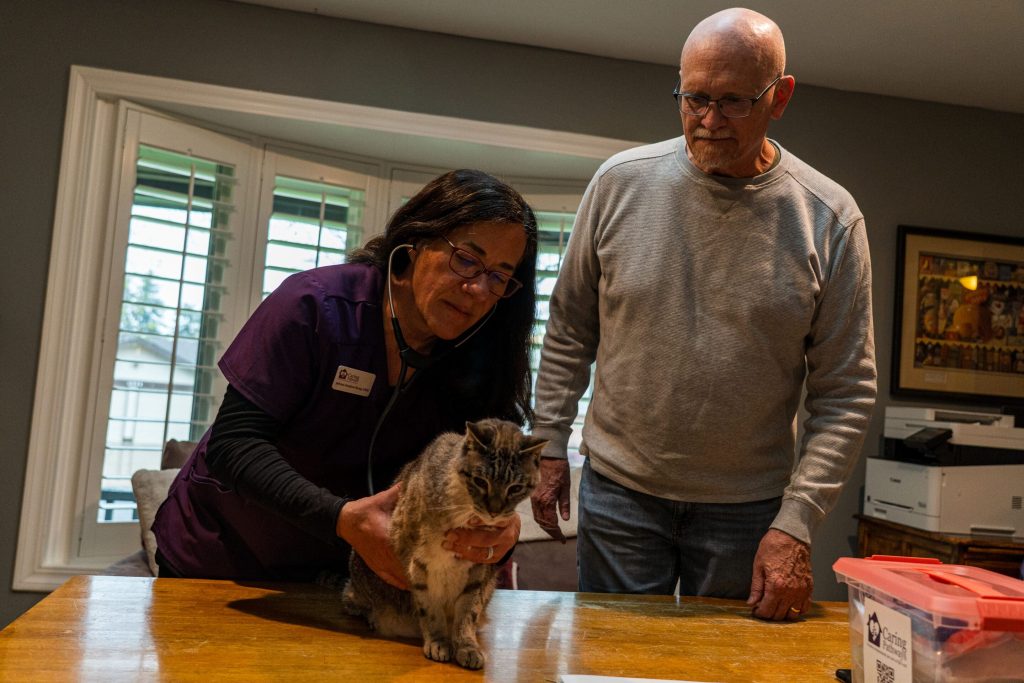
- Regular Veterinary Check-ups: Routine examinations become increasingly important as pets age. Annual or bi-annual veterinary visits can help detect potential health issues, such as dental disease, arthritis, or organ dysfunction, early on, leading to improved treatment outcomes. Many veterinarians also recommend regular blood work to monitor organ function and identify issues before they become critical.
- Comfortable Living Environment: A pet’s living environment plays a significant role in their comfort, especially for senior animals who may experience mobility issues, such as arthritis or hip dysplasia. Providing soft, supportive bedding can help alleviate joint pain, while adding ramps or low steps can make it easier for them to navigate their surroundings safely. Ensuring that their living space is quiet and free of stressors will also promote relaxation and comfort in their day-to-day lives.
It is important to recognize that senior animals may not express their discomfort as clearly as younger pets. This can lead to undetected pain or anxiety, making proactive measures even more critical. Taking the time to observe changes in behavior or appetite can lead to early interventions that significantly improve their quality of life.
Benefits of Proper Care
When pet owners prioritize the needs of senior animals, numerous benefits arise:
- Increased Longevity: Evidence suggests that happy and healthy pets often live longer lives. With proper nutrition, regular health check-ups, and a comfortable living environment, senior pets can thrive well into their later years.
- Improved Quality of Life: Effectively managing pain and discomfort through appropriate care leads to more joyful days. Seniors that receive dedicated attention often show improved mobility and an increased willingness to engage in activities they once enjoyed.
- Stronger Bonding: Engaging with senior pets in new ways, such as through gentle exercise or mental stimulation activities like puzzle toys, can significantly enhance your relationship. Having meaningful interactions fosters trust and affirms the bond you share.
By investing time and care into the lives of senior companions, pet owners can make a meaningful difference in their well-being and happiness. Understanding their unique needs allows you to respond effectively, ensuring their later years are as joyful and fulfilling as possible. Embracing this journey together allows you to witness the full spectrum of their senior years, making treasured memories along the way.
LEARN MORE: Click here to discover the importance of socialization for your pet’s mental health
The Importance of Holistic Approach in Senior Animal Care
When it comes to care for senior animals, a holistic approach is key to extending the quality of life for our furry friends. This involves considering not only their physical health but also their mental and emotional well-being. As pets age, they may experience significant changes in their behavior and physical abilities, making it vital for owners to take an all-encompassing view of their care needs.
Physical Health Management
One of the primary ways to ensure a senior pet remains healthy is through consistent monitoring and management of their physical condition. This includes:
- Weight Management: Obesity can exacerbate many age-related health issues, including diabetes, arthritis, and heart disease. Keeping a close eye on your pet’s weight and adjusting their diet and exercise routines accordingly is crucial.
- Dental Care: Dental issues are common in senior animals and can lead to painful infections affecting your pet’s overall health. Regular dental check-ups and teeth cleaning, alongside at-home dental care practices, can prevent these ailments.
- Exercise Regimen: While senior pets may not be able to engage in vigorous activities as they once did, regular gentle exercise is essential to keep them fit and stimulated. Activities such as short walks or light play can help maintain muscle tone and flexibility.
Each of these components plays an important role in managing your pet’s physical health as they age. By providing appropriate care, you can help prevent or alleviate many common ailments that arise during their senior years.
Mental and Emotional Well-Being
Senior animals often face cognitive decline, leading to issues such as confusion or anxiety. Enhancing their mental stimulation is just as important as focusing on physical health. Here are some effective strategies:
- Interactive Toys: Puzzle toys can engage senior pets, keeping their minds sharp while providing entertainment. These toys challenge them mentally and help prevent boredom, which can lead to behavioral issues.
- Social Interaction: Spending quality time with your pet, whether through gentle play or simply cuddling on the couch, reinforces bonds and reduces feelings of loneliness. Additionally, consider scheduling playdates with other friendly animals to encourage social interaction.
- Routine and Familiarity: Senior pets thrive on routine. Maintaining consistency in their daily schedule provides a sense of security and stability, which is particularly important as they may become anxious in unfamiliar situations.
Recognizing and addressing your pet’s mental and emotional needs can significantly impact their overall happiness. By providing a safe and stimulating environment, owners can create a fulfilling atmosphere for their senior companions, enhancing their quality of life as they age.
Understanding the Unique Needs of Senior Animals
As our beloved pets age, their needs evolve significantly, requiring a different level of care and attention. Senior animals, particularly dogs and cats, often face health issues like arthritis, dental problems, and decreased mobility. A crucial aspect of their care is adjusting their diet. Nutritious meals tailored for senior pets can help manage weight and promote overall wellness. Incorporating supplements such as omega-3 fatty acids can also support joint health, making it easier for them to live a more comfortable life.
Creating a Comfortable Environment
Creating a senior-friendly habitat can greatly enhance the quality of life for these animals. Implementing soft bedding that provides adequate support is essential, as older pets often suffer from joint pain. Additionally, maintaining a consistent temperature in the home can prevent discomfort.Furthermore, consider adding non-slip surfaces to reduce the risk of falls, ensuring a safe environment for senior pets who may have diminished balance and agility. Simple modifications like providing easy access to food, water, and favorite resting spots can make a big difference.
Regular Veterinary Check-Ups
Routine veterinary visits become increasingly important as pets age. Regular check-ups facilitate early detection of potential health issues, allowing for timely interventions. In particular, dental health should not be overlooked; many older animals suffer from periodontal disease, which can significantly impact their overall health. Discussing comprehensive geriatric care with your veterinarian can lead to personalized health plans tailored to your pet’s specific needs, enhancing their life quality and longevity.
| Category | Description |
|---|---|
| Dietary Management | Aging pets often need special diets to maintain their health and manage weight. |
| Home Modifications | Creating a comfortable, safe environment significantly impacts their quality of life. |
| Veterinary Care | Regular check-ups help identify health issues early, allowing for timely interventions. |
The insights gathered here set the foundation for extending the quality of life for senior animals. Understanding their specific needs and ensuring they receive appropriate care is essential in nurturing our companions during their golden years.
DON’T MISS: Click here for essential insights
Nutrition: The Foundation of Senior Animal Care
Proper nutrition is essential in the care for senior animals, serving as a foundation for their health and vitality. As pets age, their dietary requirements change, necessitating a shift in the type and quality of food they consume. Here are several key aspects of nutrition for senior animals:
Balanced Diet
Senior animals often benefit from diets lower in calories but rich in essential nutrients. High-quality senior pet food is formulated specifically for their changing needs, often containing:
- Increased Fiber: Fiber aids digestion and helps maintain a healthy weight by promoting a feeling of fullness, which is beneficial for senior pets prone to obesity.
- Joint Supplements: Ingredients such as glucosamine and omega-3 fatty acids can support joint health, relieve arthritis symptoms, and enhance overall mobility.
- Reduced Fat Content: Lower fat levels help manage weight, decreasing the risk of obesity-related diseases while providing enough energy for daily activities.
Consulting with a veterinarian to determine the right diet is prudent, as they can tailor advice based on your pet’s specific health conditions and lifestyle.
Hydration and Fresh Water Access
Hydration is often overlooked in the care of senior animals, yet it is crucial for their health. Senior pets may not drink water as frequently due to factors such as decreased thirst drive or mobility issues. Here are ways to ensure your pet stays hydrated:
- Fresh Water Availability: Always provide clean, fresh water, and consider using a pet water fountain to encourage drinking. Animals are often attracted to running water, making a fountain an appealing choice.
- Wet Food Options: Incorporating wet food into your pet’s meals can provide both nutrition and extra moisture, supporting hydration. This is especially beneficial for those who may not drink enough water.
Monitoring Food Intake
Regularly monitoring your senior animal’s food intake and adjusting their portions can help prevent weight issues. Weight management is critical in avoiding complications associated with obesity. Keeping track of changes in appetite can also alert you to potential health problems that require veterinary attention.
Veterinary Care: Routine Check-Ups and Preventive Health
Another cornerstone of quality care for senior animals is consistent veterinary evaluations. Regular check-ups can catch health issues early, greatly enhancing treatment outcomes. Here’s what to consider:
Annual Health Assessments
Veterinarians recommend that senior pets receive health assessments at least once a year, or more frequently if health issues are present. These assessments should include:
- Blood Work and Urinalysis: Routine tests can help identify underlying issues such as kidney problems, diabetes, or liver dysfunction, which are more common in older animals.
- Vaccination Updates: Staying current with vaccinations protects against diseases and conditions that could severely impact a senior pet’s health.
- Parasite Prevention: Regular screenings for fleas, ticks, and worms are vital, even for indoor pets, as parasites can compromise the immune system and lead to additional health complications.
Specialized Geriatric Care
Many veterinary clinics offer specialized programs for senior animals, including physiotherapy and rehabilitation services. These programs can improve mobility, contribute to overall well-being, and significantly enhance a senior pet’s quality of life. Engaging in such programs often requires a proper diagnosis, so collaborating closely with your veterinarian is advised.
In summary, a comprehensive approach that includes nutrition, hydration, and regular veterinary care is integral to ensuring senior animals live their twilight years with comfort, dignity, and joy. Each step taken towards enhancing their care significantly impacts their well-being, leading to happier, healthier lives.
DON’T MISS: Click here for essential tips
Conclusion: Embracing the Golden Years
In the journey of caring for senior animals, it becomes evident that our beloved companions deserve a tailored approach to maintain their health and happiness as they age. By focusing on nutritional needs, ensuring adequate hydration, and promoting routine veterinary care, we can significantly enhance the quality of life for our senior pets. Integrating specialized care, such as physiotherapy and nutritional adjustments, not only supports their physical well-being but also fosters an enriching environment for their emotional needs.
Understanding that aging brings about inevitable changes allows us to adapt our caregiving practices. Much like humans, senior animals require a little more attention, love, and care to navigate this stage of their lives gracefully. Each interaction and adjustment made can have profound effects, from improving mobility with joint supplements to offering comfort through regular vet visits, laying the groundwork for a vibrant, fulfilling life.
As pet owners in the United States, we hold the responsibility and the privilege to advocate for our senior companions. By prioritizing their needs and remaining proactive, we can extend not only the span but the quality of their lives, creating memories that resonate deeply. Invest time in understanding their changing behaviors and health requirements—because every moment counts when it comes to ensuring that we cherish our companions during their golden years.