Benefits of Interaction with Animals in the Recovery of Patients Undergoing Treatment
The Healing Power of Animals in Therapeutic Settings
Engaging with animals can play a significant role in the recovery of patients undergoing treatment. This interaction is not merely anecdotal; numerous studies underline the profound impact that animals can have on enhancing both mental and physical well-being. For instance, research published in the *Journal of Psychiatric Research* found that patients who participated in animal-assisted therapy reported a 60% reduction in anxiety levels. Such compelling evidence showcases a unique therapeutic benefit that traditional methods may not fully provide.
This approach is increasingly embraced as a complementary therapy, particularly in settings where healing is paramount. Places like:
- Hospitals – In many hospitals across the United States, therapy dogs visit patients, providing comfort and alleviating the usually sterile and intimidating atmosphere.
- Nursing homes – Residents often find joy and companionship through visiting pets, which can positively impact their mental health and reduce feelings of loneliness.
- Pediatric clinics – Children undergoing treatments for chronic illnesses often find that interacting with animals helps distract them from pain and fear, creating a more relaxed environment during stressful medical procedures.
Animal-assisted therapy goes beyond emotional support; it fosters social connections and encourages interaction among patients. The benefits extend far and wide:
- Reduction in anxiety and stress levels – Spending time with animals can lead to lower levels of cortisol, the hormone associated with stress.
- Boosting mood and overall emotional health – The unconditional affection of animals creates a sense of belonging, making patients feel valued and loved.
- Improvement in physical rehabilitation outcomes – Engaging with animals often motivates patients to participate more actively in their rehabilitation, aiding in mobility and muscle strength.
As the United States continues to embrace this holistic treatment methodology, healthcare professionals are observing positive changes in patient attitudes and adherence to treatment plans. Patients often report a renewed sense of purpose and motivation, as the bond between humans and animals can foster a supportive atmosphere that propels recovery. Moreover, organizations such as Therapy Dogs International and Pet Partners are gaining traction, training skilled therapy animals to assist in various healthcare environments.
The healing potential of animal interaction beckons further exploration. As more research surfaces and success stories proliferate, the relationship between humans and animals remains a captivating area that could significantly transform therapeutic practices across the nation.
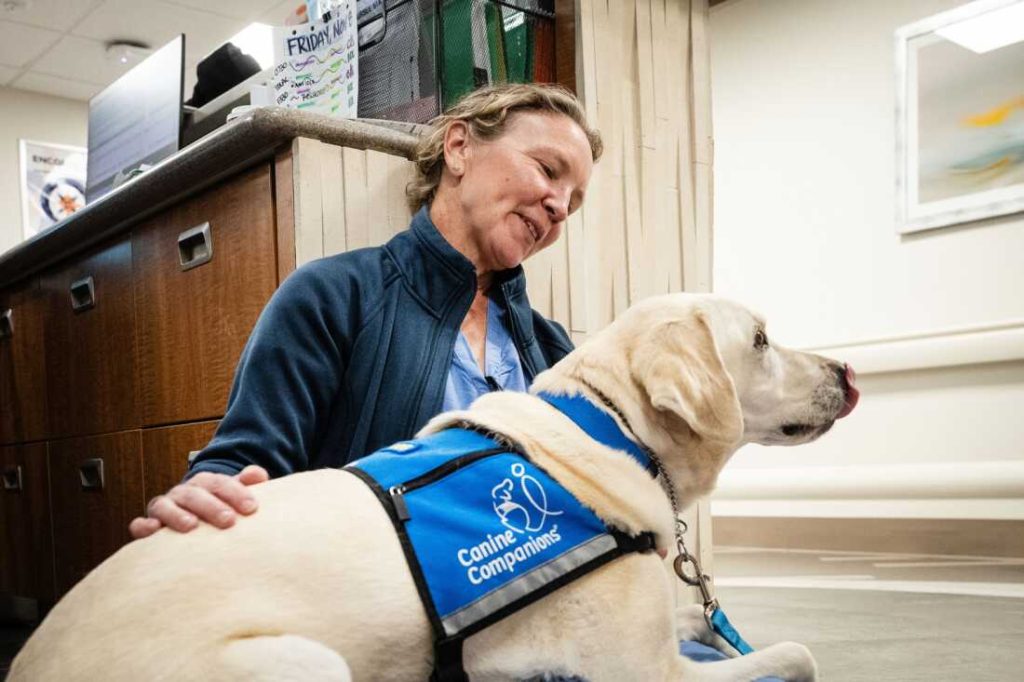
Enhancing Recovery: The Role of Animal Interaction in Patient Care
The relationship between humans and animals can be both profound and therapeutic, offering numerous benefits for patients undergoing treatment. This interaction not only enhances emotional well-being but also improves physical health outcomes, making it a vital component of holistic healthcare practices. A growing body of research supports the assertion that animal interaction can serve as a catalyst for positive change during periods of recovery.
One of the most notable advantages of interacting with animals is the significant reduction of stress and anxiety. For patients who face the daunting realities of illness and hospitalization, the presence of a therapy animal can be calming. Studies have indicated that petting dogs or cats can decrease blood pressure and heart rate, leading to lower stress levels. According to a study conducted by the University of Missouri, the act of petting a dog resulted in a 24% decrease in cortisol levels in participants, underscoring how these therapeutic interactions can facilitate relaxation.
Moreover, animals have remarkable abilities to uplift one’s mood. Strong emotional connections formed between patients and therapy animals can foster feelings of companionship and belonging, essential elements for mental recovery. The simple act of cuddling or playing with animals releases oxytocin, a hormone that promotes bonding and lowers feelings of sadness. This emotional support helps create a nurturing environment that encourages patients to engage more with their treatment and healthcare providers.
In addition to emotional assistance, animal interaction can play a crucial role in physical rehabilitation. Engaging with animals often incentivizes patients to become more active, which can lead to improved mobility and muscle strength. In one study, stroke patients who participated in pet therapy were more likely to adhere to their rehabilitation exercises, as the presence of animals made sessions more enjoyable and less intimidating. The motivation derived from working with animals can yield tangible gains in physical therapy outcomes, illustrating a multifaceted approach to recovery.
The impact of animals extends beyond individual therapy as well. In group settings, such as in nursing homes or mental health facilities, therapy animals can serve as social facilitators, encouraging interaction and communication among patients. For example, group therapy sessions that include therapy dogs prompt conversations, foster friendships, and reduce feelings of isolation. These social connections are crucial, particularly for populations such as the elderly or individuals battling chronic illnesses who may experience loneliness.
With the medical community gradually recognizing the extensive benefits of interaction with animals, more healthcare facilities are incorporating animal-assisted therapy into their programs. Initiatives led by organizations such as the Alliance of Therapy Dogs are paving the way for training therapy animals that can provide support in various settings, expanding the reach and effectiveness of this enriching approach.
| Category | Advantages |
|---|---|
| Emotional Support | Animals provide unconditional love and companionship, reducing feelings of loneliness and depression in patients. |
| Physical Health Benefits | Interaction with animals has been shown to lower blood pressure and enhance overall physical healing during recovery. |
| Therapeutic Engagement | Structured animal therapy sessions can encourage active participation in rehabilitation processes. |
| Social Skills Enhancement | Patients can improve their social interactions through relatable engagement with animals, paving the way for better communication with people. |
| Stress Reduction | Being around animals decreases stress levels, contributing to a more comfortable healing environment. |
Incorporating animal interaction into treatment programs has shown remarkable benefits for patients. Not only do pets offer an emotional anchor, helping to ease anxiety and tension, but they also foster an environment conducive to physical and emotional healing by encouraging patients to engage and connect. The act of caring for animals can lead to improved physical health outcomes as it encourages movement and commitment to rehabilitation. Consequently, patients who bond with therapy animals often experience a great boost in morale, motivation, and willingness to adhere to treatment plans. The allure of animal companionship cannot be underestimated; it truly plays a pivotal role in enhancing the recovery journey for those undergoing treatment.
Strengthening Patient Engagement Through Animal Interaction
Another compelling aspect of interaction with animals in patient care is the effect it has on patient engagement and adherence to treatment plans. Patients who participate in animal-assisted therapy often become more invested in their recovery journey. The bond formed with therapy animals can serve as a motivational anchor, encouraging individuals to actively participate in their treatment protocols. For example, cancer patients who participated in programs that involved therapy dogs reported feeling more inclined to engage in their medical routines, including attending chemotherapy sessions and following dietary recommendations. This increased investment in their health can significantly influence recovery outcomes.
In a similar vein, the cognitive benefits of interacting with animals have also been documented. Animal-assisted activities can stimulate cognitive function and improve focus, which is particularly beneficial for patients enduring mental health challenges or cognitive decline. Research from the University of Denver found that individuals with dementia exhibited improved memory recall and cognitive engagement when interacting with therapy pets. The interactive nature of these sessions promotes mental stimulation, making therapies more interactive and rewarding, leading to enriched overall patient experiences.
The incorporation of animals in healthcare settings is not limited to the physically or mentally ill. A growing body of evidence suggests that animal interaction benefits caregivers as well. Healthcare workers and family members often experience stress and burnout while caring for patients in medical settings. Engaging with therapy animals can provide these caregivers with much-needed respite and emotional support. Short breaks spent with animals have been shown to reduce perceived stress levels and enhance the overall workplace environment, leading to improved caregiver well-being, which ultimately benefits patient care.
Moreover, the versatility of therapy animals extends to various settings and patient populations. From schools supporting children with autism to rehabilitation centers for veterans undergoing PTSD treatment, animal-assisted therapy adapts to meet the unique needs of diverse groups. In fact, studies have shown that children with autism spectrum disorders demonstrate improved social skills and reduced anxiety when engaging with therapy animals. This adaptability not only highlights the universal appeal of therapy animals but also sheds light on their potential to meet specific therapeutic goals across demographics.
Despite the positive indicators of animal-assisted therapy, it is crucial to maintain rigorous standards to ensure the well-being of both patients and animals involved in these treatments. Training and certification programs for therapy animals, such as those offered by the Pet Partners organization, ensure that animals are well-suited for therapeutic environments and that handlers understand best practices for maximizing benefits while minimizing risks. These stringent requirements create a safe and effective framework for animal interaction, reinforcing the integrity of therapy programs across the United States.
As the discussion surrounding the integration of animal interaction into treatment continues to grow, it is evident that the multifaceted benefits provided by therapy animals are worth exploring further. From individual emotional support to improved social interactions and cognitive development, there remain vast opportunities to learn more about how these relationships can enhance patient recovery and overall well-being.
Conclusion: A Promising Path in Patient Recovery
In summary, the integration of animal interaction into patient treatment regimens offers a plethora of robust benefits that extend beyond traditional medical frameworks. From enhancing patient engagement to fostering emotional connections, therapy animals provide a unique support system that can significantly influence recovery outcomes. The positive impact on cognitive function also illuminates new avenues for therapy, particularly for individuals facing mental health challenges or cognitive decline. Evidence suggests that interactions with therapy animals can stimulate emotional well-being, promote social skills, and even alleviate anxiety, especially in vulnerable populations, including children with autism and veterans suffering from PTSD.
Moreover, the advantages of these interactions are not solely confined to patients. Caregivers benefit immensely from the emotional reprieve provided by therapy animals, enhancing their capability to give compassionate care. As these benefits become more widely recognized, healthcare professionals are called to explore and implement these innovative practices in clinical settings actively.
The increasing body of research surrounding the benefits of interaction with animals in recovery highlights the necessity for rigorous training and ethical standards in animal-assisted therapy. This ensures that all parties involved—patients, animals, and caregivers—experience a structured and positive environment that maximizes therapeutic effectiveness. As we move into a future where patient-centric care takes precedence, understanding the profound role animals play in healing could transform therapeutic practices and enhance the quality of life for countless individuals. The time is ripe to delve deeper into how these unique relationships can continue to reshape the landscape of patient recovery.