Challenges of Pet Adoption: Overcoming Barriers and Stigmas

Understanding the Complexities of Pet Adoption
Pet adoption is not merely a process of matching animals with families; it is a profound commitment that comes with its own set of challenges. Many potential adopters are met with hurdles that can deter them from welcoming a furry friend into their lives. Recognizing and addressing these obstacles is crucial for promoting successful adoptions, ultimately ensuring that countless animals find the loving homes they deserve.
A major hurdle in pet adoption arises from pervasive misconceptions about shelter animals. Many individuals harbor the belief that pets from shelters are troubled or have significant behavioral issues. This notion is largely unfounded; studies show that a large percentage of shelter animals are simply victims of circumstance, such as owners relocating or financial hardship. Organizations often strive to correct these misconceptions through outreach, showcasing the loving and adaptable nature of many animals awaiting adoption.
Financial constraints further complicate the adoption process. Adoption fees, which typically range from $50 to $200 depending on the shelter and animal, may seem manageable, but potential adopters must also consider the ongoing costs of pet ownership. Expenses such as routine veterinary care, vaccinations, food, grooming, and supplies can add up significantly. These financial commitments can be intimidating, especially for families on a tight budget.
Housing Limitations and Their Impact
Another significant obstacle stems from housing limitations. Many rental agreements—especially in urban areas—prohibit pet ownership or impose stringent restrictions on pet types and sizes. This limitation can greatly reduce the pool of potential adopters. For example, a family residing in an apartment might be unable to adopt a large breed dog simply due to management rules. This situation can lead to an unfortunate scenario where perfectly adoptable pets are left behind in shelters due to no fault of their own.
Additionally, societal stigmas play a practical role in discouraging adoption. For instance, certain dog breeds, like Pit Bulls and Rottweilers, often face breed biases that influence public perception, leading many adopters to overlook these loyal and affectionate animals. This discrimination is often rooted in media portrayal rather than factual behavior, which can lead to a disservice to both the animals and potential adopters.
Age and Health: A Misunderstood Factor
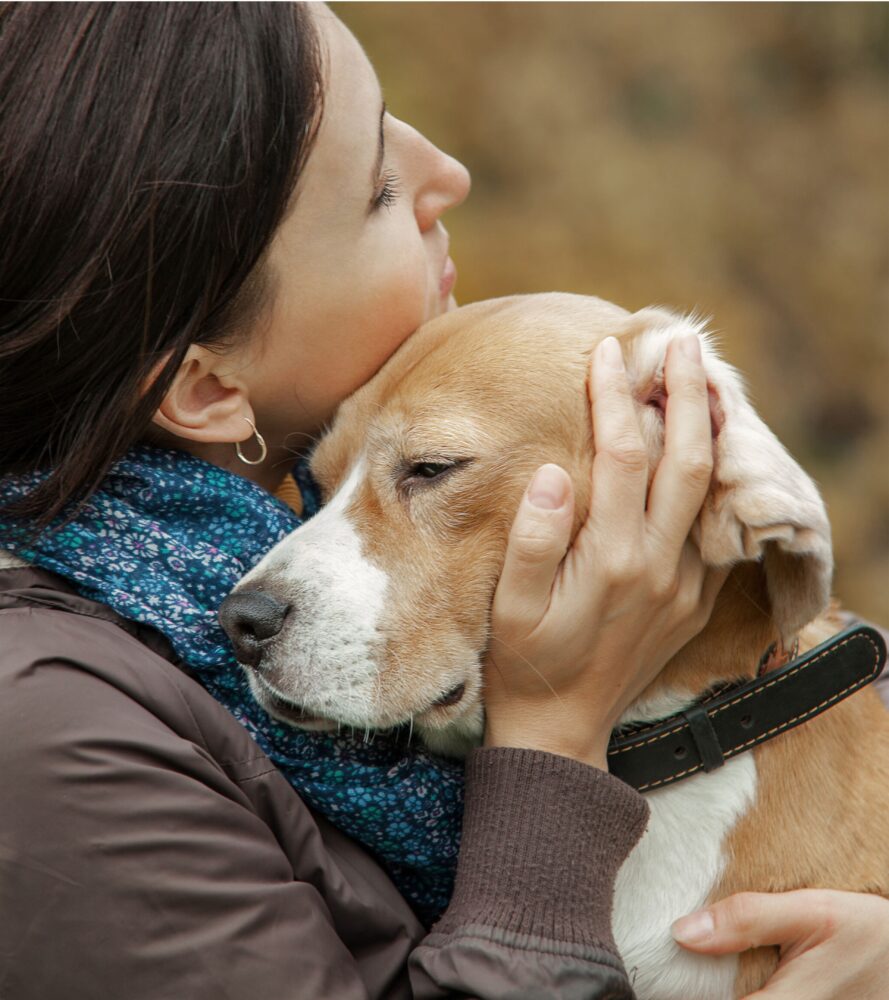
Concerns regarding age and health also significantly impact adoption rates, particularly for older animals or those with special needs. Many prospective pet owners are drawn to kittens and puppies, overlooking the affectionate companionship that older pets can provide. Unfortunately, senior animals tend to languish in shelters longer than their younger counterparts, despite evidence showing they can make resilient and loving companions.
In conclusion, the challenges associated with pet adoption extend beyond the simple act of bringing a pet home. They are deeply rooted in societal beliefs, financial implications, and housing arrangements. Addressing these issues not only increases the likelihood of successful adoptions but also empowers communities to foster better environments for animals in need. By educating potential adopters and advocating against stigmas, we can transform the pet adoption experience into a fulfilling journey for both the animals and their new families.
DISCOVER MORE: Click here for essential tips
Identifying Common Barriers in Pet Adoption
The journey of pet adoption is often fraught with complexities that can discourage even the most well-intentioned individuals. Beyond financial constraints and housing limitations, several additional barriers contribute to the challenges surrounding the adoption process. Recognizing these factors is essential for creating pathways that allow more animals to find loving homes.
Time Commitment and Lifestyle Fit
A significant, yet often overlooked, barrier is the time commitment associated with pet ownership. Many potential adopters may underestimate the amount of time and energy required to care for a new pet. Pets, especially dogs, require consistent training, exercise, and socialization. For individuals with demanding work schedules or frequent travel commitments, the prospect of adding a pet to their lives can seem daunting. Additionally, prospective pet owners may hesitate if they are uncertain about how a pet will fit into their current lifestyle or family dynamics.
Lack of Knowledge and Misinformation
Another formidable challenge comes from the lack of knowledge surrounding pet care and behavioral expectations. Many potential adopters may not be aware of important factors such as breed characteristics, health care needs, or training requirements. Misunderstandings surrounding pet behavior can lead to unrealistic expectations, resulting in frustration. To combat this, newly developed educational programs by shelters aim to inform prospective adopters more effectively while providing resources on the specific needs of different breeds and types of pets.
Emotional Barriers and Past Experiences
Emotional factors also play a critical role in the adoption process. Individuals who have faced past trauma or negative experiences with pets may be hesitant to adopt again. This emotional barrier can manifest in various ways, including fear of being hurt, failure in training, or the anxiety surrounding the responsibility of caring for another living being. Schools and community organizations are beginning to address this concern by offering support groups and workshops for those interested in overcoming such hurdles. These programs not only provide information but also foster a supportive network for prospective owners.
Breaking Down the Stigmas
The issue of stigmas surrounding pet adoption is another challenge that deserves attention. Many people still perceive shelter animals as undesirable or problematic. This perception can deter potential adopters who might believe that they are contributing to the problem rather than the solution. Educating the community about the realities of shelter animals promotes understanding and encourages more individuals to consider adoption. Initiatives such as “Adopt, Don’t Shop” campaigns have gained traction, further shifting societal attitudes towards shelter animal care.
Adopting a pet is undeniably a rewarding experience, but addressing these common barriers is crucial for creating a more welcoming environment for potential adopters. By understanding the intricacies of the adoption process and fostering a culture that values and supports pet ownership, communities can help ensure that every animal finds a loving forever home.
| Challenges Faced | Overcoming Strategies |
|---|---|
| Misconceptions about breed behavior | Education and awareness campaigns can help dispel myths, allowing potential adopters to understand that behavior is largely influenced by training and environment, not breed alone. |
| Financial concerns | Resource networking can provide potential pet parents with information about low-cost veterinary services and financial aid for pet care, easing financial burdens associated with pet ownership. |
| Stigma surrounding rescue pets | Community outreach programs can showcase the joys of adopting shelter animals, highlighting their personalities and unique traits to encourage acceptance. |
| Housing restrictions | Advocacy for pet-friendly policies can create a more welcoming environment, pushing for legislation that allows more flexibility for renters and homeowners alike. |
The challenges of pet adoption present a multifaceted obstacle for animal welfare advocates and prospective adopters alike. Each barrier reflects societal perceptions and individual circumstances that need addressing to promote a more inclusive environment for pet adoption. By implementing the described strategies, it is possible to break down these barriers and facilitate a smoother transition into pet ownership, while also benefiting countless animals in need of loving homes.
DISCOVER MORE: Click here to learn effective techniques
Addressing the Stigmas and Misconceptions
As we delve deeper into the challenges associated with pet adoption, it is pivotal to acknowledge the pervasive stigmas and misconceptions that can overshadow this noble endeavor. These stereotypes not only impact potential adopters but also influence the broader community’s perception of shelter animals.
Understanding Shelter Animals
One of the most prevalent misconceptions is that animals in shelters are there because they are inherently problematic or untrainable. In reality, many animals end up in shelters due to circumstances beyond their control, such as abandonment, economic hardship, or family changes. Educating the public on the true stories behind these animals is essential for reshaping perceptions. For instance, according to the ASPCA, approximately 2.7 million shelter animals are adopted each year in the United States, demonstrating that these pets can be loving and loyal companions.
Promoting Adoption Success Stories
Another effective strategy to combat stigma is the promotion of success stories from previous adopters. Sharing testimonials, photos, and videos of happy pets thriving in their new homes offers tangible proof that not only can adopted pets flourish, but they also enrich the lives of their owners. Organizations like Petfinder and local shelter websites often feature these heartwarming narratives, showcasing a diverse range of animals who have overcome challenges and become cherished family members.
The Role of Breed-Specific Misperceptions
Breed-specific stereotypes represent another significant barrier in the adoption landscape. Breeds such as Pit Bulls, Rottweilers, and other larger dogs frequently suffer from unfair stigmas, primarily due to societal fears and media portrayal. Reports indicate that certain breeds are at a higher risk of being overlooked in shelters, given the biases against them. Educational campaigns focusing on the need for proper training, socialization, and understanding breed behavior can be instrumental in eliminating these prejudices. The #AdoptDontShop movement consistently encourages adopting all breeds, challenging the myths associated with them.
Community Engagement and Outreach
Community involvement is crucial for dismantling barriers and promoting pet adoption. Local shelters and humane societies are actively working to engage the community through outreach programs that highlight the importance of adoption. Events such as “Meet Your Best Friend at the Park” and adoption fairs allow potential owners to interact with various pets in a low-pressure setting. Programs like these not only connect animals with potential adopters but also foster a culture of empathy and understanding within the community.
Overcoming Adoption Biases Through Education
Moreover, the implementation of educational workshops can guide potential adopters through the adoption process and address any fears or misconceptions they might hold. These sessions often cover vital topics such as financial responsibilities, pet care basics, training strategies, and even how to navigate the challenges associated with pet behavior. Educating the public not only helps to overcome fears but also instills the confidence needed for successful long-term partnerships between pets and their owners.
As communities continue to address the barriers and stigmas of pet adoption, the focus must remain on fostering an environment of acceptance, understanding, and support. Through continuous education and outreach, the realities of pet ownership can be demystified, encouraging more individuals to open their hearts and homes to the incredible animals in need of love and care.
LEARN MORE: Click here to discover the latest trends
Conclusion: Encouraging Positive Change in Pet Adoption
In conclusion, the challenges of pet adoption are multifaceted, deeply intertwined with societal perceptions, and often driven by misconceptions and fear. Overcoming the barriers and stigmas surrounding shelter animals is crucial for fostering a compassionate society that values life and love, regardless of an animal’s background or breed. By prioritizing education and community engagement, we can reshape the narrative around pet adoption, emphasizing the joy, loyalty, and unique companionship that shelter pets can offer.
As we reflect on the fundamental role that outreach programs, success stories, and educational workshops play in changing hearts and minds, it is vital to recognize that an informed adopter is often a successful one. By addressing anxiety or misconceptions through targeted initiatives, we can empower individuals to take the leap into pet ownership, knowing that every animal deserves a chance at a loving home.
Moreover, as the U.S. grapples with the unfair treatment of certain breeds due to outdated stereotypes, it is imperative to advocate for a more nuanced understanding of animals based on their individual temperament rather than their label. Engaging with community networks can further amplify this message, allowing for rich interactions that dismantle fear and build trust.
The landscape of animal adoption can significantly shift if we collectively commit to erasing stigmas and advocating for every pet in need. Supporting local shelters and initiating conversations that counter prevailing myths will not only lead to happier pets but also to more fulfilled pet owners. Together, let us build a future where adoption is the first choice, paving the way for a compassionate community that embraces all creatures with open arms.