The Importance of Proper Hydration in Pets’ Diet
The Vital Importance of Hydration for Pet Health
Every pet owner wants their furry friends to lead healthy, vibrant lives. One critical aspect of well-being often overlooked is hydration. Just as humans require adequate water intake for optimal health, so do our pets. Ensuring your pet remains well-hydrated is essential for their overall health and vitality, influencing everything from their energy levels to their fur quality.
Why Hydration Matters
Understanding the significance of hydration in pets’ diets can lead to a myriad of benefits:
- Prevention of Dehydration: Dehydration can lead to serious health issues, including kidney problems, urinary tract infections, and overheating, especially in hotter climates. Symptoms of dehydration may include lethargy, dry gums, and loss of appetite. Keeping an eye on water consumption can help preempt these critical issues.
- Enhanced Digestion: Proper hydration supports efficient digestion and nutrient absorption, ensuring that pets can break down their food effectively. For instance, fiber-rich diets require adequate water to facilitate smooth digestion, preventing constipation and promoting regular bowel movements.
- Healthy Skin and Coat: Well-hydrated pets typically exhibit healthier skin and shinier coats. This is particularly important for breeds that are prone to skin issues, like Bulldogs and Retrievers. Regular hydration can help prevent dryness and flakiness, contributing to an overall healthier appearance.
Factors Influencing Hydration Needs
Many factors influence how much water your pet needs, including their age, size, and activity level. For instance, active dogs may require more water compared to older, less active ones. Likewise, puppies and kittens have higher hydration needs relative to their size due to their rapid growth rates. Specific breeds, such as large or highly active working dogs, may also have different hydration requirements.
Monitoring Water Intake
Simply providing fresh water is not always enough. It is essential to monitor and ensure your pet is drinking enough throughout the day. Factors such as pet food, environment, and seasonal weather changes play crucial roles in determining hydration levels. For example, dry kibble can lead to increased water requirements, whereas wet food usually contains a higher percentage of moisture, reducing the overall need for drinking water.
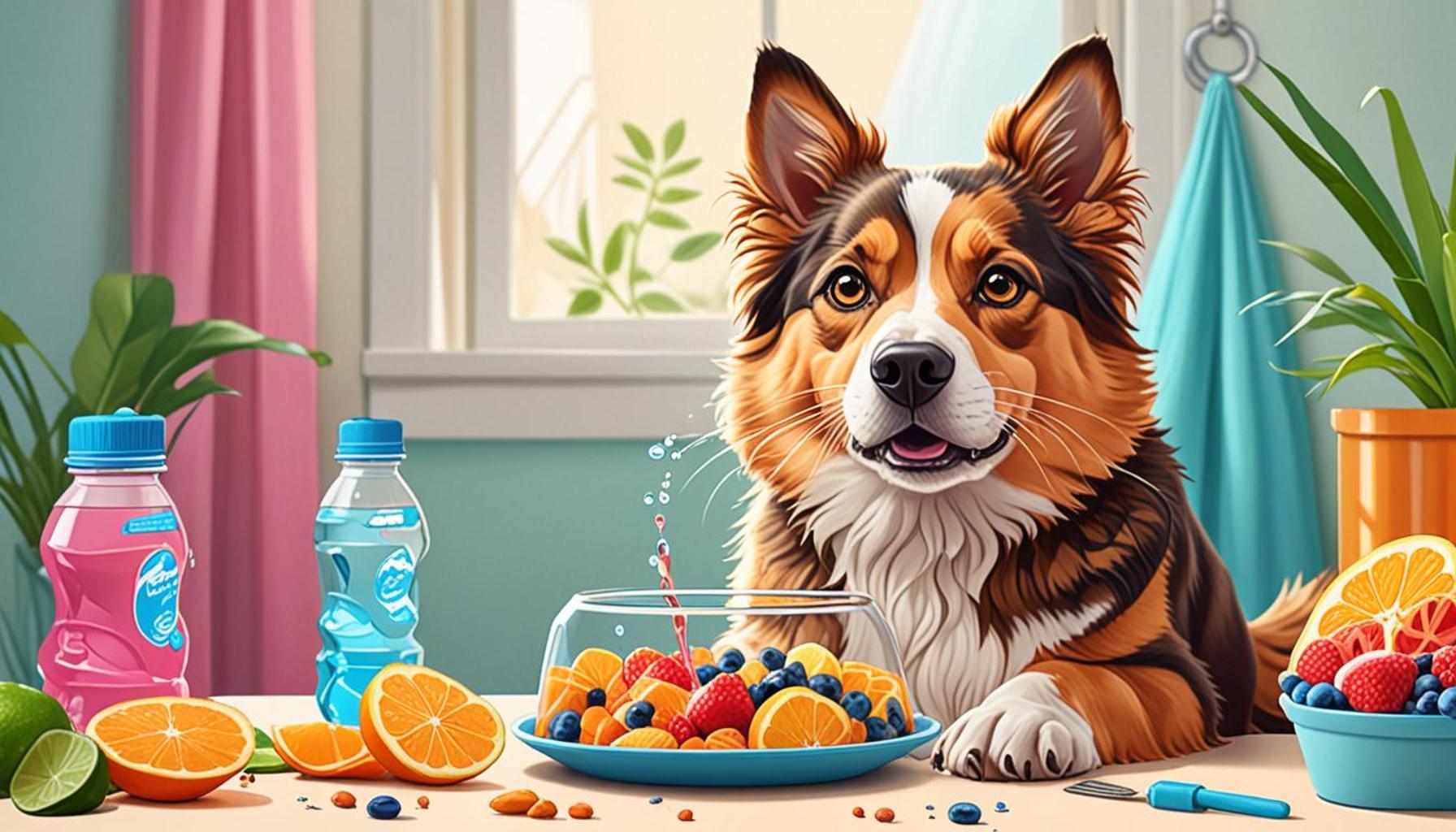
Moreover, in warmer months or during intense exercise, it’s crucial to provide frequent opportunities for your pet to hydrate. Setting up easily accessible water bowls, using pet water fountains, or even offering ice cubes can encourage your pet to drink more. You can also consider flavoring the water with low-sodium broth to entice reluctant drinkers.
Conclusion
This article dives deeper into why hydration matters for your pets, offering tips on ensuring they stay hydrated and healthy. By being proactive about your pet’s hydration, you can significantly enhance their quality of life. Stay tuned to discover insights that will empower you in your role as a pet owner and advocate for your furry friend’s health and well-being!
DIVE DEEPER: Click here to learn more
The Essential Role of Hydration in Pet Nutrition
Hydration plays a pivotal role in maintaining your pet’s overall health, yet it remains one of the most underestimated aspects of their daily care. Dogs and cats can’t always express when they are thirsty or when they require additional fluids, making it crucial for pet owners to be vigilant about their hydration needs. When considering the importance of proper hydration in pets’ diets, it’s important to recognize the significant impact that water intake has on various physiological functions.
Key Benefits of Proper Hydration
Ensuring your pets receive adequate hydration can lead to remarkable health benefits, which include:
- Regulating Body Temperature: Water is vital for temperature regulation in pets. During hot weather or after vigorous exercise, pets can easily become overheated. Adequate hydration helps to cool their bodies down through processes like panting and sweating through their paws.
- Boosting Kidney Function: The kidneys play a crucial role in filtering waste from the blood, and they require sufficient water to function efficiently. Dehydration can lead to concentrated urine, putting extra strain on the kidneys and potentially leading to serious health issues, such as kidney stones or renal failure.
- Promoting Mental Sharpness: Just like with humans, dehydration in pets can lead to lethargy and lack of focus. Adequate hydration supports optimal cognitive function, ensuring your pets remain alert and mentally sharp.
- Supporting Cardiovascular Health: Water helps maintain blood volume and circulation, which are essential for delivering nutrients and oxygen throughout your pet’s body. A well-hydrated pet is less likely to face complications related to their heart and circulatory system.
A Closer Look at Hydration Sources
While we often think of water as the primary source of hydration, pet diets can also influence their fluid intake. For instance, pets consuming dry kibble may need to drink more water to compensate for the lower moisture content in their food. Conversely, wet or canned foods contain a higher percentage of moisture (often up to 80%), which can significantly reduce the need for external water consumption.
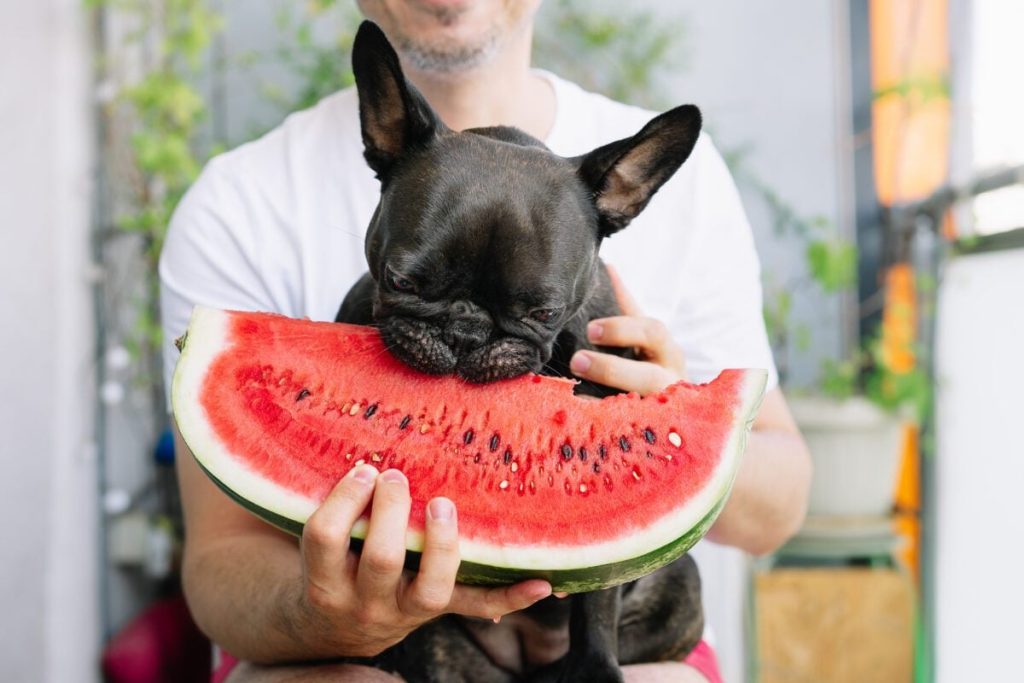
As a pet owner, understanding your pet’s dietary habits and preferences will help you better manage their hydration. Some pets may prefer fresh, clean water from a bowl, while others may be attracted to pet water fountains. Providing both options can encourage them to drink more. Additionally, if your pet is particularly reluctant to drink, consider incorporating water-rich fruits and vegetables—like cucumbers or watermelon—into their diet to boost their hydration levels.
Conclusion
By recognizing the multifaceted role of hydration in your pet’s diet, you can take proactive steps to ensure their well-being. From helping to regulate body temperature to promoting kidney function and mental sharpness, hydration is a fundamental aspect of pet health that warrants your attention. Stay tuned as we delve into practical tips and strategies for ensuring your furry friend stays adequately hydrated, safeguarding their health and happiness!
| Advantage | Explanation |
|---|---|
| Improved Digestion | Proper hydration aids in breaking down food and absorbing nutrients, leading to a healthier digestive system for pets. |
| Enhanced Energy Levels | Well-hydrated pets often exhibit more energy, enhancing both their playfulness and overall activity levels. |
| Regulated Body Temperature | Water helps maintain a stable body temperature, especially in active or hot environments, reducing the risk of heatstroke. |
| Skin & Coat Health | Hydration plays a crucial role in keeping your pet’s skin moisturized and its coat shiny and healthy. |
Ensuring that your pets stay hydrated can significantly improve their overall well-being. Many pet owners may overlook the vital link between hydration and health. By prioritizing fluid intake, you can effectively enhance your pet’s quality of life. Staying informed about the hydration needs based on the type of pet and its activity level is key to fostering a happier and healthier companion.
DON’T MISS OUT: Click here for essential tips
Recognizing Signs of Dehydration in Pets
As responsible pet owners, it is essential to be aware of the signs of dehydration in our furry friends. Many pets may not exhibit obvious symptoms until they are significantly dehydrated, making early detection crucial. Some of the common signs to look out for include:
- Decreased Skin Elasticity: A simple test to check for dehydration involves gently pinching the skin at the back of your pet’s neck. If the skin takes longer than a second to return to its normal position, it may indicate dehydration.
- Dry Mouth and Gums: Healthy pets should have moist gums. When your pet’s mouth feels dry or sticky, this can be a clear sign that they’re not receiving enough fluids.
- Fatigue or Lethargy: If your pet seems unusually tired or lacks energy during playtime, dehydration could be the underlying cause. Pets may become sluggish as energy levels drop when they are not properly hydrated.
- Reduced Urination: Pay close attention to your pet’s bathroom habits. If they are urinating less frequently than normal or producing smaller amounts of urine, this could be a signal that they need more fluids.
Understanding these signs enables pet owners to take timely action, such as adjusting their pet’s water intake or consulting a veterinarian if the situation does not improve quickly.
The Best Practices for Keeping Pets Hydrated
To help maintain proper hydration levels in your pet, there are several best practices that can be easily integrated into your daily routine. Here are some strategies to consider:
- Offer Fresh Water Daily: Ensure that your pet has access to clean, fresh water at all times. It’s vital to replace the water daily, as stale water can deter pets from drinking.
- Encourage Drinking: Some pets are more inclined to drink when using a pet water fountain, which circulates water and keeps it cooler. Observing your pet’s preferences can help you choose the best option.
- Regular Feeding of Moisture-Rich Foods: Incorporating wet food into your pet’s diet can significantly enhance their fluid intake. Consider mixing both dry kibble and canned foods for a balanced approach that ensures hydration.
- Interactive Water Games: For pets that love to play, engaging them in water games can make hydration fun. Encouraging them to splash in water or using toys that they can retrieve from a shallow pond or pool can motivate them to drink more.
Additionally, during hot weather or after exercise, consider offering your pets electrolyte solutions specifically designed for animals. These products can help replenish lost fluids and maintain hydration during periods of increased exertion.
Hydration and Veterinary Care
Regular vet check-ups are essential for monitoring your pet’s overall health, including their hydration levels. During these visits, veterinarians can assess your pet’s hydration status and offer tailored advice regarding their dietary needs. This is particularly important for certain breeds that may have higher susceptibility to dehydration or underlying health conditions that could impact their fluid balance.
In conclusion, the importance of proper hydration in pets’ diets cannot be overstated. With vigilance and proactive measures, you can ensure that your beloved pets remain healthy and well-hydrated, helping them thrive every day of their lives.
DISCOVER MORE: Click here to learn about healthy pet diets
In Summary: Elevating Your Pet’s Health Through Hydration
In today’s fast-paced world, pet owners often overlook a fundamental aspect of their furry companions’ health—proper hydration. Throughout this article, we’ve highlighted the critical role that water plays in maintaining a balanced diet for pets, emphasizing how essential it is for their overall well-being. From recognizing the signs of dehydration, such as decreased skin elasticity and fatigue, to implementing best practices like providing fresh water and incorporating moisture-rich foods into their diet, there are many actionable steps every pet owner can take to ensure their pets remain properly hydrated.
Research has shown that even mild dehydration can significantly affect a pet’s health, leading to issues that may escalate if not addressed promptly. The impact of hydration extends beyond just thirst—adequate fluid intake is pivotal for digestion, circulation, and maintaining a healthy body temperature. Moreover, regular veterinary check-ups can help monitor and adjust your pet’s hydration needs based on their specific requirements.
Ultimately, by being proactive in managing your pet’s hydration levels, you not only foster a healthier and happier companion but also contribute to their longevity. Consider exploring innovative products like water fountains or highly palatable wet foods to engage your pet in drinking more fluids. As we continue to learn more about the vital relationship between hydration and our pets’ health, it’s worth investing time and effort into ensuring they stay well-hydrated. Adopting these practices today can yield lifelong benefits for our loyal friends.