The Benefits of Raw Food for Pets
The Rise of Raw Food Diets for Pets
In recent years, the trend of feeding pets a raw food diet has gained significant traction among pet owners. Advocates of this dietary choice believe it mirrors the natural eating habits of animals in the wild, emphasizing natural, unprocessed ingredients that aim to enhance a pet’s overall health and well-being. But what exactly are the benefits of raw food for pets? Let’s delve into this intriguing movement.
One of the most notable advantages of a raw food diet is improved digestion. Pet owners frequently report that their furry companions experience less bloating and produce healthier stools after transitioning to raw food. This may be attributed to the diet’s high protein and moisture content, which can aid in digestion and nutrient absorption. For instance, raw meat, bones, and vegetables are easier on the digestive system, which can benefit pets that often suffer from allergies or sensitivities related to processed foods.
Moreover, many pet owners notice a shinier coat on their animals after switching to a raw diet. This improvement can be largely credited to a diet rich in essential fatty acids found in raw ingredients such as fish, beef, and flaxseed oil. These elements can help reduce shedding, alleviate dry skin, and enhance the overall luster of a pet’s fur, making grooming sessions more pleasant for both pets and their owners. For instance, a dog’s coat may start to reflect light rather than appear dull and lifeless when nourished properly.
Another compelling benefit is the increased energy levels that pets often display on a raw food diet. Many pet parents report that their dogs and cats seem more lively and spirited, engaging more during playtime and interactions. This boost in vitality can be linked to the diet’s concentrated energy source, which comes from fresh, whole foods that provide essential nutrients without fillers and artificial additives that commonly appear in processed pet foods.
In addition to improved digestion, appearance, and energy, a balanced raw diet can also contribute to a stronger immune system. Fresh meat, fruits, and vegetables can deliver a variety of vitamins, minerals, and antioxidants that support overall health and boost the immune response. This aspect is crucial, especially as pet owners are increasingly concerned with their pets’ longevity and quality of life. For example, certain raw foods like blueberries and sweet potatoes contain compounds that can enhance immune function and promote overall well-being.
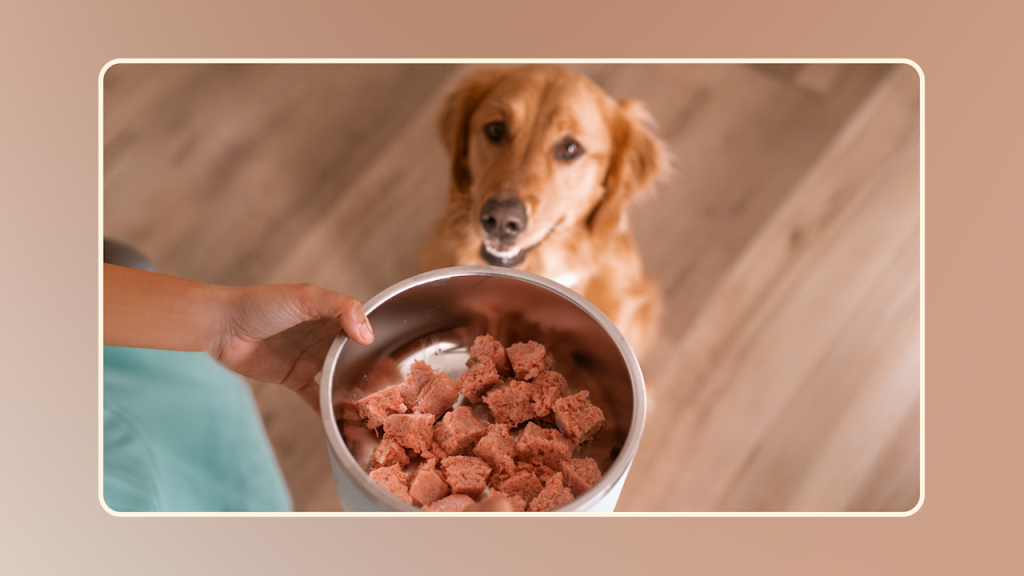
Despite these advantages, some pet owners may have concerns about the safety and nutritional completeness of raw diets. It’s essential to approach this topic with a sense of curiosity and thorough research. Consulting a veterinarian who is well-versed in this dietary preference can help pet parents navigate the complexities of raw feeding, ensuring that all nutritional needs are met without compromising safety. As the movement continues to grow across the United States, understanding the science behind raw pet food becomes increasingly crucial for every responsible pet parent.
In conclusion, the raw food movement for pets presents an exciting opportunity for pet owners to explore healthier dietary options. With benefits ranging from improved digestion to enhanced energy and immunity, many are compelled to consider how a raw diet could transform their pets’ lives for the better. As you embark on this journey, remember to gather knowledge and consult professionals to create the best possible diet for your furry friend.
DIVE DEEPER: Click here to learn more
The Nutritional Advantages of Raw Food for Pets
When it comes to pet nutrition, one of the standout features of a raw food diet is its ability to provide a wealth of essential nutrients in their most natural forms. Unlike traditional kibble or canned food that often includes fillers and preservatives, raw food is designed to honor the dietary needs of pets, ensuring they receive balanced nutrition that closely resembles what they would consume in the wild. With this in mind, let’s explore some of the nutritional benefits that have pet owners flocking to this vibrant feeding philosophy.
One of the key health benefits of raw feeding is its high protein content. Pets, especially dogs and cats, are carnivorous by nature, meaning their bodies are equipped to thrive on protein-rich diets. Raw meats, organ meats, and bones serve as excellent sources of high-quality protein, which is essential for muscle development, energy, and overall health. In fact, some studies suggest that diets incorporating at least 70-80% meat can significantly improve an animal’s muscle tone and strength, fostering an active lifestyle that many pets crave.
In addition to protein, raw diets are often rich in vitamins and minerals that play critical roles in vital bodily functions. Foods like fresh vegetables, fruits, and organ meats are loaded with nutrients such as:
- Vitamin A: Important for vision and skin health, commonly found in liver and fish.
- Omega-3 and Omega-6 fatty acids: Essential for maintaining a healthy coat and skin, often sourced from fatty fish.
- Calcium and phosphorus: Necessary for strong bones and teeth, typically provided through raw bones.
- Antioxidants: Key for reducing inflammation and supporting the immune system, abundant in various fruits and vegetables.
Moreover, many owners report that a raw food diet leads to healthier teeth and gums. Chewing raw bones can naturally cleanse a pet’s teeth, helping to reduce tartar buildup and prevent periodontal disease. Unlike dry kibble, which can sometimes lead to plaque accumulation, raw bones stimulate healthy chewing action, promoting oral hygiene while satisfying a pet’s natural urge to gnaw.
When discussing the topic of raw pet food, it’s impossible to overlook the freshness factor. By feeding pets freshly prepared meals, pet owners can ensure the absence of artificial preservatives, colors, and flavors that often plague commercial pet foods. This not only enhances palatability but also keeps a pet’s diet simple and clean, facilitating better digestion and nutrient retention.
While the benefits of raw feeding are impressive, it is crucial for pet owners to practice diligence in meal preparation. A raw diet should be carefully balanced to meet all the nutritional requirements specific to each pet’s age, breed, and health condition. Consulting with a veterinarian who specializes in raw diets can provide guidance in formulating a feeding plan that aligns with individual needs.
With all the potential advantages associated with a raw food diet for pets, it becomes evident that this approach is not just about choosing different ingredients; it’s about fostering a more holistic perspective on pet health. Whether it’s enhanced nutrition, better dental hygiene, or improved overall vitality, raw feeding invites pet owners to explore a richer, more fulfilling dietary choice for their beloved companions.
| Advantage | Explanation |
|---|---|
| Enhanced Nutritional Value | Raw food diets are rich in enzymes, vitamins, and minerals, which can simplify nutrient absorption and overall health improvement for pets. |
| Improved Digestive Health | By feeding pets raw food, pet owners notice a decrease in gastrointestinal issues, along with improved stool quality, which is a sign of better digestion. |
The benefits of raw food extend beyond basic nutrition, fundamentally enhancing the quality of life for pets. This diet can help in addressing food allergies due to its absence of fillers and artificial preservatives commonly found in commercial pet foods. Additionally, with more pet owners shifting towards raw food, not only can pets thrive but they can also enjoy a more natural dietary regime that reflects their ancestral eating habits. The transformative power of natural ingredients can lead to increased energy levels and vitality. Each aspect contributes to a holistic approach to pet wellness that is becoming increasingly popular amongst pet owners.
Exploring local providers of raw food can be a great way to connect with suppliers that prioritize quality. Furthermore, understanding the specific needs of different breeds can tailor the diet to optimize health. As we delve deeper into the world of raw feeding, we uncover the profound impact dietary choices can have on our furry companions.
DISCOVER MORE: Click here to uncover essential tips
Improved Digestive Health with Raw Food
Another significant advantage of a raw food diet for pets is its positive impact on digestive health. Many pet owners are increasingly finding that their dogs and cats thrive on a more natural diet, leading to a range of digestive benefits. The inclusion of raw meats, organs, and minimally processed vegetables fosters an environment conducive to efficient digestion, allowing pets to absorb nutrients effectively.
One primary reason for this improvement is the high moisture content present in raw food. Unlike dry kibble, which can dehydrate pets over time, raw food maintains hydration, essential for optimal digestive function. A well-hydrated gut facilitates smoother digestion and helps prevent gastrointestinal issues such as constipation, bloating, and inflammatory bowel disease. This hydration plays a crucial role not just in digestion but also in overall health and vitality.
Moreover, raw diets are typically lower in carbohydrates compared to traditional pet food. Many commercial kibbles contain high amounts of grains and fillers that can overwhelm a pet’s digestive system, leading to food allergies and intolerances. This shift towards a low-carb diet aligns closer with the natural dietary habits of dogs and cats, which can help mitigate these sensitivities. Pets fed a raw diet may experience fewer digestive disturbances, resulting in firmer stools and healthier bowel movements.
Skin and Coat Health Transformation
Another compelling element of raw food diets is their potential to vastly improve a pet’s skin and coat condition. Pet owners often note a remarkable enhancement in their pets’ coat quality after transitioning to raw feeding. This can largely be attributed to the incorporation of essential fatty acids, particularly Omega-3 and Omega-6, which are prevalent in many raw ingredients such as fish, flaxseed oil, and certain meats.
The significant amounts of these fatty acids in a raw food diet help to nourish the skin from the inside out. Omega-3 fatty acids are well-known for their anti-inflammatory properties, which can alleviate common skin issues such as itching, flaking, and dryness that many pets suffer from on commercial diets. Additionally, pets consuming raw food may display a shinier, more lustrous coat, making them not just healthier but also more visually appealing.
Regular raw feeding can also help to combat conditions like allergies and dermatitis. By eliminating commercial food with artificial additives and allergens, pet parents may find relief for their furry friends who previously struggled with constant scratching or irritation. Incorporating raw ingredients into a pet’s diet can lead to less inflammation and irritation, thus providing them with both comfort and quality of life improvements.
Behavioral Benefits Linked to Diet
As surprising as it may seem, a raw food diet for pets can also have a positive impact on their behavior. Numerous studies suggest that diet plays a vital role in influencing a pet’s energy levels, mood, and behavior patterns. For instance, the protein-rich composition of raw food can lead to improved focus and energy in pets, as it mimics the balanced nutrition they would find in their natural habitats.
A diet abundant in high-quality proteins and nutrients can help reduce behavioral issues traditionally linked to poor nutrition. Pet owners who have made the switch to raw feeding often report less hyperactivity and aggression in their pets, along with a noticeable decrease in anxiety-related behaviors. The prospect of a calmer, more balanced pet can be highly enticing for owners struggling with behavioral challenges.
Overall, the insights into the digestive health, skin conditions, and behavior of pets transitioning to a raw food diet are compelling. With a growing body of anecdotal evidence, raw feeding continues to advocate for a return to more natural feeding practices that acknowledge the innate dietary preferences of canines and felines alike.
DON’T MISS: Click here to discover the vital role of socialization for your pets
Conclusion: Harnessing the Power of Raw Food for Pets
In summary, the transition to a raw food diet for pets offers an array of benefits that extend beyond mere nutrition. As explored throughout this article, pets can experience significant improvements in their digestive health, enhancing their ability to absorb nutrients and maintain optimal hydration levels. This shift not only aids in preventing gastrointestinal issues but also aligns closely with their natural dietary inclinations.
Furthermore, a raw food diet can lead to remarkable changes in a pet’s skin and coat health, showcasing the undeniable connection between nutrition and overall appearance. By supplying essential fatty acids and eliminating irritating additives, pet owners may discover a reduction in allergies and a newfound vibrancy in their pets’ coats.
Perhaps most intriguingly, the impact of diet on behavioral patterns cannot be overlooked. The correlation between a nutrient-rich, protein-dense diet and improved behavior may provide pet owners with the key to resolving common issues such as anxiety and hyperactivity.
As raw feeding continues to gain traction among pet owners, the growing body of evidence highlights a significant opportunity to elevate the well-being and happiness of our furry companions. While individual results may vary, exploring the options and considering the benefits of raw food can be a rewarding journey for both pets and their humans. Careful research and a consult with a veterinarian can ensure that any dietary shift is safe and beneficial, paving the way for healthier, happier lives for our beloved pets.