
Tips for Preparing Your Pet for the Arrival of a Baby at Home

Preparing Your Pet for the Arrival of a Baby
Welcoming a new baby into the family is an exciting adventure, but it can also be a time of uncertainty, especially for your furry friends. The introduction of a baby into your household can significantly alter your pet’s environment and routine, requiring careful planning and consideration. If neglected, this transition could lead to stress for both your pet and your new bundle of joy. Understanding the significance of this period and taking proactive steps can foster a smoother integration process.
Here are a few essential tips to get you started:
- Adjust routines: Animals thrive on routine, so it’s vital to gradually modify your pet’s daily schedule to mirror the changes that will come with a baby. If your dog usually goes for a walk at 5 PM, try adjusting this time incrementally. Aim for similar timing and introduce new activities that might accompany your baby’s schedule, such as shorter walks and playtimes.
- Introduce new sounds: Pets are often sensitive to sounds they are not familiar with. Play recordings of baby cries or laughter to help your pet acclimate to these new noises. Maintaining a calm demeanor while playing these sounds will help your pet associate them with a positive environment.
- Create safe spaces: Designate areas in your home where your pet can retreat when they need some quiet time. This might be a cozy corner or a separate room stocked with their favorite toys and a comfortable bed. Providing this sanctuary allows your pet to feel secure amid the changes unfolding in your home.
Recognizing that pets can perceive these changes differently is essential. They may react with anxiety or exhibit behavioral challenges such as jealousy or aggression. Engaging with your pet in positive reinforcement training can be beneficial. For example, rewarding calm behavior in the presence of baby sounds or allowing them to participate in preparatory activities (like setting up the nursery) can reinforce a sense of inclusion.
Furthermore, introducing your pet to baby items such as cribs, strollers, and toys before the newborn arrives can help demystify these objects. Allowing them to sniff and explore these items will create familiarity, thus reducing potential anxiety on the baby’s arrival day.
Through patience and preparation, you can help your pet adjust to their new sibling, ensuring a peaceful coexistence in your home. This preparation is not simply an anticipation of the baby’s arrival; it’s about maintaining a healthy, balanced family dynamic. Fostering understanding and creating a nurturing environment for both your baby and your beloved pet is paramount to a harmonious transition.
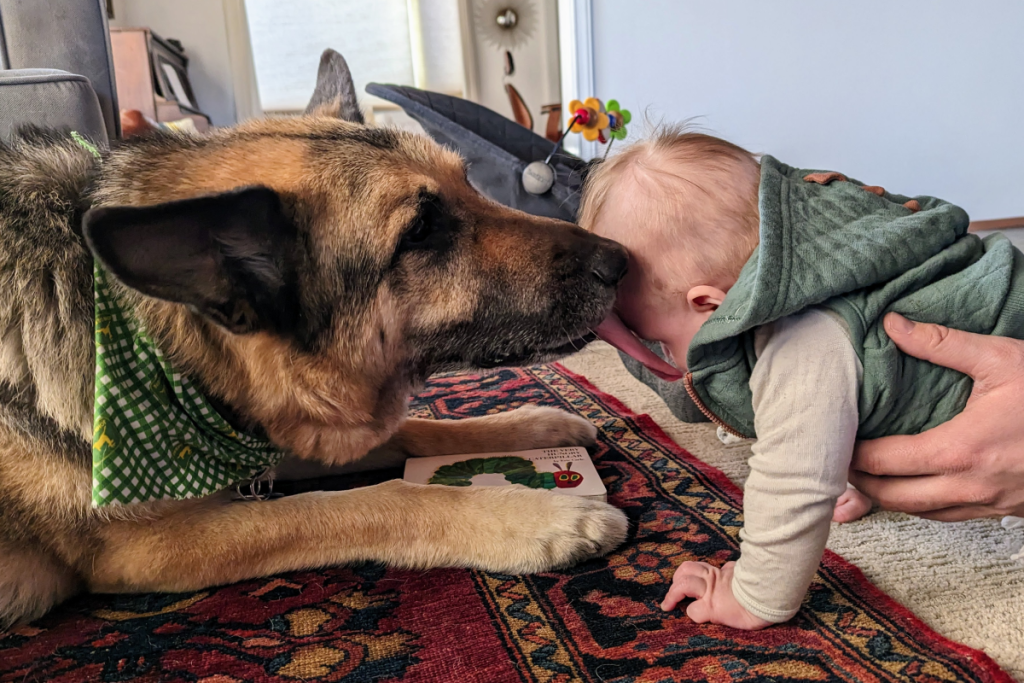
As you embark on this new chapter, remember that every effort you make will pay off, creating a loving bond between your new baby and your pet. Investing time in understanding how to approach this significant life change is the foundation for a joyful family atmosphere.
DISCOVER MORE: Click here for insights on a balanced diet for your pets</p
Understanding Your Pet’s Perspective
To ensure a smooth transition for both your pet and new baby, it’s crucial to delve into your pet’s perspective during this time of change. While you may be focused on baby preparations, your pet might experience confusion, anxiety, or even jealousy with the addition of a new family member. Recognizing these feelings and addressing them preemptively can set the stage for a harmonious environment.
As part of your preparation, consider these key strategies for easing the adjustment:
- Engage in gradual introductions: If possible, start allowing your pet to see and interact with baby-related items and sounds several weeks before the baby arrives. This may include letting them explore baby clothes, toys, or even your own baby gear. Familiarity will promote comfort and diminish anxiety.
- Maintain socialization: As welcoming a baby will demand significant attention, ensure your pet does not feel neglected. Maintain regular playtime and affection sessions to reassure them they are still a beloved member of the family.
- Reinforce obedience training: Consider utilizing this time to refine your pet’s training. Commands like “sit,” “stay,” and “leave it” can be particularly useful as they will enable you to manage your pet effectively when the baby arrives. Positive reinforcement can cultivate better behavior during this transformational period.
- Plan for exercise and stimulation: Regular physical activity is critical for your pet’s mental well-being. Adjusting your schedules to incorporate exercise will help manage their energy levels, making them less likely to react negatively to any new stimuli presented by an infant.
Another important factor to consider is how to introduce your pet to the new family member once the baby arrives. Carrying your baby into the home after spending time away at the hospital can potentially confuse your pet. It’s advisable to introduce them in a calm manner, allowing them to sniff and get to know the baby while supervised. Always use a gentle tone and exhibit encouraging behavior while your baby is present.
Additionally, consulting with a veterinarian or a professional animal behaviorist can provide personalized insights regarding your pet’s unique temperament, age, and breed. Certain pets may require special attention or additional training to adapt to the new dynamics in your home. Your vet can also advise on any safety considerations, especially if your pet is large or particularly energetic.
Establishing the groundwork now will pay dividends long after the baby arrives. By fostering an atmosphere of security and understanding, you can help your pet embrace this new role as a family member while keeping their comfort and happiness at the forefront.
| Preparation Strategy | Tips for Success |
|---|---|
| Gradual Introduction | Introduce your pet to baby items early, such as toys and a crib, to familiarize them with new smells and sounds. |
| Training Refreshers | Reinforce basic commands to ensure your pet remains obedient and comfortable during the transition. |
| Safe Spaces | Create a quiet area for your pet to retreat if they feel overwhelmed by the new baby dynamics. |
| Positive Associations | Use treats and praise to create positive associations with baby-related activities. |
Bringing a new baby home is an exciting yet challenging time, and preparation is key. One of the essential tips for preparing your pet for the arrival of a baby is focusing on gradual introduction. Pets are sensitive to changes in their environment, so introducing them to the baby’s items well beforehand can help ease the transition. Additionally, refreshing basic training commands ensures that your pet remains obedient and comfortable amid new sounds and routines.Establishing safe spaces can greatly benefit your pet. Not all animals appreciate sudden changes, and having a quiet retreat can ease anxiety. Another effective strategy is to create positive associations, which can be achieved by using treats when introducing your pet to baby-related activities. This encourages them to view the situation favorably. Adhering to these tips can make the transition smoother for both your pet and your growing family.
DISCOVER MORE: Click here to learn about the latest trends
Creating a Safe and Inviting Space
As you prepare for the arrival of your baby, an essential aspect of easing the transition for your pet includes creating a safe and inviting space for both your pet and the new infant. This can alleviate feelings of jealousy or competition, ensuring your pet still feels secure in their environment. Here are some steps to consider:
- Designate pet-free zones: Establish areas of your home that will be exclusively for your baby, such as the nursery or specific rooms where your baby will spend time. By creating boundaries, you can help your pet understand that certain spaces are reserved for the new arrival, which can ultimately reduce tension.
- Set up a cozy retreat: Make sure your pet has access to a comfortable space where they can retreat when they need a break from the noise and excitement of a newborn. This could be a quiet corner of the house or a dedicated pet bed that offers them solace and a designated area of comfort.
- Utilize baby gates: Baby gates can be effective tools for controlling access to certain areas of your home. Use them to prevent your pet from entering the nursery or wherever the baby will be sleeping. This creates a controlled environment while still allowing your pet to feel involved in the household activity.
- Incorporate calming elements: Consider employing calming products that can help soothe your pet’s nerves during this chaotic transition. Calming collars, pheromone diffusers, and anxiety wraps can serve to create a more relaxed atmosphere for your furry friend.
In addition, it’s crucial to rethink your pet’s daily routine. An alteration in your pet’s schedule can lead to behavioral issues and anxiety, particularly in these times of change:
- Stick to routine: Maintain your pet’s routine as much as possible, including feeding times, walks, and play sessions. Minimize disruptions to their daily life to prevent anxiety and keep them feeling secure.
- Involve your pet in baby care: Once your baby arrives, involve your pet in low-obstacle tasks, such as being present during bath time or offering them treats when they demonstrate calm behavior while the baby is nearby. This inclusion can promote a sense of belonging and unity in the family dynamic.
Moreover, it is crucial to address the noise and movements associated with a newborn. Babies naturally produce various sounds that can be unfamiliar and alarming to pets:
- Play baby sounds: Before the birth, consider playing recordings of baby noises, such as cooing or crying, at a low volume. This familiarizes your pet with the sounds they will soon encounter.
- Bring home baby items: When you return home from the hospital, bring along a blanket or piece of clothing that has the baby’s scent on it. This technique provides a gentle way for your pet to familiarize themselves with the new family member’s scent prior to a direct introduction.
Transitioning your pet to welcome a new baby can be a daunting task, but with thoughtful preparation and foresight, both your pet and the new addition will flourish in their shared environment. Tending to the needs of your pet during this period of change highlights the love and commitment you have as a responsible pet owner while positioning your family for a fulfilling future together.
DISCOVER MORE: Click here to learn about the benefits of dog socialization
Final Thoughts: Ensuring Harmony between Pets and Newborns
As you embark on the exciting journey of welcoming a baby into your home, it’s vital to remember that your furry family members deserve just as much attention. Preparing your pet for the arrival of a baby is an essential step that can foster a harmonious household environment, minimizing potential stress for both your pet and your newborn. The strategies outlined, from establishing safe spaces and maintaining familiar routines to involving your pet in the process, will not only ease the transition but will also promote a sense of security for your pet.
Research indicates that pets who are well-prepared for changes in their environment tend to exhibit fewer behavioral issues and foster better relationships with infants as they grow. By investing time and effort in socializing your pet to the sounds, smells, and presence of a baby, you create an enriched atmosphere where both your pet and your child can thrive together. Remember, patience and consistency are key—allow your pets to adapt at their own pace, while ensuring they feel loved and included throughout this journey.
Ultimately, with mindfulness and careful planning, your household can become a harmonious space for all members, furry and non-furry alike. Embracing this new chapter will not only strengthen the bonds within your family but also bring about treasured memories as your little ones grow up alongside their four-legged companions.