How to Choose the Ideal Veterinarian for Your Pet: Tips and Considerations

The Importance of Choosing the Right Veterinarian
When it comes to safeguarding your pet’s health, selecting the right veterinarian is a pivotal decision. Your furry friend is more than just a pet; they are a cherished family member who relies on you to provide the best possible care. Navigating through the myriad of veterinary clinics can be daunting, but understanding the key factors that define a good veterinary practice can help streamline the process.
Location is a primary consideration. A vet clinic that is situated close to your home can save you precious time, especially in emergency situations where every second counts. For example, if your dog accidentally ingests something toxic, having a nearby veterinary office can significantly influence the outcome of the situation. Consider the clinic’s accessibility and whether it offers extended hours, which can be advantageous for working pet owners.
Next, consider the facility services offered. A well-equipped clinic should provide a comprehensive range of services that go beyond routine check-ups. Look for practices that offer vaccination programs, dental care, surgical procedures, and emergency services. For instance, some veterinary clinics may even have in-house laboratories to facilitate quick diagnostic testing, which can be invaluable in urgent care scenarios.
An essential aspect of choosing the right veterinarian lies in the staff qualifications. It’s important to inquire about the credentials of the veterinarians and their support staff. Check for certifications from recognized veterinary associations, such as the American Veterinary Medical Association (AVMA), which denotes a commitment to continuing education and professional standards. Engaging with well-trained staff ensures that your pet’s care is in knowledgeable hands.
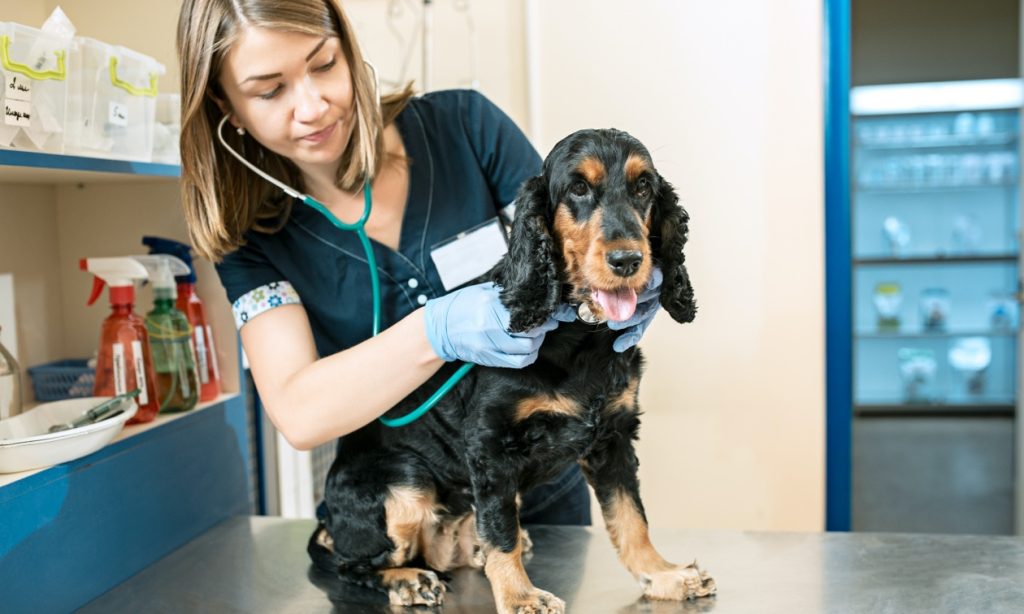
Visiting the clinic allows you to observe facility cleanliness and organization. A clean environment is indicative of the practice’s professionalism and care for its patients. Pay attention to how the staff interacts with the animals and their owners—an attentive and compassionate demeanor can make a significant difference in your experience.
As you consider your options, don’t overlook reviews and reputation. Online platforms like Google Reviews, Yelp, and Facebook can provide insights into other pet owners’ experiences. Additionally, soliciting recommendations from friends, family, or local pet communities can lead you to reputable veterinarians who are trusted by other pet enthusiasts in your area.
Finding a veterinarian who recognizes and adapts to your pet’s individual needs is crucial. Different pets have different health concerns based on their breed, age, and lifestyle. For example, senior pets may require more specialized care, while active, younger pets may need more preventative measures. Taking the time to research ensures that your furry companion receives comprehensive and attentive medical care.
In the following sections, we will delve into more tips and considerations for selecting the best veterinarian for your pet. From understanding veterinary specialties tailored to your pet’s needs to evaluating the customer service experience during a visit, we’ll empower you to make an informed decision that prioritizes your beloved pet’s health and well-being.
DON’T MISS: Click here to learn more about socializing your puppy</
Understanding Veterinary Specializations
In your search for the ideal veterinarian, it is imperative to comprehend the various specializations within veterinary medicine. Not every veterinarian possesses the same expertise, and the best fit for your pet may depend significantly on their specific needs. For instance, some veterinarians have trained in specialized fields such as dermatology, cardiology, or orthopedics, which might be particularly useful for pets with specific health concerns.
As you consider options, look for veterinarians who offer a blend of general care and specialized services. Some veterinary clinics even have on-site specialists, which can save you the hassle of commuting to different locations for your pet’s care. Here’s a breakdown of common specializations you might find:
- General Practice: These veterinarians provide routine care, vaccinations, and wellness check-ups.
- Emergency and Critical Care: These are specialists trained to handle urgent medical situations during after-hours or in crises.
- Behaviorists: If your pet struggles with anxiety or certain behavioral issues, a veterinary behaviorist can offer tailored strategies.
- Internal Medicine: These veterinarians delve into chronic illnesses and complex cases, often providing diagnostic insights that general practitioners may not cover.
- Surgery: If your pet requires an operation, finding a veterinarian with surgical expertise is critical for safety and effective intervention.
Moreover, consider the philosophy of care exercised by the veterinary practice. Some clinics emphasize alternative treatments such as acupuncture or holistic approaches. While these methods are not for everyone, they can be beneficial for certain pets, especially those with chronic conditions. Discuss your preferences openly with prospective veterinarians and assess their openness to various treatment modalities.
Evaluating Communication Style and Approach
A vital aspect of the veterinarian-client relationship lies in communication. The ideal veterinarian should be approachable, keen to answer your questions, and capable of explaining conditions and treatments in layman’s terms. Feeling comfortable discussing your pet’s health and concerns with a veterinarian is essential for successful care.
During your initial visit, pay attention to how the veterinarian interacts with both you and your pet. A good veterinarian should not only handle your animal with care and affection but should also encourage you to ask questions and voice your concerns. Clear communication can enhance the overall veterinary experience and improve the quality of care your pet receives.
Lastly, don’t shy away from discussing costs and services upfront. Veterinary care can be an investment, so understanding the financial aspects and available payment options can help alleviate stress when unexpected treatments arise. Some clinics offer wellness plans or payment plans that can make veterinary care more affordable while ensuring your pet receives necessary treatments without delay.
Choosing the ideal veterinarian is about aligning their expertise, approach, and services with your pet’s specific needs. In the next sections, we’ll explore additional tips, including aspects like emergency preparedness, pet insurance, and more, to help you solidify your decision in selecting the best possible care for your beloved pet.
Understanding Your Pet’s Needs
When selecting the ideal veterinarian for your pet, it’s vital to consider their specific needs. Different species, breeds, and health conditions require unique attention and expertise. For example, older pets may need routine health checks and geriatric care, while puppies require vaccinations and developmental monitoring. Understanding your pet’s veterinary requirements can help narrow down your choices.
The Importance of Veterinary Specializations
Vets often have specialties that might be beneficial for your pet’s particular health concerns. Some focus on specific species, like exotic animals or small pets, while others may concentrate on areas like dental care, dermatology, or oncology. Seeking out a veterinarian with the expertise that aligns with your pet’s needs enhances the level of care they receive.
Evaluating Experience and Credentials
Educational background and years of practice can significantly impact the quality of care your pet receives. Always look for veterinarians who are certified by reliable organizations and who have a good standing in the community. It’s equally important to confirm if they engage in continuing education to stay updated on the latest veterinary advancements.
Facility Types and Treatment Options
Consider the type of veterinary facility that aligns with your preferences, whether it’s a general practice, an emergency clinic, or a specialized hospital. Ensure the location is equipped with the necessary resources and technology to assist in both routine and emergency care.
Communication and Comfort Levels
Feelings of comfort and trust are paramount when it comes to your veterinarian. It’s essential to observe how the vet interacts with your pet and conveys information to you. A good veterinarian will take the time to explain procedures, answer your questions, and involve you in decision-making regarding your pet’s healthcare.
Reviewing Client Feedback
Reading online reviews and gathering recommendations from fellow pet owners can provide insights into others’ experiences with a specific veterinarian. Look for consistency in praise regarding their professionalism, compassion, and service quality, which can be indicative of a reliable choice for your pet’s care.The next step in securing your pet’s well-being is as simple as visiting potential veterinarians and assessing the atmosphere in the clinic. A friendly staff and a clean environment should be consistent across any practice you consider.
LEARN MORE: Click here to discover the importance of balanced nutrition for your pet’s health
Assessing Facility and Technology
When selecting the ideal veterinarian for your pet, it’s paramount to evaluate the facility itself. A well-maintained veterinary clinic can be indicative of the level of care your pet will receive. Look for cleanliness, organization, and welcoming atmospheres that put both you and your pet at ease. Modern facilities are often equipped with the latest technology, enabling them to offer advanced diagnostic and treatment options.
Some key aspects to consider include:
- Diagnostic Equipment: Laboratories and imaging tools like X-rays or ultrasounds can significantly aid in diagnosing conditions quickly. Check if the clinic has in-house capabilities or relies on external labs for diagnostic testing.
- Emergency Services: Ensure the clinic is equipped to handle emergencies. Some facilities have dedicated emergency rooms, while others may not provide urgent care outside standard hours. Knowing this ahead of time could save precious minutes during a crisis.
- Monitoring Equipment: If your pet will require surgery or anesthesia, inquire about the monitoring equipment used during these procedures. Electronic monitors that track vital signs safeguard your pet’s health during surgery, providing peace of mind.
- Pharmacy and Prescription Services: An on-site pharmacy can be helpful for obtaining necessary medications promptly rather than running to an external pharmacy. Additionally, some clinics may also offer specialized dietary products or supplements tailored for your pet.
Moreover, consider the emergency preparedness of the veterinary clinic. It’s worth visiting during regular hours to gauge their responsiveness to typical inquiries and assess the staff’s demeanor. For emergencies, verify whether the clinic has an after-hours number and whether they operate on holidays or weekends.
Seeking Recommendations and Reviews
Word-of-mouth recommendations often lead you to the best veterinary practices. Talking to fellow pet owners can unveil insights into their experiences with different veterinarians. Local community groups, whether on social media or in person, often provide useful tips and a wealth of first-hand accounts regarding various veterinary clinics in your area.
In addition to personal recommendations, leverage online resources. Websites like Yelp, Google Reviews, or even specialized veterinary review sites can help you gauge a clinic’s reputation. Look for patterns in reviews: consistent positive feedback about specific veterinarians can signal their expertise and rapport with clients and pets alike.
Don’t hesitate to explore the clinic’s website, where you may find information about the veterinarians’ credentials, special interests, and any additional services they offer. A professional, informative website can indicate an organized practice that cares about client education.
Another helpful resource is the American Veterinary Medical Association (AVMA). They provide a searchable database of accredited veterinary practices in the United States. This can offer reassurance that you’re considering a qualified and ethical clinic for your beloved pet.
Taking the time to thoroughly assess potential veterinarians and clinics can make all the difference in ensuring your pet receives the best possible care. It is not just about finding someone to give vaccinations but about forming a partnership that enhances the health and wellbeing of your furry friend. Your diligence in researching veterinary practices will pay off, creating a lengthy and loving relationship for both you and your pet.
EXPLORE MORE: Click here to learn about balanced nutrition for your pet
Conclusion
Choosing the ideal veterinarian for your pet is an essential decision that goes beyond simple convenience. It requires a thoughtful exploration of various factors, from assessing the clinic’s facility and technology to seeking recommendations and reading reviews. Your pet’s health and well-being depend on a veterinary partner who not only possesses the necessary expertise but also shares a genuine compassion for animals.
By taking the time to evaluate potential veterinarians, you can ensure that your furry companion receives the best possible care throughout their life stages. Remember to prioritize accessibility for both routine check-ups and emergencies, and don’t overlook the importance of a warm, welcoming atmosphere that fosters a trusting relationship. In consultation with other pet owners and utilizing credible online resources, you can find a veterinarian who aligns with your values and meets your pet’s unique needs.
Your diligence now can lead to a fulfilling bond built on trust and care, enhancing both your pet’s health and your own peace of mind. Investing in the right veterinary partnership not only ensures timely interventions in critical situations but also secures knowledgeable guidance in preventive care. As you embark on this journey, may you discover a clinic that feels like an extension of your family, creating an environment where your beloved pet can thrive.