Integrating Agility Training to Improve Focus and Behavior in Dogs
Understanding the Benefits of Agility Training for Dogs
For many dog owners, raising a well-behaved companion can be a daunting task. Struggles with focus, energy management, and behavioral issues can test the patience of even the most dedicated pet parent. Agility training emerges as an engaging intervention, combining physical activity with mental stimulation to create a harmonious training experience that is increasingly popular across the United States.
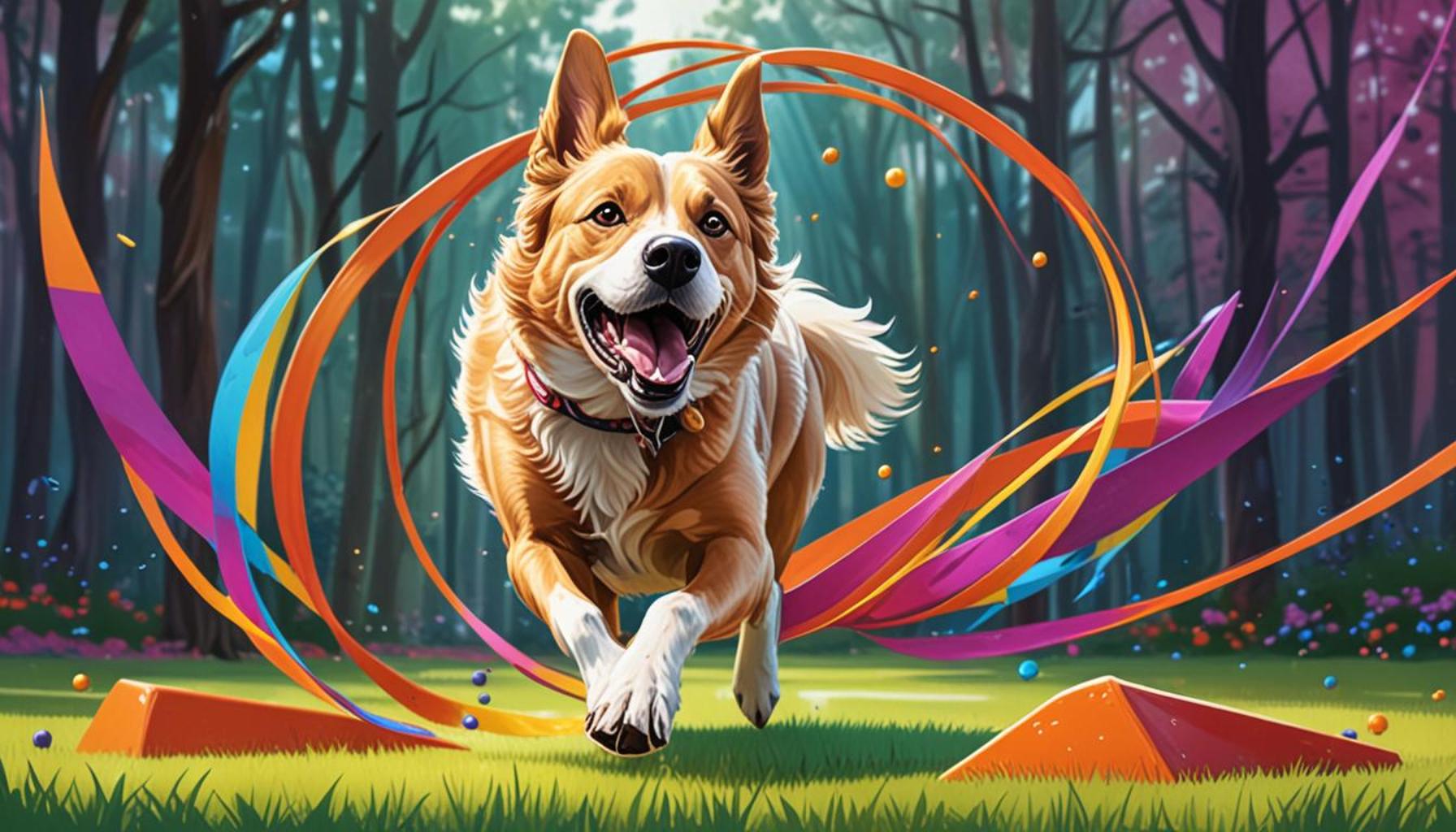
Agility training is an excellent way to foster a dog’s growth both mentally and physically. As dogs navigate through various obstacle courses—such as jumps, tunnels, and weave poles—they learn to respond to their handler’s commands with precision and speed. This training method offers a multitude of benefits that greatly enhance a dog’s overall demeanor and attention span. Here are some key advantages:
- Improved Focus: Dogs must remain attentive to their handlers while maneuvering through an agility course, which sharpens their concentration and hones their ability to listen.
- Increased Confidence: Successfully completing each obstacle provides dogs with a sense of accomplishment. For example, a shy dog who unexpectedly conquers a challenging jump may display newfound self-assurance both on and off the course.
- Enhanced Bonding: Agility training encourages teamwork, as handlers and dogs work together to navigate the course. This collaboration builds trust and strengthens their relationship through shared achievements.
- Physical Activity: Regularly participating in agility exercises promotes good health, helping to keep dogs fit and active. This physical stimulation also reduces the likelihood of problem behaviors that often arise from excess energy, such as destructive chewing or excessive barking.
The combination of fun and discipline inherent in agility training allows it to effectively address common behavioral issues. For instance, dogs exhibiting hyperactivity can channel their energy towards completing courses, resulting in a calmer and more well-mannered pet. Likewise, during agility training, dogs learn to ignore distractions, which is vital for those who may struggle with outdoor stimuli.
As we delve deeper into the potential of agility training, readers will uncover insights, techniques, and tips that can enhance their dog’s focus and reshape behavioral patterns. From understanding the nuances of command training to planning a safe and enriching agility course, the journey towards a more attuned canine companion is filled with discovery and enjoyment. Agility training not only transforms a dog’s behavior; it fosters a deeper connection between humans and their furry friends, creating lasting memories along the way.
LEARN MORE: Click here for essential tips
Techniques for Effective Agility Training
To harness the benefits of agility training in dogs, it’s essential to understand the techniques that can lead to both effective learning and meaningful behavioral changes. Incorporating these methods into regular routines not only enhances focus but also ensures a well-rounded approach to training. Here are several techniques that dog owners can employ to foster a productive agility training experience:
- Positive Reinforcement: Utilizing treats, praise, or toys as rewards for completing obstacles can significantly boost a dog’s motivation. Dogs that receive consistent positive reinforcement are more likely to demonstrate improved focus and eagerness to participate.
- Consistency in Commands: Clear and consistent verbal commands, along with hand signals, play a crucial role in training. Ensuring that commands remain uniform across different training sessions allows dogs to develop better associations with each cue, enhancing their ability to follow instructions.
- Gradual Progression: Starting with simpler obstacles and gradually increasing difficulty can help maintain a dog’s engagement. This method allows dogs to build confidence and competencies over time, minimizing frustration and promoting a positive attitude towards challenges.
- Incorporating Games: Agility training does not have to be strictly structured. Incorporating fun games that involve agility techniques can keep the training light-hearted and enjoyable, allowing dogs to experience learning as an exciting adventure rather than a chore.
In addition to these techniques, understanding the inherent traits of your dog can lead to successful integration of agility exercises into everyday life. For example, high-energy breeds such as Border Collies and Belgian Malinois often excel in agility training due to their quick reflexes and eagerness to work. Conversely, breeds that are generally calmer may require additional encouragement to engage enthusiastically in agility sessions.
Another key element to consider is setting realistic goals. Each dog is unique, and acknowledging their individual pace and learning style is vital. By maintaining patience and adapting goals based on progression, dog owners can cultivate an environment that celebrates small wins and keeps motivation levels high. Moreover, tracking progress and celebrating achievements can reinforce desired behaviors, ensuring dogs remember the lessons learned on the agility course.
It’s also important to note that agility training is not just a tool for physical exercise; it’s a fantastic way to challenge a dog’s mind. Cognitive engagement plays a significant role in a dog’s ability to focus, and the complexity of various agility exercises stimulates problem-solving skills as they learn to navigate courses. As dogs become adept at understanding tasks and responding to cues, the result is often a noticeable improvement in focus and behavior, both in training sessions and daily life.
In exploring these techniques, dog owners will discover that integrating agility training into their routine doesn’t just serve as a solution to problematic behavior but transforms the overall bond between them and their canine companions. By investing time and energy into agility training, owners are likely to witness not just a change in behavior, but a newfound joy and vitality in their dogs, contributing to a more enriching and connected life together.
| Advantage | Description |
|---|---|
| Physical Stimulation | Agility training provides comprehensive physical activity that enhances a dog’s overall fitness, combating obesity and promoting better health. |
| Mental Engagement | This training method engages dogs mentally, as they need to think and solve problems during courses, thus improving focus and cognitive function. |
| Enhanced Bonding | Participating in agility training fosters a stronger bond between the dog and handler, improving communication and trust. |
| Behavior Improvement | Agility training can significantly reduce undesirable behaviors by channeling energy into positive activities and improving attention spans. |
With these advantages, agility training not only focuses on performance and competition but essentially transforms the relationship between a handler and their dog. It’s a multifaceted approach that can lead to enhanced social interactions and greater adaptability in various environments. Emphasizing this particular training method may create pathways for further research and personal experiences, showcasing its extensive benefits in daily life and canine development.
DISCOVER MORE: Click here to learn about the importance of dog socialization
Creating an Optimal Training Environment
Effective agility training extends beyond techniques; the environment in which training occurs can significantly influence a dog’s performance and behavior. An optimal training space should be safe, engaging, and conducive to learning. Here are some considerations for dog owners looking to create the best setting for agility training:
- Safe and Secure Area: Ensuring the training space is free from distractions and hazards is crucial. Avoiding busy areas or environments with loud noises helps dogs concentrate better. A fenced yard or a designated training facility can provide a safe sanctuary where your dog can focus solely on agility tasks.
- Variety of Equipment: Incorporating a range of agility obstacles, such as jumps, tunnels, and weave poles, not only challenges dogs physically but also mentally engages them. Rotating equipment and introducing new obstacles can prevent training from becoming monotonous and keeps the experience fresh and exciting.
- Weather Considerations: Since outdoor agility training can be heavily impacted by weather conditions, it’s essential to be mindful of temperature and humidity levels. Choosing to train during cooler parts of the day in warm climates, or utilizing indoor facilities during inclement weather, supports better performance and concentration.
- Distraction Training: Once basic skills are established, gradually introducing distractions during training sessions can enhance a dog’s ability to stay focused on commands despite diversions. This method prepares dogs for real-life scenarios where distractions are inevitable, further improving their behavior.
Another important factor in creating an effective training environment involves the involvement of the handler. The energy and consistency exhibited by the owner can greatly influence a dog’s enthusiasm and focus. Owners should embody excitement and confidence, as dogs are highly perceptive to human emotions. A handler’s positive demeanor can transfer to the dog, encouraging a heightened level of engagement.
The Role of Socialization in Agility Training
Incorporating socialization into agility training is also paramount. Dogs that are socialized well tend to be more relaxed, focused, and better behaved in training environments. Group classes or training sessions with other dogs can provide valuable experience for enhancing social skills while conditioning your dog to follow commands amidst other distractions. This phenomenon is especially significant for breeds prone to anxiety or behavioral issues, as positive interactions can mitigate these tendencies.
Moreover, agility training can serve as a unique opportunity for dogs to build confidence. As dogs successfully navigate courses, they develop a sense of accomplishment, which boosts self-esteem. This confidence transfer can be observed in other areas of their lives, translating into better behavior at home or in public settings.
The Importance of Regular Assessment
Another crucial aspect of integrating agility training is the need for regular assessment of progress and strategies. Keeping track of a dog’s performances, behaviors, and learning speed can help owners determine what works best and what adjustments might be necessary. This allows for personalized training plans that cater specifically to the dog’s evolving abilities and needs.
Using agility training as a baseline for improvement, many owners have found that consistent evaluations lead to enhanced focus and conduct. Engaging in periodic competitions or events provides an excellent platform for testing skills in a real-world context. Observing how their dogs respond in competitive scenarios can provide invaluable insights about training effectiveness and behavior, allowing for ongoing refinement and adaptation.
Integrating agility training into a dog’s routine not only improves focus and behavior but fosters an enriching partnership between dogs and their owners. These diverse methods and considerations create a dynamic atmosphere for growth that goes beyond mere physical exercises, ultimately enhancing the dog’s quality of life.
DISCOVER MORE: Click here to learn about balanced nutrition
Conclusion: Transforming Canines through Agility
In conclusion, integrating agility training into your dog’s routine offers more than just physical enhancement; it serves as a transformative journey that enriches both focus and behavior. The structured environment of agility courses facilitates essential skills such as discipline, responsiveness, and socialization, all of which are crucial for a well-rounded canine companion. By creating an optimal training space, introducing a range of engaging obstacles, and employing techniques that incorporate distractions, owners can effectively manage their dog’s learning process while ensuring ample engagement.
The supportive role of the handler cannot be overstated; your emotional energy and commitment significantly impact your dog’s training experience. As dogs thrive in positive, confident atmospheres, your enthusiasm resonates, instilling confidence and encouraging greater focus. Moreover, the opportunity for socialization in group settings allows dogs to navigate real-world distractions, enhancing their behavioral responses.
Regular assessment of progress is vital. Tracking performance not only illustrates growth but also informs necessary adjustments to tailor training approaches to individual needs. This thoughtful progression lays the foundation for a confident canine that excels in various environments, from competitive settings to everyday activities.
As you embark on or continue this journey, remember that the benefits of agility training reach far beyond the agility ring. Those who embrace this enriching experience will discover a profound partnership with their dogs, fostering an environment where improved focus and behavior can thrive. By prioritizing agility training, you ultimately enhance your dog’s quality of life, creating a bond that is both rewarding and enduring.