The Importance of Animal Adoption: How Adoption Services Transform Lives
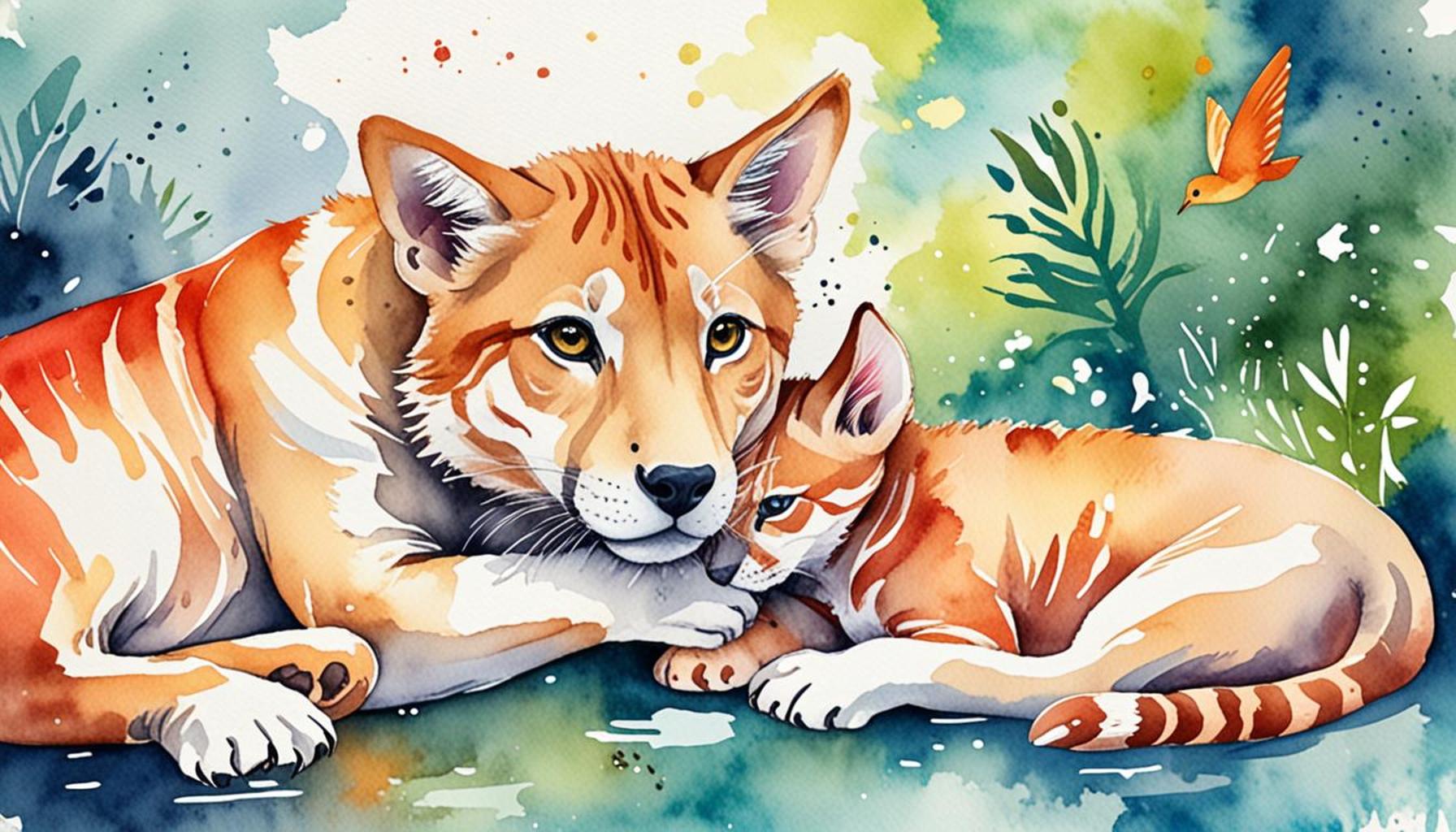
The Importance of Animal Adoption
Every year, millions of animals enter shelters across the United States, hoping for a second chance. Animal adoption not only saves lives but also enriches the lives of countless families. Understanding how adoption services operate can illuminate the transformative power of welcoming a rescued animal into your home. When individuals choose to adopt, they are selecting to be part of a larger movement aimed at addressing the staggering number of homeless pets.
Benefits of Animal Adoption
Adopting a pet brings numerous advantages, including:
- Saving Lives: Each adoption helps reduce the number of animals in overcrowded shelters. For instance, many shelters are often at capacity, and without adoptions, the unfortunate result can be euthanasia for otherwise healthy animals. By adopting, you offer these animals the chance to live their lives in loving homes.
- Cost-Effectiveness: Adoption fees typically include essential services such as vaccinations, spaying/neutering, and microchipping, which, when done separately at a vet, can accumulate to significant costs. For example, the average cost of spaying can range from $50 to $300, depending on the region and type of animal, making adoption a financially wise choice.
- Companionship: Animals provide unconditional love, reducing stress and loneliness for their owners. Studies have shown that pet ownership can lead to decreased levels of anxiety and depression, particularly in individuals who live alone. Furthermore, pets have been documented to encourage regular physical activity through walks and playtime, contributing to owners’ overall well-being.
Moreover, adoption services often provide support and resources that can help new pet owners adjust to their new responsibilities. From training programs to community events, these initiatives foster a nurturing environment for both pets and their adoptive families. Many shelters host workshops and seminars on pet care, giving families the tools to succeed in their new roles.
Impact on Communities
Animal adoption initiatives also contribute positively to the community, leading to:
- Lower Animal Euthanasia Rates: Increasing adoption rates lead to fewer unnecessary deaths in shelters. For example, organizations such as the ASPCA work tirelessly to raise awareness and promote animal welfare, having helped to significantly decrease the euthanasia rate nationwide from 5 million to approximately 1.5 million over the past few years.
- Public Awareness: Educational programs highlight the importance of responsible pet ownership. These programs often cover vital topics such as the significance of spaying/neutering, the benefits of adopting over purchasing from breeders, and how to identify signs of a healthy pet, empowering potential pet owners.
- Volunteering Opportunities: Many shelters rely on community support to provide care and outreach. Volunteering at an animal shelter can be both fulfilling and impactful, allowing individuals to make personal connections with animals in need while gaining valuable hands-on experience in animal care.
As we delve deeper into the world of animal adoption, the stories of transformation and joy will reveal just how significant this act of kindness can be. From the playful puppy who brings laughter into a home to the wise old cat who offers companionship, the journey of adopting an animal integrates not just a new pet, but a new way of life for many. Through adoption, you not only change the life of a deserving animal but also enrich your own life, forging a bond that can last a lifetime.
DIVE DEEPER: Click here to discover the benefits
The Transformative Journey of Adoption
Animal adoption is more than simply providing a home for an animal in need; it is a transformative journey that changes lives on both sides of the adoption equation. When individuals step into a shelter, they are often met with an array of furry faces, each carrying a unique story and a longing for companionship. This powerful moment is the beginning of a relationship that can lead to profound emotional outcomes. By embracing animal adoption, families find not only a pet but a loyal friend that fills their lives with joy.
Building Emotional Connections
The bond between humans and their pets is often described as unconditional love, and studies support this notion. Research indicates that pets can significantly improve mental health by alleviating feelings of loneliness and anxiety. For many, the simple act of petting a dog or cat can trigger the release of oxytocin, often referred to as the “love hormone.” This neurochemical boost enhances well-being and creates an emotional connection that can be particularly beneficial for vulnerable populations, such as the elderly or individuals with social anxiety.
Moreover, adopting a pet can instill a sense of purpose. Caring for an animal requires commitment and responsibility, providing individuals and families with a shared goal. Whether it’s the daily walk in the mornings or the bedtime cuddles, these routines create a structure that many people find comforting. The act of nurturing a pet also fosters empathy and compassion in children, teaching them valuable life lessons about caring for others.
Community Engagement Through Adoption
Beyond individual households, the impact of animal adoption radiates throughout communities. When families adopt, they play a pivotal role in addressing the larger issue of pet overpopulation. Local shelters and rescue organizations are heavily reliant on adoption services to alleviate overcrowding. For instance, in various cities across the United States, community-led adoption events have resulted in thousands of animals finding forever homes in just a few hours. These initiatives not only highlight the importance of animal adoption but also strengthen community bonds.
- Creating Community Awareness: Many shelters host public outreach campaigns to educate residents about the benefits of adopting pets. By sharing stories of successful adoptions through social media and community events, these organizations help foster a culture of compassion and responsibility.
- Encouraging Lifelong Commitment: Effective adoption services often counsel potential pet owners on what it takes to maintain a lifelong commitment. This education is essential to ensure that adopters understand the responsibilities involved, which can reduce the likelihood of animals being surrendered back to shelters.
- Supporting Local Economies: Adoption services not only help pets but also fuel local economies. By encouraging owners to visit local veterinarians, pet supply stores, and even training facilities, these services help circulate funds within the community.
As more people embrace the transformative journey of adopting animals, the societal shift toward animal welfare becomes increasingly evident. With each adoption, a new chapter unfolds—not just in the life of a pet, but for the adopting family as well. In the coming sections, we will explore the stories of those whose lives have been forever changed by the simple yet profound act of opening their hearts and homes to a pet in need.
| Category | Key Features |
|---|---|
| Life-Saving Impact | Adoption services help reduce the number of animals euthanized each year by finding loving homes. |
| Community Benefits | Fosters a sense of community and responsibility towards animal welfare, encouraging engagement and volunteerism. |
| Emotional Healing | Adopting a pet can provide immeasurable emotional support, improving the mental well-being of individuals and families. |
| Economic Benefits | Adoption is often less expensive than buying a pet, and it includes initial health services, vaccinations, and spaying/neutering. |
The process of animal adoption is not just about finding a new home for pets; it also reflects a transformative journey for both the animal and the adopter. The emotional healing that comes from bonding with a rescued animal can lead to significant mental health improvements for individuals. Furthermore, community engagement through adoption drives fosters a collective spirit of compassion, prompting many to partake in volunteer opportunities and spread awareness about the plight of stray or abandoned animals. Moreover, adopting pets from shelters can demonstrate economic efficiency, as it generally involves lower upfront costs compared to purchasing pets. Many shelters include vital veterinary services in their adoption fees, ensuring that each animal is ready for a new life with its owner. Each adoption serves as a testament to how small actions can result in what can be described as life-saving actions. Through various programs and statewide initiatives, the push for animal adoption helps decrease pet overpopulation and fosters a culture where every animal deserves a loving home. Both the broader community and individuals can benefit immensely from understanding the significance of animal adoption and advocating for change in their local shelters.
DON’T MISS OUT: Click here to learn how to prepare your home for a new pet
The Ripple Effect of Adoption Services
While the benefits of animal adoption profoundly impact the individual lives of pet owners and the animals themselves, the ripple effects extend even further into society. Animal adoption services serve as a crucial bridge connecting various community elements, promoting public health, and even impacting local law enforcement.
Enhancing Public Health and Safety
Studies have shown that pet ownership can correlate with better public health metrics. For instance, having a dog encourages owners to engage in physical activity, reducing obesity rates and promoting cardiovascular health. The American Heart Association highlights that pet owners often experience lower blood pressure, lower cholesterol levels, and reduced stress—all contributions to overall public health. By increasing the number of adopted pets in neighborhoods, adoption services are indirectly combating healthcare issues through improved health habits.
Furthermore, properly managed animal rescues can play a pivotal role in addressing stray animal populations, which can contribute to public safety challenges. As communities grapple with feral animal issues, proactive adoption and spay/neuter programs can sharply reduce these populations, thus leading to fewer encounters between aggressive strays and residents.
Educating Future Generations
One of the unique facets of animal adoption services is the emphasis on education for families and communities. Many shelters and rescue organizations host workshops and community events that not only highlight the value of adoption but also the responsibilities that come with being a pet owner. This educational outreach extends to schools, where interactive programs teach children the significance of compassion and kindness towards animals.
- Awareness Campaigns: Local shelters often launch campaigns to raise awareness about the impact of neglect and abandonment. By engaging young minds, these programs instill a sense of responsibility from an early age.
- Volunteering Opportunities: Providing students and young adults with opportunities to volunteer at shelters not only fosters a strong bond with animals but also cultivates a spirit of community service and teamwork.
- Fostering Lifelong Bonds: The act of caring for an animal, even temporarily, teaches children vital lessons about empathy, patience, and accountability—traits that are essential for their overall development.
The Role of Technology in Adoption
In today’s digital age, technology significantly enhances the adoption process. Numerous platforms and apps have emerged to streamline the process, allowing potential adopters to browse profiles of adoptable animals from the comfort of their homes. Sites like Petfinder and Adopt-a-Pet enable individuals to filter searches based on criteria such as breed, age, and location, reaching wider audiences and increasing adoption rates.
Moreover, social media plays a crucial role in promoting adoption services. Viral campaigns featuring compelling stories and images of animals in need have successfully mobilized communities to adopt rather than shop, leading to a transformative shift in societal attitudes towards animal adoption. Using hashtags like #AdoptDontShop, advocates can rally support and encourage community members to become adopters.
As technology continues to evolve, so too will the methods through which adoption services connect lovable pets with their forever homes, further highlighting the importance of animal adoption in today’s society.
LEARN MORE: Click here to understand the adoption journey
Conclusion
As we reflect on the importance of animal adoption, it becomes clear that the transformation extends beyond the simple act of providing a home. Adoption services are pivotal in reshaping not only the lives of countless animals but also in enhancing human health, safety, and community spirit. By breaking down barriers and fostering connections, these organizations nurture a culture of compassion that reverberates throughout our neighborhoods.
The profound health benefits linked to pet ownership serve as a reminder of how animal companions can improve our quality of life. From promoting physical activity to reducing stress, the role of pets in public health cannot be overstated. Additionally, addressing stray populations while educating younger generations about responsible pet ownership cultivates a more informed society that values empathy and responsibility.
Moreover, the integration of technology has revolutionized the adoption process, making it easier than ever for potential adopters to find their perfect match amidst an array of deserving animals. The surge in awareness campaigns powered by social media continues to reshape public perceptions of adoption, emphasizing the idea that adopting a pet is not just a kind gesture but an enriching experience with countless benefits.
Ultimately, animal adoption is a community effort that transforms lives by bridging the gap between humans and animals. As we move forward, each adoption story represents a glimmer of hope, inspiring others to consider making a difference. Whether you are contemplating adoption or simply supporting local shelters, the collective impact of these choices has the potential to shape a brighter future for both animals and communities alike. Together, we can create a world where every animal finds a loving home, illustrating that the ripple effects of adoption are indeed profound and far-reaching.