Positive Reinforcement Techniques to Correct Bad Cat Behaviors
Understanding Cat Behavior through Positive Reinforcement
Have you ever wondered why your beloved feline friend engages in behaviors that challenge your patience? From scratching furniture to ignoring the litter box, unwanted behaviors in cats can be a source of frustration for pet owners. Fortunately, positive reinforcement techniques offer effective strategies to redirect these actions while fostering a loving and trusting relationship.
Engaging with your cat using these methods not only improves their behavior but also enriches their daily life. By utilizing rewards such as treats, praise, or playtime, you encourage desirable actions and reinforce the bond between you and your pet. In this article, we’ll explore the top 5 techniques for employing positive reinforcement, providing you with practical tools to transform those pesky habits into cherished traits.
- Understanding the principles of positive reinforcement
- Identifying common undesired behaviors
- Effective reward systems that work
- Creating a structured environment for success
- Maintaining consistency and patience in training
Prepare to delve into an enlightening journey that promises to enhance your understanding of feline behavior and ultimately improve your home life with your furry companion.
Top 5 Positive Reinforcement Techniques to Correct Undesired Behaviors in Cats
Cats are often seen as mysterious and independent creatures, known for their playful quirks and sometimes mischievous antics. While these traits can endear them to their owners, they can also lead to undesired behaviors such as scratching furniture, refusing to use the litter box, or even biting. When faced with these issues, it’s tempting to resort to punitive measures. However, research shows that positive reinforcement techniques are far more effective and can greatly enhance the bond between you and your feline friend. In this article, we delve into the top five methods to correct undesirable behaviors in cats and explore the benefits each technique offers.
5. Clicker Training
Clicker training stands out as a highly effective method to communicate with your cat precisely and positively. The principle is straightforward: the moment your cat performs a desired behavior, you “mark” it with a click from a small, handheld device, followed by a reward.
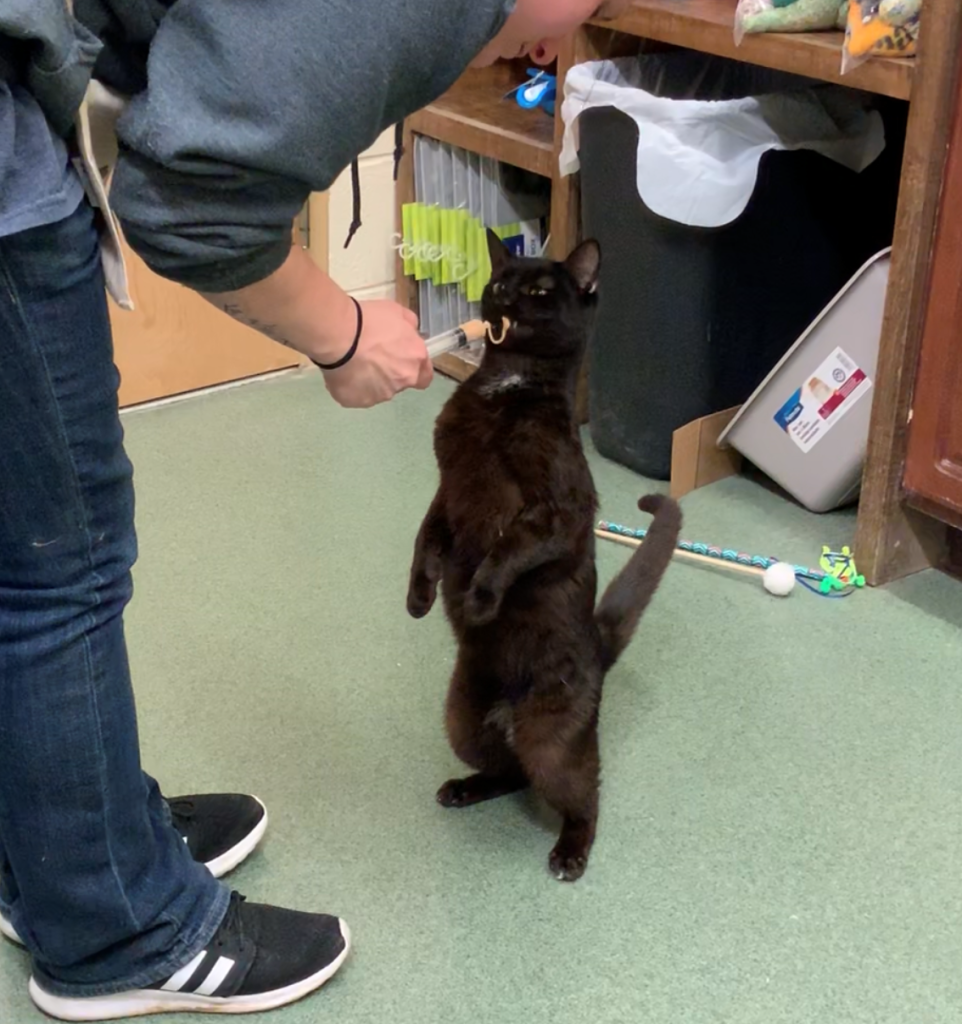
Clicker training works on the basis of operant conditioning, where the clear, consistent click sound bridges the gap between the desired behavior and the reward. This clarity is especially beneficial for cats, who might not respond well to traditional verbal commands.
Here’s a step-by-step guide to implementing clicker training:
- Begin by associating the click with a treat: click once and immediately offer a treat to your cat. Repeat this several times in a few short sessions.
- Once your cat has made the connection between the click and the treat, start clicking when your cat exhibits the behavior you wish to encourage, followed by the treat.
- Consistency is key. Ensure you are clicking immediately after the behavior to avoid confusion. With practice, your cat will start to understand which behaviors earn clicks and rewards.
If implemented correctly, clicker training can transform your cat’s behavior while also providing mental stimulation. Keep in mind that consistency and clarity are essential elements of this method’s success.
4. Treat-Reward System
The treat-reward system leverages the fact that most cats are highly food motivated. By using treats as a reward, you can strongly encourage your cat to repeat desired behaviors. The crucial aspect here is timing and selection of the right treat.
To execute an effective treat-reward system, consider the following:
- Identify what treats your cat finds irresistible. This might require some experimentation, as preferences can vary widely among cats.
- Use treats sparingly to avoid overfeeding. Small, bite-sized portions are ideal.
- Consistency is crucial—ensure that you give the treat immediately after the desired behavior. For example, if your cat successfully uses its litter box or refrains from clawing the furniture, reward them promptly.
The treat-reward system is not only straightforward but also fosters a positive learning environment. Over time, your cat will naturally gravitate towards actions that are associated with edible rewards, helping to establish those behaviors as habits.
3. Verbal Praise and Affection
Verbal praise and affection are powerful tools, tapping into the social and emotional bond between humans and cats. These forms of rewards leverage your cat’s natural desire for attention and affection, encouraging them to repeat behaviors that elicit a positive response from you.
Implement this technique effectively by following these steps:
- Use a warm, inviting tone when praising your cat. Cats are sensitive to the tone of voice, and a soothing tone can convey approval.
- Pair verbal praise with physical affection, such as petting or a gentle rub, to reinforce the positive experience.
- Be mindful of your cat’s comfort zone—some cats prefer verbal praise alone, while others might relish a cuddle.
Unlike treats, which might need to be limited, verbal praise and affection can be administered liberally. This makes them an excellent ongoing tool to promote good behavior and foster a harmonious relationship with your pet.
2. Environmental Modifications
Recognizing and adapting your cat’s environment can often preemptively solve behavioral problems. Many unwanted behaviors stem from natural instincts or environmental stressors that can be mitigated or redirected.
Consider these strategies for effective environmental modification:
- If your cat frequently scratches furniture, introduce multiple scratching posts positioned in favored scratching spots.
- Provide your cat with a variety of toys that challenge their hunting instincts and alleviate boredom.
- Rearrange or block access to areas where your cat tends to exhibit unwanted behaviors, turning potential problem areas into safe, enjoyable zones.
This proactive approach not only addresses the root cause of undesirable actions but also gives your cat positive outlets for their energy and instincts, leading to healthier and happier behavior.
1. Consistent Routine
At the top of our list is establishing a consistent routine, which will provide your cat with the stability and predictability they crave. Cats, like many animals, are creatures of habit, and a regular schedule can dramatically improve their behavior and reduce stress.
Here are some tips for creating a consistent routine:
- Feed your cat at the same times each day to create meal-time predictability and reinforce good eating habits.
- Designate specific times for interactive play sessions, which serve not only as exercise but also as crucial bonding moments.
- Maintain a regular grooming routine, which not only helps with cat care but also offers additional opportunities for connection.
A consistent schedule offers your cat a sense of security, reducing anxiety and the likelihood of problematic behaviors. Predictability helps your cat understand expectations, leading to a more harmonious household dynamic.
Incorporating these positive reinforcement techniques into your interactions with your cat can lead to meaningful improvements in their behavior. Not only do these methods encourage desired actions, but they also foster a deeper bond between you and your feline companion, creating a loving and stress-free environment for both. Whether through clicks, treats, or simply a warm embrace, the path to better behavior is paved with understanding, patience, and positive reinforcement.
| Category | Details |
|---|---|
| Behavior Modification | Utilizing positive reinforcement helps in altering a cat’s unwanted behaviors such as scratching furniture or aggression towards other pets. |
| Enhanced Bonding | Employing positive techniques builds trust and a stronger relationship between the cat and owner, leading to a harmonious living environment. |
| Long-term Effectiveness | Unlike punitive methods, positive reinforcement promotes lasting behavioral changes, ensuring that desirable behaviors are consistently met with rewards. |
| Stress Reduction | By employing techniques focused on positive reinforcement, stress levels in both cats and owners can be significantly decreased, fostering a calming atmosphere. |
Positive reinforcement techniques can involve rewarding your cat with treats or affection when it displays desired behaviors. For instance, if a cat uses a scratching post instead of furniture, offering a small treat when it does so reinforces that action. This approach leads to more effective behavior correction, as it motivates the cat to repeat the actions that earn them rewards.Moreover, certain behavioral experts highlight the importance of observing feline body language and reactions while rewarding. It allows owners to recognize which rewards their pets respond best to, thereby fine-tuning techniques and further enhancing compliance.Additionally, incorporating playtime as a reward can be particularly beneficial for energetic cats. Engaging them in their favorite activities not only strengthens the bond between pet and owner but also redirects their energy towards positive outlets, replacing unwanted behaviors with fun playtime that fosters companionship and satisfaction.In conclusion, positive reinforcement techniques for correcting unwanted behaviors in cats are not only effective but also promote a balanced relationship between the cat and its owner, ensuring a peaceful coexistence.
FAQs on Positive Reinforcement Techniques for Correcting Unwanted Behaviors in Cats
What are positive reinforcement techniques, and how can they help in managing cat behavior?
Positive reinforcement involves rewarding a cat for displaying desirable behavior, thereby encouraging its recurrence. By offering treats, affection, or playtime when a cat behaves appropriately, owners can redirect unwanted behaviors and nurture a harmonious living environment. This method not only improves the cat’s behavior but also strengthens the bond between pet and owner.
Which behaviors in cats can be modified using positive reinforcement?
Cats often exhibit behaviors such as scratching furniture, biting, or inappropriate litter use, which can be addressed through positive reinforcement techniques. By consistently rewarding a cat when it uses a scratching post or successfully uses its litter box, for example, owners can gradually reshape the cat’s habits. It’s crucial to be consistent and patient, as behavior change takes time and varies from cat to cat.
How does positive reinforcement differ from other behavior correction methods?
Unlike negative reinforcement, which involves imposing penalties for undesired behavior, positive reinforcement focuses solely on rewarding good behaviors. This approach is generally more successful because it avoids the stress and anxiety that punishment can cause. Studies have shown that positive reinforcement can lead to sustainable behavior change, as it encourages the cat to associate good behavior with positive outcomes.
Is timing important when using positive reinforcement with cats?
Yes, timing is critical when applying positive reinforcement strategies. The reward must be given immediately after the desired behavior occurs to ensure the cat makes a connection between its actions and the reward. Delayed reinforcement can confuse the cat and reduce the effectiveness of the technique.
Can positive reinforcement be used on all cats, including older ones?
Absolutely, positive reinforcement is effective for cats of all ages. While younger cats might adapt more quickly, older cats are equally capable of learning new behaviors through consistent and patient training. It’s essential to tailor the reinforcement strategies to accommodate a cat’s individual characteristics and preferences, maximizing the likelihood of success.
Conclusion
In exploring the realm of positive reinforcement techniques for correcting undesirable behaviors in cats, we’ve delved into a variety of methods that not only promote harmonious relationships between pets and their owners but also enhance the well-being of these beloved animals. Understanding the nuances of feline behavior is crucial in crafting effective strategies, and positive reinforcement stands out as a transformative approach.
Throughout this article, we’ve highlighted the top five techniques that can lead to lasting behavioral changes in cats. By focusing on the core principles of positive reinforcement, such as providing consistent rewards, using clicker training, and ensuring an environment that encourages good behavior, cat owners can effectively redirect negative behavior patterns. These techniques do not simply suppress unwanted behaviors; rather, they encourage cats to participate in more desirable actions, nurturing a cooperative and peaceful coexistence.
It’s essential to emphasize that while these techniques require patience and consistency, their impact is profound. They not only foster a deeper bond between cat and owner but also contribute significantly to the cat’s mental and emotional health. Engaging in this way allows for an enriched environment where learning becomes a fulfilling experience for both parties.
Understanding and implementing positive reinforcement techniques is more than a methodology; it is a commitment to seeing our feline companions as intelligent beings capable of complex behavior and emotions. As we embrace these strategies, we invite further investigation and refinement of methods that prioritize the welfare and happiness of our feline friends.
Ultimately, this article has aimed to shed light on the power of positive reinforcement, urging pet owners to adopt these humane strategies to cultivate a harmonious household. As the field of animal behavior continues to evolve, so too will our understanding and ability to enhance the lives of our pets through thoughtful, positive interventions.