
Essential Vaccines and Checkups Preventive Cat Care Guide
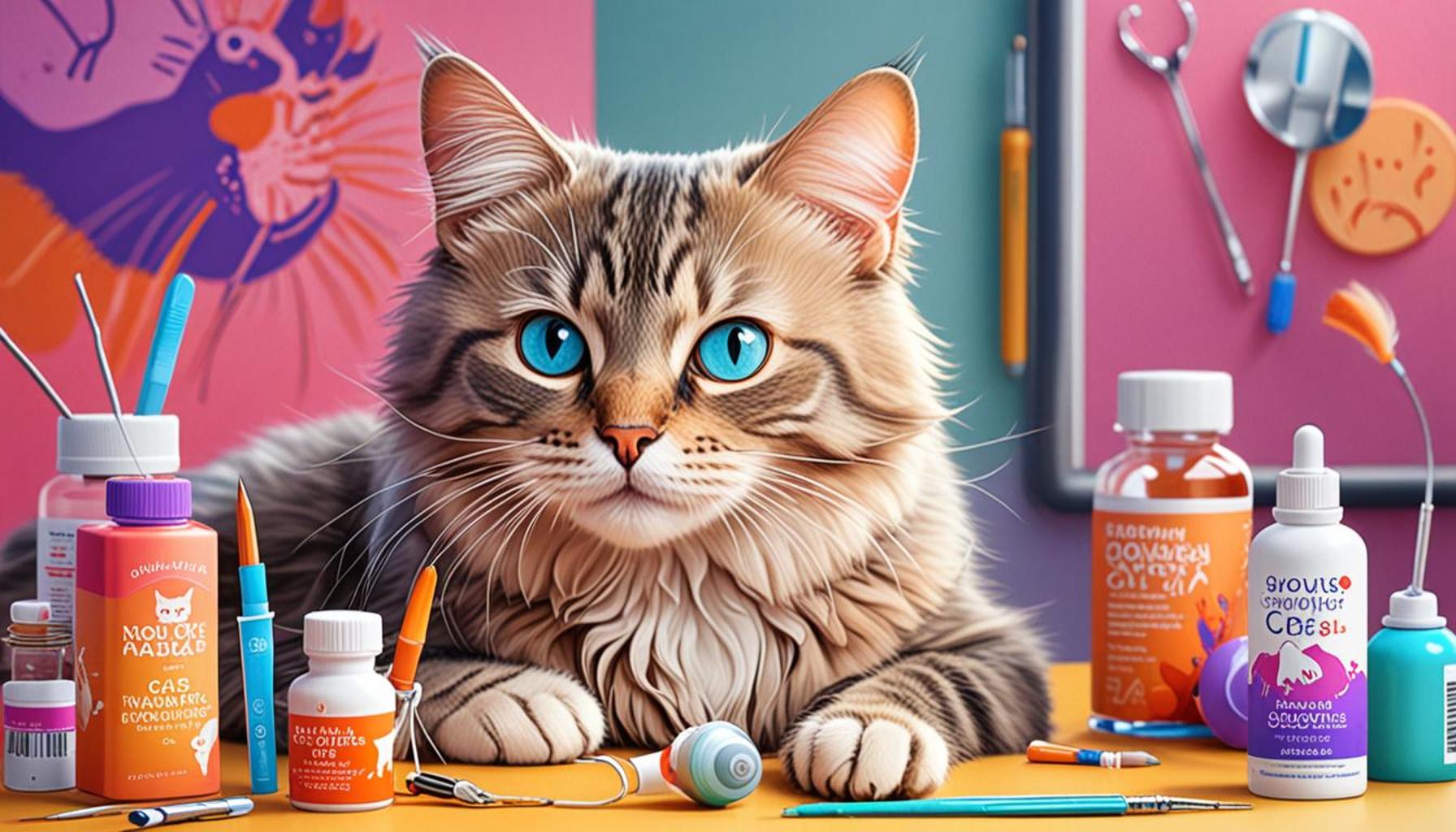
Preventive care is the cornerstone of a healthy and happy life for your feline friend. Just like humans, cats require specific vaccines and check-ups to protect them from harmful diseases and ensure their overall well-being. Understanding the essential elements of preventive care can significantly enhance your cat’s quality of life and longevity.
By prioritizing these measures, you’re not only safeguarding their health but also promoting responsible pet ownership. Here are some critical points to consider:
- Importance of Vaccination: Protects against serious diseases.
- Regular Check-Ups: Helps in early detection of potential health problems.
- Customized Care Plans: Tailored to meet age and lifestyle needs.
- Reducing Risks: Minimizes the likelihood of costly treatments later.
- Peace of Mind: Ensures your pet is living their best life.
In this article, we will explore the Top 5 essential vaccines and check-ups that every cat owner should consider. This knowledge will empower you to make informed decisions for the health and happiness of your cherished companion.
Top 5 Preventive Care for Cats: Essential Vaccines and Exams
Our feline companions, cherished for their independence and enigmatic charm, are masters at concealing discomfort. This feline tendency can often mask underlying health issues until they become significant problems. Therefore, investing in preventive care is not just wise but necessary to ensure your cat leads a healthy and fulfilled life. This article unpacks the top five preventive strategies every cat owner should embrace, promoting longevity and vitality in your beloved pet.
5. Annual Wellness Exams
The annual wellness exam is a cornerstone of your cat’s healthcare, yet its importance is frequently underestimated. These visits to the veterinarian provide a thorough overview of your cat’s health status and help identify nominal changes that might suggest future medical concerns.
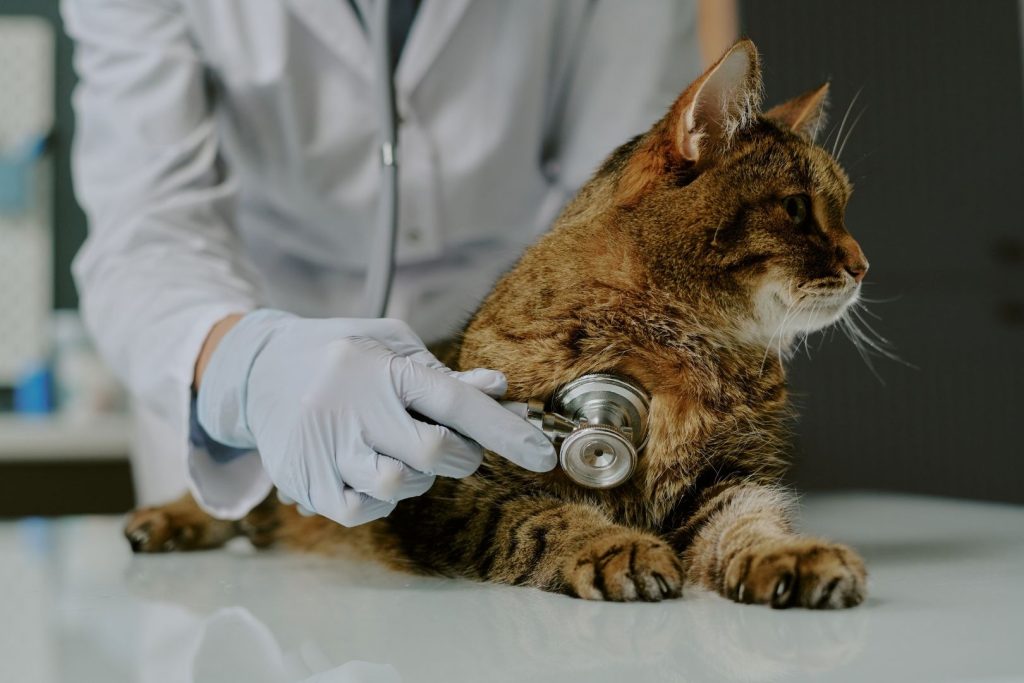
During an annual examination, your veterinarian will conduct a comprehensive physical examination. This includes assessing your cat’s fur and skin condition, palpating the abdomen to detect abnormalities, and checking for external signs of illness. Weight assessment is crucial, as sudden gains or losses can be warning signs of endocrine disorders or other health issues.
One cannot understate the importance of dental check-ups. Dental disease is prevalent in cats, with studies indicating that up to 70% of cats show signs of oral disease by age three. Routine examinations can spot early signs of gingivitis or tooth resorption, helping avoid painful conditions and improving overall health.
The consultation usually ends with a discussion about your cat’s diet, exercise, and any behavioral changes you might have observed, providing a holistic approach to your cat’s well-being.
4. Core Vaccinations
Vaccinations are critical in safeguarding your cat against infectious diseases, many of which are highly infectious or can be fatal. The core vaccines, essential for all cats, include Feline Viral Rhinotracheitis, Calicivirus, Panleukopenia (commonly grouped as the FVRCP vaccine), and Rabies.
Rhinotracheitis and Calicivirus are part of the ‘cat flu’ complex, which can cause debilitating respiratory infections. Panleukopenia, also known as feline distemper, causes severe gastrointestinal symptoms and often proves fatal, particularly in kittens. Rabies, a threat to both cats and humans, underscores the importance of vaccination due to its zoonotic nature—meaning it can be transferred between species.
Administering these vaccines not only protects individual cats but also aids in controlling outbreaks within the feline population, especially important for animal shelters and communities with stray cat populations.
3. Parasite Prevention
Parasites represent a hidden menace in the lives of cats, capable of causing a myriad of health complications. A steadfast parasite prevention plan not only protects your pet but also ensures the safety of your home environment.
Fleas and ticks are more than just a nuisance; they can transmit diseases like Bartonella (cat scratch fever), tapeworms, and Lyme disease. Monthly topical or oral medications effectively prevent infestations, making them a critical component of your cat care routine.
Regular deworming is another essential that protects against internal parasites such as roundworms and hookworms, both of which can severely affect a cat’s nutritional status and may even pose risks to humans, particularly young children.
Maintaining a clean living space by regularly washing bedding and vacuuming carpets can further reduce the chances of an infestation, emphasizing that prevention is always better than cure.
2. Feline Leukemia and FIV Testing
Regular screenings for Feline Leukemia Virus (FeLV) and Feline Immunodeficiency Virus (FIV) are essential, especially if your cat has exposure to the outdoors or interacts with other cats. Both of these viruses compromise a cat’s immune system, leading to increased susceptibility to infections and other health issues.
FeLV is among the leading causes of cat fatalities, often transmitted through prolonged social contact like grooming or sharing of food bowls. FIV, on the other hand, is typically spread through bites and can remain dormant before symptoms emerge. Testing is crucial in early detection and management.
The test is straightforward, usually requiring a simple blood sample with results often available within a day. A positive result may alter how your cat is managed, emphasizing indoor living and reducing exposure to stress and infections, thereby extending their life span and maintaining a quality life.
1. Dental Health Care
The importance of maintaining good oral hygiene in cats is grossly neglected but essential for their overall well-being. Dental disease doesn’t just result in bad breath; it can lead to severe pain, difficulties in eating, and can even cause infections that affect vital organs like the heart and kidneys.
Professional cleanings are recommended at intervals suggested by your veterinarian, which might involve anesthesia but is highly effective in cleaning below the gum line where the majority of harmful bacteria reside. Good oral care also includes regular check-ups during annual exams and using brushing techniques or dental treats/toys to reduce tartar build-up.
Innovations in care now include water additives and specialized diets that can aid in reducing dental disease, providing multiple strategies to keep those pearly whites gleaming. Keeping your cat’s mouth healthy significantly contributes to their overall happiness and longevity.
In conclusion, by turning attention toward preventive measures like vaccinations, routine check-ups, parasite prevention, virus testing, and diligent dental care, cat owners can significantly alter the course of their pet’s health. This proactive approach not only enriches your cat’s life but fortifies your relationship, proving that an ounce of prevention truly is worth a pound of cure. So, schedule that vet appointment today; your cat will surely reward you with many more years of companionship.
| Preventive Care Aspects | Importance |
|---|---|
| Regular Vaccinations | Protects against serious diseases such as feline leukemia and rabies, reducing the risk of outbreaks. |
| Routine Veterinary Check-ups | Detects health issues early, facilitating timely interventions and treatments. |
| Parasite Control | Prevents fleas, ticks, and worms that can harm your cat’s health and comfort. |
| Dental Care | Maintains oral health, preventing disease and promoting overall wellness. |
The importance of preventive care for cats cannot be overstated. It is crucial for maintaining the health and longevity of your feline companion. Regular vaccinations not only shield your cat from infectious diseases but also contribute to community health by preventing potential outbreaks. By vaccinating, pet owners play a vital role in ensuring a safer environment for all cats.Equally important are routine veterinary check-ups. These appointments allow veterinarians to conduct comprehensive examinations that can catch health concerns that are not immediately visible to owners. From assessing weight to monitoring critical health markers, these evaluations can be lifesaving. They ensure that any emerging issues are addressed before they become serious threats.Moreover, parasite control is an essential aspect of preventive care. Fleas and ticks can lead to discomfort and serious health conditions if left unchecked. Regular treatments for parasites can significantly enhance a cat’s quality of life, keeping them happy and active.Lastly, dental care is often overlooked but serves as a critical part of a cat’s overall health strategy. Ensuring that your cat’s teeth are healthy through professional cleanings and at-home care can prevent oral disease, which can have broader implications on health, including heart disease and kidney problems.By investing time and resources into these preventive measures, owners not only enhance their cats’ health but also enjoy peace of mind, knowing they are taking significant steps toward ensuring their beloved pets lead healthy lives.
Frequently Asked Questions About Preventive Care for Cats: Essential Vaccines and Examinations
What are the essential vaccines that every cat should receive?
Every cat should receive a core set of vaccines for their wellbeing. These typically include those for feline herpesvirus, calicivirus, and panleukopenia, collectively known as the FVRCP vaccine. Additionally, the rabies vaccine is crucial due to its zoonotic potential. Vaccination schedules may vary based on the cat’s age, health status, and lifestyle; thus, it’s vital to consult with a veterinarian to determine the appropriate regimen for your feline friend.
How often should a cat undergo medical examinations?
Routine veterinary check-ups are indispensable for early disease detection and overall health assessment. Adult cats generally require annual exams, while senior cats, usually over the age of seven, might need to visit the vet biannually. These visits often include dental assessments, weight monitoring, and blood work to catch any potential health issues early on. Awareness and regular check-ups can significantly extend your cat’s quality of life.
Is it necessary to vaccinate indoor cats?
Yes, even indoor cats need vaccinations. While they are less exposed to external threats than outdoor cats, they are still at risk. Pathogens can inadvertently enter the home on your clothes or through a stray moment outside. Therefore, maintaining up-to-date vaccinations protects indoor cats from potential infections that can arise in unexpected ways.
What are the signs that a cat might need an urgent health evaluation?
Cats are adept at hiding their illnesses, making regular observation crucial. Signs such as persistent vomiting, unexplained weight loss, lethargy, or changes in eating habits may indicate the need for a veterinary evaluation. Additionally, changes in litter box habits, such as increased frequency or straining, could suggest an underlying issue. Timely intervention can make a significant difference in treating potential health problems.
Are there additional preventive measures for cat health beyond vaccines and exams?
Beyond vaccines and exams, preventive care involves regular flea and tick control and maintaining a nutritious and balanced diet. Spaying or neutering is also advised to prevent unwanted behaviors and certain health conditions. Engage your cat with stimulating activities to ensure they receive adequate mental and physical exercise. A holistic approach to care greatly enhances your cat’s longevity and happiness.
Conclusion
In conclusion, ensuring our feline friends lead healthy and happy lives hinges on proactive health management through preventive care. The article highlights that vaccinations and regular check-ups are not mere bureaucratic steps; they are essential to safeguarding cats from potential health threats. By adhering to a regular vaccination schedule, cat owners can protect their pets from serious diseases like feline leukemia, rabies, and panleukopenia.
Beyond vaccinations, regular vet visits are a cornerstone of feline preventive care. These sessions allow veterinarians to detect early signs of health issues that may not be apparent to the untrained eye. Dental checks, blood tests, and parasite screenings conduct crucial health assessments, ensuring any anomalies are caught and treated promptly.
The importance of feline preventive care also resonates with the changing dynamics of the human-pet relationship. By incorporating regular exams and vaccinations into their routine, cat owners are not only ensuring better health outcomes for their pets but also potentially expanding their lifespan and quality of life.
It is crucial for cat owners to stay informed and updated about the latest guidelines and vaccination protocols to make informed decisions about their pet’s health. This proactive approach will not only protect beloved companions from disease but also foster a deeper, more caring relationship between owner and pet.
In summary, preventive care plays an indispensable role in the well-being of cats. As guardians of these cherished animals, we are tasked with the responsibility to ensure our pets receive all necessary vaccines and routine health examinations. Let’s embrace this proactive and informed approach, and in doing so, significantly enhance our cats’ lives.