The Importance of Dog Socialization for Canine Mental Health

The well-being of our furry friends goes beyond just food and shelter; it significantly hinges on their **social interactions**. For dogs, socialization plays a crucial role in their **mental health** and emotional stability. In today’s fast-paced world, understanding the necessity of socializing pets can help ensure they lead happy and fulfilling lives.
Proper socialization is vital for a dog’s development and can shape their behavior in numerous ways. Here are some key aspects of this importance:
- Reduction of Anxiety: Socialized dogs are often less fearful in unfamiliar situations.
- Enhanced Behavior: Regular interaction with other dogs and humans leads to better manners and less aggression.
- Improved Mood: Dogs thrive on social connections, leading to increased happiness.
- Increased Confidence: Exposure to various environments and situations builds a dog’s self-assurance.
- Better Health: Mental stimulation through social interaction contributes to overall well-being.
As we delve further into this topic, explore the **Top 5** reasons why socialization is paramount for your canine companion. Understanding these factors will not only enhance your dog’s quality of life but also strengthen your bond with them.
Top 5: The Importance of Socialization in Dog Mental Health
Socialization is crucial for dogs, impacting not only their interaction with people and other animals but also their overall mental health. Understanding how pivotal this aspect of a dog’s life is can help owners ensure their pets lead happier and healthier lives. Below is a detailed ranked list of the importance of socialization in promoting mental wellness in dogs, elaborating on the profound effects it has across different aspects.
5. Reduces Anxiety and Fear
A key benefit of socialization is its ability to reduce anxiety and fear in dogs. Dogs that have had the opportunity to be socialized are more accustomed to encountering different environments, noises, and individuals. This exposure, when repeated in a controlled and positive manner, teaches dogs that these are not threats, ultimately reducing anxiety in unfamiliar situations.
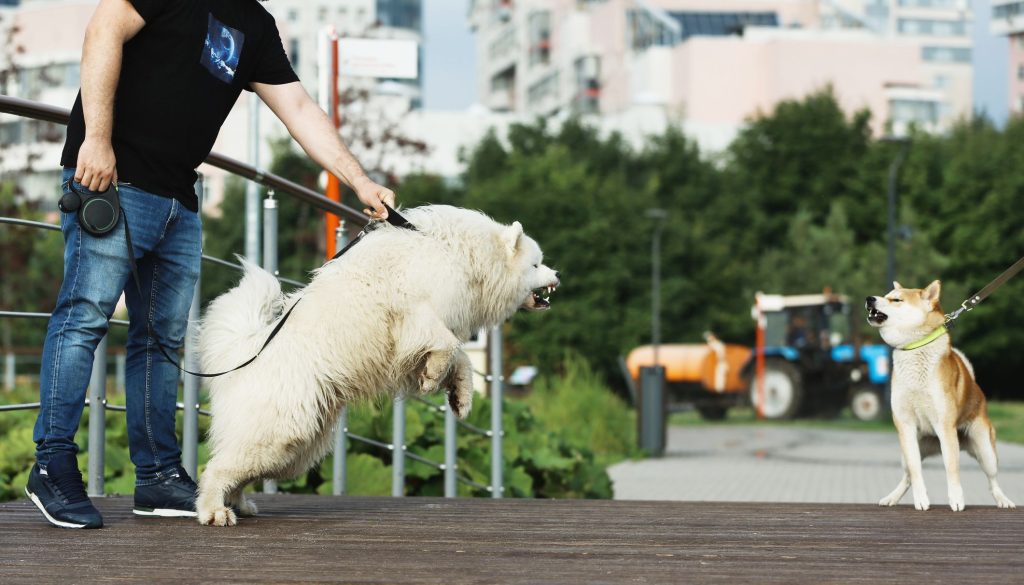
For instance, consider a dog that has consistently been around children, adults, and other dogs from an early age. This dog is likely to display more calm and measured behavior in unexpected social situations. Conversely, a dog deprived of such interactions might be prone to aggressive or overly timid behaviors when confronted with new stimuli later in life. The critical development phase for socializing a puppy typically spans from 3 to 14 weeks, during which they can learn to handle new experiences calmly.
Furthermore, socialization can help prevent the development of phobias that stem from unfamiliarity. Dogs that are exposed to varied stimuli are less likely to develop irrational fears, such as fear of thunder or fear of strangers. This reduces stress levels significantly and contributes to overall mental health and wellness.
4. Enhances Communication Skills
Socialization isn’t solely about exposure; it’s also about enhancing communication skills. Dogs, like humans, have a complex array of communication skills. They rely heavily on body language, vocalizations, and specific behaviors to express needs, convey intentions, and interact with others.
- Improves reading of body language: Social dogs develop the ability to read the body language of other dogs, such as recognizing play bows, indicating a desire to play.
- Encourages appropriate responses: A socialized dog learns to respond appropriately to various signals, understanding when to engage, when to retreat, and when to calm down.
- Fosters understanding of social cues: Through varied interactions, dogs learn essential social cues, decreasing misunderstandings and potential conflicts.
These skills can make a significant difference in a dog’s life, ensuring that interactions with both humans and other animals remain safe and pleasant.
3. Promotes Mental Stimulation
Mental stimulation in dogs is parallel to mental challenges in humans, providing significant enrichment that enhances their quality of life. Engaging with other dogs and humans offers a rich source of mental engagement. Activities range from attending dog parks and obedience classes to organizing interactive play dates, all offering opportunities that keep a dog’s mind lively and engaged.
Socialization provides numerous opportunities for mental stimulation:
- Problem-solving during play: Dogs often need to solve problems during interactive play, such as retrieving a friend’s ball or navigating an agility course.
- Learning new skills: Group settings provide an ideal environment for teaching new tricks or commands, keeping the learning experience dynamic.
- Follow-the-leader games: Such games can foster leadership skills and camaraderie among dogs.
These activities prevent boredom, a common trigger for destructive behavior in dogs, subsequently improving their mental well-being and allowing them to thrive.
2. Strengthens the Human-Dog Bond
Socialization doesn’t only benefit the dog’s interactions with other animals; it also fosters a stronger bond between pets and their owners. When dogs are well-socialized, they feel more at ease with their human companions, sharing experiences and forming robust bonds that improve the living environment.
Joint activities like socializing through formal classes, group walks, or dog-friendly events contribute to a spirit of teamwork. Such shared experiences build a connection that is invaluable for happy coexistence. Dogs that have been adequately socialized often exhibit fewer behavioral issues, facilitating a more harmonious relationship with their owners.
1. Promotes Overall Mental Health
At the top of the list, socialization has an overarching impact on promoting mental health. Dogs are inherently social creatures and require interaction to thrive. Socialization practices develop them into confident, well-rounded, and emotionally stable companions. This optimal state not only makes dogs happier but also contributes to their longevity and physical health.
Good social skills and emotional stability result in:
- Fewer behavioral issues: A well-socialized dog is less likely to experience behavioral problems such as excessive barking or aggression.
- Reduced aggression: Socialized dogs tend to resolve conflicts more peacefully, lowering their likelihood of aggressive behavior.
- Greater adaptability: Exposure to various environments and situations enables dogs to adjust more easily, enhancing their resilience against stress.
In conclusion, socialization is indispensable for fostering a dog’s mental and emotional health. Recognizing these benefits can dramatically transform a dog’s well-being, enhancing their life and that of their human companions.
As we delve deeper into the *importance of socialization on the mental health of dogs*, it’s crucial to recognize the multifaceted benefits that come from this practice. Dogs, like humans, are social creatures. Their mental well-being is closely linked to their interactions with other animals and humans. Socialization isn’t just about allowing dogs to meet new friends; it plays a vital role in shaping their behaviors, reducing anxiety, and enhancing their quality of life.One paramount aspect of socialization is the prevention of behavioral issues. Dogs that lack exposure to different environments and other dogs may develop behavioral problems, such as aggression or fear-based responses. Ensuring that your dog engages in regular social activities can help mitigate these risks. For instance, introducing a puppy to new sights, sounds, and experiences during their formative stages can foster a more adaptable and well-rounded pet. Furthermore, socialization is instrumental in reducing stress and anxiety levels in dogs. Regular contact with other dogs and humans can help dogs feel more secure in their environments. In busy urban settings, where stimuli can be overwhelming, socialized dogs often respond better to new experiences. This adaptability not only enhances their coping mechanisms but also leads to a happier and more confident dog. A study by the American Kennel Club suggests that dogs who participate in social play are less likely to exhibit anxiety-related behaviors.Additionally, socializing dogs can promote physical health alongside mental stimulation. Engaging with other dogs often leads to increased physical activity, which, as research indicates, keeps dogs fit and combats obesity-related issues. Furthermore, exposure to varied environments stimulates their senses, supporting cognitive development. Activities such as puppy kindergarten classes not only teach important skills but also provide an excellent opportunity for mental exercise, which is equally important for a dog’s mental health.Lastly, the bond between humans and dogs can also be strengthened through socialization. Dogs thrive on interaction and engagement with their owners, and group activities or dog parks serve as perfect venues to foster this bond. The emotional benefits are two-fold; as dogs engage with their environment, they express joy and companionship, which can significantly enhance the owner’s overall mental health as well. The human-animal bond has been shown to alleviate stress and increase feelings of happiness and fulfillment, making socialization a beneficial practice for both parties involved.In summary, socialization offers invaluable benefits that extend beyond mere companionship. It shapes behaviors, enhances adaptability, promotes physical health, and strengthens bonds, underscoring the critical necessity of social interaction for a dog’s mental well-being.
Frequently Asked Questions about the Importance of Socialization in Dogs’ Mental Health
How does socialization affect a dog’s mental health?
Socialization plays a crucial role in a dog’s mental health by helping them develop confidence and reduce anxiety. When dogs are exposed to different environments, people, and other animals from an early age, they learn to navigate various situations without fear. This exposure can lead to a more balanced and relaxed demeanor as they grow. Remarkably, studies suggest that socialized dogs are less prone to behavioral issues, which can be a common source of stress and poor mental health.
What are some signs that a dog might be under-socialized?
Under-socialized dogs often exhibit signs of fear or aggression, which can manifest as barking, growling, or avoidance of unfamiliar environments. They might also display heightened anxiety when separated from their owners or show excessive excitement or discomfort in new situations. Other indicators include difficulty adapting to changes and heightened stress levels in scenarios that should otherwise be routine for a well-balanced dog.
Can adult dogs still benefit from socialization?
Absolutely! While puppies are most impressionable, adult dogs can still experience significant benefits from socialization. The process might be slower, requiring patience and consistency, but older dogs can improve their mental health and behavior through gradual exposure to different stimuli. Positive reinforcement and structured socialization activities can aid in reducing anxiety and help adult dogs feel more secure in unfamiliar settings.
How can owners effectively socialize their dogs?
Effective socialization requires a strategic and well-paced approach. Owners should introduce their dogs to varied experiences, including different people, animals, and environments in positive and controlled settings. Enrolling in socialization classes, visiting dog-friendly parks, and scheduling regular playdates with other dogs are excellent strategies. It’s essential to ensure each new experience is positive to build confidence and prevent fear.
What are potential challenges in socializing a dog?
Challenges in socializing a dog can include the dog’s existing fears or anxieties, time constraints for owners, and sometimes a lack of appropriate resources or environments. In some cases, prior negative experiences can make socialization harder. It’s critical to approach socialization gradually and consult a professional if needed, particularly if the dog exhibits severe behavioral issues. Individualized attention can help mitigate these challenges effectively.
Conclusion
In examining the vital role of socialization in the mental health of dogs, we uncover a facet of pet care that is as essential as proper nutrition and regular veterinary checkups. From the onset of puppyhood through adulthood, the ability of a dog to interact comfortably and positively with both humans and other animals can dramatically impact their overall well-being. Notably, socialization is not an optional luxury but rather a crucial component in nurturing a mentally healthy and balanced canine.
One of the key takeaways is that early socialization contributes significantly to reducing behavioral issues, such as aggression and anxiety in dogs. Puppies that are exposed early to a variety of environments, people, and experiences are far more likely to develop into well-adjusted adults. Moreover, socializing a dog can lead to improved confidence and adaptability in new and potentially stressful situations, making them more resilient and happier companions.
Another aspect extensively discussed is the relationship between socialization and the establishment of a strong, trusting bond with their human counterparts. Dogs that are well-socialized tend to be more relaxed and less fearful, strengthening the trust and communication shared with their owners. This bond not only enhances the pet’s quality of life but also enriches the experience of pet ownership.
The broader implications of canine socialization extend to overall pet management and public safety. Behaviorally sound dogs reduce the risk of incidents in public spaces, contributing to safer and more harmonious communities. Thus, the responsibility falls on pet owners to ensure their dogs receive the appropriate social exposure they need, starting from a young age.
In conclusion, socialization is a key pillar in achieving a balanced and fulfilling life for our canine companions. By prioritizing and investing in this vital aspect of their development, we not only ensure the mental health and happiness of our pets but also foster a more inclusive and understanding society. As we continue to explore the nuances of animal behavior, it’s imperative to remain open to new data and perspectives, pushing us forward in our journey to enhance pet care practices globally.