
Prepare Your Home for a New Pet Essential Tips Considerations
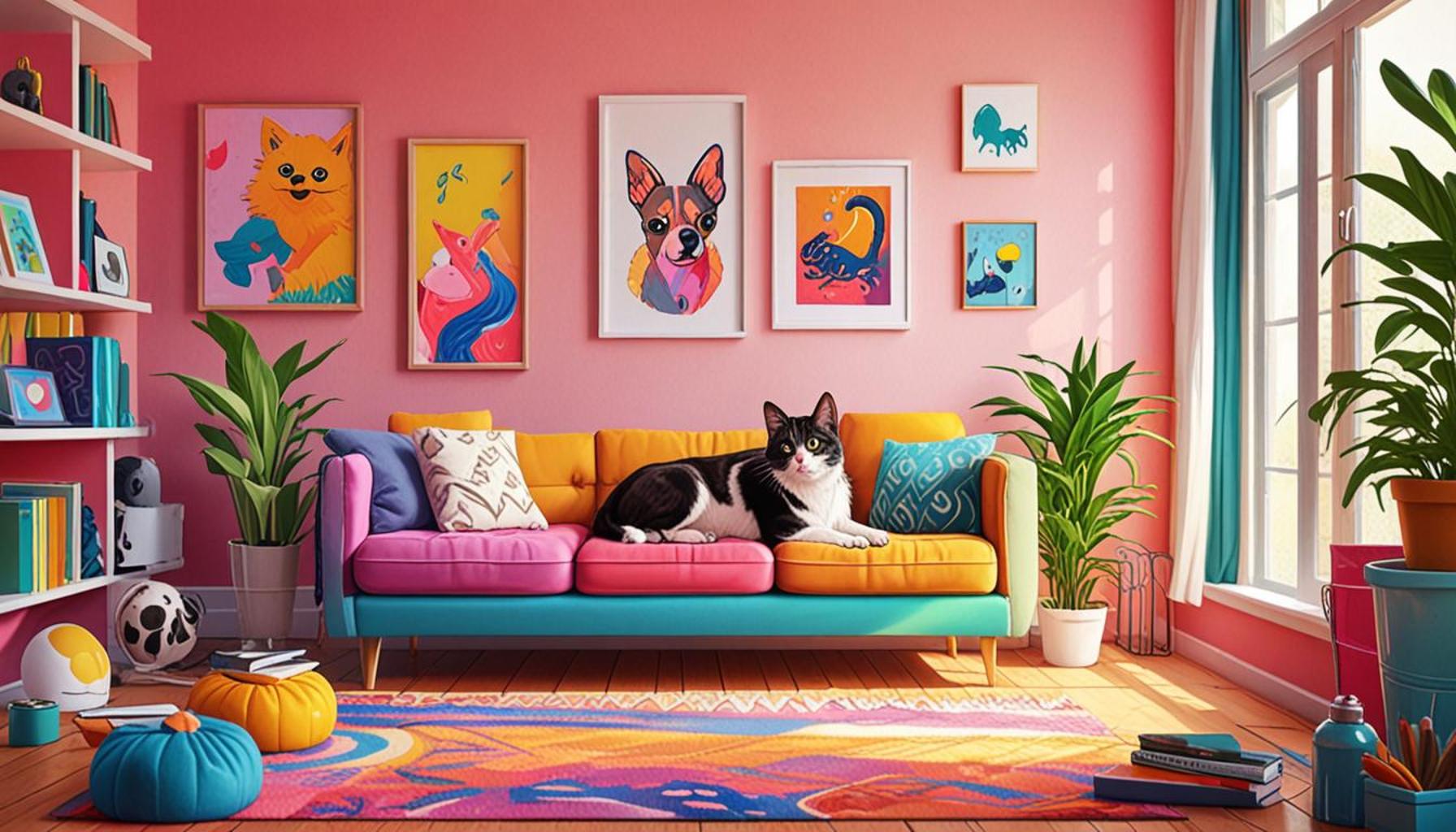
Bringing a new pet into your home can be an exhilarating yet challenging experience. Every year, millions of animals find a loving family, and it’s crucial that new pet owners are well-prepared for the transition. Ensuring your living environment is ready can significantly impact the well-being of your furry friend and ease the adjustment process.
To create a harmonious space for a pet, there are several factors to consider before the big day arrives. Preparing your home includes everything from pet-proofing potential hazards to sourcing essential supplies. In this article, we’ll explore the Top 5 tips and considerations that will help make your new pet feel safe, comfortable, and welcomed.
- Securing the Environment: Remove or seal away any harmful items.
- Essential Supplies: Stock up on food, bedding, and toys.
- Designated Spaces: Create specific areas for eating, sleeping, and playing.
- Family Preparations: Discuss pet responsibilities with all family members.
- Routine Establishment: Outline a daily schedule for feeding and exercise.
By addressing these key components, you can ensure a smooth transition for both you and your newly adopted pet.
How to Prepare Your Home for a Newly Adopted Pet: Tips and Considerations
Bringing a new pet into your home is a thrilling experience, one that promises not just companionship but a new dimension of life filled with playful antics and cherished moments. However, integrating a new pet into your household comes with its set of challenges and responsibilities. To ensure a smooth and seamless transition for both you and your furry friend, it’s essential to prepare your home effectively. This preparation doesn’t just ease the stress for your pet but also assures peace of mind for you. Below, discover a comprehensive guide on how to welcome a newly adopted pet into your life with open arms and a ready home.
5. Create a Safe Space
One of the most vital steps in preparing your home is establishing a designated safe space for your new pet. This place will be their sanctuary—a comforting hideaway where they can decompress and adjust to their new surroundings. This concept isn’t limited to physical safety but extends to emotional wellbeing too.

To create an inviting yet secure environment, consider the following elements:
- A cozy bed or blanket as their new resting place
- An accessible water bowl so they’re readily hydrated
- Toys to entertain and stimulate their minds
The safe space should ideally be in a low-traffic area of your home, minimizing external disturbances. By catering to your pet’s need for a quiet, familiar spot, you’re aiding in their emotional adjustment and setting the stage for a happy home life.
4. Remove Hazards and Potential Dangers
New pets, curious by nature, have an innate urge to explore every corner of their environment. This curiosity, while endearing, can often lead them into precarious situations. To prevent mishaps, conducting a comprehensive sweep of your home to eliminate potential hazards is crucial.
Potential dangers to consider include:
- Securing electrical cords that could be chewed on or tripped over
- Identifying and removing toxic plants from your home environment
- Stashing away cleaning supplies and medications in inaccessible places
- Childproofing cabinets that may contain harmful products
By transforming your house into a safe haven, you’re providing a secure platform for your pet to explore, learn, and grow without the threat of harm.
3. Stock Up on Essential Supplies
Imagine welcoming a guest into your home and being unprepared; it’s hardly the welcoming atmosphere you’d wish to project. The same applies to your new pet. Ensuring you have a well-stocked arsenal of essential supplies helps lessen transitional stress and facilitates a smoother integration into their new habitat.
Consider procuring the following items:
- Durable food and water bowls
- High-quality pet food that matches your pet’s dietary needs
- A sturdy collar and leash for dogs, or a clean litter box for cats
- Basic grooming tools such as brushes or nail clippers
Acquiring these supplies in advance reflects thoughtful pet ownership and ensures your pet is met with the care and comfort needed in their initial days with you.
2. Consider Your Home’s Layout
With a new pet, your household dynamic inevitably shifts, prompting a fresh evaluation of your home’s layout and daily routines. Every room, piece of furniture, and decor item should be assessed from your pet’s perspective, ensuring a seamless adjustment to their new environment.
Unique considerations include:
- Identifying any furniture or barriers that could impede your pet’s movement
- Creating a consistent path for when your pet needs outdoor access
- Informing all household members about pet etiquette and responsibilities
By aligning your home’s layout to accommodate your pet’s needs, you’re ensuring a harmonious existence and minimizing potential stressors.
1. Prepare for Training and Socialization
The cornerstone to a well-behaved and happy pet lies in effective training and socialization. Every pet, regardless of its age or breed, requires behavioral guidance and interaction to thrive in a domestic environment. Establishing a foundation of discipline, coupled with social exposure, is pivotal for a fruitful pet-owner relationship.
Your approach could include:
- Enrolling in a reputable training course that focuses on basic commands and leash manners
- Arranging playdates with other pets to nurture social skills and confidence
- Creating a routine encompassing regular exercise and mental stimulation
Initiating these strategies early will help mold your pet into a well-adjusted member of your family, promoting better behavior and fostering joy and companionship in your shared life.
In summary, welcoming a newly adopted pet into your home requires deliberate and comprehensive preparation. From creating a comforting safe space to committing to effective training, these steps are integral in building a nurturing and accommodating environment. With careful thought and consideration, you set the stage for a meaningful and treasured relationship with your four-legged family member.
When welcoming a new pet into your home, preparation is crucial for ensuring a smooth transition for both you and your furry friend. Understanding their needs and making the right adjustments in your environment can lead to a harmonious living arrangement. Here are some essential tips and considerations that will help you create a pet-friendly home.First, focus on safety. It is vital to identify potential hazards in your living space that could pose risks to a curious pet. Items like cleaning supplies, medications, and choking hazards should be securely stored out of reach. Additionally, consider using childproof latches on cabinets and gates to restrict access to areas that may contain harmful materials. This proactive step will not only protect your pet but also give you peace of mind.Next, establish a designated space for your new pet. Creating a safe haven—such as a cozy corner with a bed, toys, and food and water bowls—provides your pet with a sense of security. This area will serve as a refuge for your pet during overwhelming moments or when they simply want to rest. Introduce them to this space gradually, allowing them to feel comfortable and secure in their new environment.Moreover, consider your pet’s behavioral needs. Engage with local pet trainers or resources to understand the unique traits of your new companion. Whether adopting a dog or a cat, tailor your living space to accommodate their play and exercise necessities. Dogs may require ample space to roam and interactive toys for mental stimulation, while cats may appreciate vertical spaces like cat trees or shelves for climbing. A stimulating environment will encourage your pet to thrive and reduce unwanted behaviors.Finally, implementing a consistent routine is essential for any newly adopted pet. Establishing feeding times, walks or play sessions, and quiet times helps create a predictable schedule, fostering security and trust. Animals thrive on routine, and it helps them acclimate to their new life more effectively. This predictability can reduce anxiety and promote a sense of belonging.Incorporating these considerations will greatly enhance the adoption experience for you and your pet, paving the way for a loving and lasting bond. Embrace the opportunity to create a nurturing environment, and your furry companion will undoubtedly flourish in its new home.
Frequently Asked Questions
What should be the first step in preparing my home for a newly adopted pet?
The first crucial step is to designate a safe space for your new furry friend. This area should be quiet, away from the hustle and bustle of everyday household activities, where the pet can acclimate at their own pace. Equip this space with essential items such as a comfy bed, food and water bowls, and some toys. Remember, a gradual introduction to the rest of the house will prevent overwhelming your pet.
How do I choose the right pet supplies?
Choosing pet supplies involves considering the specific needs of your adopted animal. While all basic supplies like food, a leash, and bowls are a necessity, tailor your choices to suit your pet’s breed, size, and age. For instance, a large breed dog might require a more robust leash and collar compared to a toy breed. Consult your veterinarian for food recommendations that match the age and health requirements of your pet.
Are there any safety precautions I should take?
Yes, ensuring your pet’s safety is paramount. This includes securing loose wires, keeping hazardous substances like cleaning products out of reach, and checking for plants that might be toxic to pets. Conduct a thorough check of your home, much like child-proofing, but with curious paws and claws in mind.
How can I help my new pet adjust to its new home?
Patience is key when helping your new pet adjust. Encourage them gently without forcing interactions. Create a routine for feeding and walks to give them a sense of stability. Additionally, bonding activities such as playtime and training can be helpful. Always pay attention to your pet’s comfort levels and slowly introduce them to new experiences.
What role does a veterinarian play in this process?
Having a reliable veterinarian is critical not just for initial health assessments but also for ongoing health care. Schedule a visit soon after adoption to ensure your pet is healthy and up to date on vaccinations. Veterinarians can provide advice on nutrition, exercise needs, and answer behavioral questions, helping you successfully integrate your new pet into your home.
Conclusion
Adopting a pet is an exciting journey, filled with companionship and joy. However, it requires careful preparation to ensure a smooth transition for your new family member. As detailed in this article, creating a safe, welcoming environment for your pet is paramount. This involves setting up designated areas for eating and sleeping, pet-proofing the home, and ensuring access to essential items like food, bedding, and toys.
Beyond the physical space, investing time in understanding your pet’s unique needs is crucial. Whether it’s researching breed-specific behaviors or spending time with them to gauge their temperament, this effort will pay dividends in fostering a healthy, happy relationship. A new pet requires not just your attention but also a sense of security and routine. Introducing them to the home gradually and providing consistent training and socialization opportunities will help them adjust more comfortably.
Moreover, maintaining regular veterinary care is non-negotiable for their well-being. This includes vaccinations, routine check-ups, and addressing any health concerns promptly. Pet adoption isn’t just a commitment to their physical needs but also a promise to support their emotional and psychological health.
In conclusion, preparing your home effectively can make all the difference in your pet’s adaptation process. By following these tips, you create a nurturing environment that sets the foundation for a lifelong bond. The ultimate reward is a thriving pet who feels truly at home. Consider this an opportunity not just to educate yourself but to educate others, spreading awareness on the thoughtful preparation involved in welcoming a new pet. With these considerations in mind, you’re well on your way to creating a harmonious home for your furry, feathered, or scaly friend.