Homemade Food vs. Commercial Kibble: What Is Better for Your Pet’s Nutrition?
The Challenge of Feeding Fido: Homemade vs. Commercial Kibble
Making dietary choices for pets can feel like navigating a complex maze, especially when considering the variety of food options available today. As pet owners, we instinctively want to provide the highest quality nutrition for our companions, which often leads to the ongoing debate between homemade food and commercial kibble. Each comes with its own set of benefits and drawbacks that can influence not just the health of pets, but also the everyday lives of pet owners.
- Homemade Food: One of the primary advantages of preparing food at home is the ability to tailor meals to meet specific dietary requirements and preferences. This flexibility is essential for pets with food allergies or sensitive stomachs. Owners can select ingredients such as lean proteins, fresh vegetables, and healthy fats. For instance, a dog with a chicken allergy could thrive on a diet primarily consisting of turkey or fish.
- Commercial Kibble: On the flip side, commercial dog kibble offers a level of convenience that homemade meals often cannot match. Most of these products are ready to serve and come fortified with essential vitamins and minerals tailored to various life stages or health conditions, ensuring that they meet the minimum nutritional standards set by organizations like the Association of American Feed Control Officials (AAFCO).
- Budget: It’s also worth noting that the preparation of home-cooked meals can be time-intensive and somewhat costly. While ingredients might be fresh, the associated time and effort could be a barrier for many busy pet owners. Conversely, commercial options can be more economical and less labor-intensive over time.
- Ingredient Control: With home cooking, pet parents have complete transparency over the ingredients used in their pet’s meals. For those concerned about the additives, preservatives, or questionable sources often found in cheap kibble, this can be a significant advantage, allowing owners to craft wholesome recipes they can trust.
Understanding your pet’s unique nutritional requirements is pivotal when making this decision. Factors such as breed, age, size, and any pre-existing health conditions can greatly influence what constitutes a balanced diet. For instance, puppies require diets higher in protein and fat to support their rapid growth, while senior dogs may benefit from lower protein levels to ease kidney stress.
The crucial question remains: what truly lies within that bag of kibble? While some brands prioritize quality ingredients and transparent sourcing, others may cut corners to boost profit margins. Investigating these brands can reveal differences in quality, as some dog foods undergo more rigorous testing than others. Likewise, many pet owners tout the health benefits of homemade meals, claiming they see improved coat condition and energy levels in their pets. However, it’s important to ensure that homemade diets are balanced and include all necessary nutrients, which can sometimes require professional guidance.
Ultimately, navigating the landscape of pet nutrition is a journey and should be approached thoughtfully. Both homemade meals and commercial options can support the health and happiness of your furry friends, provided that their nutritional needs are met adequately. This exploration into the nutritional debate opens the door to further investigation into the best practices, encouraging owners to weigh their options carefully while keeping their pet’s well-being as the focal point.
CHECK OUT: Click here for essential tips on caring for elderly pets at home
Examining the Nutritional Landscape
When it comes to the age-old debate of homemade food versus commercial kibble, understanding the nutritional compositions of each option is critical for making informed decisions that cater to your pet’s specific needs. Several factors influence what is deemed “better,” including ingredient quality, nutrient variety, and the specific dietary requirements of your furry friend.
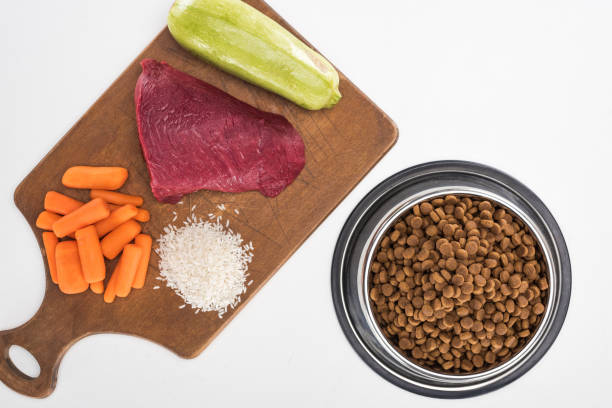
Homemade food allows for meticulous control over what goes into your pet’s meals. By choosing fresh and natural ingredients, many pet owners believe they can create a diet that is not only healthy but customized for their pet’s tastes and requirements. For example, homemade meals can incorporate items like:
- Lean meats: Chicken, turkey, and beef are excellent sources of protein.
- Vegetables: Carrots, peas, and sweet potatoes provide vital vitamins and minerals.
- Healthy fats: Ingredients like fish oil can help promote a shiny coat and healthy skin.
- Whole grains: Brown rice and oats are fiber-rich options beneficial for digestion.
Despite these advantages, crafting balanced meals can be a tall order. Veterinary nutritionists often emphasize that homemade diets need to be formulated carefully to avoid deficiencies or imbalances. For instance, dogs require specific ratios of protein, fat, carbohydrates, vitamins, and minerals that may not always be achieved through home cooking alone.
On the contrary, commercial kibble provides a straightforward and often economical alternative. Most well-established brands invest significant resources in research and development to ensure that their formulas meet the nutritional guidelines established by organizations like the Association of American Feed Control Officials (AAFCO). As a result, kibble often includes:
- Complete protein: Kibble typically lists a primary protein source, such as chicken or fish, as its first ingredient.
- Preservatives: Many dog foods are fortified with preservatives to prolong shelf life and maintain taste.
- Tailored formulations: There are specialty kibbles designed for puppies, seniors, and dogs with allergies or specific health needs.
However, the quality of ingredients can vary greatly from one brand to another. Some kibble manufacturers utilize lower-quality fillers and meat by-products, which can lead to long-term health issues if consumed regularly. Pet owners should always read ingredient lists carefully, as well as research the reputation of the brands they consider. Additionally, some beloved brands prioritize sourcing high-quality, sustainable ingredients, while others may focus on cutting costs, often to the detriment of nutritional quality.
Ultimately, the decision between homemade and commercial kibble is multifaceted, involving considerations of ingredient quality, dietary balance, and convenience. By carefully evaluating your pet’s unique health needs and preferences, you can embark on a pathway that leads to optimal nutrition, keeping your furry family member happy and healthy.
| Category | Key Features or Characteristics |
|---|---|
| Nutritional Control | Homemade food allows pet owners to choose specific ingredients based on their pet’s health needs. |
| Quality Assurance | By preparing meals at home, owners can ensure high-quality ingredients with no artificial additives. |
| Customization | Homemade diets can be tailored to accommodate allergies, sensitivities, and taste preferences. |
| Freshness | Freshly made meals maximize nutrient retention and palatability for your pets. |
| Cost-effectiveness | While initially expensive, homemade options can reduce long-term health costs by preventing diets-related illnesses. |
Incorporating components such as protein sources, vegetables, and healthy fats is critical when considering Homemade Food vs. Commercial Kibble. A focus on whole foods often results in better absorption of nutrients, paving the way for vibrant health and vitality in pets. Additionally, fresh diets may enhance flavor, encouraging picky eaters to consume adequate nutrition. However, it demands a commitment to research and understand balanced meal formation that meets all of their nutritional needs. This diligence can lead to improved energy levels and overall wellness for pets, prompting owners to deeply ponder the benefits of what they feed their furry companions.
DON’T MISS: Click here for valuable training tips
Evaluating Long-Term Health Implications
While the immediate effects of homemade food and commercial kibble on your pet’s nutrition are significant, it’s essential to consider the long-term health implications of each dietary option as well. Analyzing how these two choices affect overall wellness, longevity, and potential health issues is crucial for any pet owner.
Homemade diets often boast fresh ingredients, making them appealing for those concerned about additives or preservatives. However, without proper guidance, pet owners may unknowingly introduce potential risks. For instance, certain human foods like grapes, onions, and chocolate are toxic to dogs and must be avoided. Additionally, a lack of essential nutrients can lead to conditions such as osteodystrophy in young dogs or weakened immune systems in older pets if key vitamins and minerals are overlooked.
Furthermore, a study published in the *Journal of Animal Science* highlighted that pet owners who provided customized diets without the oversight of veterinary nutrition caused health complications in their animals due to essential nutrient deficiencies. These findings illuminate the importance of consulting with a veterinary nutritionist when transitioning to homemade meals. They can help design meals that embrace your pet’s favorite ingredients while ensuring they receive adequate nutrients.
On the flip side, commercial kibble is designed to cater to the nutritional needs of pets over the long term, with many brands formulating diets based on scientific research. For example, kibble can be fortified with probiotics, which support digestive health, and omega fatty acids, beneficial for skin and coat appearance. The convenience of commercial kibble also plays a significant role; it’s easy to store, measure, and feed, making it a favorite among many busy pet owners.
However, the potential downsides of kibble should not be dismissed. Certain brands may contain carbohydrate fillers, which could contribute to obesity or diabetes when consumed in excess, particularly if the pet remains sedentary. Moreover, food sensitivities are on the rise, and some pets suffer from allergies linked to common kibble ingredients such as corn or soy. Therefore, it’s essential to choose kibble thoughtfully, focusing on high-quality brands known for transparency in their ingredient sourcing and manufacturing processes.
Moreover, a growing body of research suggests that a diet primarily comprised of highly processed commercial kibble could have implications for pets’ health, contributing to chronic conditions like dental disease, obesity, and even certain cancers. This highlights not only the importance of quality but also the necessity of variety in a pet’s diet. For some owners, this may mean mixing homemade food with commercial kibble to harness the nutritional benefits of both.
As a middle ground, pet owners are increasingly exploring the option of fresh or raw diets, which can balance the benefits of homemade food with the convenience of commercially prepared options. Many companies now offer globally sourced, minimally processed pet foods tailored to meet specific health needs, providing an appealing alternative for conscientious pet owners.
In summary, whether you lean towards homemade food or commercial kibble, it is vital to weigh the potential long-term health implications carefully. By doing so, you can craft a nutritional plan that supports the well-being of your pet over its entire life span.
DISCOVER: Click here to learn about the health benefits of physical exercises for pets
Conclusion: Making an Informed Choice for Your Pet’s Nutrition
In the ongoing debate of homemade food vs. commercial kibble, it’s clear that both options present unique nutritional benefits and challenges. Homemade diets can offer fresh, quality ingredients without the additives found in some kibble. However, the risk of nutritional deficiencies looms large if pet owners do not seek professional guidance to create balanced meals tailored to their pet’s needs. This calls for a proactive approach, ensuring a well-rounded diet that avoids harmful foods and meets essential nutrient requirements.
On the other hand, commercial kibble provides convenience and is often scientifically formulated to cater to the long-term health of pets. Nevertheless, concerns over ingredient quality and the potential health impacts of a diet centered on processed foods cannot be ignored. Selecting high-quality kibble brands and being mindful of any pet food allergies are vital steps in ensuring your pet thrives.
Ultimately, the best choice may lie in finding a balanced approach that combines the strengths of both diets. Many pet owners are now considering a mixture of homemade meals and premium commercial kibble, paving a way to diversify their pets’ nutrition while still enjoying the convenience that modern kibble offers. As pet nutrition continues to evolve, it remains essential for owners to stay informed and leverage the insights of veterinary professionals to foster not only a happy but also a healthy life for their beloved companions.
In the quest for the answer to “What is better for your pet’s nutrition?” the journey is personal, and informed choices will lead to happier, healthier pets.