
The Importance of Regular Veterinary Check-ups for Pet Health
Understanding the Value of Veterinary Check-ups
Regular veterinary check-ups are essential for maintaining the health and well-being of pets. Just as humans undergo routine medical examinations, our furry companions also require periodic assessments to ensure they thrive throughout their lives. These visits serve multiple crucial purposes that can make a significant difference in their health.
- Early Disease Detection: Many health issues in pets are subtle and can easily go unnoticed. Regular check-ups help catch problems early, which is vital for successful intervention and treatment. For instance, conditions like diabetes or kidney disease can develop gradually. An annual visit allows for blood tests and urine analysis, which can uncover underlying issues before they become severe, enhancing the chances of effective treatment.
- Preventive Care: Vaccinations and preventive treatments for parasites such as fleas, ticks, and heartworms are crucial for protecting your pet from serious diseases. For example, the rabies vaccine is not only a legal requirement in many states but also a critical safeguard against a disease that can be fatal. Ensuring that your pet is up-to-date on vaccinations can save them from dangerous illnesses and reduce your long-term veterinary bills.
- Behavioral Assessments: Veterinarians can help identify behavioral changes that may signal health problems. An increase in aggression, lethargy, or changes in appetite can be indicative of underlying health issues. For example, sudden aggression could stem from pain or anxiety, both of which require prompt attention to ensure your pet remains happy and well-adjusted.
Furthermore, regular visits build a strong relationship between you, your pet, and your veterinarian. This connection is vital for understanding your pet’s individual health needs and managing chronic conditions effectively. For example, if your dog has a history of allergies, establishing a routine with your vet can lead to personalized care strategies that improve their quality of life. The investment in regular check-ups not only enhances your pet’s quality of life but can also save you money in the long run by avoiding costly emergency treatments.
In the United States, annual veterinary visits are highly recommended for most pets, yet many owners overlook this critical aspect of pet care. The American Veterinary Medical Association suggests that puppies and kittens should visit the veterinarian several times within their first year, while healthy adults may only need one annual check-up. It’s essential for pet owners to stay informed and proactive regarding their pets’ health — after all, your pet’s health ultimately depends on it. Discover how routine check-ups can lead to a longer, healthier life for your beloved companion and empower yourself with knowledge on how to best care for them.
DISCOVER MORE: Click here to learn how to find the perfect shelter for pet adoption
Proactive Pet Care: Why Regular Check-ups Matter
Regular veterinary check-ups are not only a vital aspect of pet ownership but also a proactive investment in your pet’s long-term health. The reality is that pets, much like humans, age and develop health issues that may not be immediately apparent. Routine visits to a veterinarian provide an opportunity to monitor your pet’s health, detect any potential issues, and take action before they escalate into more significant problems.
During veterinary check-ups, several key elements come into play that are critical for ensuring optimal pet health:
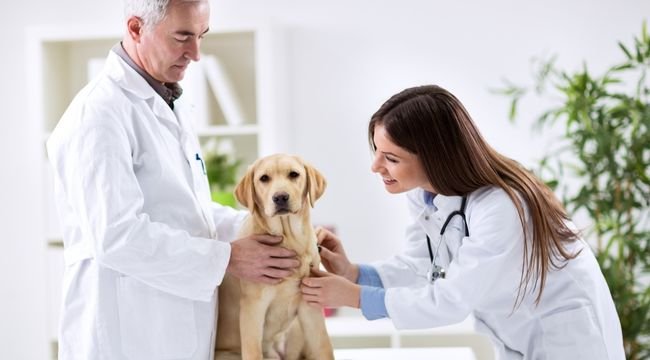
- Comprehensive Health Assessments: Each check-up typically includes a thorough examination, during which the veterinarian evaluates your pet’s overall health. This encompasses checking their weight, examining their coat and skin, listening to their heart and lungs, and assessing their dental health. A comprehensive evaluation ensures that any abnormal findings can be addressed immediately and appropriately.
- Tailored Nutrition and Diet Advice: Nutrition is a cornerstone of good health for pets. Veterinarians can recommend dietary adjustments based on your pet’s age, weight, and lifestyle. For example, a more active dog may require a different caloric intake compared to a senior dog with mobility challenges. Regular check-ups allow for personalized dietary recommendations that can prevent obesity and promote a healthy lifestyle.
- Monitoring of Chronic Conditions: Many pets suffer from chronic conditions such as arthritis, allergies, or diabetes. Regular check-ups allow for ongoing monitoring of these conditions, ensuring that management strategies remain effective. Adjustments to medication, treatment plans, and dietary changes can be made as needed, offering your pet a comfortable and manageable life.
- Communication and Education: Regular visits create a consistent line of communication between pet owners and veterinarians. This dialogue is essential for addressing any concerns regarding your pet’s behavior, health, or lifestyle. Pet owners can gain valuable insights into preventive care, behavior management, and much more, making check-ups an educational experience for both parties.
Additionally, staying on top of your pet’s health through regular veterinary visits can significantly reduce the likelihood of unexpected health emergencies, which can be both costly and stressful. According to the American Kennel Club, routine veterinary care can help identify and treat health issues early on. For example, addressing dental disease and ear infections during a routine visit can prevent the need for costly surgical interventions in the future.
Moreover, the emotional impact of knowing your beloved pet is healthy cannot be overstated. Regular check-ups provide peace of mind to pet owners, allowing them to focus on enjoying the joyous moments spent with their pets instead of worrying about potential health risks. It cultivates a sense of responsibility and commitment to the well-being of your pet, which enhances the bond you share.
Taking the time to prioritize frequent veterinary visits is crucial in fostering a healthy, happy life for your pet. In the following sections, we will delve deeper into specific benefits of these check-ups and provide guidance on how to make the most out of your veterinary experience.
| Advantage | Description |
|---|---|
| Early Detection of Illness | Regular veterinary check-ups allow for early detection of health issues, which can prevent severe illness and expensive treatments in the long run. |
| Preventive Care | Vaccinations and parasite control are part of preventive care that veterinarians provide, ensuring your pet stays healthy and reducing the risk of diseases. |
| Behavioral Assessment | Regular visits help assess your pet’s behavior, providing insights into their mental health and identifying potential issues before they escalate. |
| Nutritional Guidance | Veterinary check-ups include nutritional assessments, ensuring that your pet’s diet supports their health needs at different life stages. |
Regular veterinary check-ups not only enhance your pet’s quality of life but also safeguard their health through proactive measures. These visits promote a long-lasting bond between pet and owner, fostering trust and security that are vital for overall welfare. It’s essential to prioritize your pet’s health and well-being, helping them enjoy a longer, healthier life filled with joyful moments.
DISCOVER MORE: Click here to learn about the importance of socialization in dog obedience
Preventive Care: The Key to Long-Term Wellness
One of the most compelling reasons for regular veterinary check-ups is their role in preventive care. Much like humans, a proactive approach to healthcare for pets can significantly extend their lifespan and enhance their quality of life. Preventive measures not only help in identifying health issues but also contribute to their overall well-being.
Vaccinations represent a fundamental aspect of preventive care. During routine visits, veterinarians can administer necessary vaccines that protect against common yet severe illnesses such as rabies, distemper, and parvovirus for dogs, and feline leukemia or rabies for cats. Keeping your pet up to date on vaccinations is crucial not only for their health but also for public safety, as unvaccinated pets can pose risks to both other animals and humans.
Another critical component of preventive care includes regular parasite control. Fleas, ticks, and heartworms can cause significant health problems if left unchecked. A veterinarian can recommend the appropriate preventive treatments tailored to your pet’s environment and lifestyle. For instance, pets living in warmer climates or spending time outdoors may require more frequent preventive measures against parasites than those that are mostly indoors.
Moreover, early detection of disease is integral to a successful treatment. Blood work and other diagnostic tests, often performed during routine check-ups, can reveal underlying issues that may not yet show symptoms. Conditions such as kidney disease, diabetes, and thyroid disorders can sometimes be managed more effectively if diagnosed early. For example, routine blood tests can identify elevated liver enzymes, allowing for timely intervention before severe complications arise.
Behavioral Insights and Mental Health
Regular veterinary visits are also an opportune time to discuss your pet’s behavioral health, which is an essential, yet often overlooked, aspect of their overall wellness. Behavioral issues can be symptomatic of underlying health problems. For instance, sudden aggression or withdrawal can indicate pain or discomfort. A veterinarian can provide insights on behavioral changes and suggest interventions that promote mental well-being.
Additionally, the veterinarian may offer valuable tips and resources for keeping your pet mentally stimulated and engaged. From puzzle toys to training techniques, regular check-ups facilitate discussions about mental enrichment strategies that can help ward off boredom and anxiety.
The Role of Technology in Veterinary Care
With the advent of telemedicine and advancements in technology, regular veterinary check-ups can now include virtual consultations, making it easier for pet owners to stay connected with their vets. This option allows for flexibility in scheduling visits and encourages ongoing dialogue about your pet’s health, particularly for non-emergency concerns. You can discuss behavioral changes, dietary queries, or minor symptoms, and how they may be addressed without an in-person visit.
Overall, the commitment you make to regular veterinary visits can transform your pet’s health journey. It’s not just about addressing issues as they arise; it’s about empowering pet owners with the knowledge and resources to promote a vibrant life for their beloved companions. Continuing this proactive approach to your pet’s health ensures a happier and potentially longer life—a goal worth striving for.
LEARN MORE: Click here for insights on choosing nutritious pet food
Conclusion: Ensuring a Healthy Future for Your Pets
In conclusion, regular veterinary check-ups are indispensable for maintaining your pet’s health and well-being. These visits go beyond mere vaccinations or treatments; they are a comprehensive assessment of your pet’s overall health, encompassing physical, emotional, and behavioral aspects. Engaging in routine check-ups empowers pet owners with the knowledge necessary to provide a happy and fulfilling life for their companions.
By participating in preventive care, you can detect potential health issues at an early stage, allowing for timely intervention and treatment. This proactive approach not only helps manage illnesses but also reduces the long-term costs associated with emergency veterinary services. Furthermore, the insights gained through discussions with veterinarians can lead to effective behavioral strategies, enriching your pet’s life and enhancing your bond.
As technology continues to evolve, options such as telemedicine make it easier than ever to maintain regular contact with your veterinarian, ensuring continuous care from the comfort of your home. Therefore, embracing the responsibility of scheduling regular check-ups should not be treated as a chore, but rather as an essential investment in your pet’s health and happiness.
Ultimately, prioritizing veterinary care is a compassionate commitment to your pet’s well-being. By cultivating a partnership with your veterinarian and actively engaging in your pet’s healthcare journey, you pave the way for a healthier tomorrow and a life filled with joyful memories together.