How to Teach Fun Tricks to Dogs: Step-by-Step for Beginners

Engage Your Furry Friend
Teaching your dog fun tricks can transform ordinary moments into extraordinary bonding experiences. Whether you’re a seasoned pet owner or a new dog parent, engaging your furry friend in learning can enrich their life and yours. Imagine impressing friends with a pooch that can roll over, play dead, or even give a high-five! The journey of learning together not only showcases your dog’s skills but also deepens the trust and affection between you and your pet.
Benefits of Teaching Tricks
Learning new tricks involves not just a fun time but also provides numerous benefits that enhance your relationship with your dog. Here are some key advantages:
- Enhanced Communication: Teaching tricks involves a series of commands and cues, helping you and your dog develop a shared language. For instance, using consistent verbal commands like “sit” or “stay” paired with hand signals can make communication clearer and more effective.
- Mental Stimulation: Tricks challenge your dog’s mind, keeping boredom at bay. Engaging them with new tasks can help prevent behavioral issues caused by excess energy, such as chewing furniture or digging. Activities that stimulate their brain are just as important as physical exercise.
- Physical Exercise: Active tricks promote better health through movement. Tricks like “spin” or “jump” not only keep your dog physically fit but can also help with weight management and overall stamina.
What You Will Need
Before diving into the step-by-step process of teaching tricks, gather some essentials to ensure a productive and enjoyable training session:
- Treats: Small, delicious rewards, like mini training treats or even pieces of cooked chicken, can be used to motivate your dog and make learning fun. Choose items that your dog finds particularly enticing.
- Patience: Every dog learns at their own pace, so consistency is key. A dog might take several tries before grasping a new trick, especially if they are new to training. Remember, even professional trainers highlight the importance of being patient and persistent.
- Positive Reinforcement: Encouragement and praise are crucial for building confidence. Always celebrate small victories with affection, a cheerful voice, or a favorite toy to create a positive association with learning.
By understanding the basics, you’ll be well on your way to becoming a dog-training pro. Popular dog training methods in the United States, such as clicker training or using a reward-based system, can enhance your teaching efforts. In this article, you’ll discover proven techniques to teach your dog entertaining tricks, ensuring both of you have fun along the journey.
With a bit of creativity and commitment, you can customize your dog’s learning experience. Consider popular tricks like “fetch” for outdoor play or “stay” for essential obedience. Each trick learned will not only impress your friends but also significantly enrich your dog’s life, making your bond unbreakable.
Getting Started with Dog Tricks
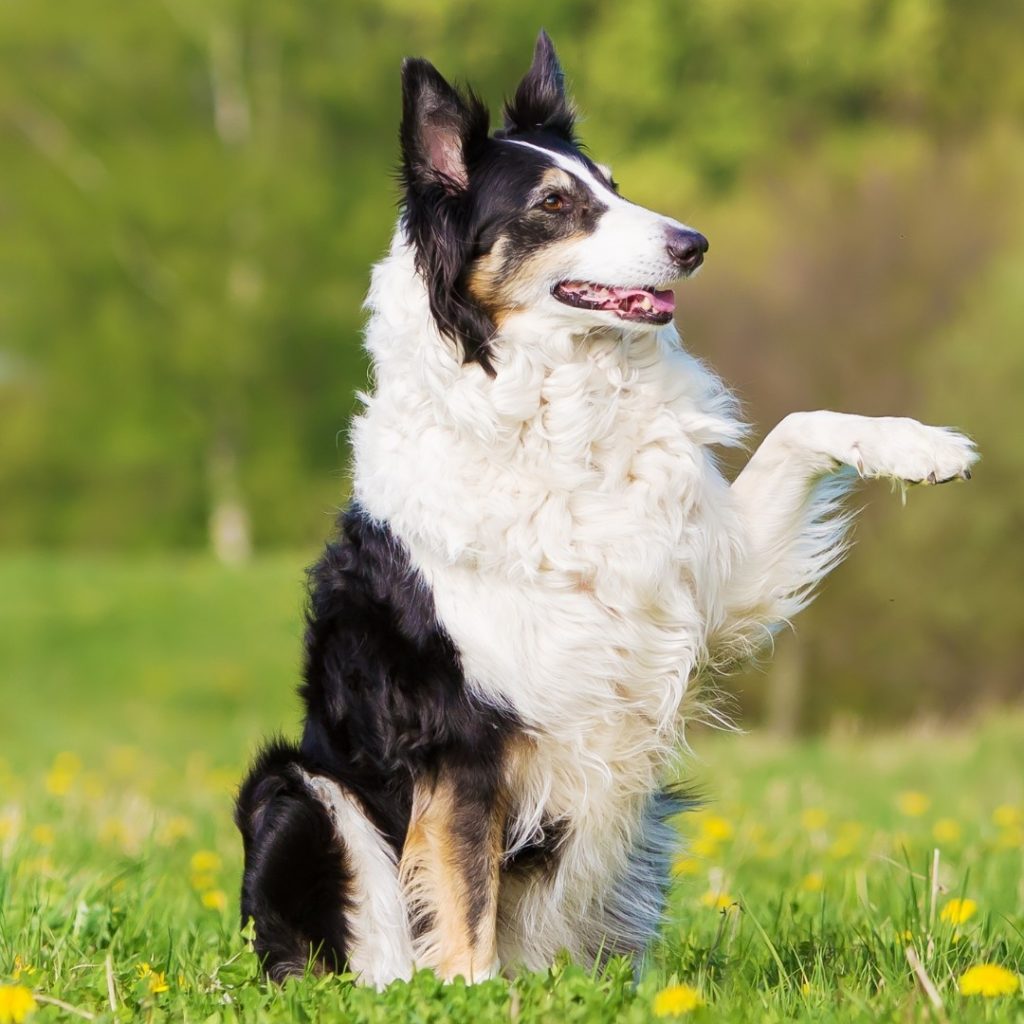
Now that you understand the benefits of teaching your dog tricks and have gathered the essential tools, it’s time to delve into the exciting world of dog training. The good news is that anyone can teach their dog fun tricks, even if you’re new to training. Starting with simple tricks can boost both your dog’s confidence and your training skills. From ‘sit’ to ‘shake,’ each step lays a solid foundation for more advanced tricks in the future.
Choosing the Right Trick
As a beginner, it’s vital to select a trick that aligns with your dog’s abilities and personality. Consider the following factors when making your choice:
- Dog’s Age: Puppies are usually exuberant and full of energy, making them ideal candidates for more engaging tricks like “spin” or “roll over.” Older dogs may prefer simpler tasks that cater to their experience, such as “sit” or “stay.”
- Energy Level: High-energy dogs may thrive with more physically demanding tricks, while calmer dogs could excel with tricks that require focus and patience, like “stay” or “come.”
- Existing Skills: Leverage any prior training your dog has undergone. For example, if your dog already knows “sit,” you can build on that by introducing “shake” in a seamless transition.
Establishing a Comfortable Training Environment
Setting the stage for effective dog training is crucial to your success. A distraction-free zone will help both you and your pup to concentrate better. Here are some tips for creating an excellent training environment:
- Quiet Area: Choose a spot in your home or yard away from loud noises, like traffic or other pets. This will help your dog focus and understand the tasks at hand.
- Consistent Timing: Select a time when your dog is alert and energetic, usually after a walk or playtime, so they’re more eager to participate in training sessions.
- Short Sessions: Keep training sessions brief—typically 5 to 10 minutes—to maintain your dog’s interest. Frequent short sessions are more beneficial than long, drawn-out ones, allowing your pet to absorb information without feeling overwhelmed.
With the right trick selected and your training environment optimized, you’re ready to embark on this rewarding journey of teaching your dog fun tricks. Remember that each dog is unique, and their learning methods may differ. Hence, remain adaptable and experiment with different techniques to discover what works best for your furry friend. In the next section, we’ll explore the step-by-step process of teaching your chosen trick, making sure you and your dog have a fantastic and fulfilling experience together.
Teaching your dog fun tricks can be an incredibly rewarding experience, not just for the dog but also for the owner. In this section, we will delve into the key techniques that can enhance your dog training journey. One of the most crucial aspects of teaching tricks is positive reinforcement. This involves rewarding your dog with treats, praise, or playtime every time they successfully perform a trick. Using quality treats that your dog finds particularly enticing will significantly increase their motivation to learn. Gradually phasing out treats as your dog becomes more proficient in performing a trick aids in transitioning them from dependence on rewards to simply obeying commands. This method solidifies their learning and strengthens your bond.Additionally, it is essential to incorporate patience and consistency in your training sessions. Dogs learn at their unique pace, and some might take longer to grasp certain tricks than others. Consistent teaching methods will create a routine that your dog can understand. For example, using the same command or hand signal for a trick will minimize confusion. Training sessions should be kept short yet engaging—around 5 to 10 minutes is recommended. This prevents fatigue and keeps your dog excited about learning.Another key technique to embrace is breaking down the trick into smaller, manageable steps. This gradual approach makes it easier for your dog to learn complex tricks. For instance, if you are teaching your dog to roll over, first teach them to lie down, then introduce the roll by guiding them with a treat. Once the initial moves are mastered, you can add in the full sequence.Practicing in varying environments aids in the retention of learned behaviors. Dogs are capable of translating commands across contexts, but exposing them to different settings while practicing can help solidify the trick in their minds. Incorporating distractions slowly will prepare your dog to execute tricks flawlessly, even when faced with new stimuli.In conclusion, using positive reinforcement, being patient and consistent, breaking down tricks into smaller tasks, and practicing in varied environments are critical steps to mastering dog tricks. These methods ensure not only efficient learning but also a strong connection between you and your furry friend.
Step-by-Step Guide to Teaching Tricks
With your training environment set and the right trick chosen, it’s time to dive into the step-by-step process of teaching your dog. Each trick may have its nuances, but the key principles of training remain consistent. Here we will outline a general approach that you can adapt based on your dog’s personality and the specific trick.
Step 1: Use Clear Commands
When teaching your dog a new trick, clarity is essential. Use a single, distinct command that is easy for your dog to recognize. For example, if teaching “shake,” avoid saying “shake hands” repeatedly, as this may confuse your dog. Instead, choose “shake” and use it consistently. You may also accompany the verbal command with a hand signal, which can assist your dog in understanding what you want.
Step 2: Demonstrate the Trick
Dogs are naturally observant creatures. To enhance their understanding, demonstrate the trick yourself before asking your dog to perform it. For instance, if you’re teaching “roll over,” first show your dog a visual cue by lying down and rolling over to prompt their interest. This will not only grab their attention but also help them visualize the intended action.
Step 3: Encourage and Reward
Positive reinforcement is a powerful tool in dog training. Use treats, praise, or a favorite toy to reward your dog for any effort made towards completing the trick. If your dog even slightly moves a paw while attempting to shake, immediately reward them! This helps to build a connection between their action and a positive outcome. As a dog trainer, your enthusiasm will greatly enhance your dog’s motivation.
Step 4: Break It Down
For more complex tricks, break the steps down into smaller components. Dogs can sometimes feel overwhelmed if they are asked to perform an entirely new behavior all at once. For example, when teaching “roll over,” first ensure your dog is comfortable lying down. Once that command is mastered, gradually encourage them to roll over by luring them with a treat over their shoulder. This method incorporates patience and enables your dog to grasp the entire process at their own pace.
Step 5: Practice, Practice, Practice
Repetition is key in dog training. Schedule regular practice sessions, gradually introducing variations once your dog masters the basic command. Encourage them to perform the trick in different settings and with varying distractions. This not only helps cement the learning but also prepares them for real-world situations. The more your dog practices, the more confident they will feel in their abilities.
Step 6: Stay Positive and Patient
Training should always be a positive experience for both you and your dog. If your canine companion seems frustrated or is not grasping the trick, consider taking a break. Patience is critical; every dog learns at their own pace. Celebrate their small victories, and remember that the journey of teaching and bonding is just as important as the trick itself.
As you move through these steps, keep in mind that each dog is unique in their learning style and ability. Adjust your approach as necessary, ensuring a fun and engaging training experience for both you and your furry friend. With perseverance and a touch of creativity, you will soon have a dog eager to show off their new tricks!
Conclusion
Teaching your dog fun tricks is not just about reinforcing good behavior; it’s an opportunity to strengthen the bond between you and your furry friend. The journey of training is as rewarding as the end result, filled with moments of laughter and shared joy. Throughout this guide, we’ve discussed essential strategies, including the significance of using clear commands, demonstrating tricks, encouraging with rewards, and practicing consistently. Each step plays a crucial role in making the learning experience both effective and enjoyable.
It’s important to remember that every dog is different, and some may learn at a quicker pace than others. As a trainer, flexibility and adaptability are key components in ensuring your dog feels comfortable and capable of learning. If your dog struggles or becomes frustrated, give them the space they need and adapt your methods to their unique style and preferences. Training is a two-way street; patience and positivity will foster a more harmonious and successful learning environment.
As you dive into teaching these tricks, don’t forget to celebrate the milestones, no matter how small. Each successful attempt boosts your dog’s confidence and reinforces your bond. So grab those treats, harness your creativity, and embark on this exciting adventure together. With time, practice, and affection, you will not only teach your dog impressive tricks but also create lasting memories that will bring joy to both of you for years to come. Happy training!