
The Importance of Socialization in Training Wild Dogs

The Importance of Socialization in Wild Dog Training
Socialization is a cornerstone of training for wild dogs, playing an essential role in their behavioral development and overall adaptability. The process of socialization not only influences the way these animals interact with each other but also significantly impacts their relationship with humans. Properly socialized wild dogs exhibit a range of behavioral improvements that facilitate a smoother transition into various environments.
Behavioral Development: One of the most significant benefits of socialization is the enhancement of social skills in wild dogs. Animals that are exposed to diverse stimuli and experiences from a young age are less likely to develop aggressive tendencies. Socialization helps accustom these dogs to the presence of new people, other animals, and different environments. For example, wild dogs introduced to safe, controlled groups of other dogs can learn important cues about body language and social hierarchy, thus decreasing the likelihood of future conflicts.
Enhanced Trust: Establishing trust is pivotal in the training of wild dogs. Through consistent and positive interactions during socialization, trainers can create a bond that fosters confidence. A trusting wild dog is more likely to engage in training exercises and respond positively to commands. This trust becomes crucial when working with potentially skittish or fearful individuals, allowing trainers to handle them more effectively. For instance, a wild dog that understands that humans are not threats can be guided more easily during rehabilitation efforts.
Improved Communication: Effective communication is fundamental in training wild dogs, and socialization plays a vital role in this aspect. Through social interactions, dogs learn to interpret vocalizations, gestures, and other signals from both their peers and their trainers. Such skills are especially important when considering the varied environments wild dogs may occupy. For instance, those being trained for conservation efforts, where they must work alongside humans to protect their habitats, must be adept at understanding and responding to human cues.
In the United States, the challenges faced by wild dog populations are numerous, including habitat loss, human-wildlife conflict, and fluctuating ecosystems. As urban development encroaches on natural territories, the need for socialized wild dogs becomes increasingly critical. Research indicates that wild dogs that receive structured socialization are better equipped to integrate into both wild and domestic environments. This adaptability not only enhances their survival chances but also aids conservationists in managing populations effectively.
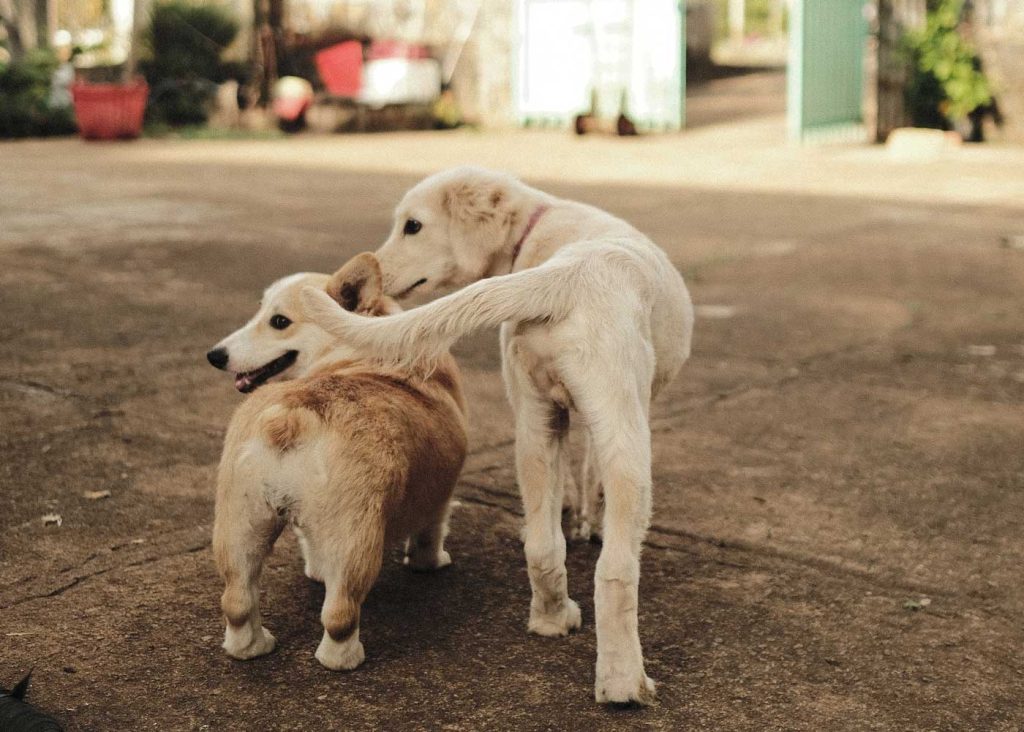
This exploration of socialization and its impacts sheds light on the transformative potential within wild dog training. Understanding how deliberate socialization techniques can shape behavior is not only pertinent for trainers but also serves to inform conservation strategies across the nation. As we dive deeper into these intricate dynamics, we uncover vital information that underscores the importance of fostering social bonds in wild dog populations.
Key Benefits of Socialization in Wild Dog Training
Socialization serves multiple critical functions in the training of wild dogs, establishing a foundation for their behavioral patterns and overall interactions. The process is far more than mere exposure; it is an intricate practice that can transform the lives of these animals, paving the way for effective rehabilitation and integration into both natural and human-driven environments.
Reduction of Aggressive Behaviors: Wild dogs, when left untrained or poorly socialized, can exhibit aggressive behaviors rooted in fear or insecurity. Through positive socialization experiences, trainers can significantly reduce such tendencies. By introducing wild dogs to various stimuli—including new sights, sounds, and social contexts—they become better acclimated to their surroundings. Educational institutions often employ structured playgroups where wild dogs can safely interact with other canines. This structured setting allows them to learn crucial skills, such as understanding social hierarchies and recognizing warning signals from peers, ultimately leading to a decline in aggression-related incidents.
Building Emotional Resilience: Emotional resilience is crucial for wild dogs that must navigate the complexities of both wild and human environments. Socialization provides early exposure to different experiences, effectively building a dog’s adaptability to unforeseen situations. This adaptability is not only beneficial for their mental health but is also essential for their survival skills. For example, dogs accustomed to various terrains and climates display greater resilience when facing challenges such as changes in habitat or contact with humans. A well-socialized wild dog is more likely to approach unfamiliar situations with confidence, enabling them to thrive in fluctuating environments.
Facilitating Human-Dog Relationships: Establishing a positive rapport between wild dogs and humans is a crucial aspect of socialization. This relationship can influence a wild dog’s willingness to cooperate and engage during training. Wild dogs that have been socialized effectively are often more open to human interaction, which is essential for efforts related to conservation and rehabilitation. When integrating wildlife into managed reserves or training programs, fostering a bond can mean the difference between a successful partnership and a strained interaction. In many cases, trainers report that wild dogs who have developed trust and relationship with humans are significantly more receptive to obedience training and other behavioral improvement exercises.
To support the socialization of wild dogs, various techniques can be employed, including:
- Structured play sessions with other dogs to enhance social skills.
- Positive reinforcement training to promote desired behaviors.
- Gradual exposure to new environments and people to build confidence.
- Involving experienced handlers in training sessions to ensure safety and proper guidance.
The implications of effective socialization are profound, as they extend far beyond the individual dog, impacting species survival and the balance of ecosystems. By recognizing the essential role of socialization in training wild dogs, we gain insights into achieving not just animal welfare, but also broader conservation goals that aim to protect these magnificent creatures within their natural habitats.
The Importance of Socialization in Training Wild Dogs
Socializing wild dogs is a crucial aspect of their training process, directly impacting their behavior and adaptability in both wild and domestic environments. Through proper socialization, these animals learn to navigate their surroundings, interact with humans and other species, and develop essential survival skills.One of the primary benefits of socialization is the reduction of aggression. Wild dogs, when exposed to various stimuli and diverse environments early in their lives, are less likely to display fearful or aggressive behaviors. This aspect is particularly important as it helps them build confidence and reduces the likelihood of dangerous confrontations with people or other animals.Moreover, socialization promotes mental stimulation. Engaging in various social experiences allows wild dogs to utilize their cognitive abilities, ultimately enhancing their problem-solving skills. For instance, interacting with different environments can challenge their instincts, pushing them to adapt and innovate in their responses. Such experiences not only enrich their lives but also prepare them for the complexities of their wild habitats.As wild dogs are trained to behave politely in social settings, they become more manageable and less troublesome as companions. This aspect of socialization is critical in areas where humans and wild animals share space. Safe interactions can lead to a harmonious coexistence, minimizing human-wildlife conflicts and fostering an environment of respect and understanding.To effectively socialize wild dogs, it is important to focus on incremental exposure to new experiences. Gradually introducing these dogs to various situations and environments can help reduce anxiety and build their confidence. Incorporating positive reinforcement techniques can further enhance the effectiveness of the training, ensuring that the wild dogs associate new experiences with positive outcomes.In conclusion, socialization serves as a cornerstone in training wild dogs, addressing behavioral issues, enhancing cognitive skills, and enabling safe cohabitation with humans. By investing time and effort into understanding the significance of socialization, trainers and caretakers can pave the way for healthier, happier, and more well-adjusted wild dog populations.
| Category | Benefits |
|---|---|
| Aggression Reduction | Training helps in lowering the likelihood of aggressive behaviors through early exposure. |
| Mental Stimulation | Cognitive challenges from socialization enhance problem-solving skills and adaptability. |
Enhancing Survival Skills Through Socialization
For wild dogs, socialization goes beyond behavior; it plays an integral role in honing their survival instincts. In the wild, these animals depend on their social structures and learned skills to hunt, navigate, and thrive. Successful socialization not only enhances their interactions with one another but also equips them with critical survival techniques that are essential for sustaining their population in the wild.
Collaborative Hunting Techniques: One of the most significant advantages of socialization is the enhancement of collaborative hunting skills. Wild dogs are pack animals and rely heavily on teamwork to take down prey. Through socialization experiences, they learn essential cues and tactics when working with their peers. For example, during training sessions, trainers can simulate hunting situations that encourage wild dogs to practice their coordination, communication, and strategy together. By participating in group activities, young wild dogs can absorb these tactics in a controlled environment, allowing for a more effective transfer of skills that are vital in the wild.
Habitat Navigation and Resource Awareness: Navigating diverse habitats requires a dog to develop spatial awareness and familiarity with various terrains. Socialization experiences that involve exposure to different environments—ranging from open fields to wooded areas and urban landscapes—allow wild dogs to learn about their surroundings effectively. By engaging with experienced pack members during these excursions, younger wild dogs absorb information about resource locations, seasonal changes, and potential threats. This learned knowledge becomes invaluable when they are reintroduced into the wild, significantly improving their chances of survival.
Strengthening the Pack Mentality: Socialization emphasizes the importance of the pack mentality, a critical aspect of wild dog behavior. Training that brings dogs together fosters a strong sense of community and belonging, which directly impacts their ability to work together. Through structured play and interaction, wild dogs not only learn to communicate but also understand the roles each member plays within their pack. This camaraderie is vital for establishing social bonds that facilitate cooperative behaviors, ensure effective communication during hunts, and enhance pack cohesion when faced with challenges.
Tracking Progress and Assessing Outcomes
To evaluate the effectiveness of socialization in wild dog training, various metrics can be applied. Trainers often monitor key behavioral changes, such as reduced stress levels, increased curiosity, and improved interactions within groups. Behavioral assessments can also create valuable benchmarks for gauging the development of skills relevant to survival, such as adaptability in different environments and the display of cooperative behaviors during training exercises. Data collected from these evaluations contributes significantly to ongoing training approaches and the improvement of socialization techniques.
Real-World Success Stories: Numerous conservation programs across the United States have showcased the benefits of socialization in wild dog training. For instance, organizations like the Canine Conservationists focus on training dogs to detect endangered species and monitor habitats. These programs not only emphasize the need for socialization but also highlight the importance of community involvement in promoting awareness and supporting conservation efforts. By training wild dogs in socialized settings, they enhance not only their skills but also contribute to the health of ecosystems and biodiversity.
The multifaceted benefits of socialization thus underpin its significance in wild dog training. As conservationists and trainers continue to recognize and incorporate these principles into their programs, they not only enhance the lives of individual dogs but the survival of the species as a whole.
Conclusion: Bridging Skills for a Sustainable Future
In conclusion, the significance of socialization in training wild dogs cannot be overstated. This critical process not only enhances their social skills and cooperative behaviors, but it also prepares them for the myriad challenges they will face in the wild. By focusing on collaborative hunting techniques, habitat navigation, and strengthening the pack mentality, trainers effectively equip wild dogs with the tools necessary for thriving in their natural environments.
Moreover, the ability to track progress and assess outcomes adds a rigor to training programs that ensures continual improvement and adaptation. The successful integration of socialization principles into training regimens has led to remarkable success stories across the United States, showcasing the potent combo of community involvement and conservation efforts. Just like the missions of the Canine Conservationists, these initiatives not only foster individual dog development but also contribute to broader ecological health.
As conservationists and dog trainers further embrace the importance of socialization, the potential for wild dogs to flourish in their habitats only increases. Emphasizing social bonds and pack dynamics ultimately creates stronger, more resilient populations, ensuring that these remarkable creatures can continue to thrive. To learn more about the practical applications and benefits of socialization in wild dog training, exploring ongoing projects and supporting wildlife conservation initiatives is essential for those passionate about animal welfare and environmental sustainability.