Tips for Preparing Your Home Before Adopting a Pet
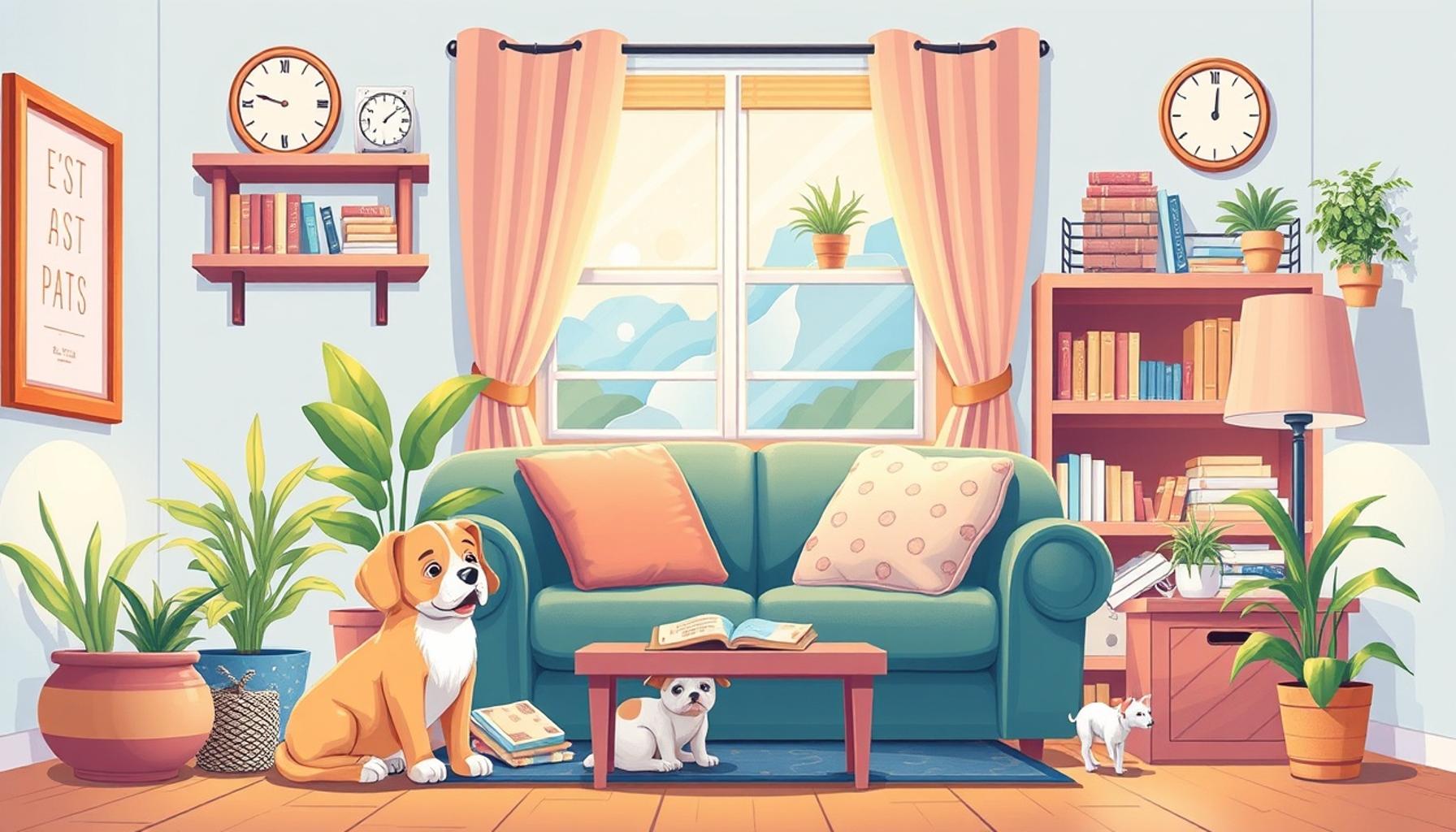
Prepare Your Home for a Furry Friend
Adopting a pet is an exciting adventure, representing a significant commitment to a new life that will touch your heart and home. However, to ensure a positive experience for both you and your new companion, it is crucial to prepare your environment thoughtfully. The love and companionship a pet offers can be remarkable, yet the transition can be challenging if your home is not adequately ready. Here are several key areas to focus on when preparing your living space for a furry friend.
Safety: Ensure your environment is a haven by removing any hazardous substances. For instance, common household items that are toxic to pets include certain plants like lilies and oleander, as well as cleaning products containing bleach or ammonia. It’s advisable to secure all chemicals in cabinets that are out of reach. Furthermore, child-proof latches can be beneficial if you have a particularly curious pet. Conducting a thorough sweep for potential dangers, such as loose electrical cords or small objects that could be swallowed, is an essential step in creating a secure atmosphere.
Space: Designating a comfortable area for your pet to relax and sleep is vital. Whether you are adopting a dog that enjoys sprawling out on the floor or a cat that prefers a high perch, understanding their preferred resting spots is essential. Consider incorporating soft bedding, a crate for dogs, or a cozy cat tree for feline friends. This area should be quiet, away from foot traffic and commotion, providing your pet a sanctuary to retreat to when they need downtime.
Supplies: Gathering the necessary items is pivotal to enhancing your pet’s comfort and happiness. Invest in quality food and water bowls, making sure they are the appropriate size for your pet. For dogs, sturdy toys that can withstand their chewing can prevent boredom and promote healthy chewing habits. For cats, interactive toys that stimulate mental engagement and physical activity are equally important. Additionally, consider acquiring grooming tools, as different breeds may require specific care routines to maintain their health and appearance.
Understanding your pet’s unique needs is crucial to providing a harmonious living situation. For instance, dogs typically need outdoor space for walks and playtime, while cats may thrive in smaller quarters with vertical spaces to explore. By tailoring your home to accommodate these differences, you are setting the stage for a smoother transition for both you and your new furry friend. It is also essential to gradually introduce them to various areas of your home to prevent overwhelming them.
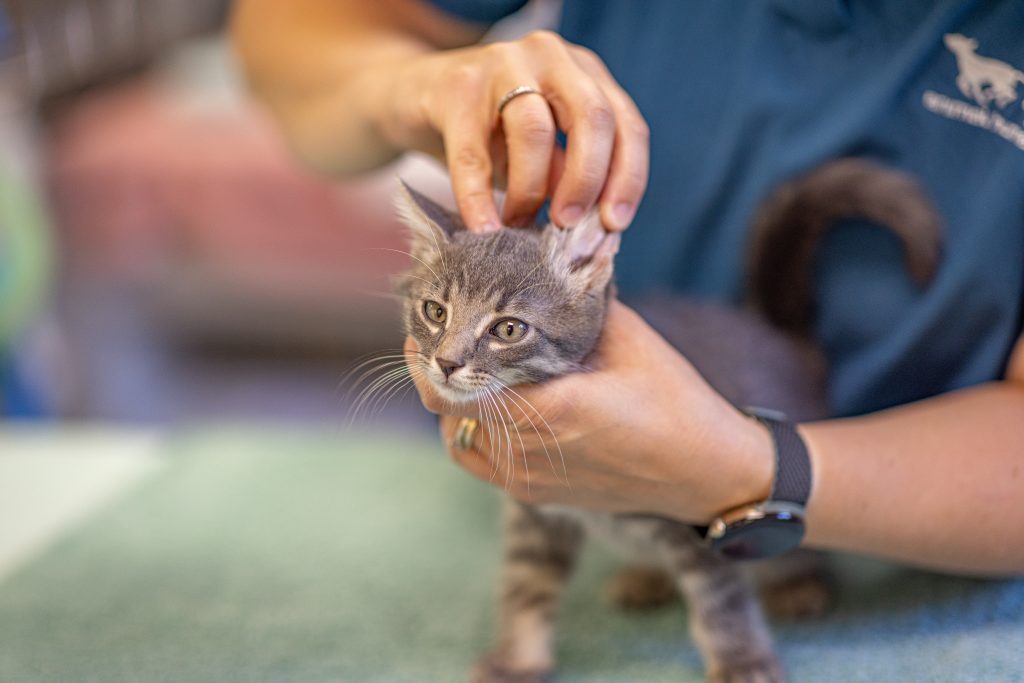
Moreover, teaching household rules and setting boundaries early on will help your pet adjust more easily. For example, establishing where they are and are not allowed to go, along with consistent feeding schedules, creates a sense of stability. Additionally, early training classes can augment their learning and help strengthen your bond. Being proactive will not only enhance your pet’s comfort but will also enrich your shared life together.
Ready to get started? Understanding these steps and committing to the process of preparing your home will set you and your furry friend up for success. By taking the time to create a warm, welcoming space, you will foster a lasting relationship built on trust and love.
Creating a Safe and Welcoming Environment
As you embark on the journey of adopting a pet, ensuring that your home is a secure and inviting space is essential. This not only makes your new furry friend feel at ease but also minimizes potential hazards that could arise. One key focus area is to identify and eliminate any items that might pose a risk to your pet’s health and safety.
Identify Hazardous Items: It’s important to thoroughly audit your home for potential dangers. Here are some common household items that can be harmful to pets:
- Toxic plants: Many houseplants can be poisonous to pets, including philodendrons, pothos, and sago palms. Consider replacing these with pet-friendly alternatives like spider plants or Boston ferns.
- Cleansing agents: Household cleaning products often contain chemicals that can cause serious harm if ingested. Store these items in locked cabinets or high places to protect your curious companions.
- Electrics and cords: Loose electrical cords can be tempting chew toys for pets. Use cord protectors or zip ties to keep them neat and secure, minimizing the risk of electric shocks.
- Small objects: Items like coins, buttons, and paper clips can easily be swallowed. Keeping small items out of reach will help prevent choking hazards.
Furniture and Layout: Beyond safety, reassessing your home’s layout is vital for accommodating your new pet. Dogs, especially, need adequate space to move around and play. Consider these adjustments:
- Designate a pet-friendly zone: Create a dedicated play area using baby gates or exercise pens to prevent pets from accessing hazardous places.
- Rearrange furniture: Ensure that furniture is positioned in a way that leaves pathways clear for your pet to navigate, making their movement within the space easy and safe.
- Accessorize with pet-friendly décor: Opt for furniture that is easy to clean and resistant to wear, recognizing that pets can be hard on household items.
Setting Up a Pet Station: Establishing a designated space for feeding, grooming, and other daily tasks will streamline your routine and help your new pet acclimate. Stock this area with:
- Feeding essentials: Invest in high-quality food and water bowls that are appropriate for your pet’s size.
- Grooming supplies: Depending on the breed, grooming needs may vary, so having brushes, nail clippers, and shampoos on hand will be advantageous.
- Comfort items: Include favorite toys, blankets, and anything else that can provide familiarity and comfort, helping your pet settle into their new surroundings.
Preparing your home with these considerations not only enhances your pet’s comfort but also reduces stress during the transition. Taking the time to create a safe and organized environment establishes a sense of stability, allowing your new furry companion to feel secure and loved from the very start. Remember, a well-prepared home sets the foundation for a harmonious relationship between you and your future pet.
What to Do Before Bringing a Pet Home
Adopting a pet is a joyous occasion, but it requires careful preparation to ensure a smooth transition for both you and your new furry friend. Here are some essential tips for preparing your home before adopting a pet:
| Category | Description |
|---|---|
| Home Safety | Secure hazardous items, such as cleaning supplies and electrical cords, to create a safe environment. |
| Designated Space | Prepare a cozy area for your new pet with their bed, toys, and food/water bowls. |
| Pet-proofing | Remove fragile items, and secure furniture or décor that pets may knock over or chew on. |
| Routine Establishment | Plan a daily schedule for feeding, walks, and playtime to help your pet adjust. |
By following these tips for preparing your home before adopting a pet, you can create a welcoming atmosphere that encourages your new pet to feel comfortable and safe. These steps not only ensure your pet’s safety and happiness, but they also help to strengthen the bond between you and your new companion. Remember, a well-prepared home is the foundation for a joyful life together!
Preparing for Specific Pet Needs
Adopting a pet goes beyond just creating a cozy spot in your home. Each type of animal brings distinct needs and characteristics, so it’s crucial to tailor your preparations accordingly. Whether you’re welcoming a dog, cat, or other pet, here are essential considerations that can enhance your home environment.
Understanding Dog Requirements
When preparing for a dog, recognizing their unique behavioral traits is critical. Dogs thrive in environments that accommodate their need for exercise and mental stimulation.
- Exercise space: Ensure your home features sufficient outdoor space for activities like fetching or running. If you live in an apartment, consider nearby parks where your dog can let loose. A yard can act as a doggie playground, but if it lacks secure fencing, be prepared to supervise outdoor play.
- Daily routine: Establishing a consistent schedule for feeding, walks, and playtime will help your dog adjust to their new home. Dogs are creatures of habit, and a predictable routine can reduce anxiety.
- Training tools: Invest in training supplies such as leashes, collars, and rewarded-based training treats. Building a healthy bond through training fosters good behavior and enhances communication.
Creating a Cat-Friendly Space
Cat adoption comes with its own set of challenges. Unlike dogs, cats are often more independent and require different environmental adjustments.
- Vertical space: Cats love to climb and explore up high, so providing cat trees or shelves can enrich their environment. This can also help prevent scratching on furniture, giving them designated areas for climbing.
- Hiding spots: Cats appreciate having safe places to retreat, so ensure there are cozy hideaways like blankets or cat condos where they can feel secure.
- Multiple litter boxes: For households with multiple cats, the general guideline is to have one litter box for each cat, plus one extra. Be sure to place them in quiet, accessible areas that encourage use.
Accommodating Other Pets
If you’re considering adopting small animals such as rabbits, guinea pigs, or birds, it’s vital to tailor your living space to meet their specific requirements.
- Secure enclosures: Ensure that your small pets have well-constructed enclosures that allow them to move safely around their living quarters. Adequate space to roam is essential for their well-being.
- Environmental enrichment: Provide toys, tunnels, and interactive elements that engage their curiosity. This stimulates their mental health and helps combat boredom.
- Safe areas: If permitted, designate an area where these smaller pets can explore under supervision. Be cautious to protect them from potential predators, such as household cats.
Finally, consider potential allergens in your home, especially if you have family members with sensitivities. Adopt hypoallergenic options if necessary and commit to regular cleaning to minimize dander and pet hair.
By thoughtfully addressing the specific needs of the pet you wish to adopt, you lay the groundwork for a happy coexistence. Preparing not just the physical space but also considering their behavioral and emotional well-being encourages a smoother transition for your new companion.
Conclusion: Creating a Welcoming Environment for Your New Pet
Preparing your home for a new pet is an essential step that can significantly impact the success of your adoption journey. By carefully considering the specific needs and characteristics of your future furry, feathery, or scaly friend, you can create a nurturing environment that promotes their well-being and happiness.
From establishing a safe and engaging living space tailored to the type of pet you’re adopting, such as designating exercise areas for dogs or providing vertical climbing spaces for cats, every detail counts. Moreover, setting up a consistent daily routine and ensuring access to proper resources, like litter boxes for cats or enclosures for small animals, not only caters to their needs but also fosters a sense of security and belonging in their new home.
Additionally, staying proactive about allergens and committing to regular cleaning can create a healthier atmosphere for both your family and your new companion. Engaging in research about the specific behaviors and requirements of your future pet can further prepare you for the adventure ahead.
Ultimately, creating a welcoming environment before you bring your pet home can ease their transition and strengthen the bond that develops over time. With enthusiasm and care, you’ll not just find a pet to adopt, but you will gain a loyal family member. As you embark on this fulfilling journey, remember that the love and commitment you provide will return tenfold, enriching both your life and that of your new furry friend.