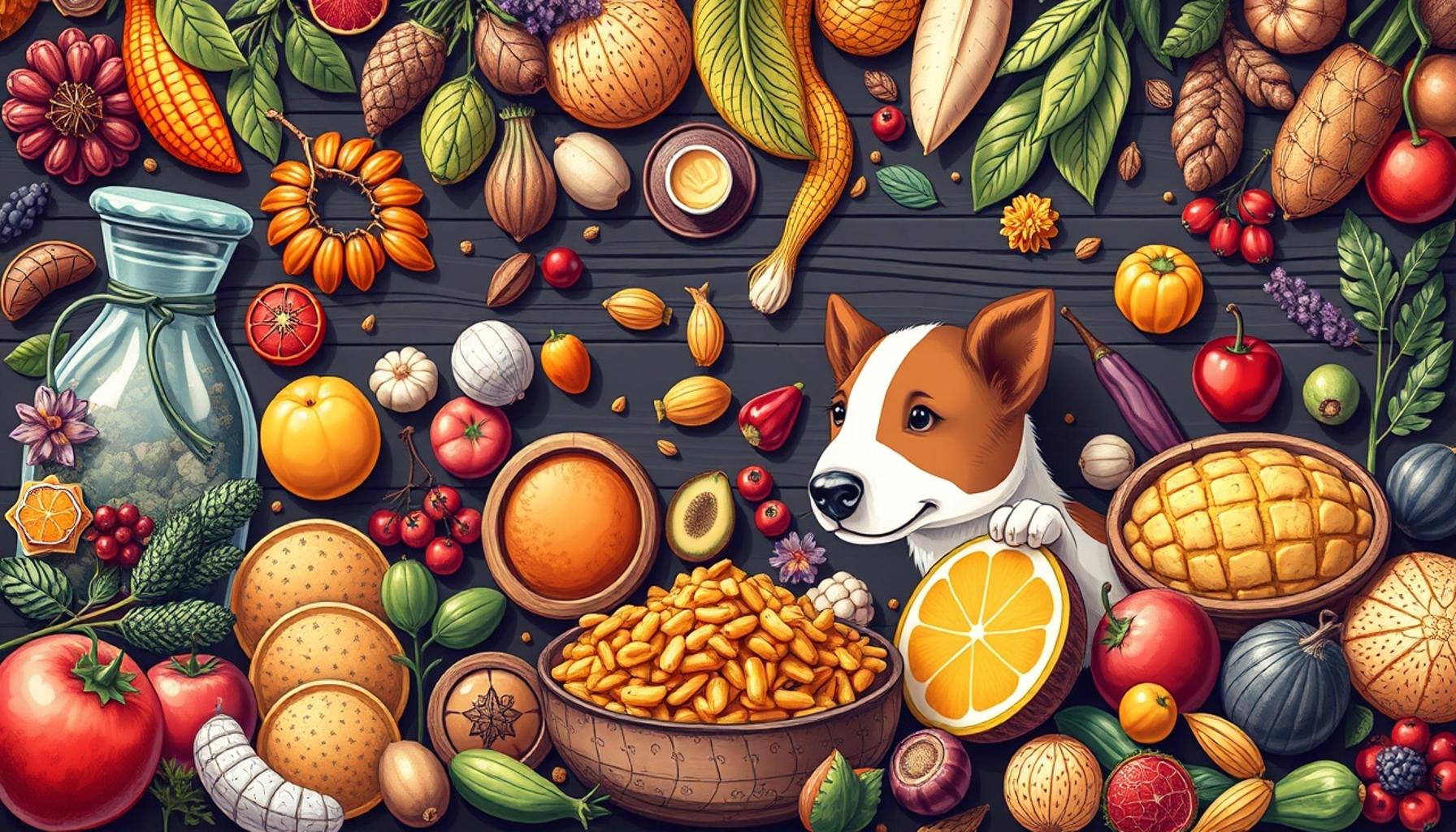
The Importance of Balanced Nutrition for Dog Health
The Importance of a Well-Rounded Diet
For pet owners, ensuring a healthy diet for their furry companions is essential. A balanced nutrition plan is critical for promoting optimal dog health and well-being. With the right dietary approach, you can help your dog thrive at every stage of life, from playful puppies to wise senior dogs seeking comfort and ease.
What comprises balanced nutrition for dogs? Consider the following key components as essential for a nutrition plan:
- Proteins: Vital for muscle repair and overall growth, proteins are the building blocks of your dog’s body. High-quality protein sources include lean meats such as chicken, beef, and fish. Additions like eggs and legumes also contribute to protein intake. A dog with a protein-rich diet is more likely to have strong muscles and better recovery from injuries.
- Carbohydrates: Provide energy and support digestive health. Whole grains such as brown rice and oatmeal, as well as vegetables like sweet potatoes, are excellent sources of carbohydrates that can fuel your dog’s daily activities while also being gentle on their digestive system.
- Fats: Essential for skin health and a shiny coat, healthy fats contribute to overall health. Omega-3 and Omega-6 fatty acids found in fish oil and flaxseed are particularly beneficial in promoting a healthy coat and reducing skin sensitivity.
- Vitamins and Minerals: Crucial for immune function and metabolic processes, vitamins such as A, D, and E, along with minerals like calcium and phosphorus, play vital roles in bone health and organ function. Leafy greens and certain fruits can provide these essential nutrients.
Research indicates that dogs fed a well-balanced diet tend to live longer, healthier lives. In fact, a study from the American Kennel Club shows that dogs receiving optimal nutrition experience fewer health issues, such as obesity and heart disease. A well-balanced diet not only helps maintain a healthy weight but also supports longevity and vitality.
Tailoring Nutrition to Individual Needs
As we delve deeper into the importance of balanced nutrition, keep in mind that each dog has unique dietary needs based on factors such as age, breed, and activity level. A high-energy puppy will have different nutritional requirements than an elderly dog dealing with joint issues. For example, an active breed like a Labrador Retriever may require more protein and calories than a smaller, less active breed like a Chihuahua.
Understanding these requirements will empower you to make informed decisions about your pet’s meals. Consult your veterinarian to create a customized meal plan that factors in your dog’s specific health history and lifestyle. Such professional guidance can ensure that you are providing the best possible nutrition, leading to a happier and healthier life for your beloved pet.

Understanding Nutritional Components
Balanced nutrition is not merely a recommendation; it is a fundamental necessity for maintaining the health and vitality of dogs. Dogs, much like humans, require a variety of nutrients to function optimally. A well-balanced diet incorporates multiple food groups that contribute to a dog’s overall health, supporting everything from their reproductive capabilities to their cognitive functions. Here, we explore the key nutritional components necessary for a dog’s diet and how they affect overall well-being.
The Role of Proteins
As one of the most critical building blocks of life, proteins are indispensable in a dog’s diet. Proteins are primarily responsible for the development and repair of muscle tissues. A diet featuring high-quality protein sources like chicken, turkey, beef, and fish not only promotes muscle growth but also aids in recovery from injuries. Research shows that dogs receiving adequate protein are less prone to muscle-related issues and maintain healthier body weights. It is important to choose protein-rich options that are free of additives and grains to ensure your dog reaps the maximum benefits.
Harnessing the Power of Carbohydrates
Many pet owners overlook carbohydrates, dismissing them as unnecessary fillers in dog food. However, carbs play an essential role in providing the energy dogs need for their active lives. Whole grains like brown rice and oatmeal offer digestible sources of energy, while vegetables such as sweet potatoes and peas provide fiber to support digestive health. A balanced carbohydrate intake can stabilize energy levels, helping to avert mood swings and hyperactivity commonly seen in undernourished pets.
The Importance of Healthy Fats
Fats are another vital ingredient in a dog’s diet, contributing to overall health in several ways. Not only do fats provide a concentrated source of energy, but they also are crucial for skin health and a shiny coat. Fatty acids, particularly Omega-3 and Omega-6, promote healthy skin and can reduce itching and skin sensitivity. Sources such as fish oil, flaxseed, and certain plant oils are invaluable in achieving a balanced diet, helping to keep your dog’s skin and coat flourishing.
Essential Vitamins and Minerals
Vitamins and minerals also play pivotal roles in a dog’s overall health. These nutrients contribute to numerous functions, including immune system support and metabolic processes. For instance, Vitamin D helps with calcium absorption, critical for strong bones, while antioxidants like Vitamin E and beta-carotene support immune function and protect against cellular damage. Including a variety of fruits and vegetables in the diet can naturally provide these essential nutrients.
A study published in the Journal of Animal Science found that dogs receiving a balanced diet, which included all these key components, showed a marked improvement in overall health and a decrease in chronic diseases as they aged. This emphasizes the significance of providing your dog with a varied and nutrient-dense diet that meets their specific needs. Proper nutrition lays down the groundwork for a longer, healthier life for your canine companions.
| Advantages | Explanation |
|---|---|
| Weight Management | A balanced diet helps maintain a healthy weight, reducing the risk of obesity-related conditions in dogs. |
| Enhanced Energy Levels | Proper nutrition fuels your dog’s daily activities, contributing to overall vitality and well-being. |
| Stronger Immunity | A diet rich in essential nutrients boosts the immune system, helping dogs fight off illnesses more effectively. |
| Improved Coat and Skin Health | Balanced nutrition promotes a lustrous coat and healthy skin, preventing issues like dryness and excessive shedding. |
The importance of balanced nutrition for dog health cannot be overstated. It directly impacts not only their physical health but also their emotional well-being. For instance, dogs that receive the appropriate mix of carbohydrates, proteins, fats, vitamins, and minerals are less likely to exhibit behavioral issues and are often more sociable with pets and people alike.Additionally, providing dogs with high-quality ingredients fosters a healthy digestive system, reducing the likelihood of gastrointestinal problems. Engaging in meal preparations that consider specific dietary needs for various breeds enhances the overall effectiveness of nutritional choices. For dog owners, being informed about the intricacies of canine nutrition equips them to make better dietary decisions that contribute to longevity and happiness in their furry companions, making it essential to explore brands that provide transparency regarding ingredient sourcing and nutritional analysis.
The Impact of Nutrition on Longevity and Quality of Life
Ensuring that your dog receives balanced nutrition is not just about meeting daily energy needs; it significantly influences their longevity and overall quality of life. A well-rounded diet tailored to your dog’s specific requirements can help mitigate the risk of age-related diseases, contributing to a longer, happier lifespan. As pet owners become increasingly aware of this, many are seeking ways to better cater to their furry friends’ dietary needs.
The Connection Between Diet and Disease Prevention
Research illustrates a strong correlation between nutritional balance and disease prevention in dogs. Items found in conventional dog foods, such as additives and preservatives, can have negative long-term effects on health. For instance, the AFCO (Association of American Feed Control Officials) encourages careful evaluation of ingredients; foods high in artificial fillers are linked to obesity and related health concerns, including diabetes and heart disease. Conversely, opting for natural diets rich in fresh ingredients can lead to substantial health benefits, including reduced risk for these chronic illnesses.
Tailoring Nutrition to Life Stages
It is vital to recognize that the nutritional needs of dogs evolve as they progress through different life stages. Puppies, adult dogs, and seniors all have unique dietary requirements. For instance, puppies need higher amounts of protein and calories to support their rapid growth and development, while senior dogs benefit from diets that help maintain weight and support joint health. Nutritional adjustments to cater to these stages can also involve the inclusion of supplements, such as glucosamine for joint health or probiotics for digestive well-being, further enhancing overall health and wellness.
The Psychological Aspects of Feeding
Interestingly, balanced nutrition extends beyond physical health; it also plays a crucial role in a dog’s psychological well-being. Dogs can experience emotional stress, particularly in multi-pet households or when introduced to new environments. Nutritional components such as Omega-3 fatty acids are shown to have anti-inflammatory properties and can aid in reducing anxiety. Additionally, certain vitamins and minerals contribute to brain health and cognitive function, potentially diminishing the chances of conditions like canine cognitive dysfunction.
The Growing Trend of Tailored Nutrition
One burgeoning trend in the pet industry is the shift towards tailored nutrition, where services offer customized meal plans based on a dog’s health status, breed, age, and activity level. A survey conducted by the American Pet Products Association (APPA) indicates that many pet owners are willing to invest in premium pet foods, opting for brands that highlight nutrition as a priority. This shift is encouraging manufacturers to innovate in creating recipes that cater to diverse dietary needs while raising awareness among dog owners regarding the importance of nutritional choices.
Ultimately, investing time and resources in understanding and providing balanced nutrition will pay dividends in the form of a healthier, more vibrant, and longer life for your dog. By emphasizing the value of proper dietary components, pet owners can ensure that their canine companions enjoy a fulfilling life enriched by optimal health and well-being. As these trends continue to evolve, it becomes increasingly important for dog owners to stay enlightened about what truly constitutes a balanced diet for their beloved pets.
Conclusion
In conclusion, understanding the importance of balanced nutrition is essential for ensuring the health and happiness of our canine companions. From early puppyhood to their golden years, a well-structured diet tailored to their specific needs can significantly influence not only their physical health but also their emotional and psychological well-being. Pet owners who prioritize high-quality, nutrient-rich foods are not just prolonging their dogs’ lives; they are enhancing every moment of their quality of life.
The data suggests that a natural diet, free from harmful additives and rich in essential nutrients, can effectively prevent many chronic diseases prevalent in dogs today. Moreover, the shift towards tailored nutrition reflects a growing awareness among pet owners about making informed choices for their pets. By focusing on quality ingredients, life-stage appropriateness, and holistic health considerations, dog owners can pave the way for a vibrant future together.
As the pet food industry continues to evolve, it is crucial for dog owners in the United States to stay informed about available options, cutting through the marketing noise to find what truly serves their pets’ nutritional needs. Engaging with veterinarians and canine nutrition specialists can offer insights into the best practices for feeding, ensuring that our four-legged friends lead long, healthy, and fulfilling lives. Ultimately, a commitment to balanced nutrition translates into a bond enriched by the joy of shared adventures and companionship, underscoring the profound impact our dietary choices have on our dogs’ lives.