The Importance of Socialization in Puppy Training

Why Socialization is Crucial in Puppy Training
Welcoming a puppy into your home is an exciting adventure, filled with tail wags and playful antics. However, along with the joy of having a new furry friend comes the profound responsibility of ensuring that your puppy grows up to be a well-adjusted and sociable dog. One of the pivotal steps in achieving this is socialization.
Socialization refers to the process of exposing your puppy to a rich variety of people, environments, and experiences. This exposure significantly shapes your puppy’s behavior and temperament, directly impacting their interactions throughout their lives. As puppies begin to explore their world, it’s essential to facilitate positive experiences that will help them develop into confident companions.
Building Confidence through Socialization
One of the fundamental aspects of socialization is its ability to create a confident dog. A puppy that is well-socialized will feel at ease in different situations, whether encountering new people or exploring unfamiliar settings. For example, inviting friends over to meet your puppy and taking them on outings to parks can foster a sense of security and confidence. In contrast, a lack of socialization may result in fearfulness and anxiety, especially around unfamiliar sights or sounds.
Reducing Fear and Anxiety
Another significant advantage of socialization is its capacity to reduce fear and anxiety in diverse situations. Puppies that have not been adequately socialized may develop fear-based behaviors, such as barking, growling, or even aggression towards unfamiliar stimuli. In the United States, where city environments can be loud and bustling, it is essential to expose your puppy to various sounds, like traffic noise, construction, and pet-friendly events. Gradually introducing these experiences in a controlled manner can significantly diminish panic responses in your puppy.
Preventing Behavioral Issues
Furthermore, socialization plays a crucial role in preventing behavioral problems later in life. By actively engaging your puppy in positive interactions with other dogs and meeting various people—from children to the elderly—you create a foundation for friendly and adaptable adult behavior. For instance, visiting dog parks or enrolling in puppy training classes can enhance your dog’s social skills, promoting better interactions as they grow.
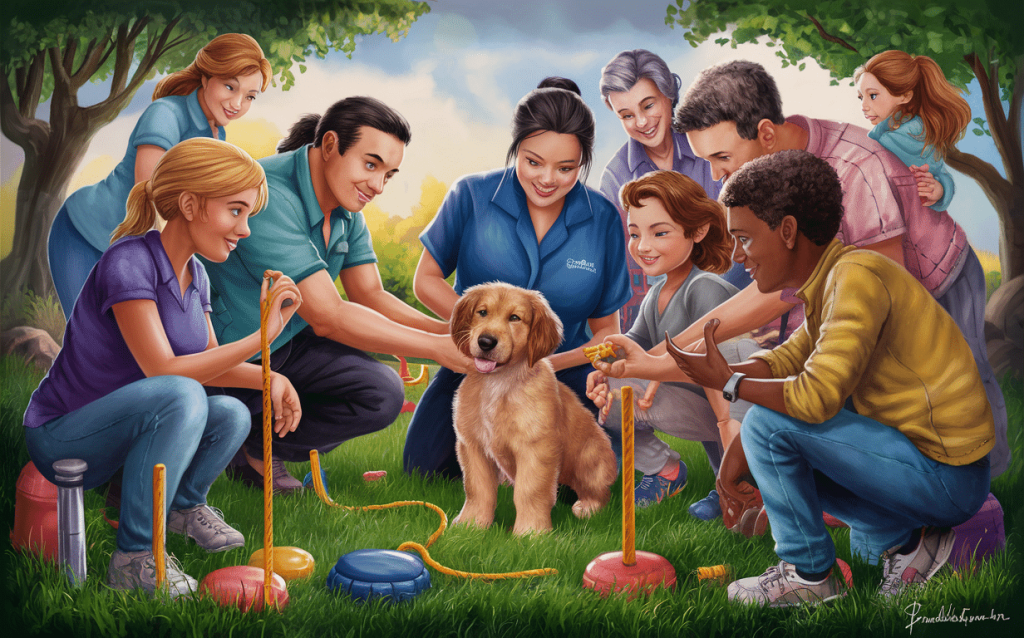
In the United States, the first three months of a puppy’s life are especially important for socialization. Research indicates that this period, often referred to as the critical development stage, is when puppies are most receptive to learning about their surroundings. Therefore, pet owners should take advantage of this window by immersing their puppies in a variety of positive experiences, thus laying the groundwork for a well-rounded adult dog.
Ultimately, a well-socialized puppy poses fewer challenges for dog owners, leading to more enjoyable companionships and healthier relationships within communities. Understanding the essential role of socialization in puppy training lays the groundwork for mastering this vital process. By investing time and energy into properly socializing your puppy, you are not just preparing them for individual success but contributing to a thriving pet community as a whole.
The Benefits of Early Socialization for Your Puppy
When considering the importance of socialization in puppy training, it’s essential to grasp the multiple benefits that come from introducing your puppy to various experiences during their formative weeks. While many dog owners may focus solely on obedience training, neglecting socialization can lead to long-term challenges. Understanding why early socialization is crucial can help pave the way for a happier, healthier dog.
Creating a Well-Balanced Temperament
Socialization plays a pivotal role in shaping a puppy’s temperament. Exposure to different environments, people, and other animals allows your puppy to learn appropriate behaviors. This exposure helps develop a more balanced personality, equipping them to adapt swiftly to new situations. A well-socialized puppy is typically more relaxed, friendly, and open to interacting with various stimuli, contributing to a positive canine experience.
Key Experiences for Effective Socialization
To maximize the benefits of socialization, it’s vital to introduce your puppy to a range of experiences. Here are some crucial components to include:
- People: Engage your puppy with various people of different ages, genders, and appearances. Consider inviting friends or family members to meet your puppy and encourage gentle interactions.
- Other Dogs: Allow your puppy to socialize with well-behaved dogs in controlled environments. Puppy classes or dog parks provide excellent opportunities for positive canine interactions.
- Sounds: Safely expose your puppy to everyday sounds, such as car horns, vacuum cleaners, and loud music. This can help prevent future fears associated with these noises.
- Environments: Take your puppy on outings to various locations like local parks, busy streets, or pet stores. The variety of environments helps your puppy become adaptable and resilient.
The Long-Term Impact of Neglecting Socialization
Failing to socialize your puppy adequately can lead to a host of behavioral problems in the long run. Dogs that lack socialization may exhibit signs of fear, aggression, or anxiety in unfamiliar situations. These behaviors can adversely affect the bond between owner and pet, leading to potential struggles in daily interactions. Moreover, un-socialized dogs can become problematic in community settings, leading to increased tension with other pets and owners and sometimes even restrictions on public outings.
In the United States, where diverse neighborhoods and social settings are commonplace, a well-socialized dog not only enhances the owner’s experience but also ensures smoother interactions within the community. As pet owners invest time in socializing their puppies, they contribute to reducing behavioral issues that can cause distress for both owners and dogs alike.
Understanding the long-lasting effects of early socialization and engaging in purposeful experiences lays the groundwork for a confident, well-adjusted adult dog. As we delve deeper into the specific practices of achieving effective socialization, knowing its importance can inspire owners to take proactive steps for the benefit of their puppy’s future.
The Importance of Socialization in Puppy Training
Socialization is a critical element in the journey of puppy training, playing an essential role in shaping well-adjusted adult dogs. It involves exposing your puppy to a variety of people, environments, and experiences from an early age, ensuring that they grow up to be confident and sociable. This process significantly reduces behavioral issues often seen in unsocialized dogs, such as aggression or fearfulness.One fundamental aspect of socialization is its impact on a puppy’s development of good behavior. Puppies that are well-socialized tend to have a strong foundation for learning basic commands and responding well to discipline. They are generally more adaptable and resilient, making them less likely to become anxious or stressed in new situations.Moreover, socialization fosters positive interactions with other dogs and animals. It is crucial for puppies to learn proper canine etiquette, which includes understanding body language and play styles. This knowledge helps to create harmonious relationships with other dogs throughout their lives, ultimately leading to safer and more enjoyable interactions during walks or visits to dog parks.To further emphasize the significance of socialization, consider the critical windows of opportunity. Most puppies are highly receptive to new experiences between the ages of 3 to 14 weeks. This window is prime for exposing them to various stimuli without overwhelming them, ensuring that their first encounters are positive.In addition, failure to socialize a puppy can work against all the training efforts made. An unsocialized dog is often more prone to develop anxiety-related issues when faced with unfamiliar situations, making them less reliable companions. Therefore, investing time in quality socialization experiences not only enriches the puppy’s life but also enhances the bond between owner and pet.For all these reasons, the importance of socialization in puppy training cannot be overstated. It offers a solid foundation for lifelong good behavior, emotional wellbeing, and a joyful companionship with your furry friend.
| Advantage | Description |
|---|---|
| Improved Behavior | Puppies that are well-socialized exhibit better behavior and respond more positively to training. |
| Confidence Building | Socialization helps puppies become confident adults who can handle new experiences without fear. |
Effective Techniques for Enhancing Puppy Socialization
To fully harness the benefits of socialization, puppy owners must adopt effective techniques tailored to their dogs’ developmental stages. Implementing a range of strategies not only enriches the experiences for the pup but also fosters a deeper bond between pet and owner. Here are some proven techniques to enhance your puppy’s socialization process.
Utilizing Puppy Classes
Puppy classes are a popular and valuable resource for socialization. These structured environments allow puppies to interact with one another under the supervision of experienced trainers. Not only do these classes teach essential obedience skills, but they also expose puppies to different scents, sounds, and movements that are indicative of social settings. Research has shown that puppies who attend socialization classes are significantly less likely to develop behavioral problems later in life. This early exposure creates a groundwork of positive experiences, ensuring that your puppy grows into a well-adjusted adult dog.
Incorporating Positive Reinforcement Techniques
When introducing new experiences to your puppy, it’s critical to adopt positive reinforcement techniques. Rewarding your puppy with treats, praise, or playtime when they successfully navigate a new social interaction can bolster their confidence. This approach reinforces the idea that socializing is a positive endeavor. Observational studies suggest that dogs trained with positive reinforcement exhibit fewer signs of fear and anxiety compared to those trained with aversive methods. This makes the process not just effective but also enjoyable for both the dog and owner.
The Importance of Gradual Exposure
Gradually exposing your puppy to various stimuli is another essential practice for effective socialization. Instead of overwhelming them with an array of new experiences, start small and gradually increase the intensity and variety. For instance, when introducing your puppy to other dogs, begin with calm and friendly individuals before progressing to more boisterous playmates. This measured approach allows puppies to build their resilience and confidence, significantly reducing the chance of negative reactions.
Host Playdates and Social Gatherings
Creating opportunities for your puppy to play with other dogs in a safe environment is crucial for socialization. Organizing playdates with friends or family members who possess well-socialized dogs can provide a relaxed atmosphere for your puppy to explore their social instincts. Alternatively, attending local dog-friendly events or puppy meet-ups can further broaden your puppy’s social experiences. According to various dog trainers, consistent interaction with other dogs and people during critical developmental periods prevents behavioral issues and fosters healthy social habits.
Recognizing the Signs of Stress
Being mindful of your puppy’s stress signals during socialization activities is critical to their development. Signs such as raised hackles, tucked tails, or reluctance to engage indicate that your puppy may feel overwhelmed. Owners should be prepared to remove their puppy from uncomfortable situations and end socialization sessions on a positive note to maintain their enthusiasm for future encounters. Understanding your puppy’s comfort levels and learning how to ease their fears can make a substantial difference in their overall socialization journey.
As pet owners harness these practical techniques and insights, they contribute significantly to their puppies’ long-term social well-being. By integrating structured environments, positive reinforcement, gradual exposure, engaging playdates, and attentive care, the foundation is laid for a balanced and confident adult dog that is well-equipped to navigate the complexities of everyday life.
Conclusion: Nurturing Future Companions Through Socialization
In summation, the importance of socialization in puppy training cannot be overstated. The early experiences that a puppy undergoes lay the groundwork for their behavior and temperament throughout their life. Strong socialization skills contribute to creating not just well-adjusted pets, but also enriching companions that can thrive in a diverse environment.
By actively engaging in structured puppy classes, utilizing positive reinforcement techniques, and gradually exposing pups to new experiences, owners can significantly influence their furry friends’ psychosocial development. Moreover, recognizing and respecting a puppy’s comfort levels during socialization ensures that experiences remain positive, fostering their confidence and curiosity.
The positive impacts of effective socialization resonate far beyond the puppy stage. Research highlights that well-socialized dogs are less likely to exhibit behavioral issues such as aggression or anxiety, making life more harmonious for both the pet and the owner. Thus, the commitment to a thorough socialization process can lead to a lifetime of joyous companionship, reduced stress, and an overall enhanced quality of life.
As you embark on this journey, remember that socialization is not just a box to check off; it is an ongoing process that can reveal numerous possibilities for interaction and play. Investing in socialization now will pave the way for a well-rounded adult dog that is ready to embrace the world with confidence and joy. With each positive interaction, you’re not only nurturing a happy pet but also fostering a deeper bond that can enrich both your lives for years to come.